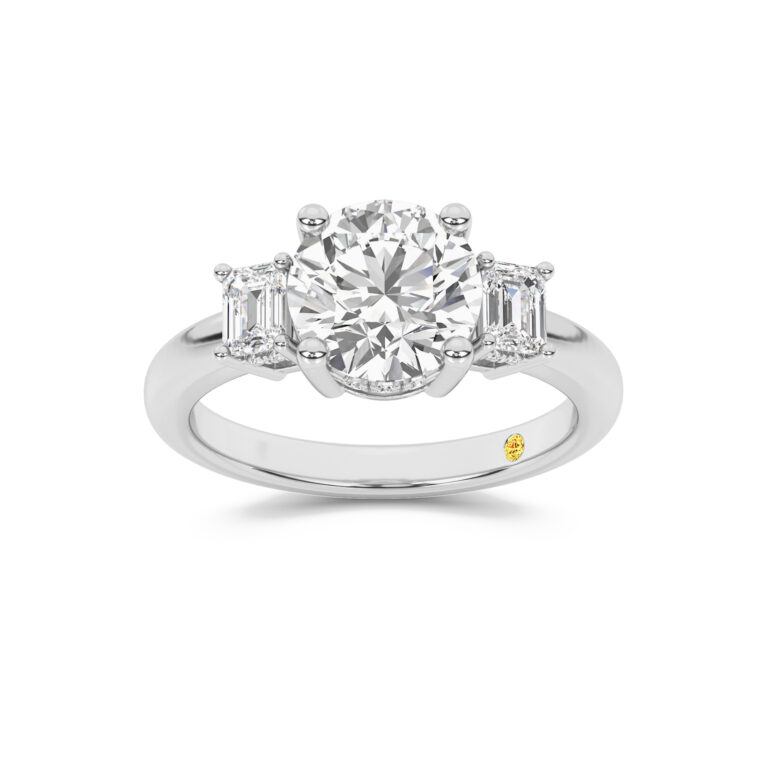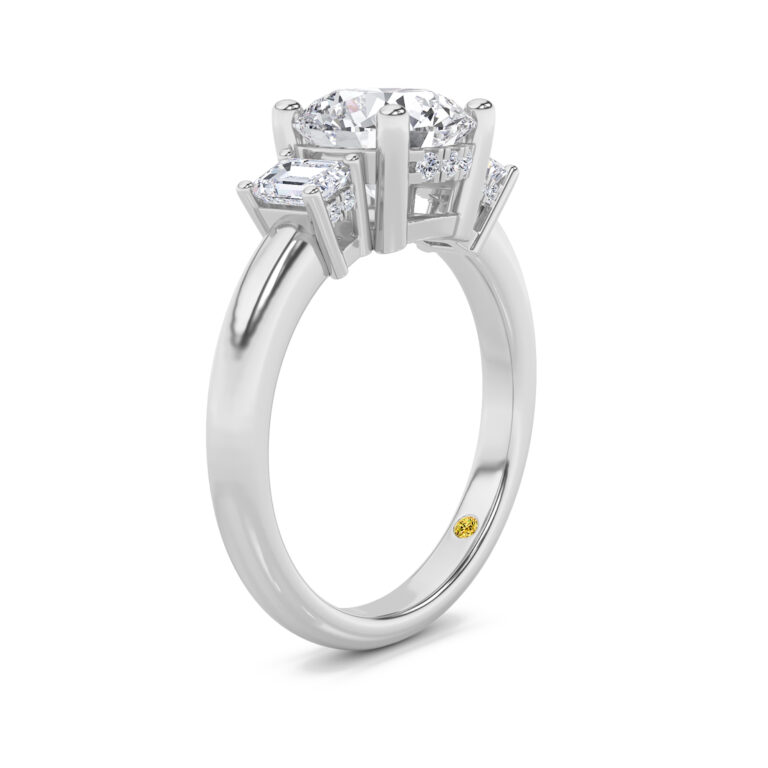
Finding the right gem shape often feels stressful. Couples want a piece that lasts forever. My daily work involves helping people navigate these tough choices. This guide explores the details of a round vs oval solitaire engagement ring.
Thirty years of evaluating fine jewelry has taught me exactly what matters. Clients visit my office looking for clear answers. Finding the perfect solitaire engagement ring requires facts rather than confusing sales pitches. We must look closely at light physics today. Finger shape also plays a massive role in the final look.
Smart buyers always choose high-quality lab-grown stones now, as the benefits of lab-grown gems are undeniable. Let us dive into the brilliant details together.

What is the Light Return Difference Between Round and Oval Diamonds?
Round diamonds reflect almost one hundred percent of light due to their symmetrical fifty-seven facets, while oval diamonds offer slightly less brilliance but create a larger visual footprint.
Light physics drives the entire modern jewelry industry forward. Perfect circular cuts act like tiny mirrored domes. Incoming rays bounce down deep into the core. Those beams then shoot straight back up to your eye. Jewelers call this optimal light return, a critical optical factor we look for.
It creates that famous blinding white flash. Stretched gems handle light a bit differently by design. Their elongated shape changes interior reflection angles slightly. You still get absolutely amazing sparkle every time. However, tiny amounts of light escape through the sides. Decades of inspecting rough crystals highlight this reality clearly. Comparing them side by side reveals a clear winner for pure shine. The round solitaire engagement ring always delivers the brightest punch.
How Does Facet Placement Affect Sparkle?
Facet placement dictates exactly how a stone bends and reflects incoming light beams toward the viewer.
Cutters carefully polish flat surfaces onto the rough gem. Each tiny plane acts as a specific mirror. Mathematicians designed the brilliant cut specifically for maximum shine in a round diamond solitaire engagement ring. Every angle must hit precise microscopic measurements.
A slight error ruins the whole optical effect. Modern tools help craftsmen achieve perfect symmetry easily. This extreme precision guarantees a stunning final product.

How Does an Oval Diamond Elongate the Finger?
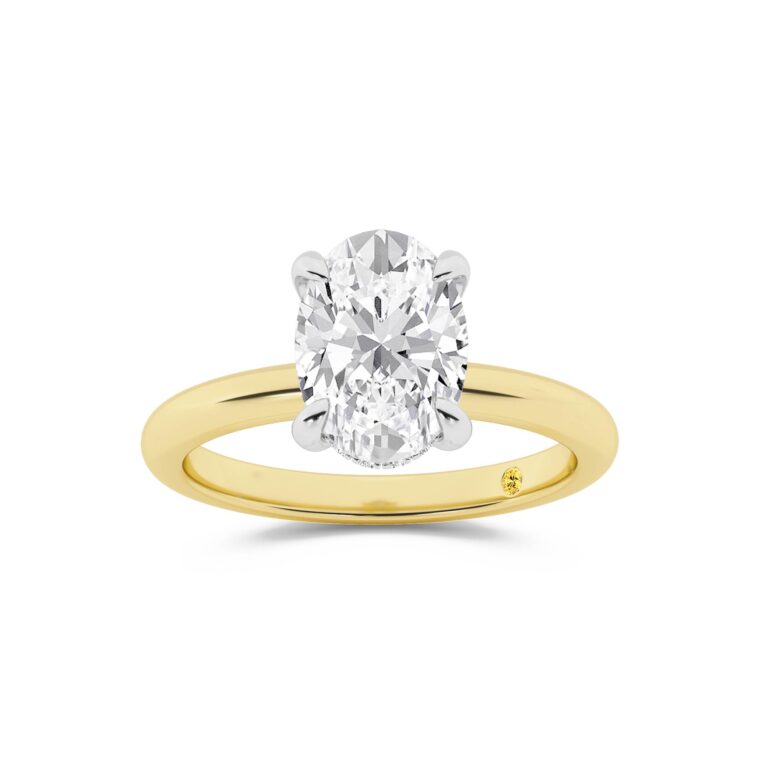
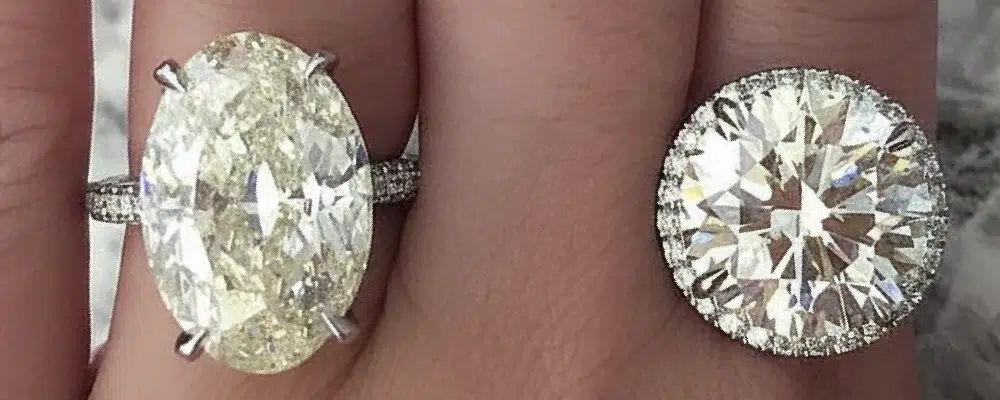
An oval diamond draws the eye vertically along the hand, which creates an optical illusion making fingers look longer and thinner.
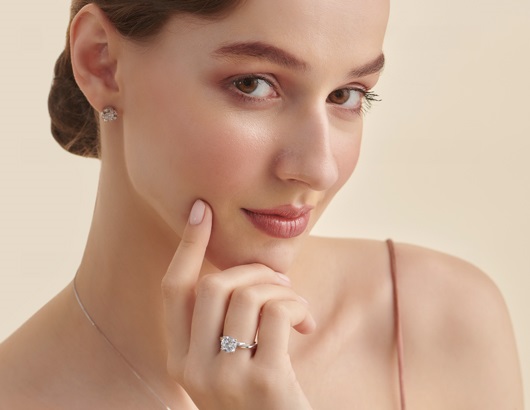
Visual harmony matters greatly in personal style. People adore how stretched stones flatter their unique hands. The extra length of a solitaire oval engagement ring covers more skin from knuckle to knuckle. Short fingers suddenly appear quite graceful and delicate. Wide hands look much more balanced and naturally proportional.
I always ask visitors to try both styles on directly, but you can read more about why an elongated shape might be right for you before making a decision. Seeing the band on a real hand changes everything completely. Pictures online simply cannot capture that true physical feeling. A beautiful lab-grown gem set in warm yellow gold looks stunning. It feels like you decided to custom-make your engagement ring specifically to suit your unique hand.
What is the Bow-Tie Effect in Oval Diamonds?
The bow-tie effect is a dark, shape-shifting shadow across the center of an oval diamond caused by uneven internal light distribution.
Every stretched cut contains some tricky dark spots. Light simply cannot reflect perfectly from every angle inside a long shape. This physical limit creates a shadow resembling a formal necktie. Some shadows remain very faint and barely visible. Others look like huge black triangles cutting across the middle.
Buyers absolutely want to avoid those severe dark patches. My long experience shows that a slight shadow actually adds nice depth. It gives the precious stone a unique character. Too much darkness completely ruins the internal beauty. Evaluating this trait takes a highly trained eye, which is why expert guidance on choosing the right stone is incredibly valuable. We inspect every single item under bright white lights.
How Can You Spot a Poorly Cut Oval Diamond Ring?
You can spot a poorly cut solitaire oval diamond engagement ring by looking for a massive black bow-tie, a hazy appearance, or an uneven shape.
Cut quality determines the true value of any gem. Mined stones frequently suffer from terrible uneven cuts. Traditional cutters try to save weight to charge higher prices. They care far more about carats than pure beauty. Choosing from a high-quality collection of lab created diamond rings solves this exact problem beautifully.
Scientists grow them perfectly in tightly controlled environments. Craftsmen do not have to compromise on the final shape. A bad cut will look flat and completely lifeless. It might even resemble a dull piece of glass. Nobody wants that sitting on their hand forever. Always insist on seeing the item move around. Rock it back and forth gently. Good pieces dance rapidly in the light.
Why Are Lab-Grown Diamonds the Smart Choice for Solitaires?
Lab-grown diamonds provide identical physical and chemical properties to mined stones at a fraction of the cost, which allows buyers to afford larger cuts.
Nature takes millions of years to bake a crystal. Science finishes the job quickly with the exact same carbon structure. These gems remain entirely real diamonds through and through. They simply come from a clean facility instead of a dirty pit. I strongly recommend them to everyone who enters my office.
Buyers get a bigger, much brighter stone for their hard-earned money. Choosing a round vs oval solitaire engagement ring becomes fun when budget stress vanishes. Your cash simply goes much further now. Securing a flawless two-carat gem is a total reality for normal folks, especially when comparing visual sizes on hand. This amazing technology changed our entire industry forever.
Which Gold Metal Settings Work Best for Round and Oval Solitaires?
Classic yellow, white, and rose gold settings provide durable, secure bases that perfectly enhance the unique sparkle of both round and oval diamonds.
Metal choice neatly frames your beautiful center stone. White gold delivers a sleek, very icy look. It blends right into the sparkling bright diamond. If you are comparing rose and yellow gold options, yellow bands offer a stunning, classic warm contrast, while rose alloys feel incredibly romantic and softly vintage.
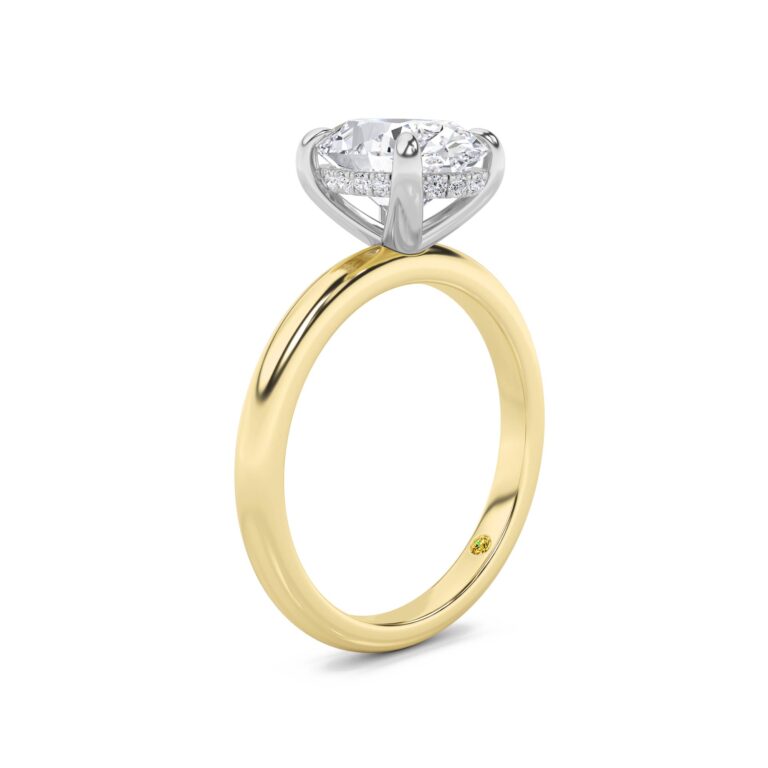
Solitaires require strong prongs to stay perfectly safe. Four prongs show off much more of the actual gem. Six metal prongs offer slightly better daily security. I never suggest anything other than quality solid gold. It lasts a whole lifetime and polishes up beautifully over time. A simple shiny band lets the main stone be the true star.
Why is 14k Gold Ideal for Daily Wear?
Fourteen karat gold provides the perfect balance of pure metal and strengthening alloys to resist scratches during everyday use.
Pure gold bends far too easily for rings. Jewelers mix in stronger metals to add serious toughness. This specific blend of strengthening alloys holds precious gems very tightly. Active people absolutely need this extra level of durability. Rings take a lot of harsh daily abuse. Hitting a wooden doorway can easily bend a weak setting. Strong metal alloys prevent terrible gem loss.
What Are the Best Prong Styles for These Gems?
Four-prong and six-prong gold settings provide the best security while allowing maximum light to enter both round and oval diamonds. Crafters bend tiny wires carefully over the precious stone. These small claws hold everything firmly in place. When deciding between four and six prong settings, keep in mind that four prongs leave more open space on the sides. Extra light enters the crystal easily through those gaps.
Six prongs offer superior protection against accidental hard knocks. I always inspect claw strength carefully in my office. Weak metal leads to terrible heartbreak later on. Solid gold provides the perfect dependable daily grip.
Does a Halo Setting Work Well?
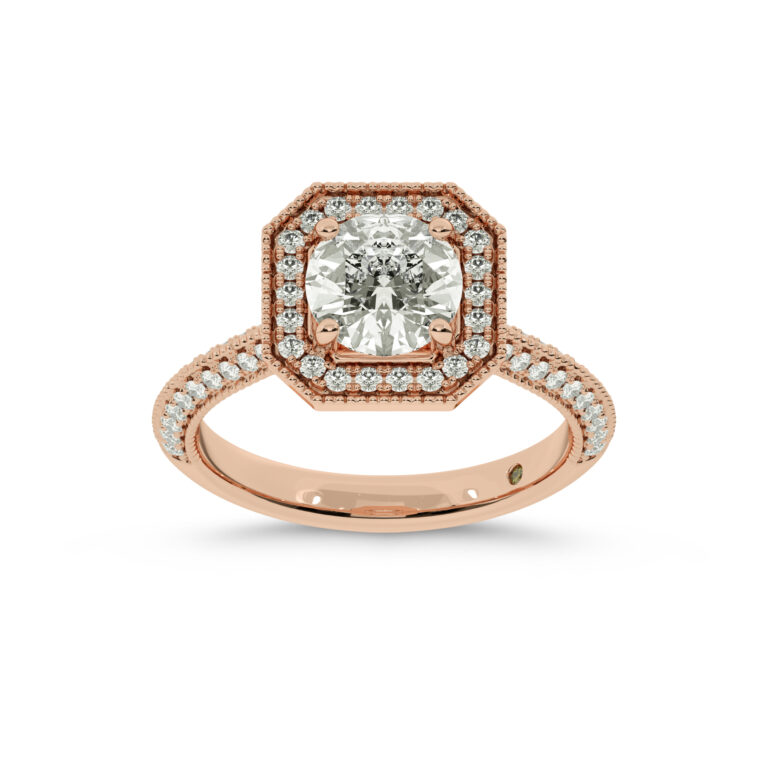
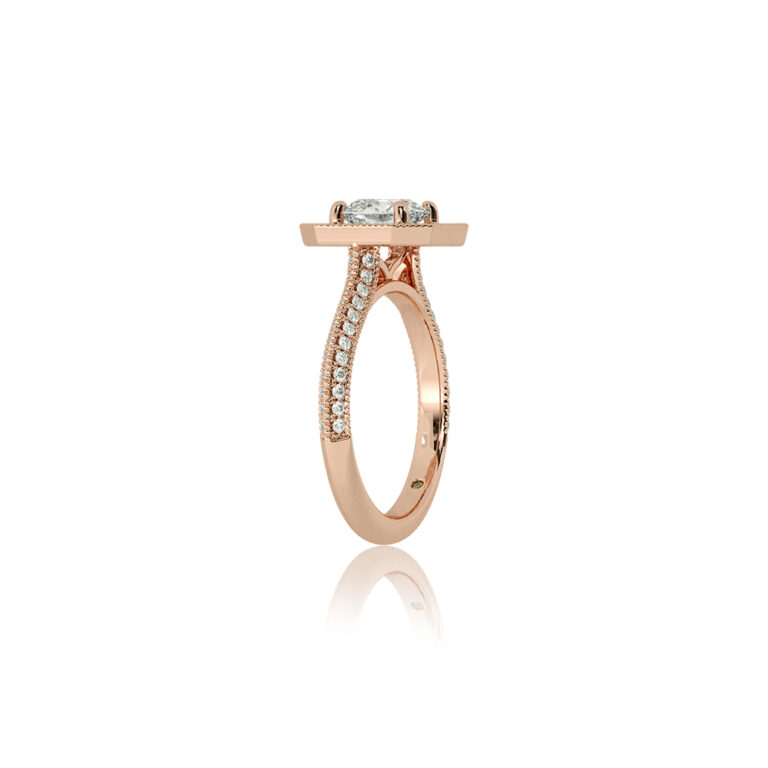
A halo setting surrounds the main stone with tiny diamonds, which adds extra brilliance and makes the center gem appear much larger.
If you are torn between a classic single stone and a halo design, you will find that many modern shoppers truly love this extra flash. Small stones create a brilliant shining outer frame. This clever trick boosts the visual impact instantly.
Couples on a strict budget often use this clever method. An elegant gold halo completely transforms a simple piece. Dust gets trapped easily in these complex designs though. Regular gentle brushing becomes absolutely mandatory here.
Round vs Oval Diamond Comparison Table
The table below clearly compares the key physical and financial differences between round and oval diamond cuts. Choosing your round vs oval solitaire engagement ring gets easier with data. Seeing the plain facts laid out makes the whole decision smoother. Both lovely shapes have totally unique personal strengths. Let us examine the exact details closely below.
| Feature | Round Brilliant | Oval Cut |
| Brilliance | Maximum perfect light return | High light return |
| Finger Effect | Classic, perfectly symmetrical | Elongates the finger |
| Size Perception | True to raw carat weight | Looks 10-15% larger |
| Bow-Tie Risk | Zero risk entirely | Moderate risk |
| Cost Per Carat | Higher raw cost | Very affordable |
| Best Metal | White, Yellow, Rose Gold | White, Yellow, Rose Gold |
| Origin Choice | Lab-grown ideal | Lab-grown ideal |
How Do Prices Compare for Round and Oval Solitaires?
Oval diamonds typically cost less per carat than round diamonds because they require less raw material to be wasted during cutting.
Grinding a perfect circle destroys a lot of rough diamond. Workers must polish away a huge portion of the original crystal. That wasted raw material drives up the final retail price. Stretched shapes keep much more of the natural stone intact.
This cutting efficiency passes huge financial savings down to you. An elongated cut almost always costs less than a perfect circle. This inherent efficiency makes oval cut solitaire engagement rings an incredibly attractive option. Combine that nice natural discount with smart lab-grown pricing. The final register total becomes incredibly attractive. Value matters deeply when planning a massive wedding. Every single dollar counts toward your future life.
Which Shape Looks Bigger for the Same Carat Weight?
Oval diamonds look visibly larger than round diamonds of the exact same carat weight due to their wider surface area.
Carat numbers measure strict weight instead of physical dimensions. Two gems can weigh the exact same amount but look totally different. Circles hold a lot of their heavy mass deep down inside. Elongated cuts spread that mass out flat across the top. They clearly take up more physical space on your hand.
When you want maximum visual impact, the stretched option wins easily. Many modern couples strongly prefer this much bigger look. Getting more finger coverage for your money feels great.
The Maintenance of Your Solitaire Ring
Regular cleaning keeps your gold setting and lab-grown gem looking perfectly brand new for many decades.
Dirt blocks light from entering the precious stone. A dirty gem looks dull and very sad. Hand lotion clings to the bottom facets quickly. Soap scum constantly builds up under the metal prongs. Simple care routines fix these common issues easily. Soaking the piece in warm soapy water helps immensely. Gentle soft brushing removes trapped daily grime.
How Often Should You Clean Your Ring?
You should clean your ring gently once a week at home to maintain its maximum bright sparkle and shine.
Regular healthy habits prevent hard stubborn mineral buildup. Soft toothbrushes work incredibly well for this simple task. Harsh household chemicals damage the warm gold finish. Safe mild dish soap provides plenty of cleaning power. Professional polishing once a year restores the shiny metal. My team checks prong security during these quick visits.
How to Make the Final Decision?
You must base your final decision on whether pure brilliance or a flattering elongated shape matters more to your personal style.
Selecting a round vs oval solitaire engagement ring remains a deeply personal journey. Neither valid option is ever considered wrong. Classic circles offer unmatched, truly blinding sparkle. They represent pure tradition and striking geometric perfection. Modern ovals bring sleek elegance and amazing financial value. They look huge and make fingers look quite slender.
Think carefully about your everyday wardrobe style. Consider exactly how the warm gold band will feel on your hand. Listen closely to your own gut feeling today. You can explore La Joya’s solitaire collection to see these subtle design differences for yourself. Your loving partner will cherish whichever one you pick. The sweet thought behind the beautiful gift matters most.
Conclusion
Deciding between these two stunning options comes down to true priority. Brilliant circles flash like absolutely nothing else on earth. Elegant ovals offer quiet grace and a much larger visual spread. A smart lab-grown stone set in beautiful solid gold makes either choice completely perfect. Take your time, trust the whole process, and enjoy the journey. Your perfect round vs oval solitaire engagement ring awaits. Click here to find your dream ring.