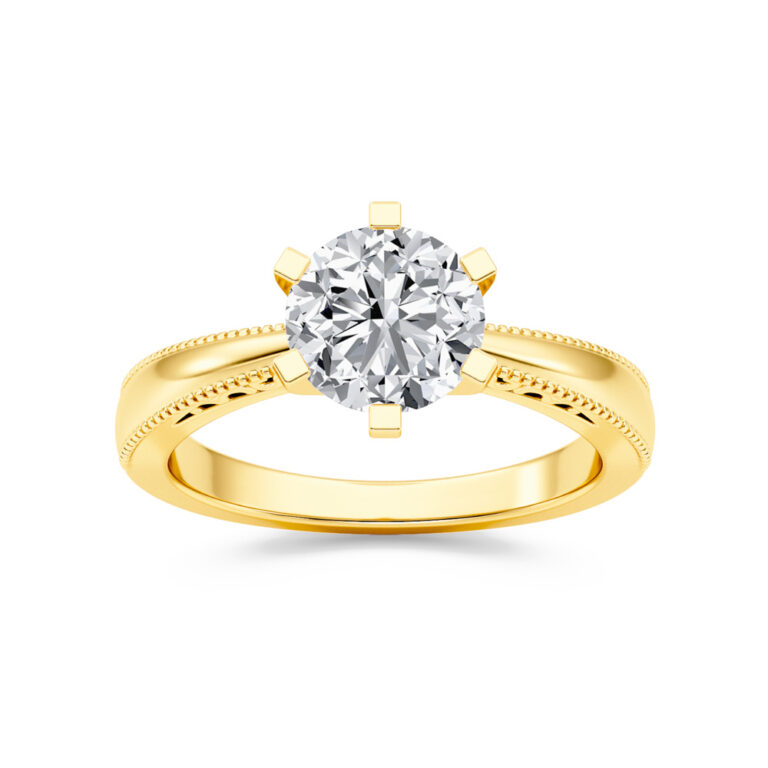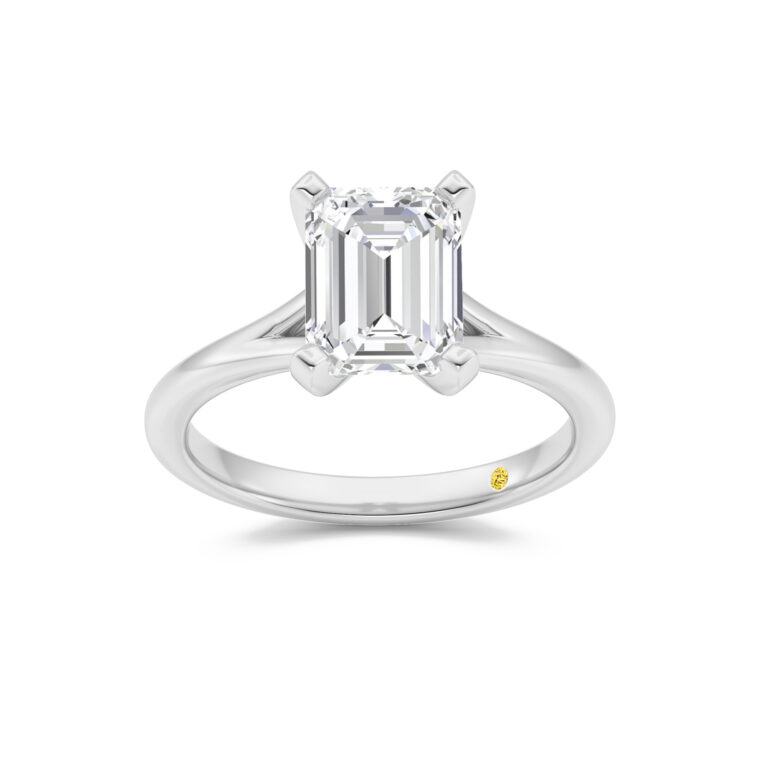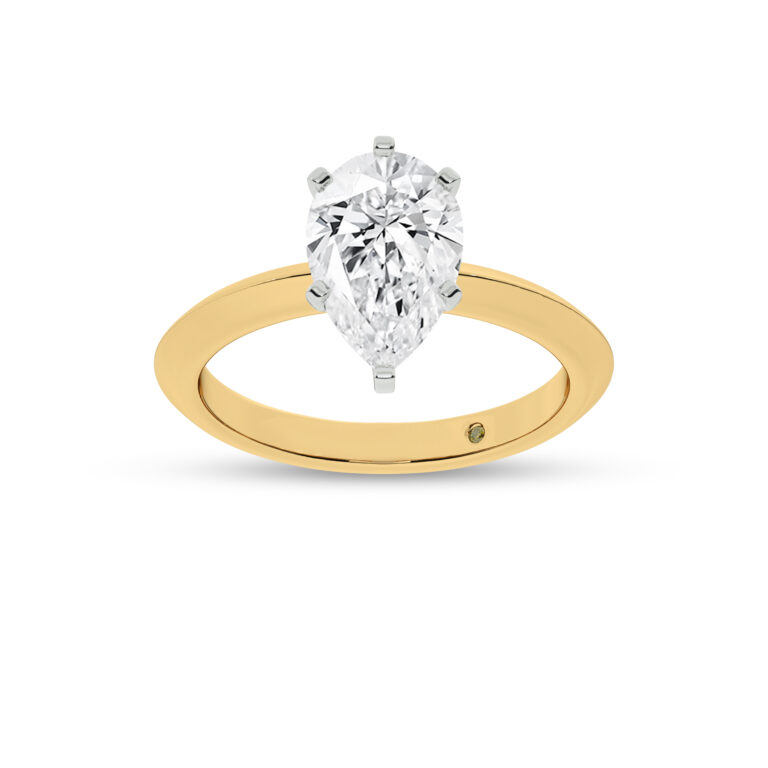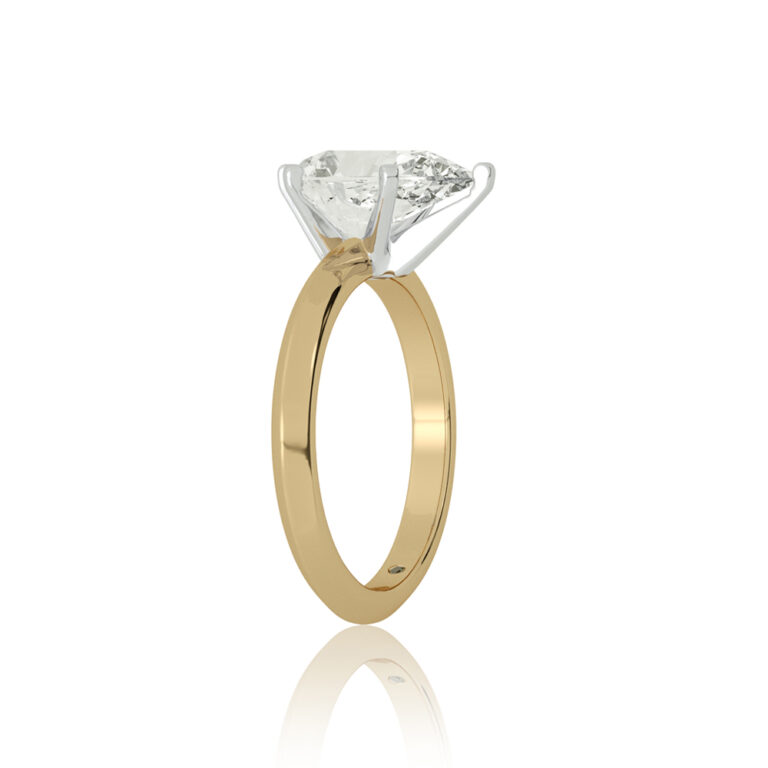
Finding the perfect ring often comes with a hidden fear about damaging the center stone during daily activities. Many high-set designs look stunning but lack the necessary structural backbone for real-life wear. A solid solution lies in architectural design, specifically the elegant slopes of a cathedral mount. If you are exploring the perfect solitaire engagement ring, this cathedral solitaire engagement ring guide will walk you through exactly why these graceful arches offer unmatched security.
Over my three decades of manufacturing fine jewelry, I have seen firsthand how specific structural choices prevent heartbreak. Clients frequently visit my office asking for high visibility without the risk of bending prongs. Let us explore the mechanics, metals, and modern diamond choices that make this style a masterpiece of durability.

What is a Cathedral Solitaire Engagement Ring?
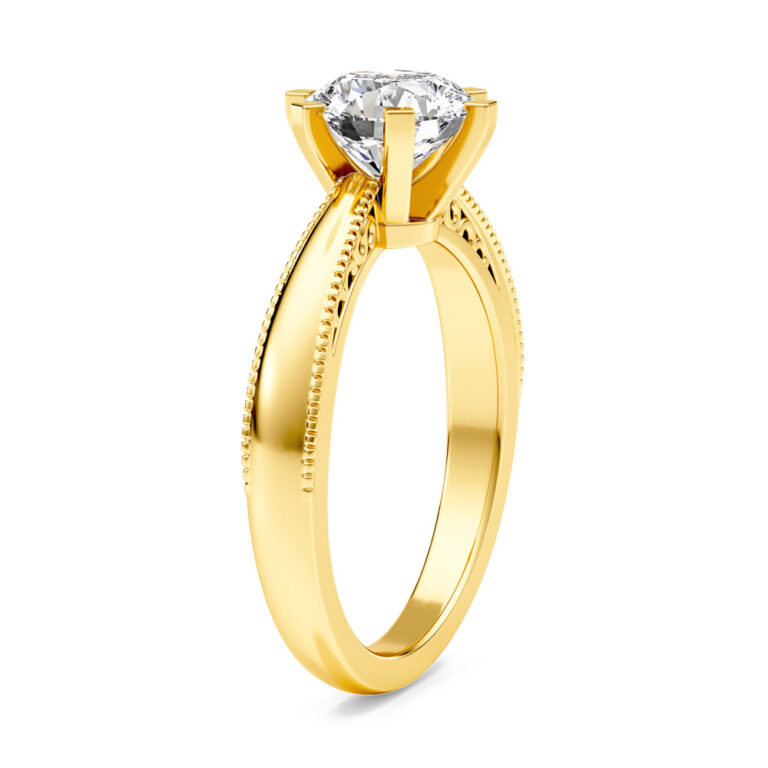
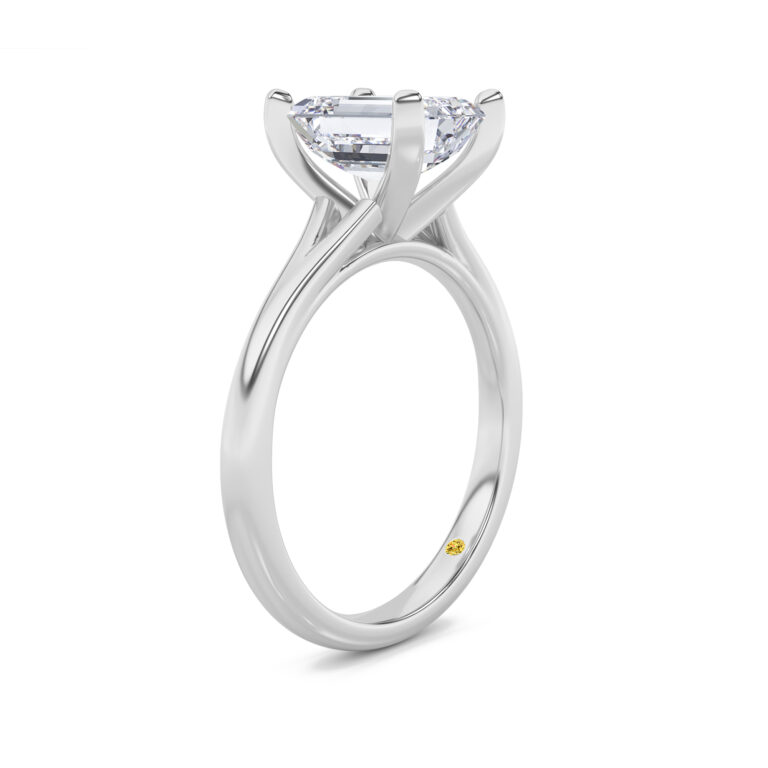
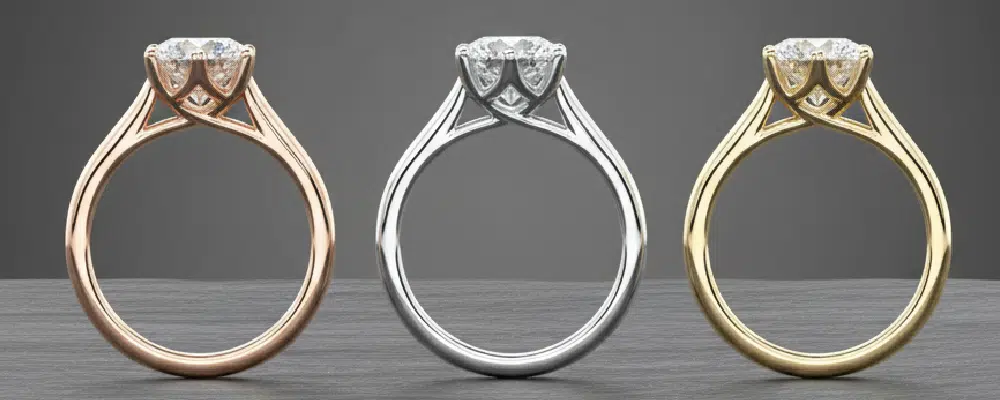
A cathedral solitaire engagement ring is a jewelry design where slopes of metal curve upward from the band to flank and support the center stone like architectural arches.
These sweeping metal shoulders mimic the grand flying buttresses of ancient churches. Throughout my career, I have crafted thousands of these mounts, which inspired me to create this comprehensive guide. When you look closely at a standard floating prong, the gem sits exposed on a tiny pedestal. Adding those sweeping side arches distributes any impact force down into the thicker part of the band.
Customers constantly bring in bent standard prongs for repair. Rarely do I see a properly built cathedral suffer the same fate. The added metal does not just look regal; it acts as an essential shock absorber. If you are currently debating between a 4-prong vs 6-prong setting, choosing a cathedral foundation adds an entirely new dimension of safety.
How Do Cathedral Arches Improve Structural Integrity?
Cathedral arches improve structural integrity by creating a triangular support system that braces the center head against lateral impacts and prevents the prongs from bending.
Triangles are the strongest shape in architecture, and the same principle applies to fine jewelry. If you bump your hand against a doorframe, a standard peg-head takes all the force directly on the thin wire prongs. The cathedral design redirects that energy safely into the shank. Those elegant swoops of gold anchor the basket at two additional points.
During my time inspecting returned or damaged pieces, the evidence is incredibly clear. Architectural proof shows that these arches effectively lock the center head in place securely. You get a beautifully elevated stone without the constant anxiety of snapping a delicate wire.

Why Does the Cathedral Setting Protect the Ring Gallery?
The cathedral setting protects the ring gallery by encasing the delicate lower half of the diamond in a reinforced metal cradle that blocks side-on blows.
Think of the gallery as the fragile underbelly of your jewelry. Standard solitaires leave this area completely open to sweaters, car keys, and accidental scrapes. By wrapping the side slopes around the base, the design forms a physical barrier.
I often demonstrate this in my office by sliding a piece of delicate fabric over different ring models. Material catches immediately on exposed baskets but glides smoothly over a cathedral’s sloped shoulders. This protective cradle ensures your stone stays tightly secured year after year.
Which Gold Alloys Work Best for Cathedral Settings?
The best gold alloys for cathedral settings are 14k and 18k solid gold in white, yellow, or rose tones due to their optimal balance of hardness and malleability.
No cathedral solitaire engagement ring guide would be complete without speaking about the metal. Choosing the right metal is just as crucial as the structural design itself. White gold offers a brilliant, icy backdrop that enhances the sparkle of your center stone. Yellow gold provides a classic, warm contrast that remains timelessly popular. Rose gold brings a unique, romantic hue that complements all skin tones beautifully. Lower karat weights like 14k contain more alloy metals, making them incredibly resistant to scratching during daily wear.
Pure gold is much too soft for engagement rings, so alloying is entirely necessary to ensure the ring lasts a lifetime. Meanwhile, 18k provides a richer color with slightly more purity for those who prefer it. Your choice should simply depend on your personal style preference, as both options provide excellent longevity.
Why Are Lab-Grown Diamonds the Intelligent Choice for Cathedral Rings?
Lab-grown diamonds are the intelligent choice for cathedral rings because they offer identical physical, chemical, and optical properties to mined diamonds at a significantly better value.
Modern consumers are smart, and the shift toward cultivated stones is the biggest positive change I have witnessed in my career. You get exactly the same carbon crystal structure and breathtaking brilliance. Instead of paying a premium for a stone dug from the earth, you can invest that budget into a flawless, larger centerpiece. This cathedral guide would be incomplete without highlighting this reality.
When clients compare two identical rings side-by-side in my office, they cannot tell the difference—a fact supported by the Gemological Institute of America (GIA). Laboratory-created gems are the ethical, modern, and financially savvy option for today’s couples, making lab grown diamond engagement rings the ideal match for these sweeping gold arches.

Comparing Structural Durability: Cathedral Settings vs. Standard Solitaires
A direct comparison reveals that cathedral settings provide superior stability, impact resistance, and snag prevention compared to standard peg-head solitaires.
Data helps clarify important jewelry decisions for anxious buyers. Let us look at how these two popular styles stack up against each other under the stress of daily wear.
| Feature | Cathedral Solitaire Setting | Standard Peg-Head Solitaire |
| Impact Resistance | High (force distributed via arches) | Low (force absorbed by prongs alone) |
| Gallery Protection | High (flanked by solid metal slopes) | Low (completely exposed sides) |
| Snag Potential | Low (sloped sides guide fabrics away) | High (abrupt angles catch on threads) |
| Center Stone Security | Excellent (triangular bracing system) | Moderate (relies on single attachment point) |
| Wedding Band Fit | Flush (arches usually accommodate bands) | Varies (often requires a curved band |
How to Choose the Right Center Stone Shape for a Cathedral Ring?
To choose the right center stone shape for a cathedral ring, select an elongated cut like an oval or emerald to elongate the finger, or a round brilliant for maximum classic sparkle.
The architectural nature of this mount plays beautifully with almost any gem silhouette. Round brilliants are the traditional favorite, sitting perfectly nestled between the sweeping gold shoulders. However, elongated shapes are currently dominating the requests I see daily. Ovals and marquise cuts stretch along the finger, creating a very flattering illusion of length.
Firm support from the side arches makes these longer shapes incredibly stable and secure, which is exactly why the oval shape is a smart choice for active wearers. Princess and emerald cut solitaire engagement ring designs also look incredibly regal when elevated by a cathedral structure. Ultimately, your decision really comes down to which geometry speaks to your personal aesthetic.
How to Maintain Structural Integrity Over Time?
To maintain structural integrity over time, a cathedral setting requires annual professional inspections to check for micro-abrasions and ensure the gold arches remain perfectly aligned.
Routine care is the absolute secret to generational jewelry. Even the most robust architectural designs face daily friction against steering wheels, door handles, and gym equipment. Gold naturally develops a patina of tiny scratches as it ages. Polishing the band restores that mirror finish but removes microscopic layers of metal.
I always advise my clients to limit heavy polishing to once every few years. Simple home maintenance prevents dirt from wedging between the gold supports and the lab-grown diamond. A clean ring actually experiences less abrasive wear inside the gallery over the decades. Taking these small precautions guarantees your piece outlasts passing trends.

Conclusion
Finding the right balance between breathtaking beauty and everyday practicality does not have to be difficult. Through my decades of experience, I confidently recommend this architectural masterpiece to anyone seeking security. A well-crafted gold mount paired with a brilliant lab-grown diamond is a truly intelligent investment.
Let this cathedral solitaire engagement ring guide serve as your foundation for making a smart, lifelong choice. If you want something entirely unique to your love story, you can always design your own engagement ring or browse La Joya’s solitaire collection to find your perfect match.