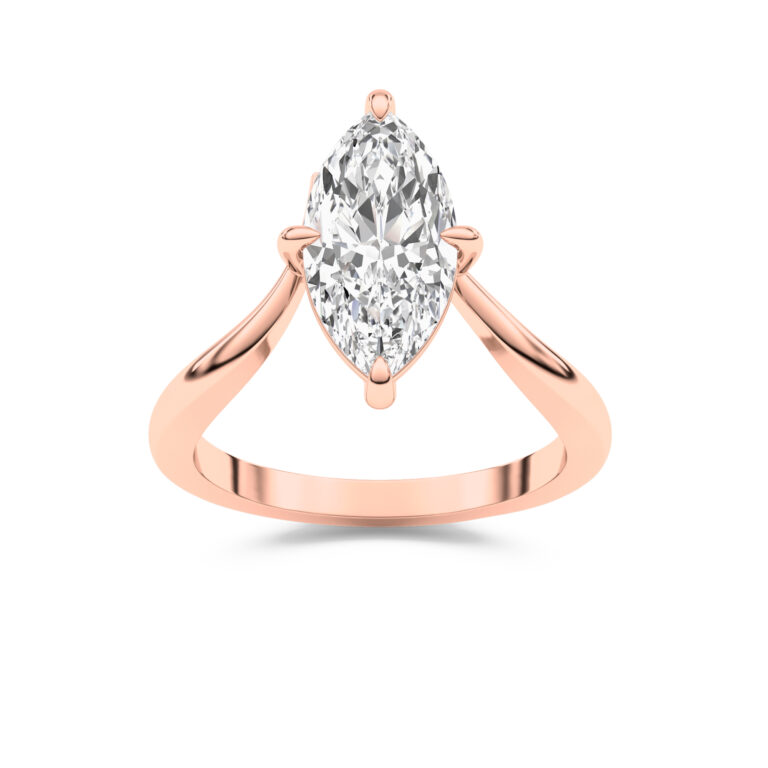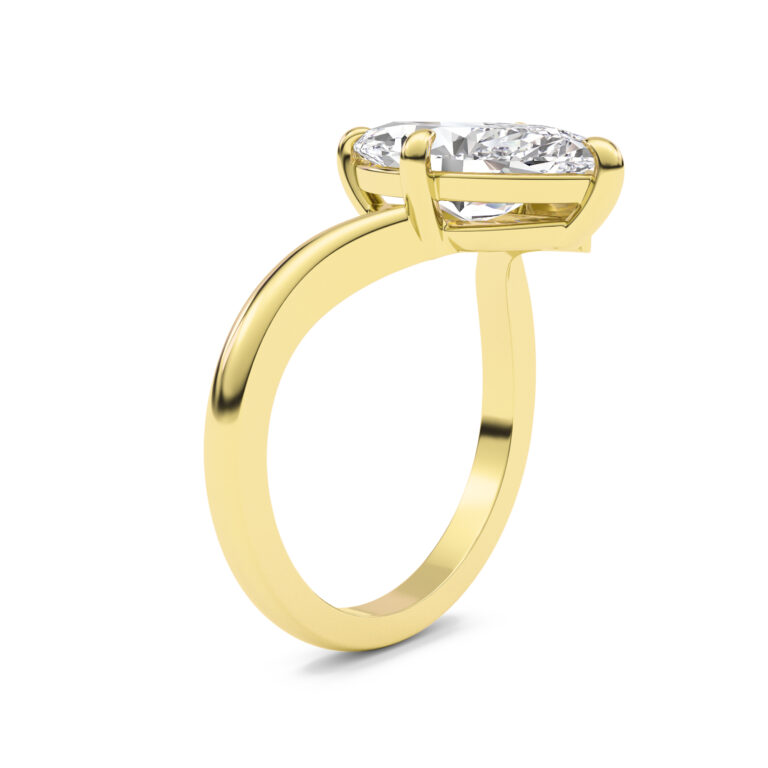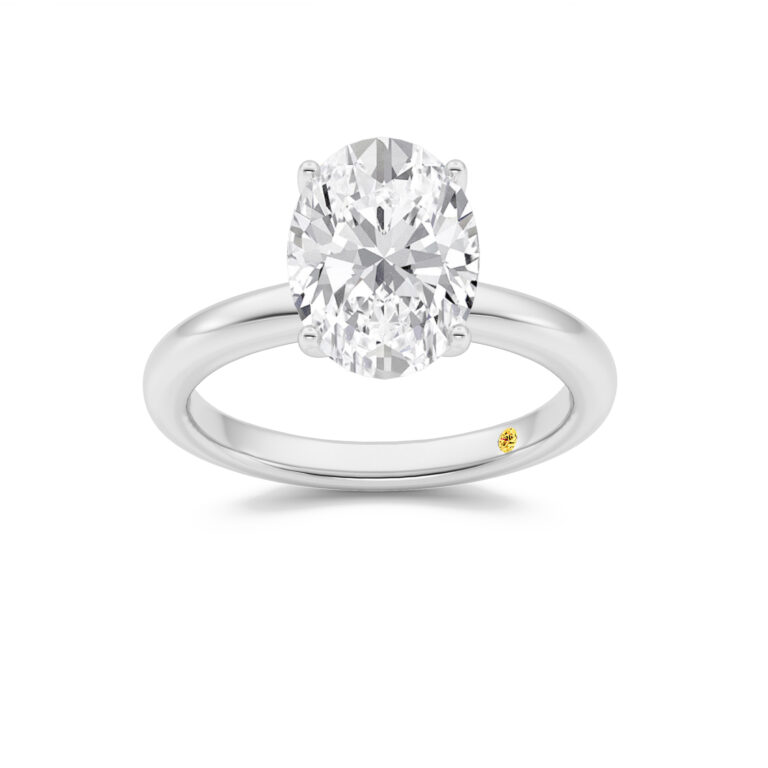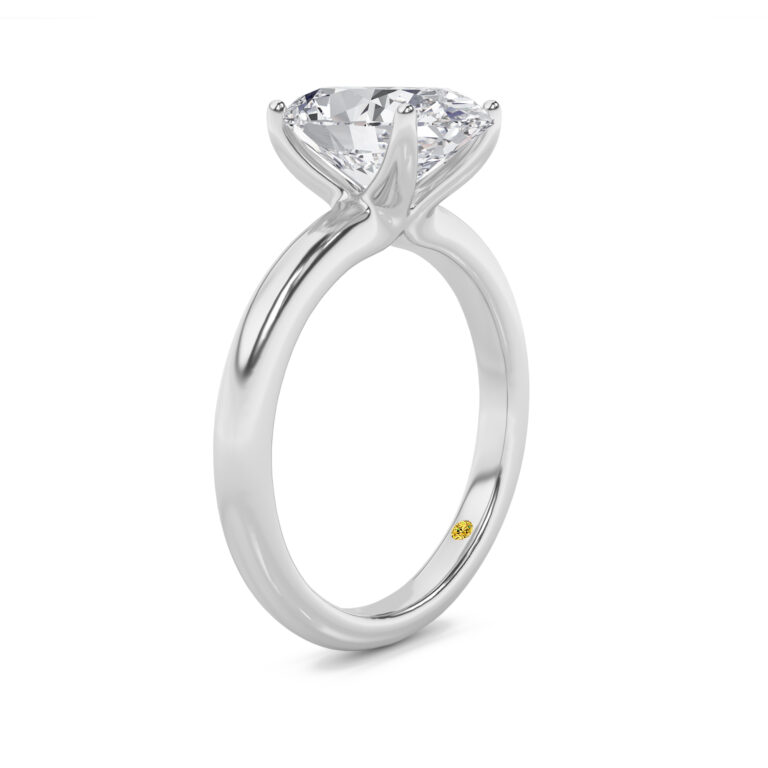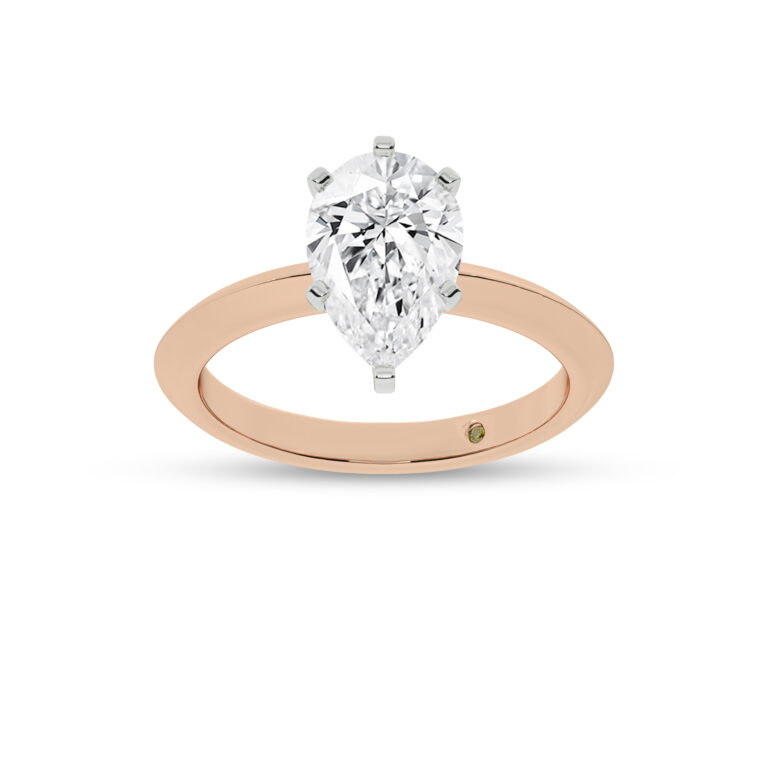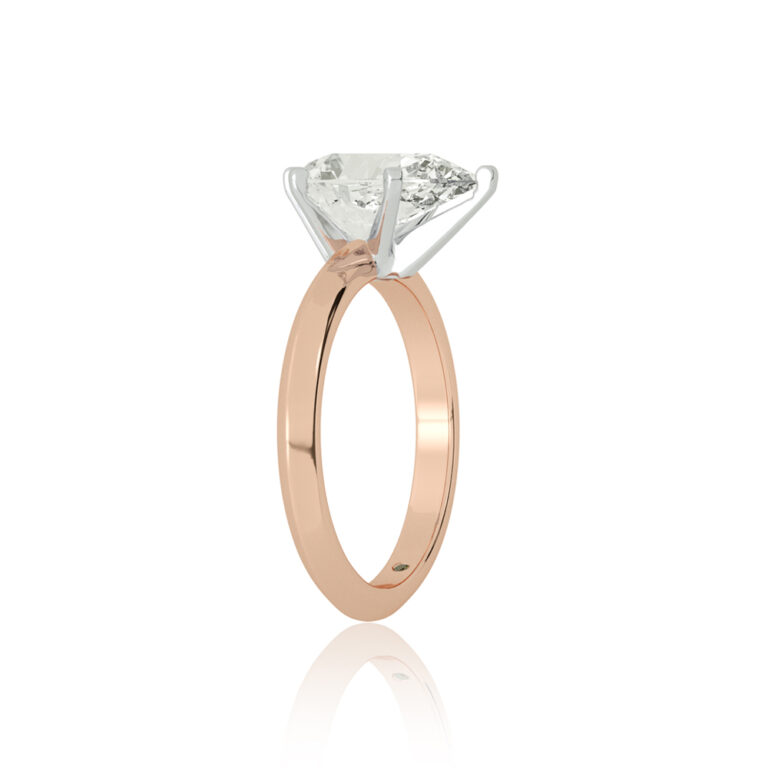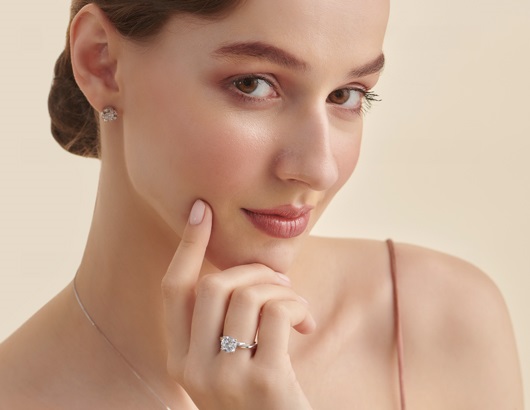
Are you stuck picking a metal for your ring? Many buyers ask me if platinum is better than gold. The truth might shock you. I have made rings for 30 years. Let me help you choose. If you want a stunning white gold solitaire engagement ring, you need the facts. We will look at cost, strength, and care. You will see why gold is the smart choice. I sees the results of daily wear and know what lasts and looks good. Let me break it down simply.
What Are the Main Differences Between White Gold and Platinum?
The main difference is that white gold is a lightweight, bright alloy mixed with durable metals, while platinum is a heavier, dense, and naturally white but duller metal.
In my 30 years of making jewelry, I see this mix-up daily. People think platinum is magic. It is not. White gold starts as pure yellow gold. We mix it with white metals like nickel, silver, or palladium. This makes it strong. Then, it gets a special bright coating. This makes it shine like a star. Platinum is very dense. It feels heavy on your finger. It also costs a lot more money. I always tell my clients to skip platinum. You pay more for a metal that loses its bright shine fast. Stick with gold. It is easier to wear and fix and gives you the best look for your money. If you are also debating between warmer metal colors, you should explore our guide on rose vs yellow gold options.
Why Does Platinum Develop a Dull Patina Over Time?
Platinum develops a dull patina over time because everyday wear displaces the soft metal on its surface, creating tiny scratches that look like a frosted, gray finish.
Many folks hate this gray look. They buy a shiny ring. Then they get upset when it turns dull. This happens in just a few months. Platinum does not lose metal when you scratch it. According to the experts at the Gemological Institute of America (GIA), this metal displacement is exactly what creates that well-known patina finish. The metal just moves around like wet clay. Over the years, I have seen hundreds of platinum rings. They come back to my shop for polishing. It is hard work to make them shine again. The shine never lasts long. White gold stays much brighter. Yes, gold can get tiny scratches too. But it does not get that foggy, dull look. If you want your ring to catch the light, skip the platinum.

How Does Rhodium Plating Protect a White Gold Ring?
Rhodium plating protects a white gold solitaire engagement ring by covering the gold alloy with a hard, brilliant white layer that stops scratches and adds a mirror-like shine.
Let me tell you a secret from the jeweler’s bench. Rhodium is actually part of the platinum family. But it is much harder. It is also much brighter. We use an electric current to stick rhodium to the gold. Over time, this thin plating wears off. Your ring might show a slight yellow tint at the bottom. Do not panic! This is totally normal. A quick dip in the plating tank makes it brand new. It takes me five minutes to do this in my shop. First, I clean the ring with steam. Then, I put it in the chemical bath. The electric charge makes the rhodium stick. This simple care keeps your ring perfect for decades, and is especially helpful when you make your solitaire setting unique with custom textures that need protecting.
Which Metal Costs More for a Solitaire Setting?
Platinum costs significantly more than white gold because it is a denser metal, requiring more weight to make the exact same ring.
Let us talk about your hard-earned money. Platinum is heavy. If you have two rings of the exact same size, the platinum one is much heavier. Jewelers buy metal by the gram. You need more grams of platinum to make a ring. Plus, platinum is harder for us to work with. We need hotter torches. We need special tools that wear out fast. All of this raises the price you pay. I hate seeing young couples waste money on the metal. You should spend that money on a better center stone. Gold gives you a better price. It leaves cash in your pocket to explore other structural upgrades, like deciding between a 4-prong and 6-prong setup.

Why Are Lab-Grown Diamonds the Best Choice for White Gold?
Lab-grown diamonds are the best choice for white gold because they offer genuine diamond brilliance and supreme ethical value at a fraction of the cost.
I have watched the diamond market change. Lab-grown diamonds are real diamonds. They are just grown in a lab and not dug from the dirt. They are the modern, smart pick and are fully ethical. When you save money by choosing white gold, you have more choices. You can buy a much bigger lab-grown stone. A large, bright lab-grown diamond looks amazing in a white gold solitaire engagement ring. The bright white metal makes the diamond pop. It is the ultimate winning team. You get a huge rock without going broke when you browse our collection of lab created diamond engagement rings. It is the most intelligent choice you can make today.
How Do White Gold and Platinum Compare in Daily Durability?
White gold is harder to bend and holds its shape better than platinum, while platinum is softer and more likely to warp out of round.
I have seen so many bent platinum rings. Platinum is dense. But it is actually quite soft. If you grip a heavy bag or lift weights, a platinum ring can squish. It turns into an oval shape. 14k white gold is very stiff. The mixed alloys make it tough. It handles daily life much better. When you wear a simple ring, you want the band to stay perfectly round. You want the prongs to stay tight. Gold does this job best. It holds your precious lab-grown diamond safely. Platinum prongs can easily bend back. This puts your stone at risk. Whether you opt for a fancy shape or a classic solitaire round engagement ring, keeping that center stone secured should be your top priority.
Comparing the Metals at a Glance
Look at this simple chart. It shows exactly why I always tell my buyers to pick gold over platinum.
| Feature | 14k White Gold | Platinum | My Veteran Verdict |
| Initial Cost | Very Affordable | Very Expensive | White gold leaves money for a lab-grown diamond. |
| Weight | Light and comfortable | Heavy and dense | White gold feels better for daily wear. |
| Shine | Brilliant mirror finish | Dull, frosted gray | White gold looks much better on the hand. |
| Shape Strength | Stiff, holds shape well | Soft, bends easily | White gold keeps your ring perfectly round. |
| Prong Safety | Hard, locks stone in | Bends, risks stone loss | White gold keeps your lab-grown diamond secure. |
Conclusion
Choosing a ring should be fun. It should not be stressful. I always vote for gold. Skip the heavy, dull platinum. It costs too much. It looks dull too fast. Buy a stunning white gold solitaire engagement ring. Pair it with a brilliant lab-grown center stone. It is a smart, beautiful choice. It will last a lifetime and save you money. To dive deeper into solitaire engagement ring buying strategies, read more about finding the perfect design.