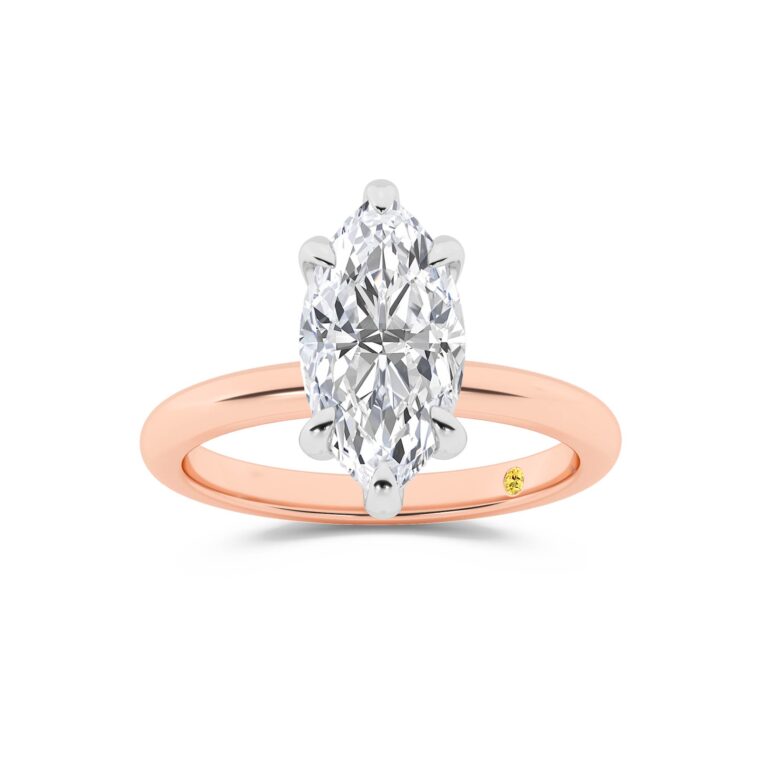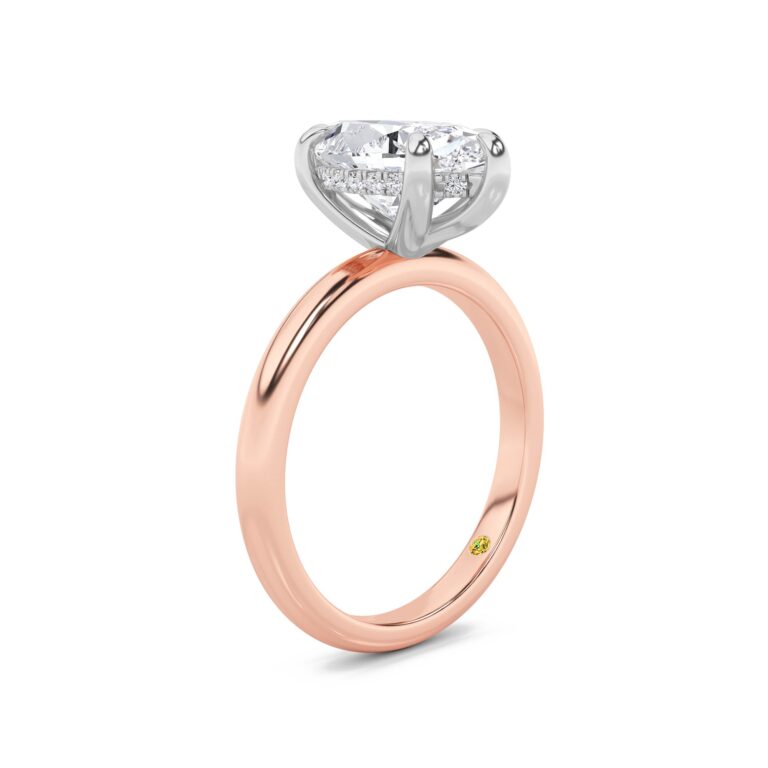
Buying fine jewelry for the first time triggers massive financial stress. You want to give a stunning symbol of your love, but the fear of making a bad financial choice can freeze you in place. Stressed couples sit in my showroom every single week asking me one clear question: Are lab diamonds worth it when building a forever ring?
Over my 35 years at the jewelry design bench, I have watched the diamond market transform completely. Continuing my family’s third-generation legacy in the trade, I have guided thousands of buyers away from bad retail traps. Looking at the hard math and the real science, you quickly see that choosing a lab-grown gem set in solid gold, the perfect base for affordable engagement rings, is the smartest luxury move you can make today.
What Makes a Stone a Smart Purchase?
When couples look at rings, they always ask if lab diamonds are worth the money. I constantly teach my clients the vital difference between a smart buy and a stock asset. For three decades, I have watched couples stretch their bank accounts dangerously thin.
They buy a tiny mined diamond purely because a pushy salesman called it an investment. Here is the hard truth legacy jewelers try to hide from you. Diamonds of any origin almost never go up in resale value over time.
A true financial investment pays you back with a cash profit much later. A smart buy gives you significantly more physical value than what you paid today, proving exactly what makes an affordable diamond engagement ring look luxurious. You keep your hard-earned cash safely inside your bank account where it belongs, and you get a bright, beautiful gem to wear for fifty years.
The Memo-Pad Retail Markup Illusion
To understand true gem worth, we must look behind the traditional retail counter. Big stores rarely own the mined diamonds sitting inside their glass cases. Instead, they use an expensive credit system called the memo-pad network.
Middlemen loan these stones to the store at a very high interest rate, so the retailer must bake a massive 40% holding tax into the price tag. You are not paying for the actual carbon inside the gem. You are paying for the store’s high rent, insurance, and middleman fees.
When you buy directly from a lab, this messy credit network vanishes entirely. We cut out the greedy middlemen completely to protect your family budget when crafting your custom engagement rings.
The Instant Depreciation Cliff
Legacy salesmen promise that mined diamonds hold their market value forever. This claim is a clever math trick designed to close a fast sale. The moment you walk out the door with a mined stone, the markup evaporates.
That 40% middleman tax disappears into thin air instantly. If you try to sell that exact same ring tomorrow, you face a bad surprise. You will lose roughly half of your money on the open market. Once you realize this loss, asking if lab diamonds are worth it becomes very simple.
A lab stone skips the steep loss cliff completely from day one, ensuring you never lose ten thousand dollars upfront just to walk out of the store, which is key to finding the best value diamond engagement rings without sacrificing quality.
The 2018 FTC Diamond Ruling
Many buyers worry that man-made stones are fake or synthetic imitations. The Federal Trade Commission (FTC) permanently shut down that false rumor back in 2018. The U.S. government legally removed the word “natural” from the definition of a diamond.
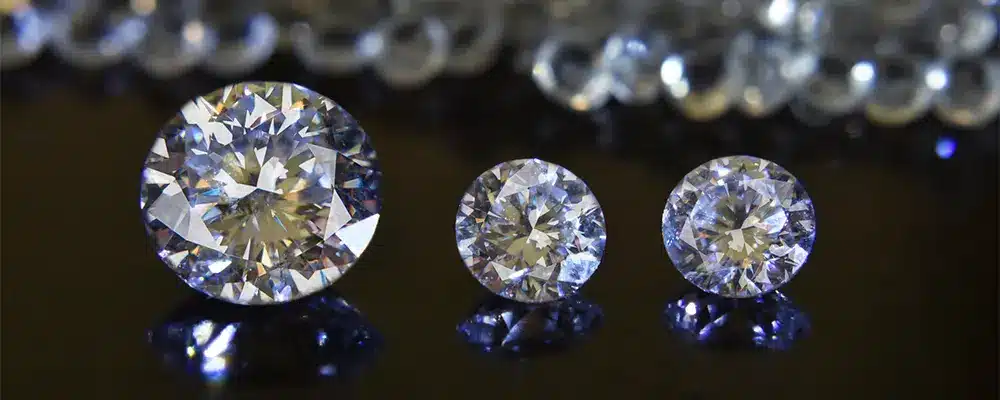
Sitting at my bench, I examine these crystals through my loupe daily. Their bright optical fire is completely identical to stones dug out of the earth. They share the exact same crystal lattice down to the tiny atom.
Because a lab stone grows inside a clean room, it skips the dark mining chain entirely. This clean space stops the brown tints often found in cheap mined gems, giving you a legally recognized, pure diamond perfect for a classic solitaire engagement ring.
The Earth Excavation Reality
Old marketing tries to convince you that mined gems hold pure natural romance. Let us look at the hard physical reality of digging stones from the earth. Getting a single one-carat diamond requires blasting through two hundred and fifty tons of rock.
Giant trucks burn thousands of gallons of fuel to haul that heavy rubble away. This violent process leaves massive craters visible from outer space. There is nothing romantic about destroying wild forests to find a carbon crystal.
Our clean growth rooms sit quietly inside organized, highly modern tech parks. You get a pristine gem without carrying the heavy guilt of earth destruction, whether you prefer sleek, modern silhouettes or vintage style engagement rings.
The Type IIa Purity Secret
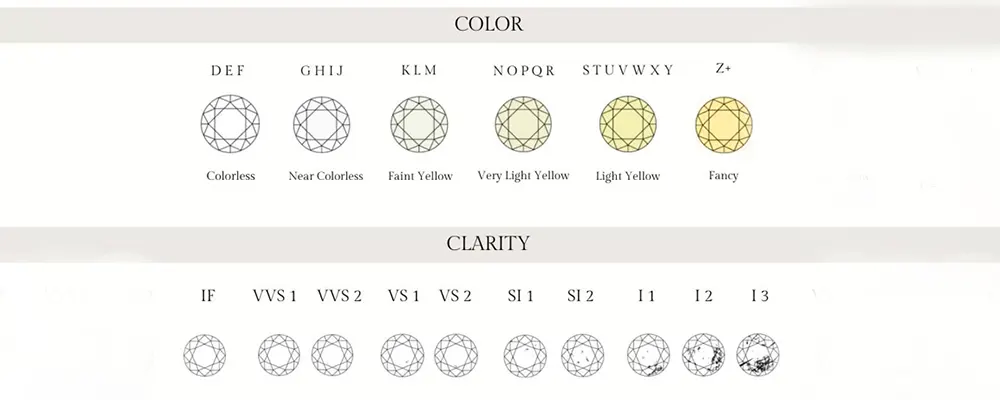
Big stores often train their staff to treat lab gems as cheap copies. This brings us to a funny scientific truth in the diamond trade. In the real world, diamonds are graded into strict purity tiers.
The absolute highest, most rare tier is called Type IIa carbon. These rare crystals contain zero nitrogen atoms, giving them a pure icy look. The famous British Crown Jewels are made of Type IIa historical gems.
Only one or two percent of all mined diamonds achieve this rare grade. Because of this extreme physical rarity, natural Type IIa stones cost millions of dollars.
Why Lab Gems Secure Elite Purity
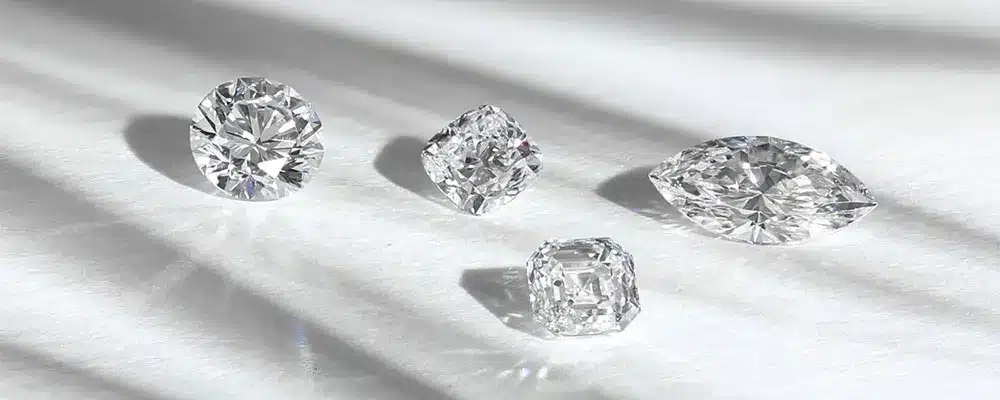
Here is the amazing bench secret that flips the jewelry market upside down. Almost every high-quality lab diamond achieves Type IIa purity by default. Because we grow them using pure carbon gas, bad nitrogen cannot get trapped inside the crystal lattice.
When you buy a lab gem, you are not buying a cheap fake. You are securing the top two percent of historical gem purity for your ring. You get the exact same crisp, clear light return as a royal crown jewel.
We deliver this high level of physical perfection without the royal price tag, making your stone noticeably brighter across any room, a standard we ensure across our entire selection of lab grown diamond engagement rings.
The Real Math: What Do You Save?
When couples ask me if lab diamonds are worth it, I show them the numbers. Shoppers save between 60% and 85% by skipping the old mining chain entirely. For generations, giant mining groups forced regular families to buy small, cloudy stones.
Our direct growth process completely removes those deep earth digging fees. This extreme efficiency lets your romantic budget stretch much further than ever before.
Look at the standard market savings across our most popular solid gold items:
| Fine Jewelry Piece | Carat Weight | Average Mined Price | Average Lab Price | Your Total Savings |
|---|---|---|---|---|
| Stud Earrings | 1.0 ct tw | $3,000 – $5,000 | $600 – $1,200 | 70% to 80% |
| Solitaire Pendant | 0.5 ct | $1,500 – $3,000 | $400 – $900 | 65% to 75% |
| Engagement Ring | 1.5 ct | $8,000 – $15,000 | $2,000 – $4,500 | 70% to 80% |
| Tennis Bracelet | 3.0 ct tw | $10,000 – $18,000 | $2,200 – $4,500 | 75% to 80% |
| Anniversary Band | 1.0 ct tw | $3,500 – $6,000 | $900 – $1,800 | 70% to 80% |
These numbers clearly prove why man-made stones dominate the fine jewelry market today.
The Hidden Cost of Ring Insurance
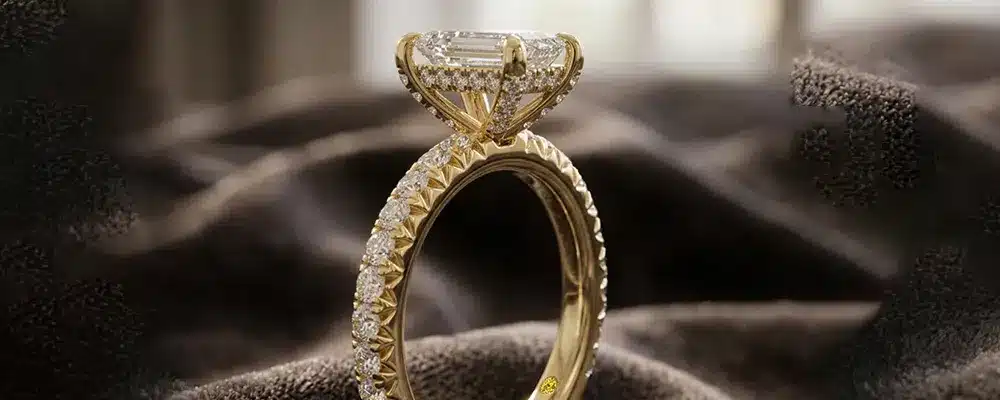
When you evaluate true gem worth, look at your annual bills. Owning a fifteen-thousand-dollar mined ring requires expensive yearly jewelry insurance. Standard policies charge roughly one to two percent of the total appraised value.
You will pay up to three hundred dollars every single year just to cover it. Over ten years, you lose another three thousand dollars in non-refundable insurance fees. Insuring a three-thousand-dollar lab ring costs roughly forty dollars a year.
You save thousands in hidden paperwork costs over the lifetime of the ring, offering fantastic ongoing financial relief for young couples investing in diamond bridal ring sets.
Will It Lose Its Sparkle Over Time?
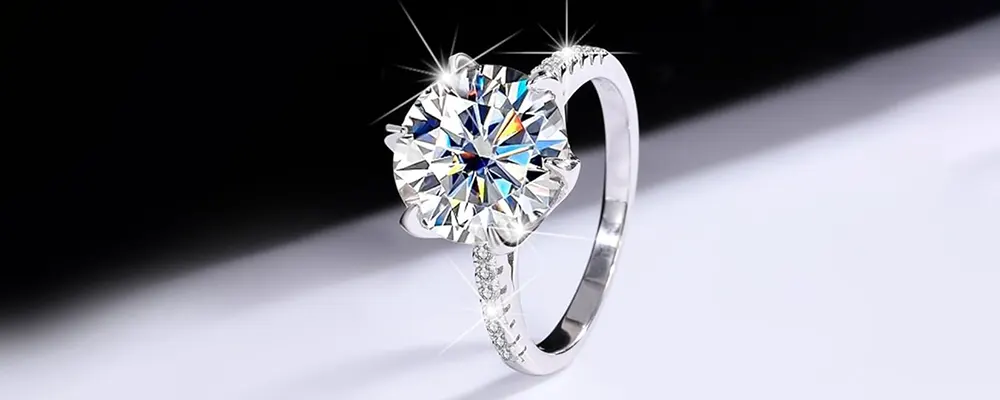
A lab diamond will never lose its sparkle or turn cloudy over time. It scores a perfect 10 on the Mohs hardness scale for physical strength. This top score makes it impossible for the raw crystal to fade.
Many shoppers worry that man-made stones soak up skin oils and turn dull. I reassure my clients that pure carbon cannot absorb body lotion or perfume. Its internal mirror system remains perfectly intact for the next thousand years.
You can wear your ring while gardening, washing dishes, or doing heavy chores safely. The internal atomic facets will bounce crisp white light permanently without degrading.
How Daily Grime Tricks Your Eyes
If your ring looks dull after a few months, do not panic. The diamond itself has not lost a single drop of its original fire. Daily dirt and hand soap simply collect on the gold prongs holding the gem.
This greasy crust blocks the room light from entering the stone’s top windows. A quick five-minute soak in warm soapy water solves this problem instantly. You gently scrub the back prongs with a soft toothbrush to remove the grease, as detailed in our complete guide on how to clean your engagement ring.
This simple wash unblocks the light windows and brings back its blinding fire immediately, making your gem look brand new.
The Cost-Per-Wear Freedom
We must examine the psychology of owning fine jewelry to find true worth. When a groom spends fifteen thousand dollars on a mined ring, heavy anxiety follows. His bride becomes terrified of wearing such an expensive asset in public.
She leaves it sitting hidden inside a dark safe while traveling or swimming. She takes it off at the gym so she does not lose a small fortune. When you ask if lab diamonds are worth it, look at her daily freedom.
A stunning three-thousand-dollar lab ring removes this heavy burden completely. She wears her sparkling masterpiece every single day with total peace of mind. True luxury means enjoying your beautiful jewelry without living in constant fear, which is why so many modern brides choose our lab created diamond bridal sets.
The Smartest Way to Spend Savings
You save thousands of dollars upfront by choosing a clean lab gem. The smartest financial move you can make next is putting a tiny fraction of those savings into the ring itself. Do not pocket every single dollar and settle for a weak, flimsy setting.
Instead, put a little extra budget toward a thick, solid gold mounting, taking inspiration from our breakdown of engagement ring settings & shanks. By treating the gold foundation as a true luxury priority, you ensure your custom ring feels heavy and remains completely secure for decades of active daily wear.
The Best Pieces to Buy First
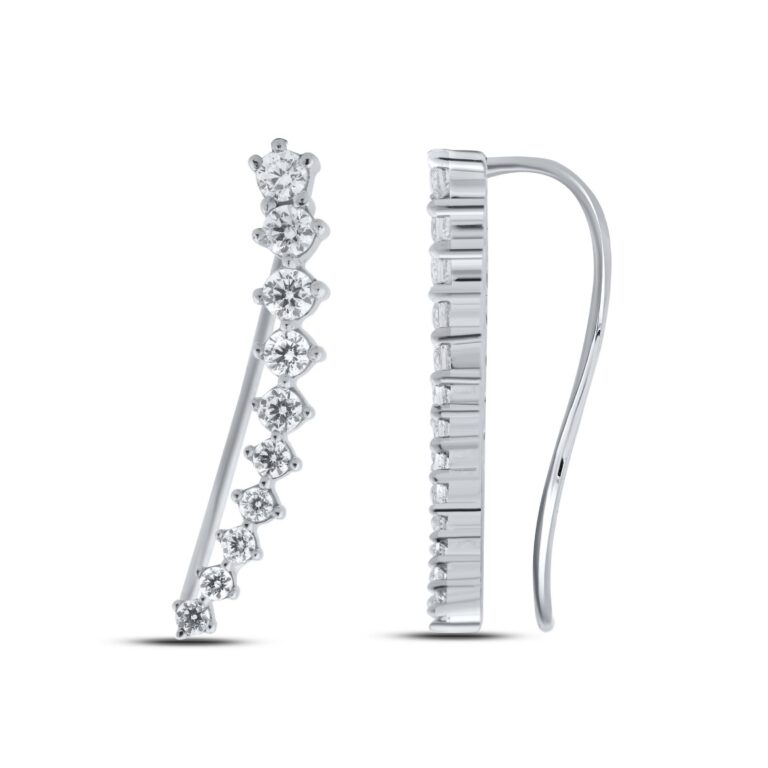
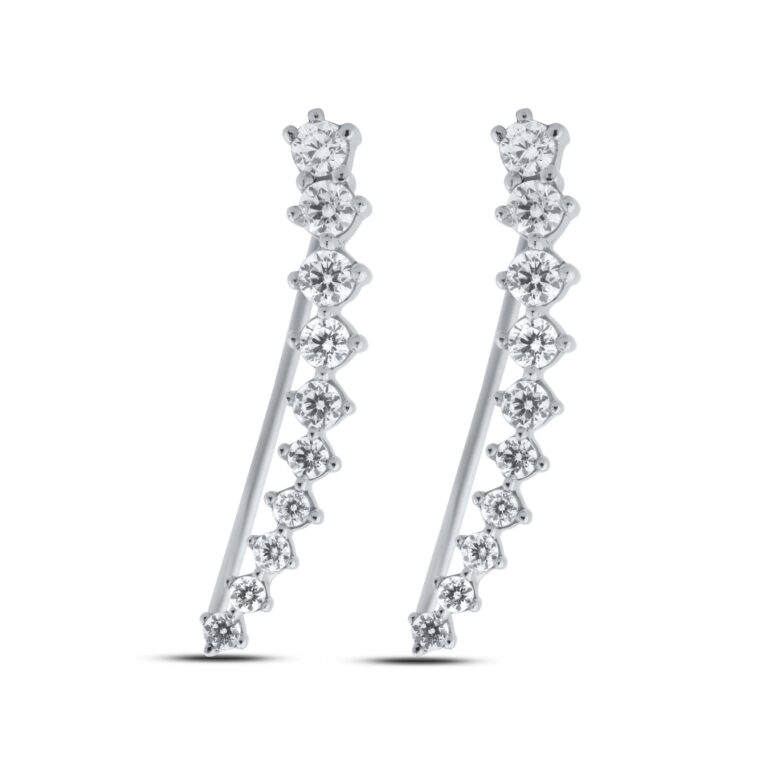
If you feel uncertain, start your collection with classic diamond studs or a simple solitaire pendant. I always guide hesitant first-time shoppers toward these two foundational staples. They do not require exact finger sizing, which removes all stressful guessing completely.
A pair of bright white gold studs frames your face with wonderful light. Because these items sit safely up on your ears or neck, they avoid the hard accidental knocks against doors that rings suffer daily. Starting your journey with a simple necklace from La Joya’s solitaire collection delivers elite luxury with zero stress.
You experience the lifetime fire of a real diamond on your own terms. To begin creating your own unique legacy, click here to design your own engagement ring with our master bench jewelers.