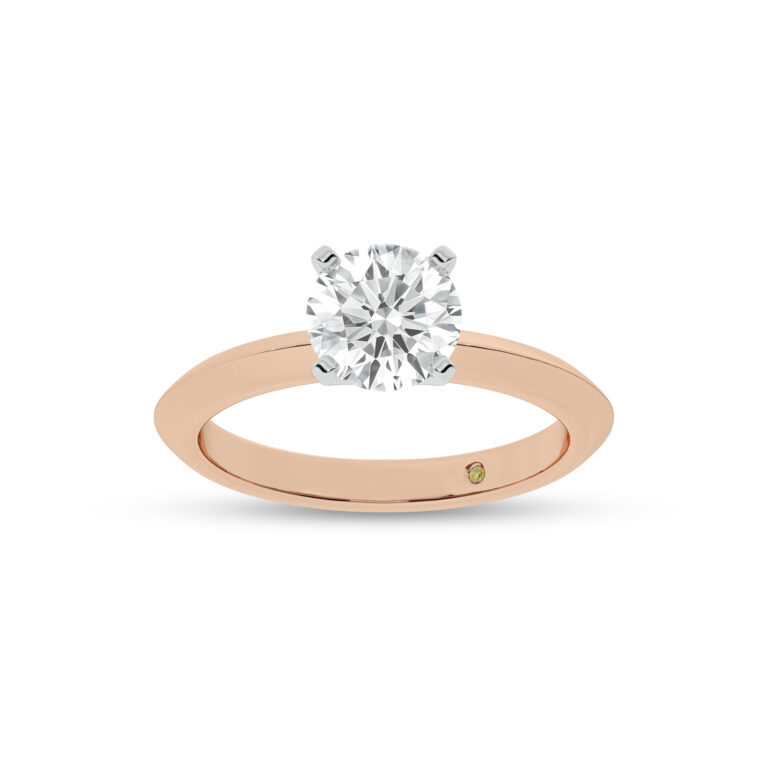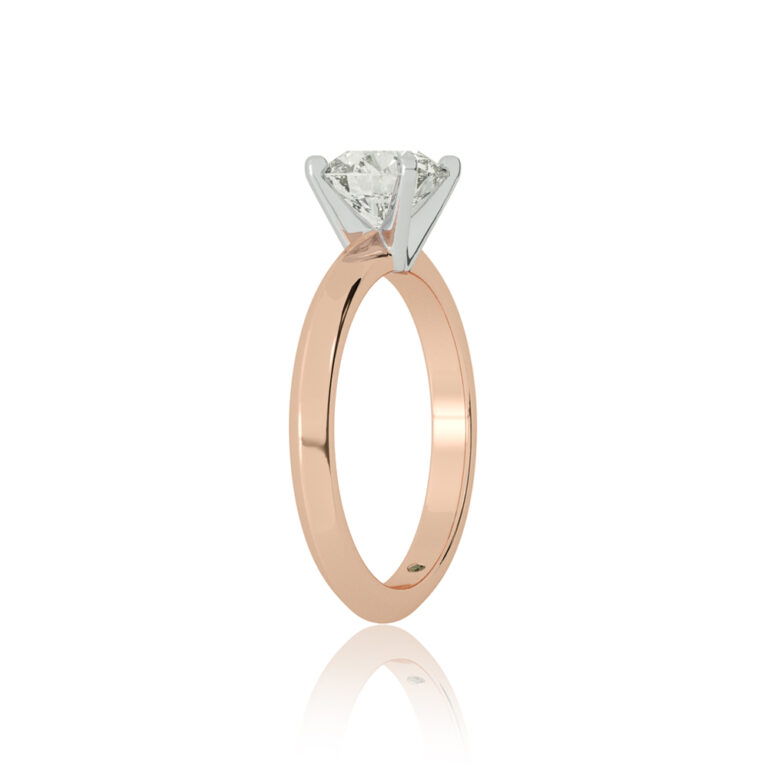
Shopping for a diamond ring often feels highly stressful. Many buyers want huge sparkle but have strict financial limits. This forces a tough choice between physical size and visual clarity. Understanding lab grown solitaire engagement ring benefits solves this problem quickly. You no longer need to sacrifice beauty for cost.
Modern lab creations are the smartest choice available today, especially when compared to other styles like a solitaire vs. halo ring. We will ignore the usual eco-friendly talking points in this guide. My goal is highlighting the pure optical advantage instead. Thirty years in the jewelry business taught me what truly matters. We will focus entirely on pure visual performance.
What Are The Top 3 Lab Grown Solitaire Engagement Ring Benefits?
The top three lab grown solitaire engagement ring benefits are superior optical clarity, dramatically larger carat sizes, and seamless pairing with classic gold bands.
Over three decades, millions of stones have crossed my desk. I spend my mornings inspecting gems right here in my office. Clients constantly ask how to maximize their ring budget. They often assume mined earth rocks are the only good option. That old belief is entirely false now.
Man-made stones offer incredible visual power today. You get pure icy brilliance without paying huge markups on lab grown diamond engagement rings. Solitaire rings put every ounce of focus on one central jewel. Therefore, that single piece must look absolutely flawless. Going the lab route gives you total control over quality.
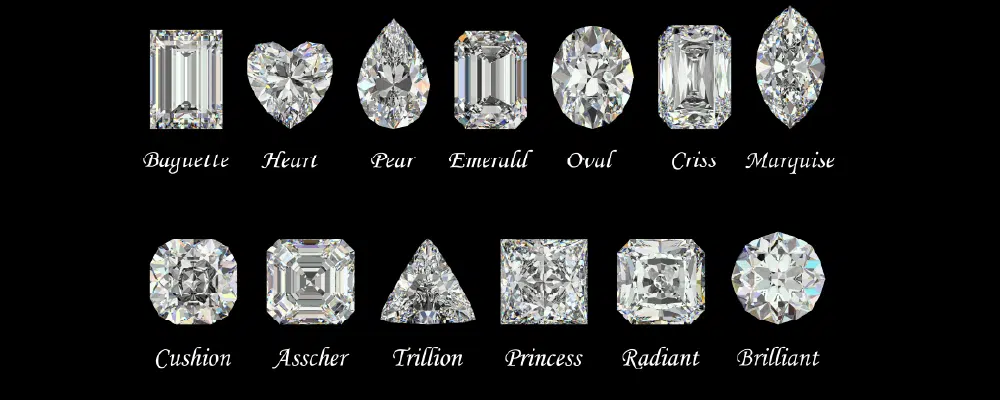
How Does Clarity Impact The Optical Advantage?
Upgrading from a standard SI1 to a VVS1 clarity grade removes internal flaws and allows maximum light return for ultimate brilliance. This simple upgrade is the secret to breathtaking sparkle.
Earth-mined stones usually contain tiny dark specks inside them. Jewelers refer to these natural marks as inclusions, which are fully documented by the GIA as a standard for diamond grading. When light hits an included rock, it scatters in wrong directions. The resulting shine looks dull, dark, or milky.
Choosing a lab-created diamond completely changes the visual game. You can easily afford a nearly perfect crystal structure. Bright light enters the top facets and bounces straight back out. My customers are always shocked by this intense difference. Placing a VVS lab stone next to an SI mined gem is wild.
The sheer colorful fire of the higher grade always wins. Clarity dictates light movement entirely. Flawless stones act like perfect mirrors. Inclusions act like speed bumps for light. Nobody wants speed bumps inside their solitaire engagement ring.
Why Do Lab Grown Diamonds Allow For Larger Carat Weights?
Producing diamonds in a high-tech facility costs much less, meaning buyers can secure stones twice the size of mined equivalents for the exact same price.
Everybody notices a massive gem right away. Solitaire styles rely heavily on size to make a strong physical statement. A tiny pebble gets lost on a normal finger. If you insist on mined rocks, your cash might only buy one carat. Switching to a lab alternative pushes that easily to two or three carats.
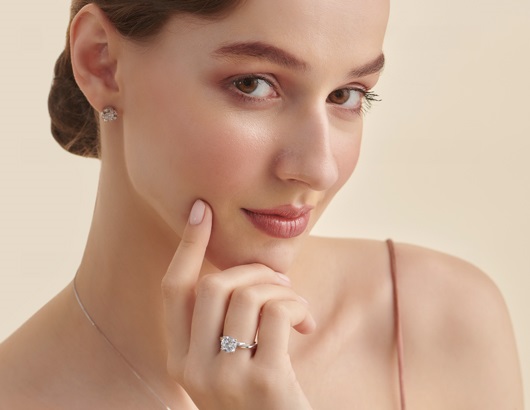
You can see the visual size comparison on the hand to understand the impact of that extra millimeter spread. More top surface area means much bigger flashes of light. Handing a client a massive, sparkling piece feels incredible. They finally get their dream size without feeling financial guilt.
Millimeters matter immensely here. A one-carat stone measures about six and a half millimeters across. Two-carat options push past eight full millimeters. That visual spread is instantly noticeable from across a room.
How Do Lab-Grown Diamonds Compare to Gold Settings?
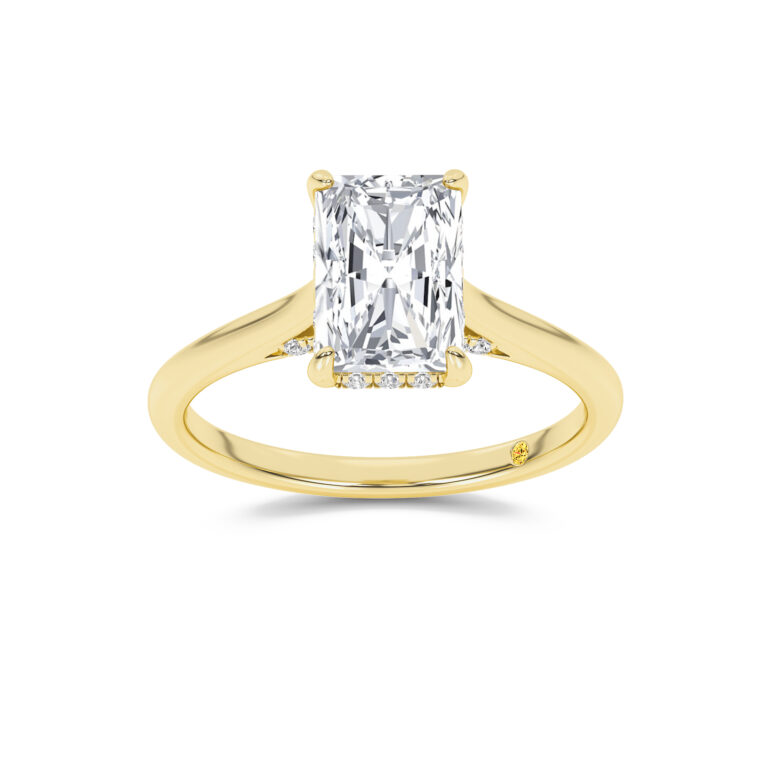
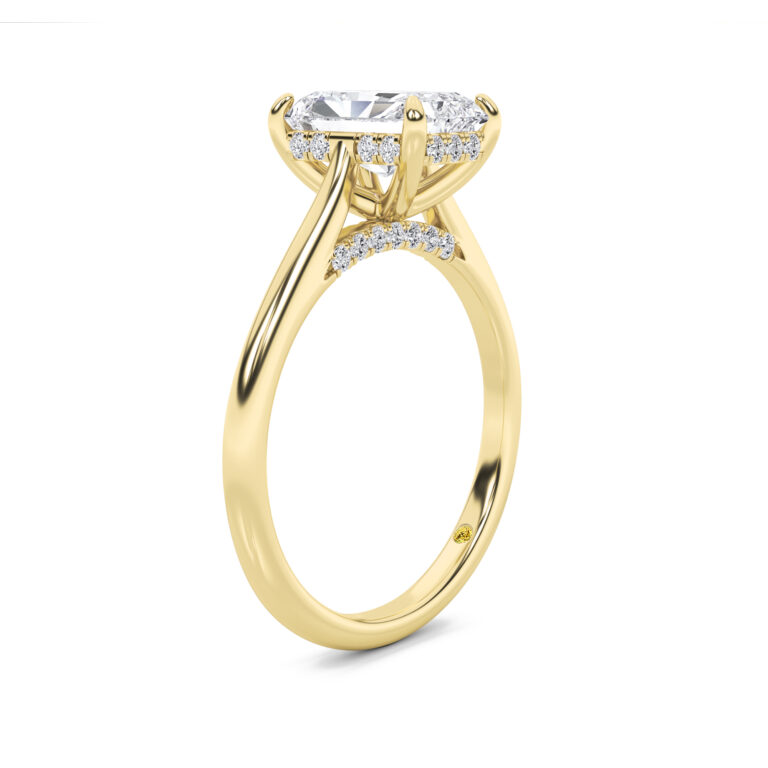
Lab-grown diamonds pair perfectly with 14k and 18k yellow, white, and rose gold settings to create durable and visually striking jewelry.
Picking the right metal base is very important. I strictly recommend solid gold alloys to all my buyers. White gold provides a very sleek, modern, icy appearance. Yellow gold delivers a warm, traditional, and timeless glow. Rose gold gives off a uniquely romantic and vintage vibe.
You can explore the differences in our rose gold vs yellow gold solitaire guide. These specific metals are incredibly easy to polish and maintain. Strong prongs made of 14k gold hold large centerpieces very securely. Whether you choose a 4-prong vs 6-prong solitaire, a brightly polished gold band draws your eye directly up to the main gem.
| Feature | Traditional Mined Diamond | Lab-Grown Diamond | Optical Result |
| Carat Weight | 0.90 ct | 2.10 ct | 133% larger surface area |
| Clarity Grade | SI1 (Slightly Included) | VVS1 (Very Very Slightly Included) | Flawless light return |
| Color Grade | H (Near Colorless) | E (Colorless) | Pure icy white flash |
| Metal Base | 14k Solid Gold | 14k Solid Gold | Classic durable band |
What Are The Technical Specs Behind Diamond Brilliance?
Maximum brilliance depends on excellent cut proportions that ensure entering light reflects precisely out the top crown facets.
The cutting process is the most vital factor for beauty. A poorly shaped crystal will always look dark and lifeless. Lab gems are almost always cut to absolute mathematical perfection. Cutters do not need to save raw weight like they do with expensive mined rough. They willingly grind away material to hit perfect angles.
This practice results in ideal cuts that maximize fire and scintillation. Fire describes the little rainbow colors you see flashing. Scintillation means the black and white sparkle when the ring moves. You want both of these distinct traits acting together.
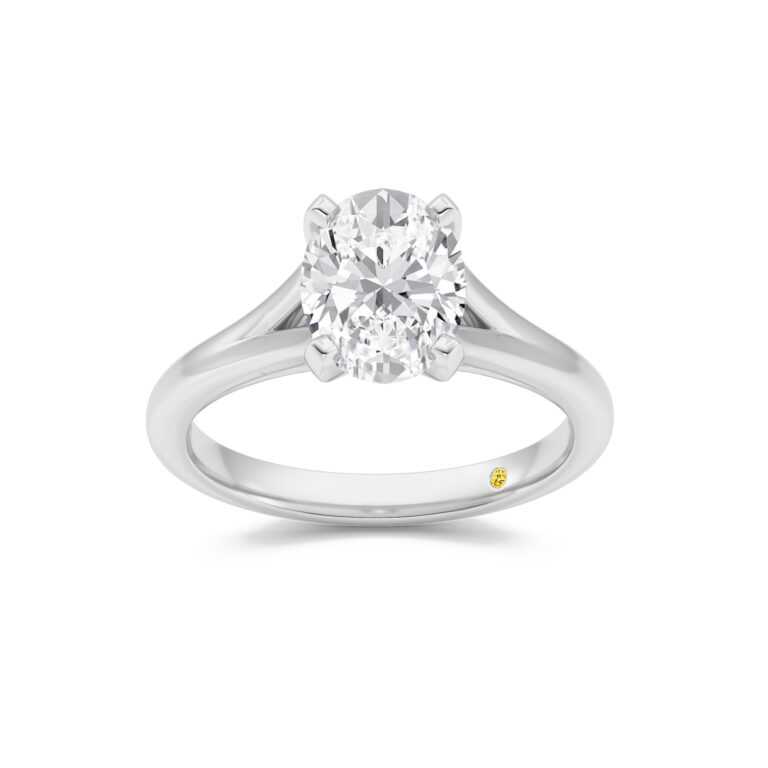
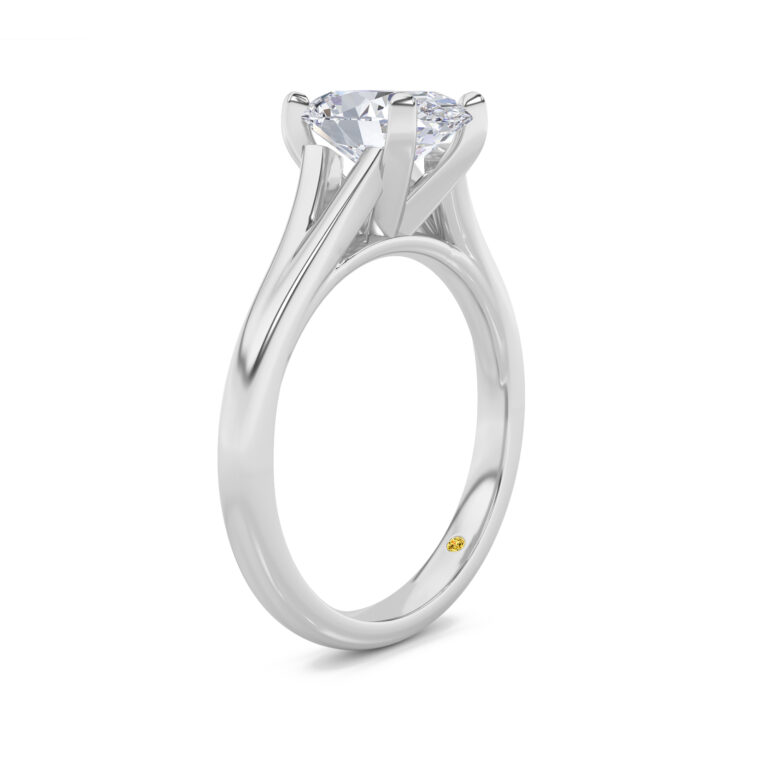
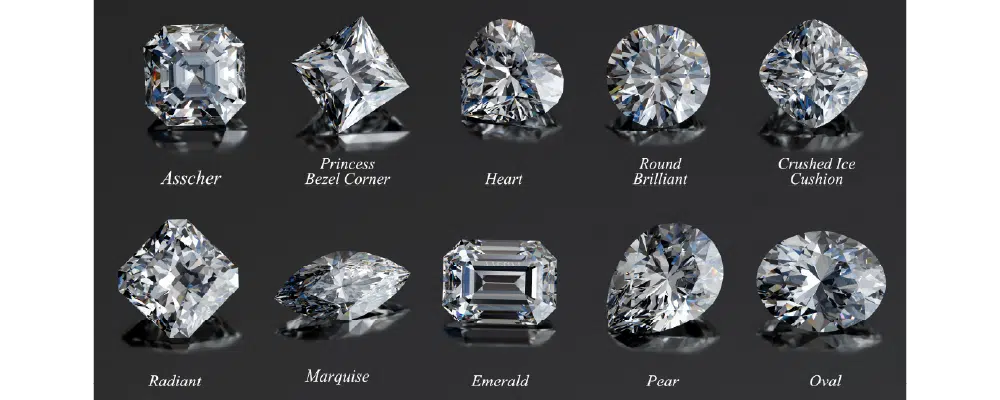
This is why many find that the oval solitaire engagement ring is a smart choice for maximizing visual spread. Experiencing these lab grown solitaire engagement ring benefits in person is truly thrilling. The raw optical performance easily crushes standard earth-mined options.
Are There Hidden Market Insights About Diamond Pricing?
Retail margins on traditional earth diamonds are heavily inflated by middleman costs, whereas lab-created gems travel a much shorter and highly efficient supply chain. This hidden secret changes everything for average buyers.
You instantly stop paying for endless marketing hype. Instead, your hard-earned cash goes directly into the physical beauty of the rock. Sitting quietly in my office, I review wholesale price lists daily. The cost drop in lab stones over recent years is simply amazing.
Shoppers finally hold real purchasing power to design your own engagement ring with a centerpiece that truly shines. You can easily demand a flawless, massive stone right now. Smart money always goes toward what human eyes can actually see. Nobody can read a grading certificate from across a crowded room.
They only notice the blinding sparkle of a perfectly cut jewel. Old diamond supply chains involved miners, rough brokers, cutters, wholesalers, and final retail stores. Everyone took a massive cut along the way. Lab supply chains skip most of those painful steps. Growers sell almost directly to the final cutting facilities.
How Does Gold Enhance The Center Stone Over Time?
Solid gold bands resist extreme daily wear while maintaining a rich surface luster that continually reflects light up into the bottom of the diamond.
Gold is an extremely reliable choice for daily jewelry. It rarely bends or warps under normal wearing conditions. White gold might need a quick rhodium dip every few years. Yellow gold stays beautifully yellow forever with simple polishing cloths. Rose gold actually deepens in character as time goes on.
I love seeing old gold rings come back for simple cleanings. They always look fantastic after a fast steam bath. Keeping your gold clean ensures the main stone stays well-lit from below.
Conclusion
Making an intelligent ring choice is easier than ever before. Understanding the full scope of lab grown solitaire engagement ring benefits transforms how you shop forever. You secure a larger, clearer, and infinitely more brilliant stone for your money. These flawless gems look absolutely incredible in rich gold settings. Give yourself the amazing gift of ultimate optical performance.