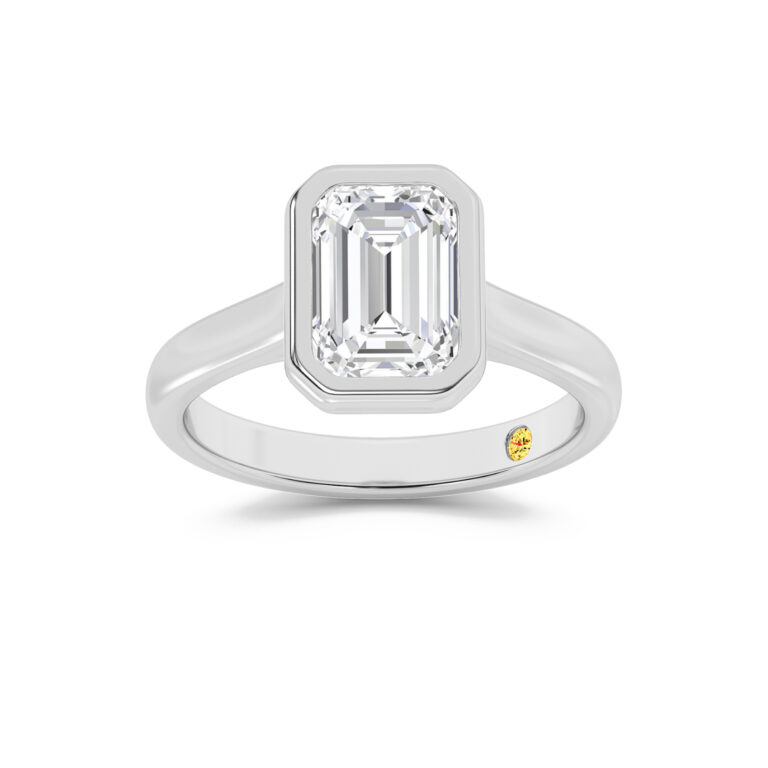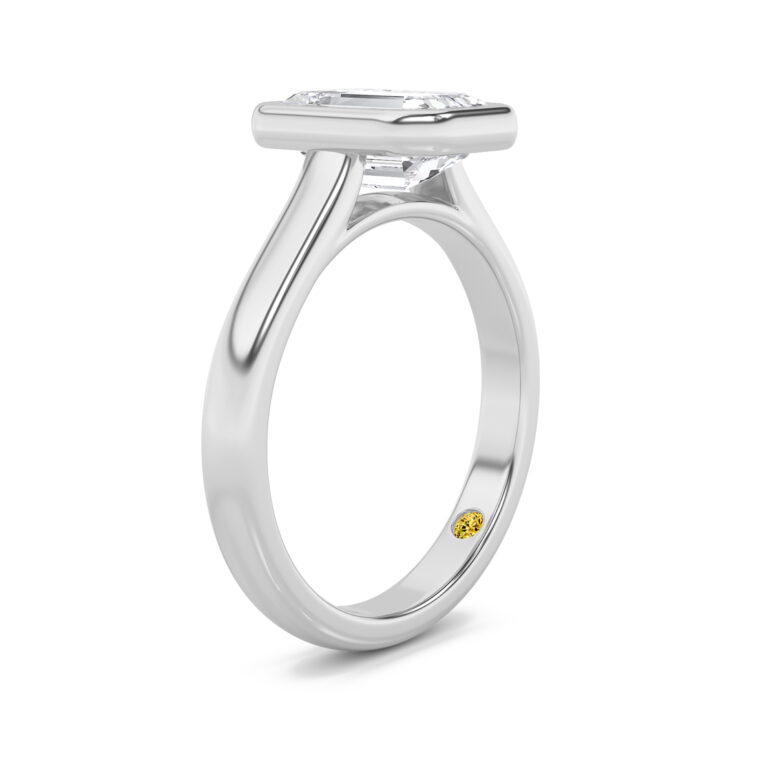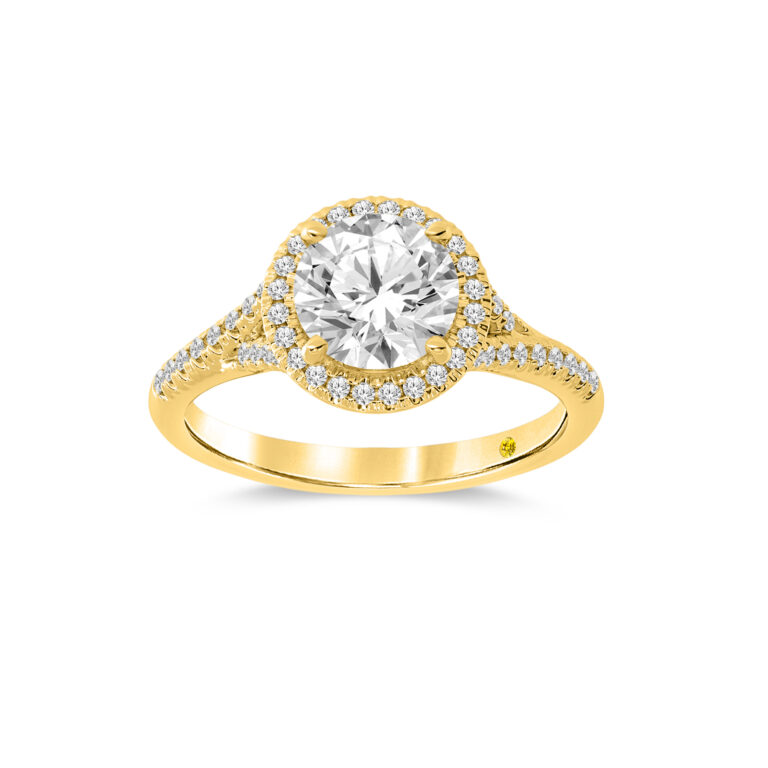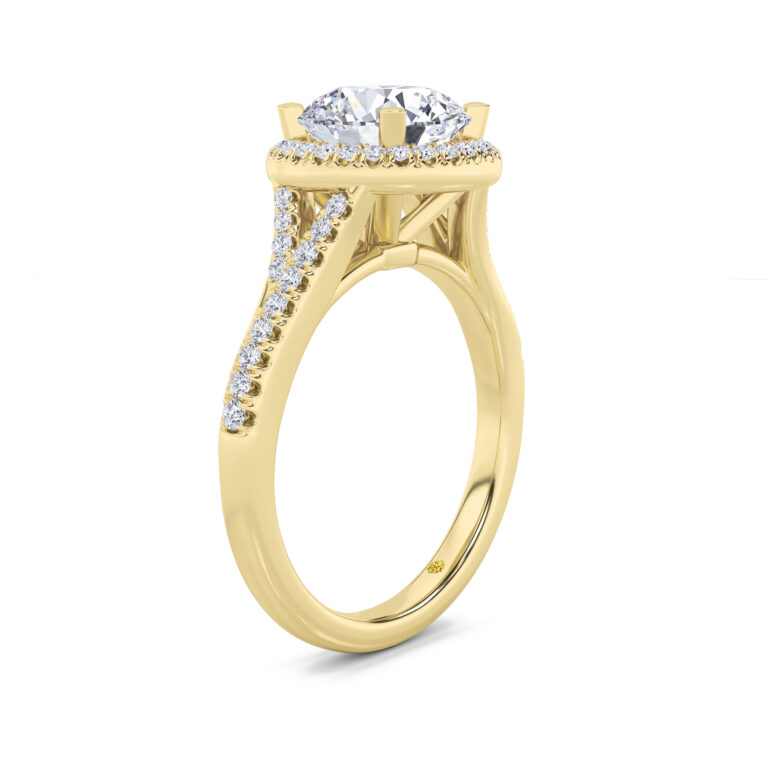
Selecting the right foundation for your diamond is a decision that dictates not only the ring’s beauty but its daily wearability. When clients visit my office, the debate between a Tiffany vs cathedral setting engagement ring is one of the most common discussions we have.
In my 35 years of manufacturing fine jewelry, I have found that both of these timeless styles offer distinct architectural and visual benefits. By opting for a premium lab-grown diamond, you can focus your investment on these iconic solid gold mountings, ensuring your center stone is perfectly showcased

What Is a Cathedral Setting?
A cathedral setting is named after the sweeping metal arches that rise from the band to meet the center diamond, much like the arches of a great cathedral. In my experience, this design is the premier choice for those who want a formal, structural look that adds a sense of grandeur to the ring.
The arches don’t just add height; they also provide a protective frame that can shield the diamond from side impacts. Lab-made diamond engagement rings in cathedral settings often feel more substantial and “old-world,” making them a favorite for vintage-inspired designs.
What Is a Tiffany Setting?
The Tiffany setting, popularized in 1886, is the gold standard for minimalist elegance. It uses six slim prongs to lift the diamond high above a simple knife-edge band, creating a breathtaking “floating” effect. Because the structure is so open, it allows the maximum amount of light to enter and exit the stone, which maximizes brilliance.
Consequently, lab diamond engagement rings in this setting are all about the diamond—there are no arches or extra metalwork to distract from the stone’s fire. It is the ultimate choice for purists who want a clean, contemporary silhouette.

The Hidden Logistics: Ring Stacking and Comfort
When evaluating these two iconic styles, you must look beyond the center diamond and consider how the ring will interact with your daily life and your future wedding band.
The Wedding Band Gap: A classic Tiffany-style solitaire features prongs that flare outward directly from the base of the band. Because of this outward flare, a straight wedding band cannot sit completely flush against it, leaving a small, unavoidable gap between the rings. If a perfectly flush stack is your goal, a cathedral setting is often the superior choice. The sweeping arches of a cathedral design allow the center basket to be lifted, creating the precise clearance needed for a wedding band to slide neatly underneath.
The Knife-Edge Factor: The traditional Tiffany setting is famous for its “knife-edge” band—a structural design where the gold tapers to a sharp ridge along the outside. This optical illusion makes the band look incredibly delicate and draws the eye up to the diamond. However, some wearers find the sharp ridge less comfortable between their fingers during daily wear. Cathedral settings, by contrast, typically utilize a standard half-round or European shank, offering a smoother, more traditional comfort fit.
Quick Reference: Cathedral vs. Tiffany Architecture
| Feature | Cathedral Setting | Tiffany Setting |
|---|---|---|
| Visual Aesthetic | Architectural, grand, and formal. | Minimalist, floating, and highly contemporary. |
| Structural Security | High; sweeping metal arches act as protective buttresses against side impacts. | Moderate; open prongs leave the stone slightly more exposed. |
| Wedding Band Fit | Can be engineered to allow a straight wedding band to sit completely flush. | Typically creates a slight gap when paired with a straight band. |
| Light Performance | Excellent, though metal arches can block a small amount of side light. | Maximum; the open basket allows light to strike the pavilion completely unobstructed. |
| Cleaning Access | Requires attention; dirt and lotions can become trapped beneath the arches. | Exceptionally easy to clean at home due to the completely exposed basket. |
Which Setting Is More Secure and Practical?
Security and maintenance are key factors to consider when choosing between these two styles. The cathedral setting is generally more secure for those with active lifestyles because the arches provide extra metal support around the stone. However, those same arches can trap dirt and lotions, making it slightly more difficult to clean at home.
On the other hand, the Tiffany setting is much easier to maintain due to its open design, though its exposed prongs make it slightly more vulnerable to lateral bumps. For most lab-grown engagement rings, I recommend a regular inspection to ensure the prongs remain tight, adhering to the GIA’s official guidelines for diamond ring care
How to Choose the Best Setting for Your Budget
The smart way to choose between a cathedral and a Tiffany setting is to look at the total value of the ring. Cathedral settings often require more gold and more intricate labor, which can make the mounting slightly more expensive. Because the Tiffany style is simpler, it is often more affordable as a setting, allowing you to put more of your budget into a larger lab-grown diamond.
In my professional view, both options offer a sophisticated way to showcase a lab-made diamond engagement ring, and the “best” choice is simply the one that resonates with your personal sense of style and daily routine.

Conclusion
Ultimately, choosing between a Tiffany vs cathedral setting engagement ring boils down to a thoughtful preference for architectural drama versus minimalist sparkle. By selecting a lab-made diamond in a high-quality solid gold setting, you are choosing a path of both intelligence and beauty. I believe that a well-chosen, expertly engineered gold foundation is the perfect stage for a love that will shine for a lifetime.