Buying a diamond engagement ring is one of the most important choices you will ever make, and the pressure to get it right can feel huge. You want a ring that takes her breath away, but the sheer amount of technical details can be overwhelming. I created this diamond carat guide to give you clear, expert answers based on decades of real-world experience.
By understanding exactly how weight and size work together, you will feel completely confident making this major purchase.
What Is a Diamond Carat?
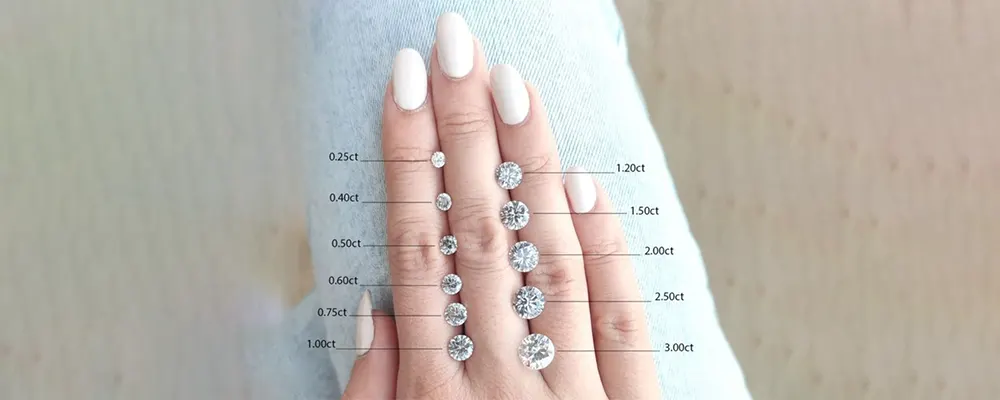
A carat is a unit of mass used to measure gemstones, with one metric carat equaling exactly 200 milligrams or 0.2 grams.
I explain this to clients very week because many people mistakenly believe a carat measures how wide a stone is. Over my 35 years in the jewelry business, I have seen buyers fixate on a specific number without knowing how it translates to the real world.
The term ‘carat’ originates from the carob seed, which early gem traders used as a counterweight because of their surprisingly uniform size. However, to eliminate global differences, the Gemological Institute of America (GIA) and other international bodies standardized the metric carat in 1907. Today, one universally recognized metric carat is exactly equal to 0.2 grams.
To make things even more exact, the industry divides a single carat into 100 “points.” Because of this, a 1.50-carat diamond is exactly 150 points. Because even a fraction of a milligram can change the value of a stone, precision is totally non-negotiable. Understanding this need for strict precision is exactly why I included lab certification in this diamond carat guide.
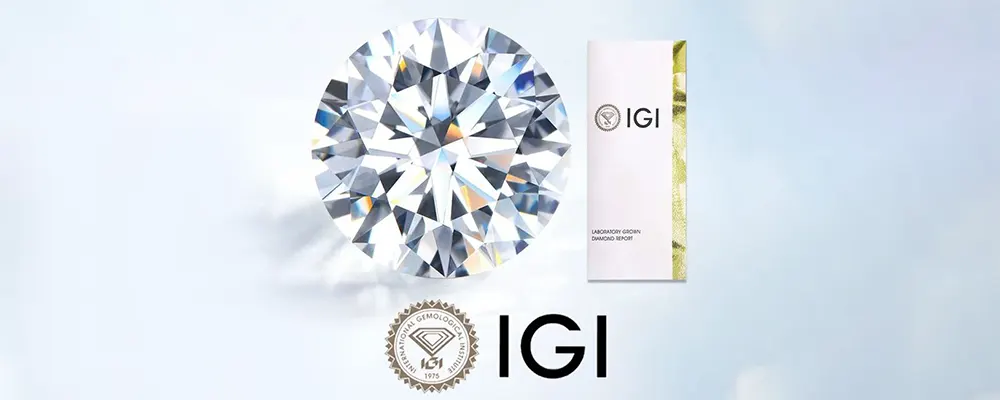
Our collections are strictly evaluated by premier independent laboratories like the International Gemological Institute (IGI), who utilize highly calibrated micro-balances to measure a diamond’s weight down to the hundredth—and sometimes thousandth—of a carat.
This guarantees that a 2.00-carat La Joya diamond is a true 2.00-carat, with absolutely no rounding up.
How Does a Diamond’s Cut Affect Its Visual Size?
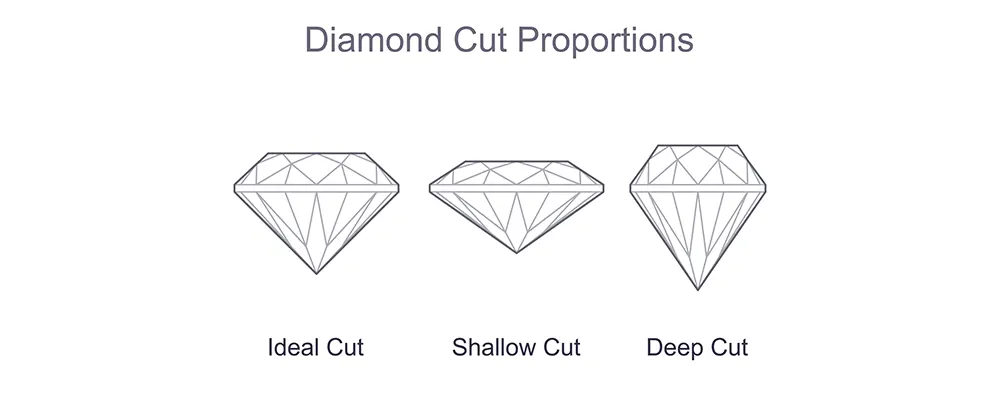
The cut of a diamond determines its “spread,” or how large the stone appears when viewed from the top down. I often show couples two stones of the exact same weight to prove that cut is just as important as the carat itself. While this is true in theory, seeing it in person is a completely different experience.
If a cutter leaves too much weight in the bottom, known as the pavilion, they artificially boost the carat weight. Consequently, that extra weight is hidden deep inside the 14k or 18k gold setting, doing nothing for the ring’s beauty. A poorly cut 2.00-carat diamond can actually look smaller than an expertly cut 1.75-carat diamond.
A masterfully cut diamond maximizes the “face-up” spread, reflecting light perfectly while looking as large as possible. As an added bonus, a great cut gives you brilliant sparkle along with that impressive size.
What Is the “Buy Shy” Diamond Strategy?
The “buy shy” strategy involves purchasing a diamond that falls just below popular, whole-number carat weights to secure a lower price.
Sitting across the desk from buyers for three decades, I have found this to be the single best insider secret for getting maximum value. Diamond prices jump sharply at half-carat and full-carat milestones, which we call “magic numbers” like 1.00ct, 1.50ct, and 2.00ct.
To outsmart the market, I teach my clients to look for “off-size” or “shy” diamonds, such as a 1.45ct or a 1.90ct stone. Visually, a 1.90ct and a 2.00ct look exactly the same to the naked eye. Despite this identical look, the price difference is massive.
Mastering this price gap is the most profitable skill you will learn from this diamond carat guide. Because of this trick, you can invest those massive savings back into a stunning 18k white gold setting or a higher clarity grade.
Which Diamond Shapes Look the Largest?
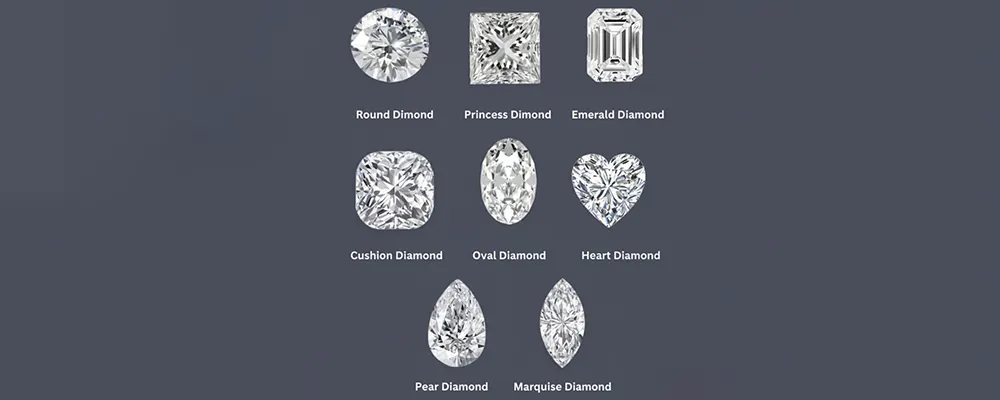
Elongated diamond shapes possess a larger surface area on top compared to round shapes of the exact same weight.
I love showing this optical trick to clients in my office, as it instantly changes how they view different rings. To achieve this look, you should consider shapes like Ovals, Pears, Marquises, and Emerald cuts. Because these shapes stretch out across the finger, they appear much larger than a Round Brilliant of identical mass. Consequently, you get a larger-looking stone for the exact same carat weight.
This shape multiplier effect is a wonderful way to stretch your budget while still getting a truly premium, heavy stone.
| Diamond Shape | Face-Up Size Impression | Best Feature for Buyers |
| Round Brilliant | Standard | Offers maximum sparkle and a classic, timeless appeal. |
| Oval Cut | Up to 10% Larger | Elongates the finger beautifully for a highly flattering look. |
| Pear Cut | Up to 15% Larger | The unique teardrop shape draws the eye up the hand. |
| Emerald Cut | Up to 5% Larger | The hall of mirrors effect shows off pure, clear beauty. |
| Marquise Cut | Up to 15% Larger | Offers the largest top surface area per carat of any shape. |
Why Are Lab-Grown Diamonds the Smart Choice for Larger Carats?
Lab-grown diamonds provide the exact same chemical and physical properties as mined diamonds, but allow buyers to access much larger carat weights at a premium quality.
My family has been in the diamond trade for three generations, and I can confidently say this is the greatest shift I have ever seen. For generations, buyers had to painfully sacrifice cut, color, or clarity just to afford the carat size they wanted. Lab-grown stones represent the end of this compromise and the ultimate freedom for modern couples.
“Smart Luxury” means you can finally prioritize the breathtaking 2.50 or 3.00-carat size she actually wants, without settling for a dull or heavily flawed stone. When set in high-quality 14k yellow gold or 18k rose gold, a large lab-grown diamond is a brilliant, intelligent choice for the sophisticated buyer.
Conclusion
Finding the perfect ring does not have to be a confusing process of guessing weights and sizes. By using this diamond carat guide, you now have the insider tools to find a beautiful, heavy stone that maximizes your value.
At La Joya Jewelry, our commitment to unmatched craftsmanship and honest guidance ensures your final choice will be nothing short of perfect. We build rings that are meant to last a lifetime, honoring our deep family tradition with every piece we create.