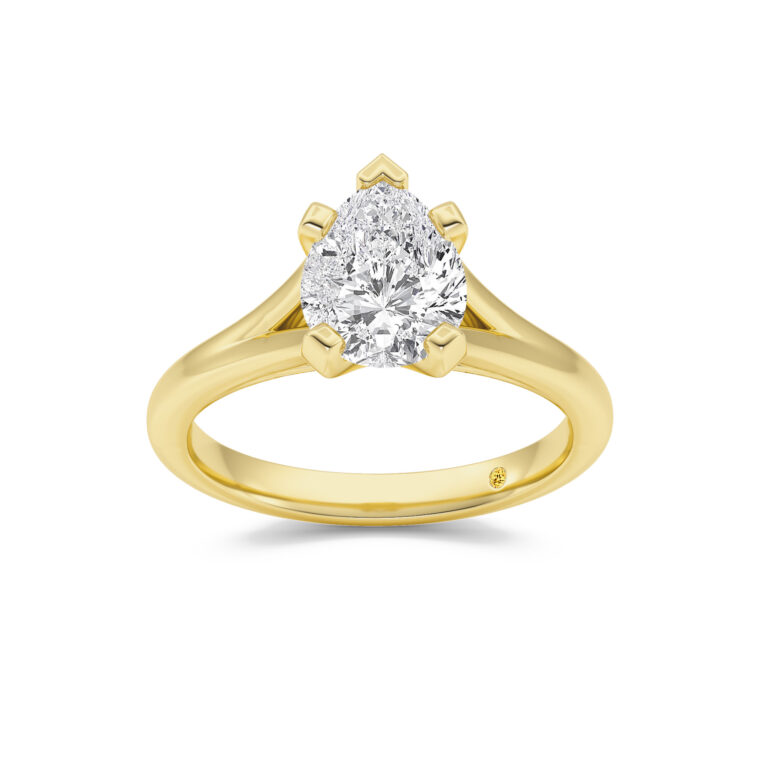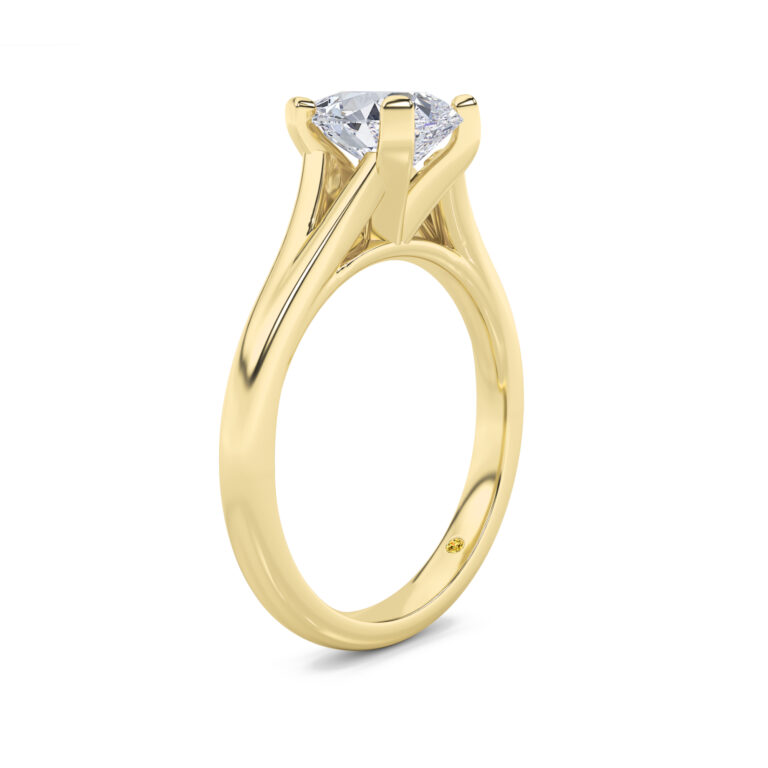
Buying a diamond engagement ring is a massive life choice. The tiny details of a diamond truly define its final beauty. Using a proper diamond cut guide is the smartest way to handle this big purchase. Beyond the carat weight lies the true secret to a diamond’s brilliance: its cut.
While the Gemological Institute of America (GIA) famously standardized the 4 C’s, it is the cut that remains the most complex and critical element. But what exactly is a diamond cut, and how does it influence its beauty?
Let’s decode the language of diamonds and unlock the dazzling potential of this essential characteristic.
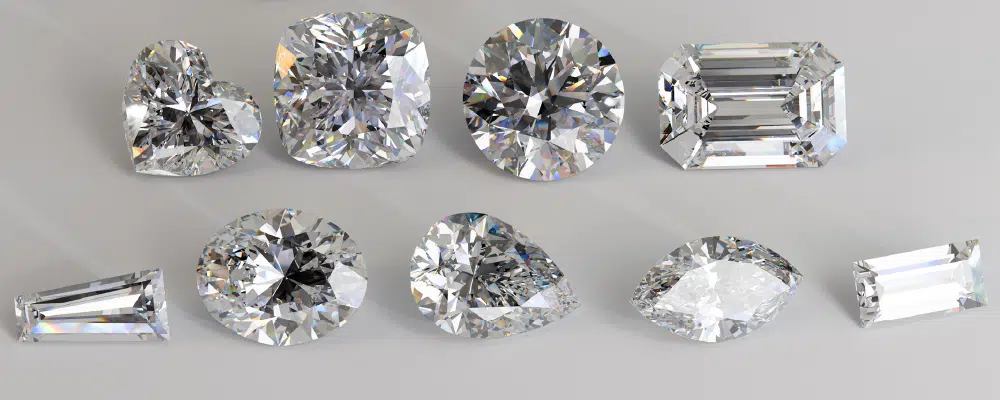
Are Diamond Shape and Diamond Cut the Same?
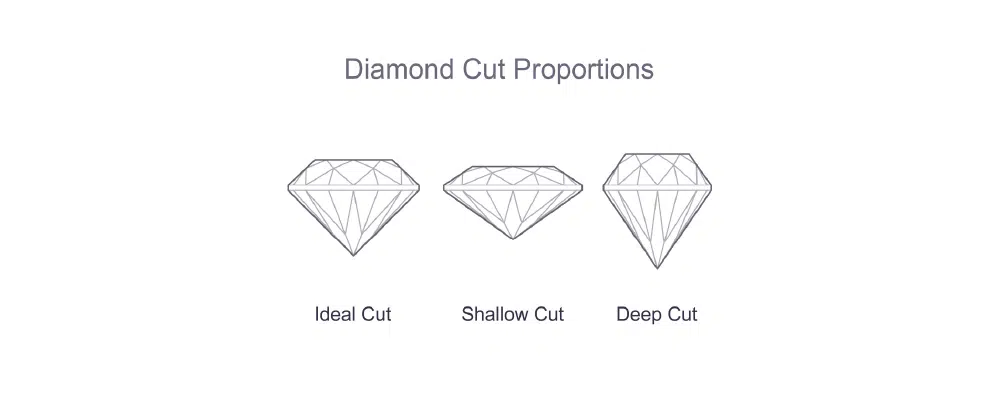
Diamond shape refers to the physical outline of the stone, such as Round or Oval. Diamond cut refers to the precise proportions and angles crafted by an artisan. Because these two terms sound so similar, they are very often confused.
I spend a lot of time clearing this up for my clients. Over my 35 years in the jewelry trade, I see a very clear pattern. Buyers who know this difference make much smarter choices. When I sit down to look at a stone, the cut is always the first thing I check.
An excellent cut bends light to maximize its visual size. Consequently, a bad cut looks completely dull and flat. This remains true even if the stone has perfect color.
For a deeper dive on the types of diamond shapes please refer to our indepth guide on the same
Why is Diamond Cut Essential for Smart Luxury?
Diamond cut is the single most important factor for how a stone reflects light. It dictates the overall brightness and deep sparkle of the gem. Understanding this bright light return is the core of what we call “Smart Luxury.”
In the modern era of premium lab-grown diamonds, a perfect cut is very easy to obtain. Because you do not pay the high markups of mined diamonds, you never have to compromise on quality. As a result, you have the total freedom to pick a stone polished to absolute perfection.
This guarantees maximum light return for your budget. Your jewelry will keep its bright presence for generations.
What Are the Key Visual Effects of a Diamond Cut?
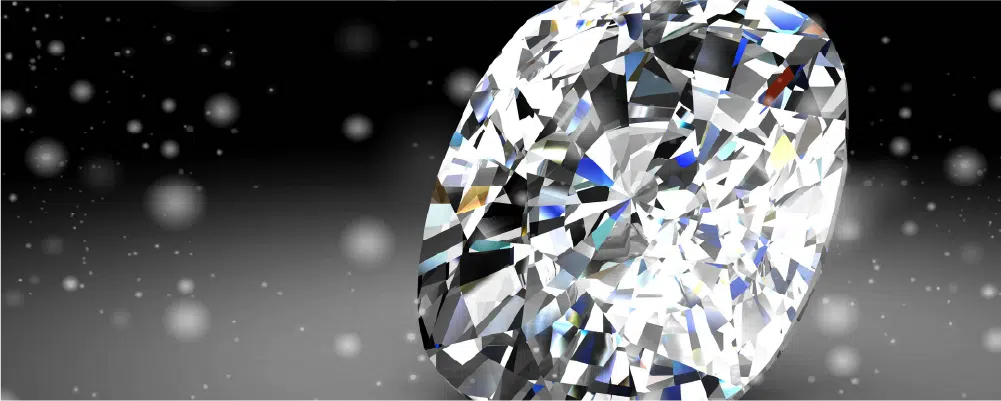
The visual performance of a cut diamond relies on three measured elements: brilliance, fire, and scintillation.
I always remind buyers that balancing these three traits is the true mark of a master artisan. Brilliance is the intense white light reflecting from the inside of the diamond back to your eye. When a stone has high brilliance, it catches your eye from across the room. Along with this bright white light, you also want intense fire.
Fire is the rainbow of colors created when white light splits through the tiny facets.
To complete the final look, scintillation provides a dynamic, flashing sparkle. This quick flash dances across the stone when the jewelry moves. Therefore, a master cutter balances all three elements to create a stunning display.
How Do Artisans Shape Light Through Diamond Anatomy?
A diamond’s sparkle is the direct result of a master cutter shaping specific physical parts of the stone.
I often show clients how these tiny facets act as a complex system of mirrors. Because the angles must be perfect, the cutting process takes massive skill. To help you visualize this strict engineering, here is a clear diamond cut guide to the stone’s anatomy.
| Diamond Part | Technical Function | Practical Benefit |
|---|---|---|
| Table | The large, flat top facet acting as the main window. | Allows maximum light to enter and exit, creating deep brilliance. |
| Crown | The angled top section located right above the girdle. | Bends the entering light to maximize rainbow-colored fire. |
| Girdle | The outer edge or waistline of the diamond. | Provides a secure grip for prongs while stopping edge chips. |
| Pavilion | The v-shaped bottom section below the girdle. | Acts as internal mirrors, bouncing light back up to your eye. |
| Culet | The tiny point at the very bottom of the pavilion. | Stops light from leaking out the bottom when properly closed. |
| Depth | The total vertical height of the whole stone. | Ensures light reflects properly instead of leaking out the sides. |
What Are Common Cut Issues Like the Bow-Tie Effect?
The bow-tie effect is a dark, bow-shaped shadow running across the center of elongated diamonds due to uneven light flow.
While a tiny shadow is normal in Oval or Pear shapes, a severe bow-tie shows a poor cut that blocks light entirely. In my daily quality checks, I strictly reject stones with dark bow-ties. Because long shapes are cut with changing depths, light can easily leak through the center.
By selecting a premium lab-grown diamond with top grades, you avoid these dark spots completely. As an added bonus, the entire top of the stone will sparkle smoothly.
How Does Cut Quality Interact With Gold Settings?
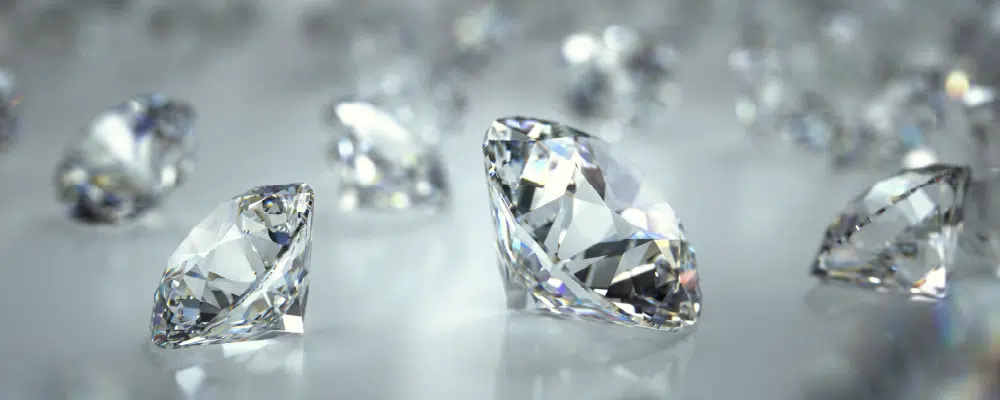
A great diamond cut hides slight color tints by returning bright white light to your eye. This bright light is a huge advantage when pairing a diamond with warm metal tones.
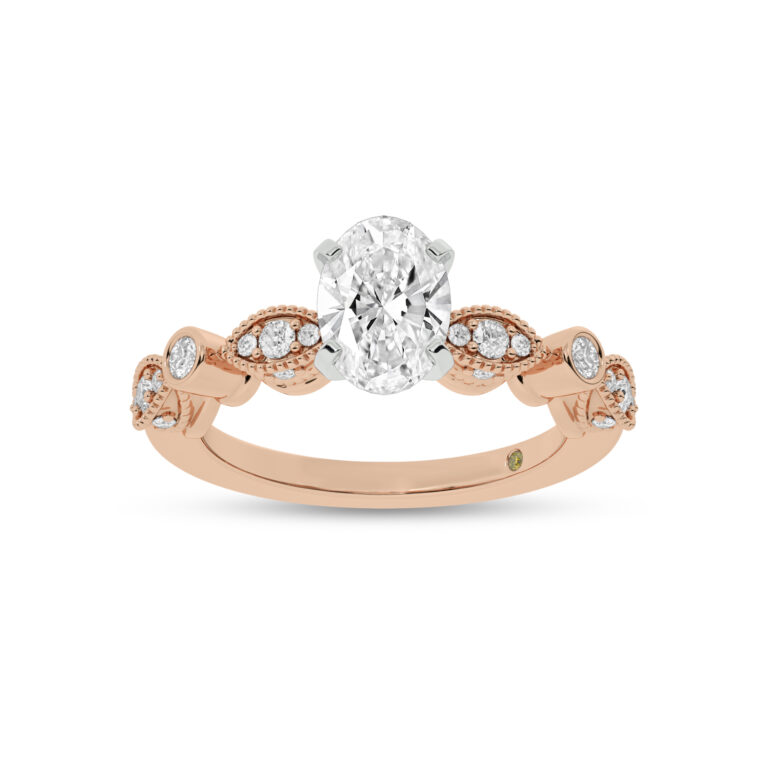
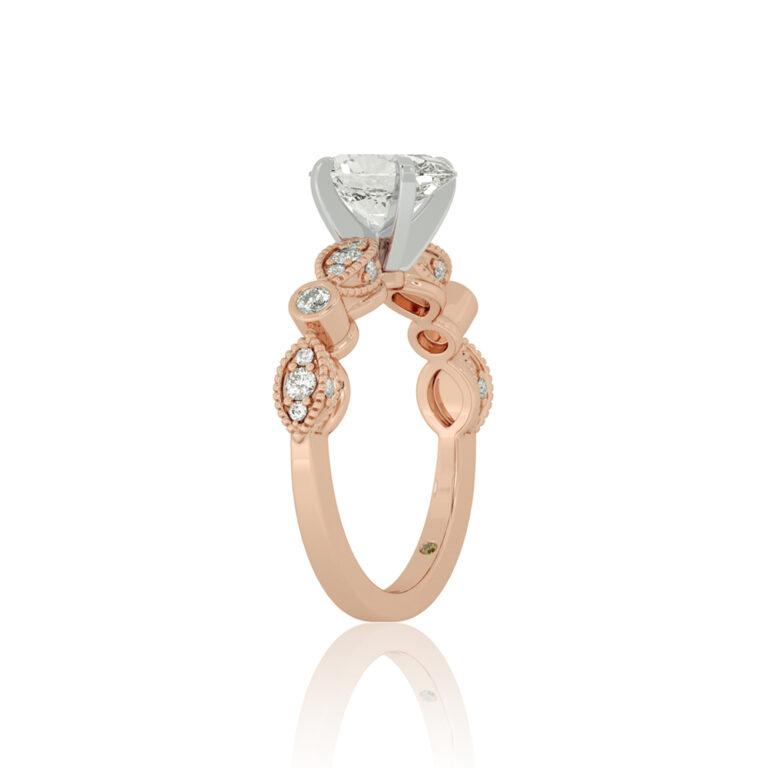
At La Joya Jewelry, we craft pieces strictly in 10k, 14k, and 18k white, yellow, and rose gold. If you choose warmer tones like yellow or rose gold, a great cut ensures the center stone stays intensely bright. Because of this high light return, the diamond creates a crisp contrast against the rich metal.
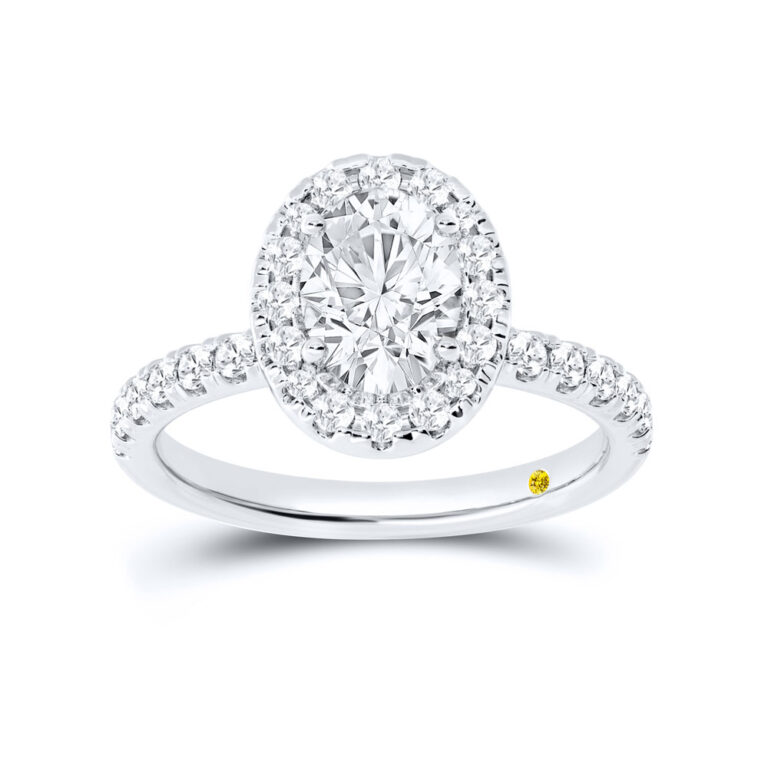
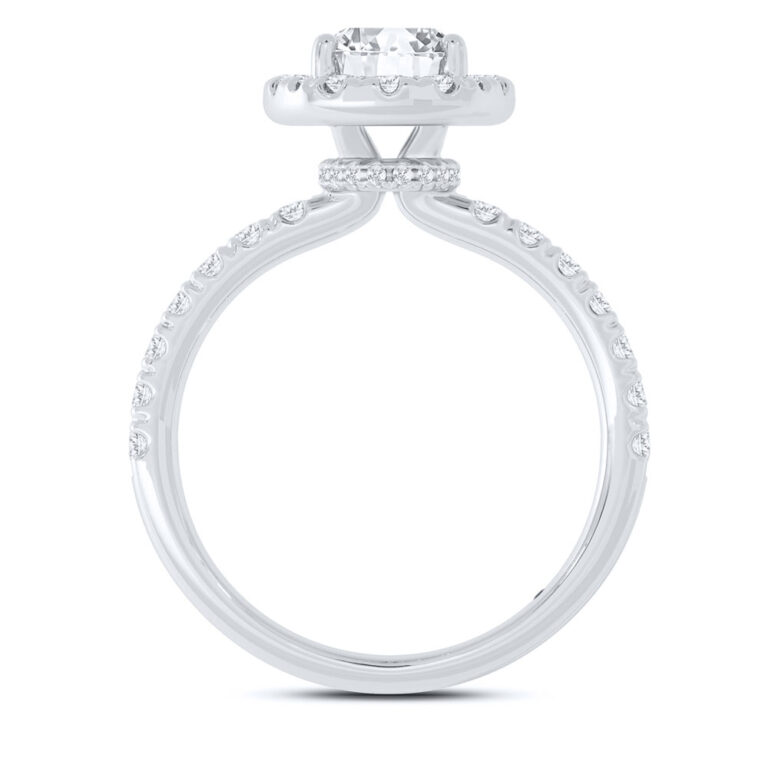
Conversely, if you prefer white gold, a perfect cut boosts the icy, clean look of the ring.

How Are Diamond Cut Grades Evaluated?
To make an informed decision, it helps to understand the standard grading scale used by independent grading laboratories like the International Gemological Institute (IGI). These grades strictly evaluate the proportions, symmetry, and polish of the facets
Diamond cut grades are standard scores that measure the exact proportions, symmetry, and polish of a stone. Reading these grades is a key step in any helpful diamond cut guide. Through my decades of supplying fine jewelry, I know that the grade dictates beauty more than any other factor.
An Ideal or Excellent cut reflects almost all light that enters the stone. While a Very Good cut reflects nearly as much light, anything lower begins to lose its bright sparkle. Fair or Poor cuts are made just to keep heavy weight from the rough stone.
For this reason, I always tell clients to never settle for a low grade.
Conclusion
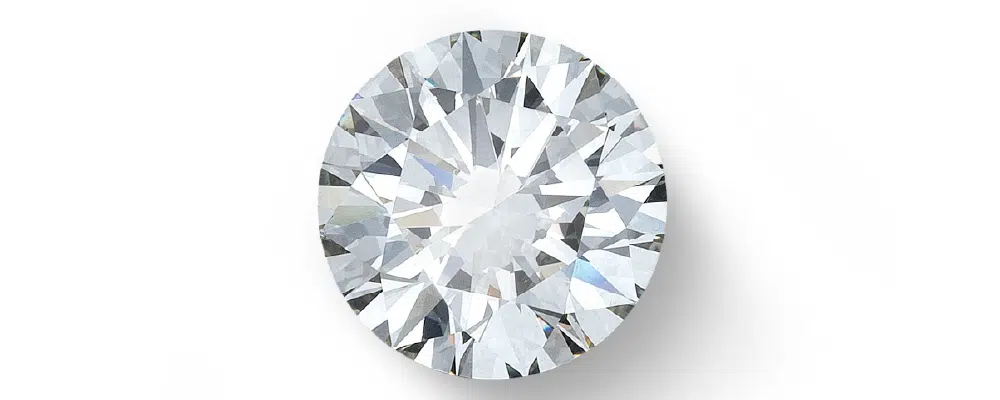
The cut grade is truly the main engine of your diamond’s beauty. While weight dictates the size, the artisan’s exact cuts deliver the bright sparkle you want. To understand these complex details, using a clear diamond cut guide is the smartest step before making a purchase. By following this guide to pick a perfectly cut lab-grown diamond, you ensure your custom gold ring remains a stunning piece for a lifetime. C
onsequently, at La Joya Jewelry, our deep focus on pure quality guarantees your lasting value.