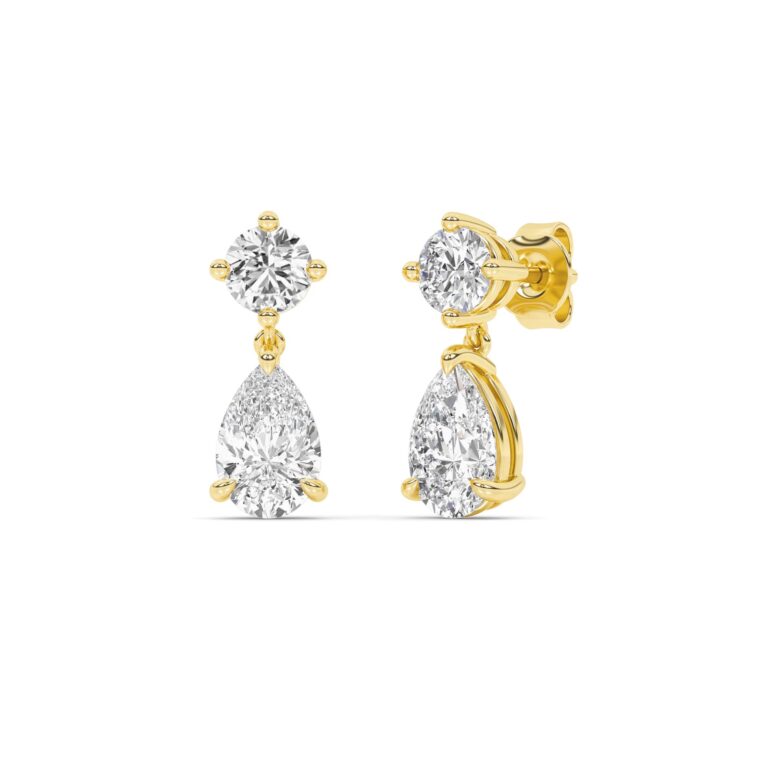
When you start shopping for a premium engagement ring, you are historically trained to look for the traditional 4Cs: Cut, Color, Clarity, and Carat. While these metrics dictate the optical sparkle and physical size of your stone, modern couples must prioritize a fifth, arguably more important metric: Conscience. You have likely started your search looking for “conflict-free” stones because it sounds like the morally correct standard to demand.
However, over my 35 years in the jewelry business—watching the industry evolve from the gritty manufacturing floors of Mumbai to the high-end showcases of New York—I can assure you that the “conflict-free” label is no longer enough.
Today, intelligent buyers are looking for a vastly superior standard: ethically sourced diamonds. In this guide, we will peel back the marketing layers to reveal the absolute truth about the global supply chain. By understanding the severe limitations of legacy certifications, you can confidently secure a pristine, heirloom-quality symbol of love that perfectly aligns with your shared financial and moral future.
What Is a Blood Diamond?
A blood diamond, also known as a conflict diamond, is a rough stone mined in a war zone and sold to finance an insurgency, an invading army’s war efforts, or a warlord’s activity.
To understand why ethical sourcing matters so deeply today, we first have to look at the dark history of the trade. In my early years in manufacturing, the origin of a rough stone was often a complete mystery. A packet of diamonds would arrive at the facility, and no one asked questions. While this issue gained global fame in popular media, the stark reality was a humanitarian crisis that left a permanent scar on the conscience of our trade.
In the 1990s and early 2000s, rebel groups in vulnerable nations seized control of diamond mines. Consequently, they used the immense profits to buy weapons, funding regimes of terror that relied heavily on forced labor, torture, and the use of child soldiers. We knew as an industry that we had to change; however, the initial solution we created was plagued with massive structural loopholes.
What Is the Kimberley Process Certification?
The Kimberley Process Certification Scheme (KPCS) is an international trade regime established in 2003 to prevent rough diamonds that finance rebel movements from entering the legitimate global supply chain.
On paper, this global agreement sounded like a perfect solution, requiring every shipment crossing a border to carry official documentation. However, throughout my decades of monitoring international manufacturing, I quickly realized that while the industry claimed this removed 99.8% of blood diamonds from the market, the regulatory system contains massive, intentional loopholes.
Why Is the Kimberley Process Certification Not Enough?
The Kimberley Process is not enough because its legal definition of conflict only bans stones funding rebel factions, actively allowing diamonds mined using forced labor, child exploitation, or state-sanctioned violence to receive official certification.
Here is the insider truth that most traditional jewelers will not tell you when you sit at their counter. If a legitimate government army seizes a mine and forces civilians to dig at gunpoint, those diamonds are technically classified as “conflict-free.”
I have personally seen stones enter the market from areas with horrific human rights records, all carrying a regulatory stamp of approval, which is why a basic KP certificate simply cannot guarantee a stone is free from human misery.
How Does the Traditional Dinosaur Supply Chain Inflate Costs?
The traditional dinosaur supply chain inflates costs by forcing a single rough stone to change hands up to seven times—moving from remote mines to rough brokers, international cutters, polishers, exporters, local wholesalers, and finally retailers—adding massive markups at every single stage.
This convoluted system intentionally obscures the stone’s origin while wildly inflating the final price tag. You are not just paying for a gemstone; you are paying seven different middleman salaries, international shipping fees, and bloated corporate advertising budgets. The future of fine jewelry relies on radical supply chain compression.
Clean, lab-grown gems move directly from a controlled growth facility to my master bench. This direct pipeline completely bypasses the legacy cartel, ensuring absolute origin traceability while freeing up your budget for a significantly larger, higher-quality center stone.
Why Is the Artisanal Mining Narrative a Dangerous Myth?
Artisanal diamond mining is an unregulated extraction practice where desperate individuals dig entirely by hand in unmonitored mud pits without basic safety equipment, fair wages, or labor protections.
Because the mined diamond industry is currently panicking about losing market share to modern technology, their newest marketing trick promotes artisanal mining as a romantic way to support poor local communities.
In the fine jewelry world, this dark reality is incredibly different from the image of a skilled artisan crafting luxury goods. Because these pits are completely unregulated, hidden child labor and fatal collapses are deeply prevalent today. We must crush this highly romanticized and dangerous myth.
Providing clean, high-paying tech jobs in regulated laboratories is the only true way to protect human rights globally.
How Do Ethically Sourced Diamonds Differ from Conflict-Free Stones?
Ethically sourced diamond engagement rings are distinct from standard conflict-free stones because they guarantee a fully transparent supply chain that prioritizes safe labor conditions, fair wages, and environmental stewardship, rather than merely the absence of rebel funding.
The fundamental difference is transparency versus opacity. The “conflict-free” label often operates as a “don’t ask, don’t tell” policy regarding the treatment of miners. Conversely, ethically sourced lab-grown gems completely bypass the murky history of the mine.
In my experience building our direct-to-consumer operation, true ethics require measurable data. It is not just about who was spared from violence; it is about how the planet was actively protected.
| Feature | “Conflict Free” Mined Diamond | Ethically Sourced Lab-Grown Diamond |
| Origin Traceability | Low (often mixed from multiple mines) | 100% (Single facility origin) |
| Human Rights | Guarantees no rebel funding only | Guarantees safe, regulated labor |
| Water Usage | ~126 gallons per carat | ~18 gallons per carat |
| Land Impact | ~100 sq ft of earth disturbed per carat | Zero earth displacement |
| Carbon Footprint | High (heavy diesel machinery) | Low (renewable energy compatible) |
Why Are Lab-Grown Diamonds the Superior Ethical Choice?
Lab-grown diamonds are the superior ethical choice because they eliminate the need for mining entirely, offering a 100 percent guarantee against human exploitation and ecological destruction while providing a chemically and physically identical gemstone.
If you want an ironclad assurance that your engagement ring is free from suffering, this is the exact path you must take. Lab-grown diamonds comprehensively disrupt the bloody history of the trade. They are grown in clean, high-tech plasma reactors using highly advanced Chemical Vapor Deposition (CVD) or High Pressure High Temperature (HPHT) methods.
From a master manufacturing perspective, these stones are an absolute dream. Because they form under perfectly controlled conditions, they possess the exact same pure carbon makeup, a perfect 10 on the Mohs hardness scale, and the identical optical fire of their mined counterparts. As an added bonus, this modern innovation allows you to upgrade to a significantly larger, flawless center stone without compromising your morals or your budget.
Why Is Deep-Ocean Diamond Mining an Environmental Devastation?
Deep-ocean diamond mining is an industrial extraction process that utilizes massive underwater vacuum fleets to blindly crush ancient coral reefs and permanently destroy fragile marine ecosystems to harvest rough gems.
Because the legacy mining cartel is rapidly exhausting terrestrial land, massive corporations have aggressively launched marine mining fleets to maintain their supply. This deep-ocean destruction is the traditional industry’s newest dirty secret.
Giant underwater machines now vacuum the pristine ocean floor daily, sucking up tons of gravel to find tiny gems. Consequently, buyers are completely unaware of this hidden aquatic devastation when they purchase earth-mined stones.
By choosing clean lab-grown gems, you actively protect vital marine life. True ethically sourced diamonds never touch our beautiful oceans, ensuring your ring harms absolutely no living aquatic ecosystems.
How Does the Diamond Supply Chain Impact Global Carbon Emissions?
The traditional mined diamond supply chain generates a massive carbon footprint due to rough stones being continuously flown across the globe between remote mines, international sorting centers, and distant cutting facilities.
When evaluating the true eco-friendliness of a gem, examining this hidden aviation footprint is critical. A single mined stone flies across the entire globe repeatedly. It moves from remote African mines, flies to corporate sorting centers in Antwerp, and then ships to mass cutting facilities in India.
Because secure transit companies fly these stones constantly, the aviation carbon footprint for just one ring is staggering. Conversely, clean lab-grown diamonds avoid this massive global air pollution entirely. They travel directly from a single, high-tech growth facility straight to our master cutters.
Therefore, single-origin sourcing drastically slashes dangerous carbon emissions across the board.
Why Should Ethical Diamonds Be Set in Solid 10k, 14k, or 18k Gold?
Solid 10k, 14k, and 18k gold are the superior metal choices for ethically sourced diamonds because they offer exceptional structural durability and can be fully recycled without relying on the highly toxic cyanide heap leaching required for new mining.
True eco-friendliness cannot stop at the gemstone; it must perfectly apply to the ring’s heavy metal architecture. While it is true that platinum is durable, it is incredibly dense and requires significantly more energy to extract and refine.
To extract enough newly mined gold for a single ring, corporations use a brutal chemical process called heap leaching, which dumps highly toxic cyanide and heavy mercury over rocks. This permanently poisons local groundwater and soil.
Because of this dark reality, I strictly refuse to use newly mined gold. To achieve this look without the environmental cost, demanding refined, 100 percent recycled gold is deeply vital. In our workshop, we find that these rich gold alloys allow for finer detailing and easier resizing down the road, ensuring your ethical ring securely grips your diamond for a lifetime.
How Can Buyers Ensure They Purchase Truly Ethical Jewelry?
Buyers can ensure they purchase truly ethical jewelry by prioritizing lab-grown diamonds, verifying the stone’s exact country of origin, and demanding complete transparency regarding the manufacturer’s labor standards and metal recycling practices.
If you are ready to shop, you need to be armed with the right questions. The average salesperson is trained to sell you on marketing romance rather than structural facts. Use this systematic approach to cut through the noise:
-
Ignore the “Kimberley Process” Pitch: If a jeweler uses this certification as their only proof of ethics, walk away immediately. It is an outdated standard that intentionally hides more than it reveals.
-
Choose Lab-Grown Diamonds: This is the only definitive way to opt out of the messy mining supply chain entirely. It is the smartest, most secure vote you can make with your wallet.
-
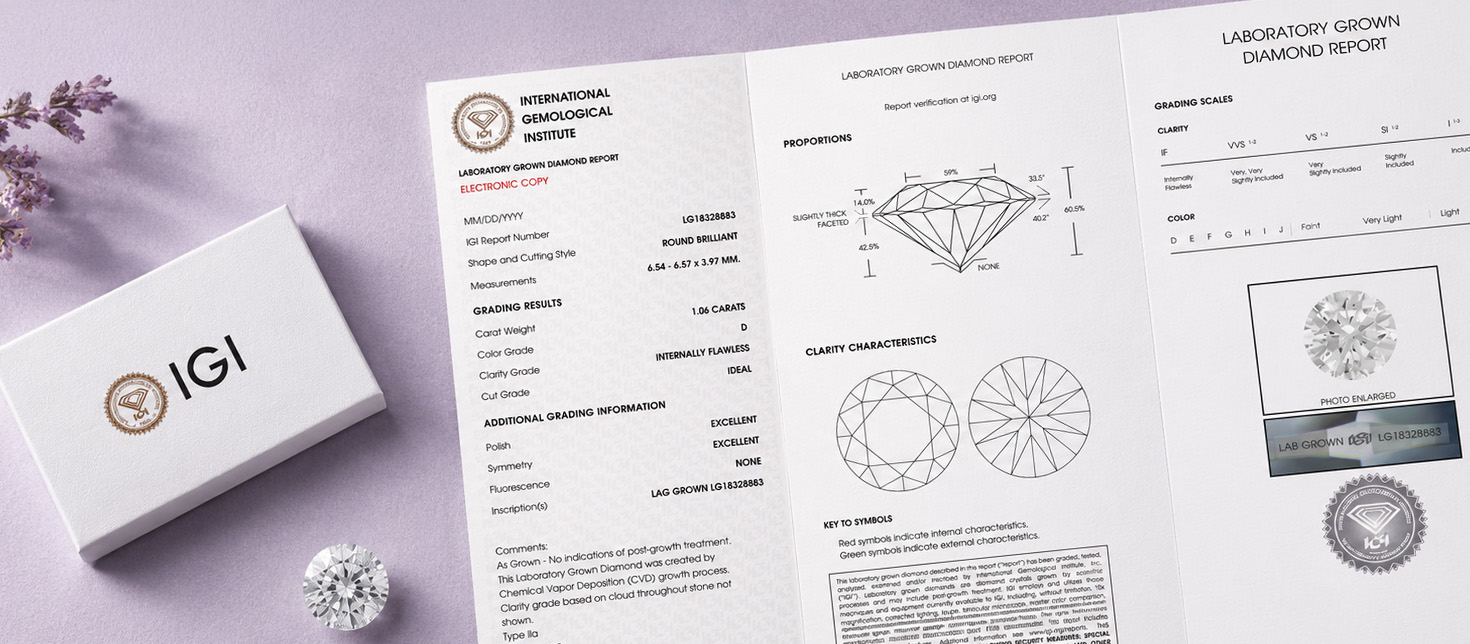
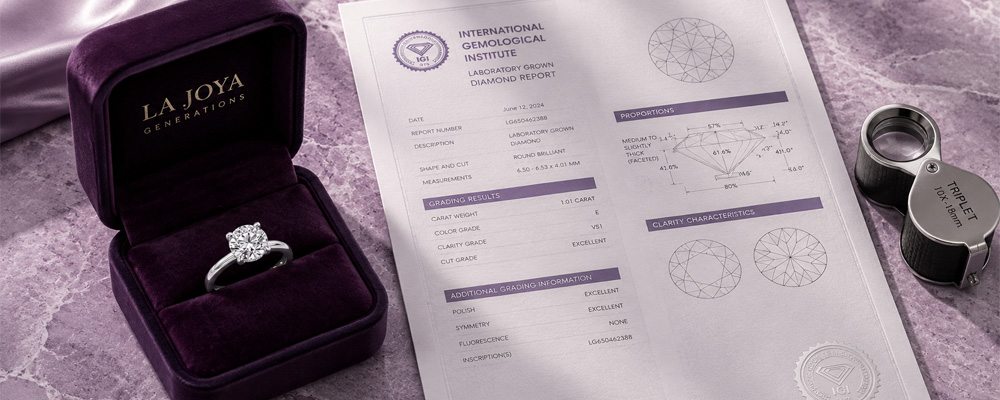
Ask for the Origin Story: Reputable sellers intimately know their supply chain. Always demand to know exactly where the stone was grown and verify it with an independent grading report.
-
Demand Recycled Gold: Choose 14k or 18k recycled gold to complete the ethical circle. It is highly durable, architecturally classic, and vastly better for the planet than heavy industrial metals.
Conclusion
Love should not hurt. Your engagement ring is a premium symbol of your shared future; it should never carry the heavy weight of someone else’s past. By choosing a comprehensively verified, ethically sourced diamond, you aren’t just buying a sophisticated piece of fine jewelry.
You are intelligently voting for a kinder, cleaner, and vastly more transparent industry.