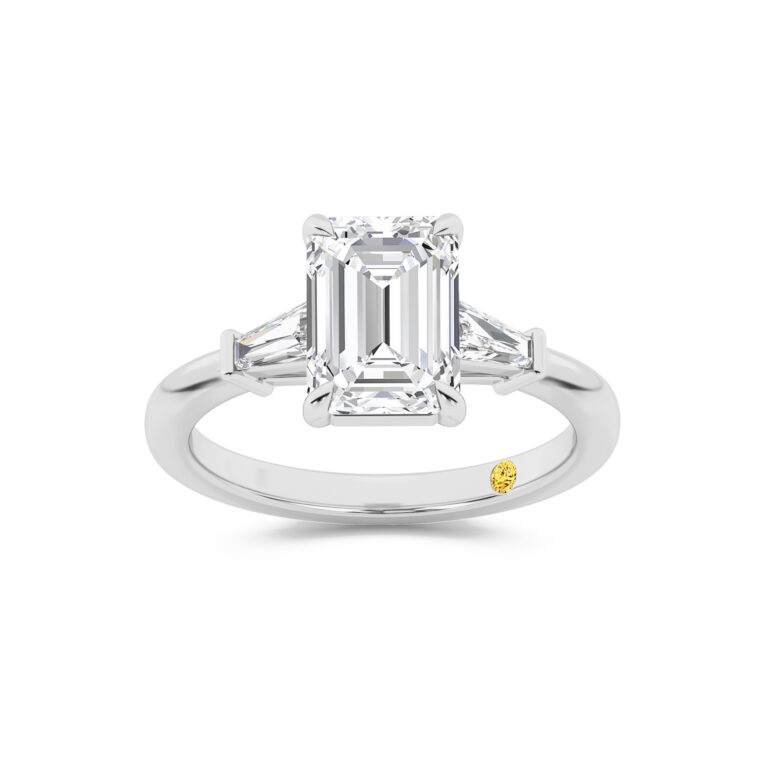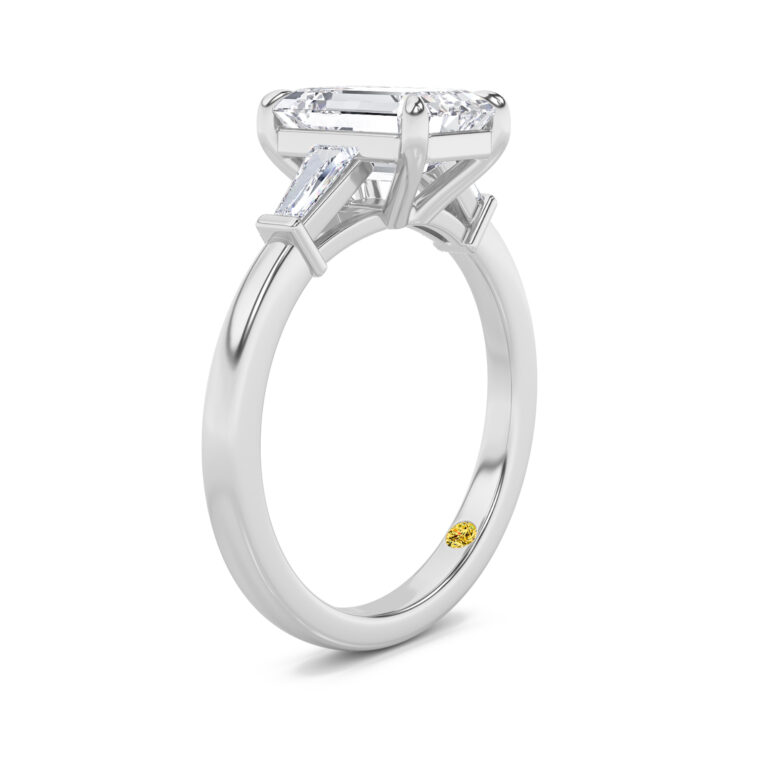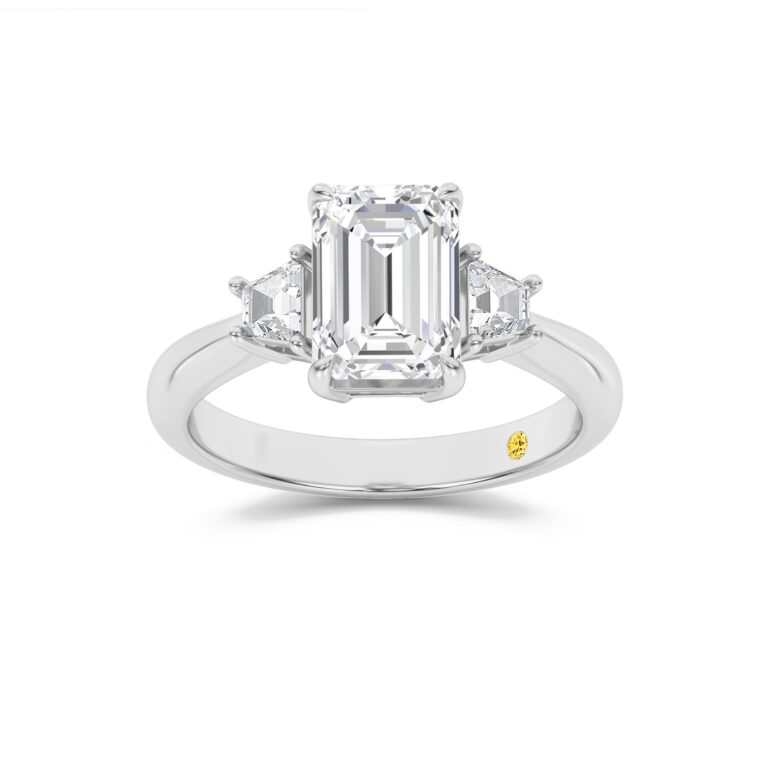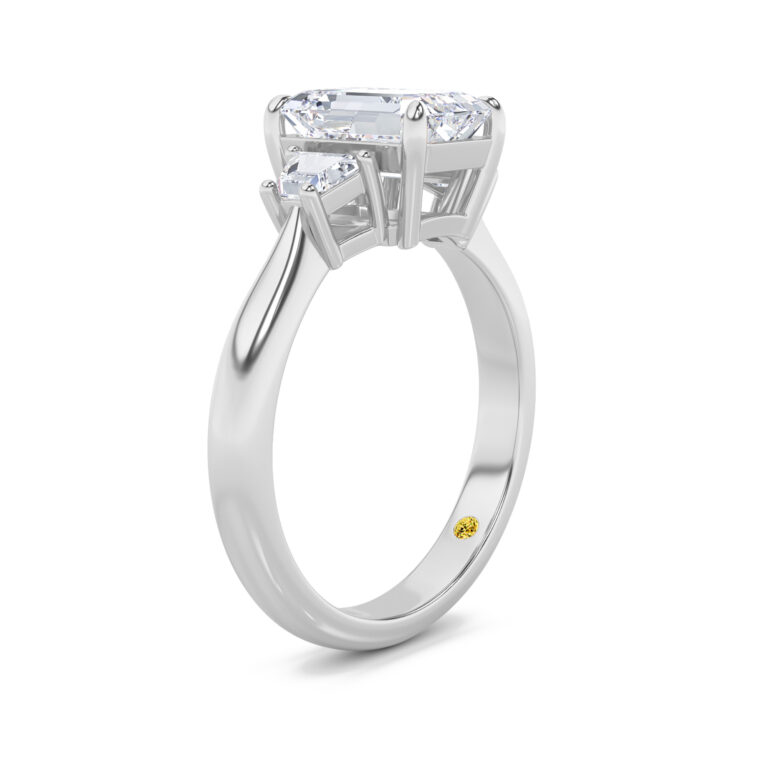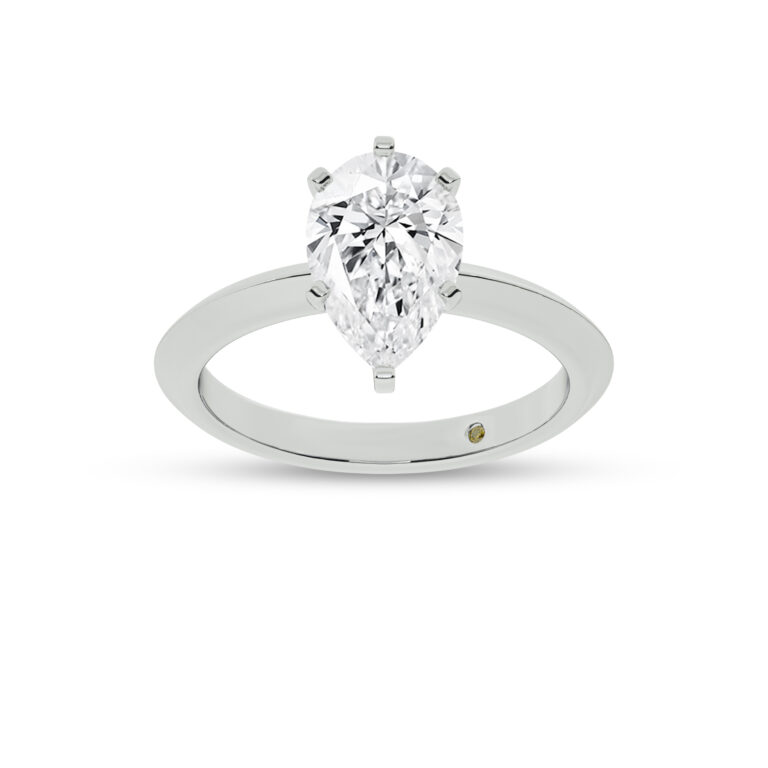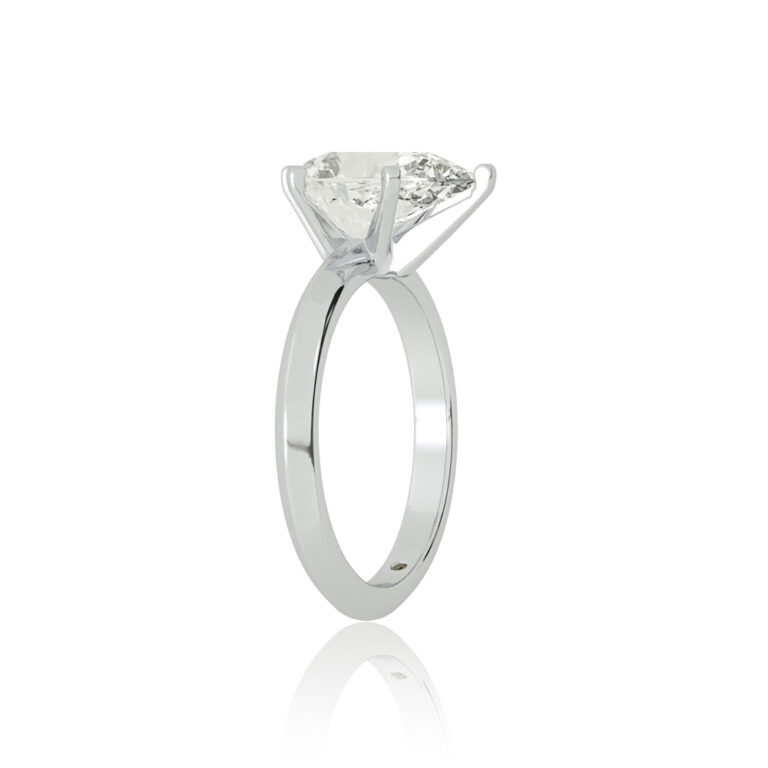
Finding the perfect engagement ring is a huge moment. Everyone wants the proposal to be flawless. A loose band creates instant panic because you might lose your beautiful stone down a drain.
Protecting your investment matters deeply. Modern couples make the intelligent choice by selecting premium lab-grown diamond rings. These stunning gems deserve to sit safely on your hand forever. That is why clients constantly ask my office how to fix a ring that is too big.
My family has worked in the diamond industry for three generations. Over the past 30 years, I have seen every sizing problem imaginable. Let us explore the best permanent and temporary sizing solutions today.
Why Does a Ring Suddenly Feel Too Big?
Rings feel loose mainly due to cold weather, weight loss, or daily fluid changes in your body. Fingers shrink in cold air as your blood vessels constrict to keep your core warm.
I see this happen all the time during winter months, leading to a sudden influx of panicked clients. Many clients panic when their new lab-grown diamond starts spinning, assuming the jeweler made a mistake. But the truth is, gold and platinum do not stretch or shrink on their own. The metal stays the exact same size while your body changes based on hydration levels, diet, and temperature.
If you have not purchased your jewelry yet, you can avoid this issue entirely by getting an accurate baseline measurement. Read our comprehensive guide on how to accurately measure ring size at home to get the perfect fit from day one, accounting for those natural daily fluctuations.

How to Test If Your Ring Is Too Big?
You can test a loose fit by checking for easy sliding, free spinning, and visible gaps under the band. Gently pull the jewel over your knuckle. It should resist just a little bit requiring a gentle “push and wiggle” motion to remove.
A ring that is too big will slide right off without any tug, putting you at high risk of losing it when you wash your hands or reach into your pockets. Center stones that constantly flop sideways also indicate a poor fit, as the band lacks the tension needed to anchor the diamond upright.
Look at your hand from the side view. Seeing daylight between your skin and the metal means we need to adjust the size to secure the piece. Sometimes the band actually fits the base of your finger perfectly, but a massive center stone—often seen on elegant diamond solitaire ring settings—makes it top-heavy and prone to tilting.
Discover why this happens and explore modern design solutions in our deep dive on why large engagement rings spin and how Euro shanks fix it.
What Are the Best Ways to Fix a Ring That Is Too Big?
The best methods to tighten a loose band include sizing beads, spring inserts, temporary guards, and professional metal resizing. Choosing the right method depends on the ring design, your lifestyle, and whether the sizing issue is permanent or temporary.
We want to protect your investment and maintain the structural integrity of the metal. In fact, leading jewelry authorities like the Gemological Institute of America (GIA) emphasize that a secure, proper fit is one of the most critical factors in preventing premature wear or catastrophic stone loss. Before taking drastic measures, here is a breakdown of the top options available to you.
| Sizing Method | Permanence | Best Used For | Risk Level to Ring |
|---|---|---|---|
| Sizing Beads | Semi-Permanent | Large knuckles, top-heavy rings | Low |
| Spring Insert | Semi-Permanent | Fluctuating finger sizes, wide bands | Low |
| Plastic Guards | Temporary | Short-term weight loss, cold weather | Zero |
| Professional Resize | Permanent | Rings that are permanently too large | Medium (Requires cutting) |
How Do Sizing Beads Work?
Sizing beads are two small metal bumps soldered inside the bottom of the ring band. Jewelers use these to grip the finger tightly without actually changing the circumference of the ring itself. They allow the jewelry to pass over a large knuckle easily, settling securely into the narrower part of your finger where the ring actually rests.
I recommend this method often in my office because it is highly effective and minimally invasive to the original design. The bumps rest comfortably in the soft flesh of your finger base. This stops the diamond from spinning sideways, which is incredibly helpful for stabilizing heavier three-stone designs that have a lot of side-to-side weight.

What Is a Ring Spring Insert?
A spring insert is a flexible metal horseshoe placed inside the band that expands and contracts. This hidden device acts like a seatbelt for your jewelry, offering a dynamic fit that adapts to you. It hugs the finger securely all day long, compensating for morning swelling or cold evening shrinkage.
We install these for clients who experience major finger swelling, such as those with arthritis, where getting a ring over the knuckle is the primary hurdle. The insert flexes open effortlessly over the knuckle. It then snaps back gently to hold the gem firmly in place, providing an excellent, highly customized solution for securing wider diamond bridal sets.
When Is Professional Resizing the Best Choice?
Professional resizing is the correct choice when a ring is permanently off by half a size or more due to long-term weight loss or receiving a ring that was simply ordered in the wrong size.
Expert jewelers carefully cut the bottom of the band (the shank). They remove a tiny piece of metal to reduce the circumference. Then they solder the ends back together perfectly, ensuring the joint is structurally sound.
We expertly polish the gold or platinum so the cut remains entirely invisible to the naked eye. This provides a permanent fix for how to fix a ring that is too big.
However, cutting your jewelry is a serious decision that requires highly skilled labor to avoid weakening the band. Before you proceed, learn what to expect in our transparent guide explaining exactly how much ring resizing costs and how long it takes.

When Should You Never Resize a Ring?
You should never resize full eternity bands, tension settings, or rings made of alternative metals like tungsten. Cutting an eternity band will completely ruin the continuous diamond spacing and destroy the symmetry of the piece.
Furthermore, intricate pave details can easily warp under the extreme heat of a jeweler’s torch, causing surrounding micro-diamonds to loosen and fall out. I always tell my clients to protect their premium lab-grown diamonds first by understanding the limitations of their specific setting.
Modifying a complex piece, such as vintage inspired engagement rings that feature delicate milgrain or filigree work, might cause the stones to fall out later as the tension shifts. Use a removable plastic or silicone guard instead of cutting delicate artistry.

Conclusion
A perfect fit brings complete peace of mind. Your fine jewelry should bring you joy, not the constant, nagging stress of looking down to check if your diamond is still there.
At La Joya, we craft our modern lab-grown diamond pieces to last a lifetime, utilizing the highest standards of craftsmanship. If you ever lose a piece, our Loss Protection Plan guarantees a replacement at a 40 percent discount, but our primary goal is to keep your original ring safe on your hand. We always ensure your precious symbols of love remain secure, beautiful, and comfortably wearable every single day.
To guarantee a flawless fit from the very beginning without the need for future alterations, explore La Joya’s custom engagement ring collection to craft a piece made specifically to your unique measurements.