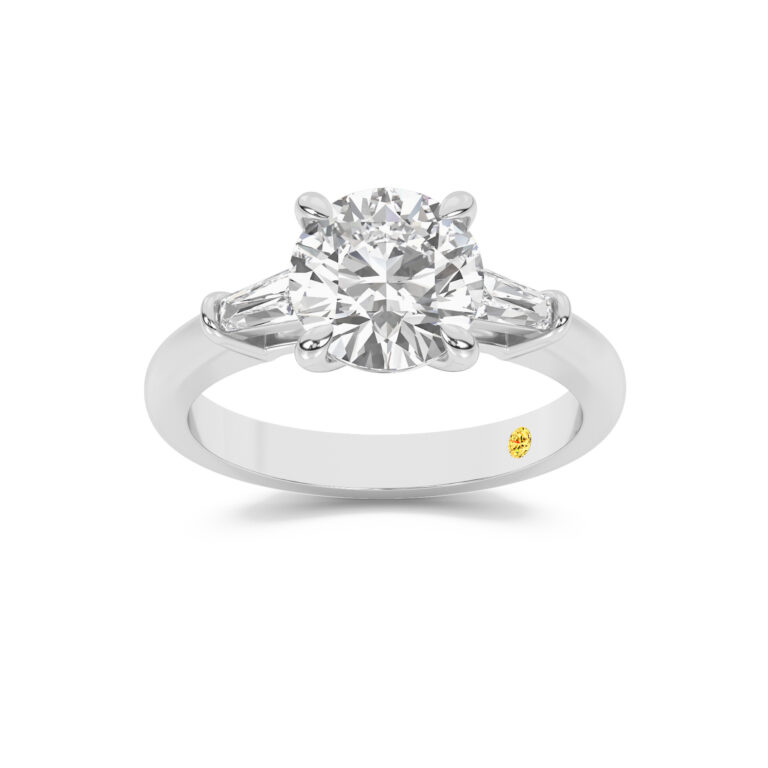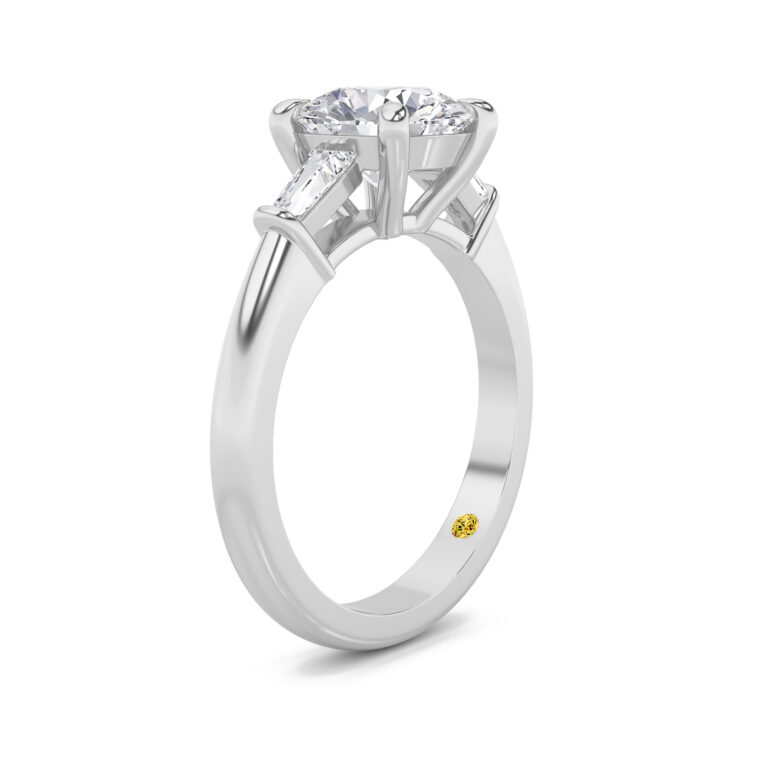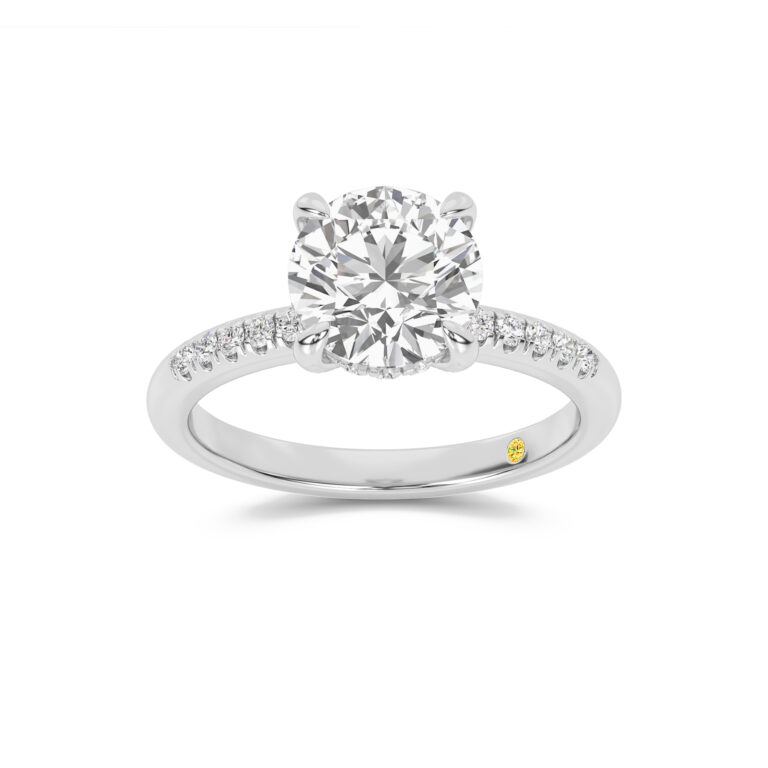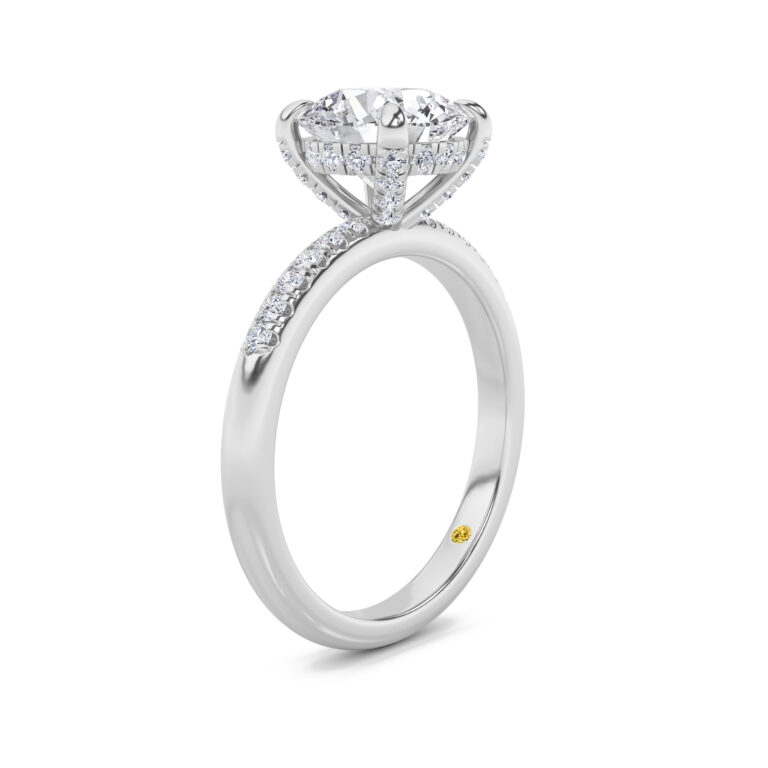
Imagine the excitement of choosing a diamond – perhaps for an engagement ring, a milestone anniversary, or a cherished personal indulgence. You envision that perfect sparkle, a timeless symbol of love, commitment, or self-celebration. But beneath the dazzling surface, a crucial question often arises: how can you be absolutely sure of its genuine quality and true value? The diamond market, while beautiful, can feel overwhelming without the right guidance. How do you ensure your significant investment is truly worth its price?
Imagine the excitement of choosing a diamond – perhaps for an engagement ring, a milestone anniversary, or a cherished personal indulgence. You envision that perfect sparkle, a timeless symbol of love, commitment, or self-celebration. But beneath the dazzling surface, a crucial question often arises: how can you be absolutely sure of its genuine quality and true value? The diamond market, while beautiful, can feel overwhelming without the right guidance. How do you ensure your significant investment is truly worth its price?
In this deep dive, we’ll unravel the world of diamond grading, exploring what diamond certification truly means and why it’s indispensable for any buyer. We’ll then shine a light on the two most prominent names in diamond grading – the International Gemological Institute (IGI) and the Gemological Institute of America (GIA). By the end, you’ll clearly understand their differences, allowing you to choose the certification that best aligns with your priorities and ensures the brilliance of your investment.
What is Diamond Certification?
Diamond certification, often referred to as a diamond grading report or diamond dossier, is an official document issued by an independent, professional gemological laboratory. This report provides an unbiased, detailed evaluation of a diamond’s characteristics and quality. Think of it as a diamond’s “birth certificate” and “report card” rolled into one, meticulously detailing its unique identity and assessing its inherent value.
The primary purpose of diamond certification is to:
-
Guarantee Authenticity: It verifies that the diamond is genuine and not a simulant or a misrepresented stone.
-
Ensure Quality: It provides an objective assessment of the diamond’s key attributes, allowing buyers to understand precisely what they are purchasing. This is especially crucial as many diamond characteristics are not discernible to the naked eye.
-
Promote Transparency: It fosters trust between buyers and sellers by providing a standardized, third-party evaluation, eliminating ambiguity about a diamond’s true characteristics.
-
Aid in Valuation: While a certification does not assign a monetary price, the detailed quality report is essential for accurate appraisal, insurance, and potential resale. Insurers and buyers often require formal documentation to establish quality and value.
The process of certification involves highly skilled gemologists using specialized tools and established methodologies to inspect each diamond. They analyze various factors that contribute to a diamond’s overall beauty and value, which are then documented in the comprehensive report. This meticulous examination provides peace of mind, ensuring that your significant investment is sound and that the diamond truly reflects its stated value.

Understanding the 4 Cs of Diamond Quality
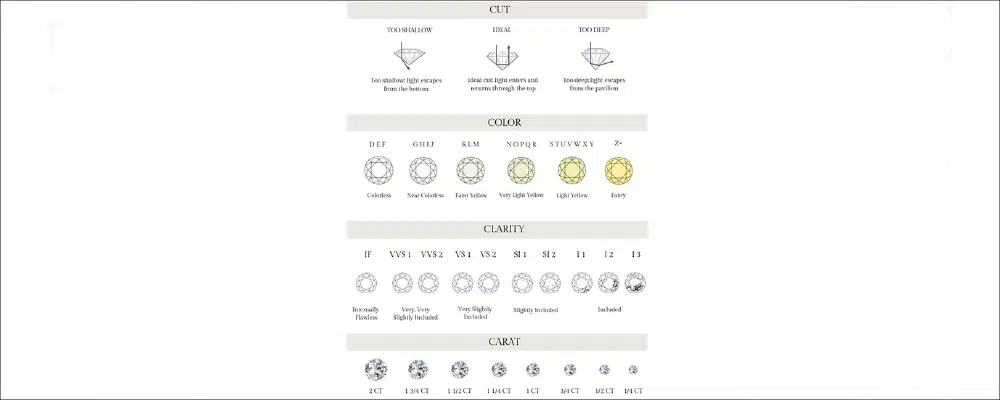
At the heart of every diamond certification lies the universally recognized “4 Cs” grading system. This framework, largely pioneered by the GIA, provides a common language for describing a diamond’s quality. Understanding these four factors is fundamental to interpreting any diamond report:
- Carat Weight: This refers to the diamond’s weight, not its size. One carat is equivalent to 200 milligrams or 0.2 grams. Larger diamonds are rarer and generally more expensive, but two diamonds of the same carat weight can appear differently in size depending on their cut. For our target audience, a larger carat weight often signifies a more substantial and impressive gift, but it’s important to balance this with the other Cs to ensure overall beauty.
-
Color: Diamonds are graded on a color scale from D (colorless) to Z (light yellow or brown). A diamond’s color is determined by the absence of color; the less color, the higher its grade and value. Color differences can be subtle but significantly impact a diamond’s brilliance and overall appearance. For engagement rings, many buyers prioritize near-colorless grades (G-J) that still appear white to the naked eye but offer better value than D-F stones.
-
Clarity: This refers to the presence of internal characteristics (inclusions) and external characteristics (blemishes). The clarity scale ranges from Flawless (FL), meaning no inclusions or blemishes visible under 10x magnification, to Included (I1, I2, I3), where inclusions are obvious and may affect transparency and brilliance. Common inclusions include tiny crystals, feathers, or clouds, while blemishes might be scratches or chips. For a woman buying for herself, she might prioritize a higher clarity to ensure a “clean” looking stone, while a man buying a gift might focus on eye-cleanliness – meaning no inclusions visible without magnification.
-
Cut: Often considered the most crucial of the 4 Cs, the cut refers to how well a diamond’s facets interact with light. It’s about the diamond’s proportions, symmetry, and polish, which determine its brilliance (white light reflection), fire (dispersion of light into rainbow colors), and scintillation (the sparkle and pattern of light and dark areas). A well-cut diamond maximizes its ability to reflect light, giving it that mesmerizing sparkle. Both GIA and IGI grade a diamond’s cut, typically on a scale from Excellent/Ideal to Poor. For both men and women, the cut is often the most important factor in a diamond’s perceived beauty, as it dictates the sparkle. A poorly cut diamond, regardless of its color or clarity, will appear dull.
Beyond the 4 Cs, certification reports also include details on:
-
Fluorescence: A diamond’s tendency to glow under ultraviolet (UV) light. While often not visible to the naked eye, strong fluorescence can sometimes give a diamond a milky or oily appearance, particularly in higher color grades.
-
Polish: The smoothness of a diamond’s surface.
-
Symmetry: The precision of the alignment of the diamond’s facets.
-
Measurements and Proportions: Detailed dimensions of the diamond.
-
Plotting Diagram: A visual map of the diamond’s inclusions and blemishes.
Understanding these elements allows buyers to critically evaluate a diamond and compare different stones objectively.

The International Gemological Institute (IGI)
History and Reputation: The International Gemological Institute (IGI) was established in Antwerp, Belgium, in 1975. It quickly grew into one of the largest independent gemological laboratories in the world, with a significant global presence. IGI operates laboratories in major diamond and jewelry centers across the globe, including New York, Antwerp, Mumbai, Bangkok, and Hong Kong.
IGI’s certification process involves a comprehensive evaluation of diamonds, colored stones, and finished jewelry based on international standards. Their grading reports detail diamond attributes, aiming to ensure transparency and trust within the diamond market. IGI has been particularly instrumental in working with the jewelry trade as volumes of lab-grown diamonds have entered the market, carving out a niche for themselves in this segment. They are known for screening millions of melee (small) diamonds and issuing grading reports on single stones, developing an efficient and cost-effective business model.
What is IGI Diamond Certification? An IGI diamond certification is a professional assessment conducted by the International Gemological Institute. It rigorously evaluates diamonds based on the universally accepted 4 Cs – Cut, Clarity, Color, and Carat Weight. The certification process also identifies any treatments or enhancements applied to the stone.
IGI’s reports are designed to be user-friendly and straightforward, often including additional information like laser inscriptions and sometimes even the growth method for lab-grown diamonds (CVD vs. HPHT), which GIA reports typically do not disclose. This consumer-friendly approach makes IGI reports highly accessible and understandable for the average buyer.
Key Strengths of IGI:
-
Accessibility and Affordability: IGI certifications are generally less expensive than GIA certifications, making them a more cost-effective option for many buyers.
-
Faster Processing Times: IGI often offers quicker turnaround times for their grading services.
-
Strong Global Presence (especially outside the US): IGI has a particularly robust presence in Asian and European markets, making their reports widely recognized and accepted internationally.
-
Pioneer in Lab-Grown Diamond Grading: IGI was an early adopter and has extensive experience in grading lab-grown diamonds, providing detailed and comprehensive reports for these stones. For consumers specifically looking for lab-grown diamonds, IGI is often the preferred choice due to its long-standing expertise in this area.
-
Certification of Finished Jewelry: Unlike GIA, IGI also offers grading reports for finished jewelry, providing peace of mind for consumers purchasing not just loose diamonds but also complete pieces.
-
ISO 9000 Certified: IGI is one of the few gem laboratories to be ISO 9000 certified (specifically ISO 17025), indicating a strong commitment to quality control and continual improvement in its processes.
While IGI’s grading standards are highly respected, they are sometimes perceived as slightly more lenient compared to GIA, especially for natural diamonds. However, for many buyers, particularly those focusing on lab-grown diamonds or seeking a balance between quality and cost, IGI offers a reliable and trusted certification.

The Gemological Institute of America (GIA)
History and Reputation: The Gemological Institute of America (GIA) is a nonprofit organization established in 1931. With its headquarters in Carlsbad, California, USA, and additional offices in major diamond and jewelry centers worldwide, GIA has become the foremost authority on diamonds, colored stones, and pearls.
GIA’s most significant contribution to the industry is the development of the universally recognized 4 Cs (Cut, Color, Clarity, and Carat Weight) and the International Diamond Grading System™ in 1953. These innovations became the industry standard for assessing diamond quality, revolutionizing how diamonds are bought and sold. GIA is dedicated to research, education, and certification in gemology, with an extensive team of PhDs, scientists, and researchers continuously studying a wide range of gemological topics and developing new instruments.
What is GIA Diamond Certification? A GIA diamond certification is a comprehensive evaluation of a diamond’s characteristics conducted by the Gemological Institute of America. GIA is widely regarded as the most prestigious and authoritative institution in the gemological world. A GIA Diamond certification provides an objective, unbiased, and highly detailed analysis of a diamond, assuring its quality and authenticity.
The GIA grading process is renowned for its strict standards and meticulous examination. Each diamond undergoes a rigorous process, including examination by multiple gemologists under controlled lighting conditions and magnification. GIA reports are known for their precision and consistency across all GIA laboratories globally.
Key Strengths of GIA:
-
Industry Standard and Global Recognition: GIA is the gold standard for diamond grading, and its certificates are globally recognized and highly respected. This widespread acceptance makes GIA-certified diamonds easier to sell or trade internationally and often command higher prices in the market.
-
Strictest Grading Standards: GIA is known for its highly stringent and consistent grading standards, particularly for natural diamonds. This means that a GIA-certified diamond with a specific grade is likely to be of the highest quality for that grade, compared to the same grade from other labs. This meticulous approach instills maximum confidence in buyers.
-
Accuracy and Reliability: GIA’s commitment to scientific research and its rigorous grading methodology ensure the highest level of accuracy and consistency in its reports. Their evaluations are based on extensive data from thousands of specimens studied over the years.
-
Comprehensive Reports: GIA reports are highly detailed, providing comprehensive information on the 4 Cs, fluorescence, proportions, and a plotted diagram of inclusions. Many GIA-certified diamonds also have a unique serial number inscribed on their girdle for identification.
-
Unbiased Certification: As a non-profit organization with no commercial interests in diamond sales, GIA provides unbiased evaluations, further enhancing its credibility.
-
Educational Leadership: GIA offers advanced education programs, including the prestigious Graduate Gemologist™ (GG) diploma, which is highly regarded in the jewelry industry.
While GIA certification is generally more expensive and can have longer processing times, its unparalleled reputation for accuracy and consistency makes it the preferred choice for many, especially when purchasing high-value natural diamonds or for investment purposes.
IGI vs. GIA: A Detailed Comparison
When considering diamond certification, the choice often comes down to IGI and GIA. Both are highly reputable laboratories providing reliable and accurate reports, but they have distinct differences that can influence a buyer’s decision
| Feature | GIA (Gemological Institute of America) | IGI (International Gemological Institute) |
|---|---|---|
| Reputation | Gold standard, most prestigious, global benchmark for natural diamonds. | Widely recognized, particularly strong in Europe and Asia, prominent in lab-grown diamonds. |
| Grading Standards | Strictest and most consistent, particularly for natural diamonds. Known for conservative grading. | Highly respected, but sometimes perceived as slightly more lenient compared to GIA. |
| Grading Methodology | Focus on all 4 Cs with emphasis on precision and consistency. Pioneered the 4 Cs. | Similar methodology, focusing on 4 Cs, but often considered more generous, particularly with cut grades. |
| Report Detail | Highly detailed, strong emphasis on precision for 4 Cs, fluorescence, proportions, plotted diagram. | Detailed, but often more straightforward and user-friendly. May include laser inscriptions, growth method for lab-grown. |
| Cost | Generally more expensive due to stringent standards and reputation. | Generally less expensive, offering a more cost-effective option. |
| Processing Time | Often longer due to rigorous evaluation and high volume. | Generally faster processing times. |
| Natural Diamonds | Preferred for natural diamonds, especially high-value ones, due to stringent grading and higher resale value. | Reliable for natural diamonds, but GIA often preferred for investment. |
| Lab-Grown Diamonds | Recently expanded comprehensive grading for lab-grown diamonds, offering similar reports to natural diamonds. | Pioneer and leading certifier for lab-grown diamonds; widely accepted for these stones. |
| Finished Jewelry | Primarily grades loose diamonds. | Offers grading reports for finished jewelry as well as loose stones. |
| Resale Value | Diamonds with GIA reports generally command higher resale values. | Can have good resale value, but might be slightly lower than GIA for comparable natural diamonds. |
| Research & Education | Industry leader, extensive research, highly regarded Graduate Gemologist program. | Offers education and research, but not with the same global recognition as GIA. |
Nuances and Market Perception:
It’s important to understand that “lenient” or “strict” isn’t about one lab being “wrong” and another “right.” It’s about differing interpretations within a subjective field. For instance, an “Excellent” cut grade from IGI might align with a “Very Good” from GIA, or an IGI “G” color might be a GIA “H.” This doesn’t mean IGI diamonds are low quality, but buyers should be aware that GIA diamonds, due to their stricter grading, often hold their value better and are preferred for investment and long-term resale.
For a customer looking to purchase diamond jewelry, particularly for an engagement ring, the perception of GIA’s “gold standard” can offer immense peace of mind and confidence. For a man purchasing a significant gift, a GIA certification can signify a truly premium purchase. For women buying for themselves, while the sparkle is paramount, the assurance of a GIA report can validate their investment. However, for buyers on a specific budget or those specifically seeking lab-grown diamonds, IGI offers an excellent, reputable alternative that provides comprehensive and reliable information.

Choosing the Right Certification for You
The “best” certification isn’t a universal answer; it depends on your priorities, the type of diamond you’re buying, and your budget.
Consider GIA if:
-
You prioritize the highest level of accuracy and consistency in grading.
-
You are buying a high-value natural diamond, especially for an engagement ring or as an investment.
-
Resale value and global market acceptance are important to you.
-
You want the most widely recognized and trusted name in the industry.
-
You’re willing to pay a premium for that assurance and potentially longer processing times.
-
Your primary concern is knowing the exact, most conservative grade for your diamond’s quality.
Consider IGI if:
-
You are purchasing a lab-grown diamond. IGI is widely regarded as a leading authority in this growing market and offers detailed, specialized reports for these stones.
-
You are working within a specific budget. IGI certification is generally more affordable, allowing you to potentially get a larger or higher-quality diamond for the same price.
-
You prefer a faster certification process.
-
You appreciate a more user-friendly and comprehensive report, potentially including more detailed information for lab-grown diamonds.
-
You are buying finished jewelry, not just a loose stone.
-
You are buying in international markets where IGI has a strong presence.
Important Considerations for All Buyers:
-
Don’t rely solely on the certificate number: Always verify the report number on the issuing lab’s website to ensure it matches the stone you’re considering. Many reputable jewelers will provide a laser inscription on the diamond’s girdle that corresponds to the report number.
-
View the diamond in person (or with high-quality videos/images): While a certificate is crucial, it doesn’t always convey the diamond’s unique beauty and sparkle. Look at the diamond under different lighting conditions.
-
Work with a reputable jeweler: A trustworthy jeweler will be transparent about the diamond’s origin, disclose any treatments, and readily provide its certification. They should also be able to explain the report in detail and guide you based on your preferences.
-
An analogy: Think of diamond certification like car inspections. A GIA report is akin to a meticulous, top-tier diagnostic from a globally recognized expert, leaving no stone unturned. An IGI report is like a very thorough and reliable inspection from a well-respected, efficient specialist, particularly adept with newer models (lab-grown). Both are excellent, but their focus and depth might vary slightly.
Ultimately, both IGI and GIA offer reliable and respected diamond certifications. The decision comes down to understanding your personal preferences and weighing the factors that matter most to you and the purpose of your diamond purchase.
The Importance of Certification for Lab-Grown Diamonds
The rise of lab-grown diamonds (LGDs) has significantly impacted the diamond market, offering beautiful, ethically sourced, and often more affordable alternatives to natural diamonds. For lab-grown diamonds, certification is arguably even more crucial than for natural diamonds, as it clearly distinguishes their origin and verifies their quality.
Why Certification is Essential for Lab-Grown Diamonds:
-
Origin Disclosure: A reputable certification explicitly states whether a diamond is natural or lab-grown. This is paramount for transparency, as lab-grown diamonds typically have a different value proposition than their natural counterparts. GIA and IGI reports for lab-grown diamonds are clearly marked as “Laboratory Grown” or “Man-Made.”
-
Quality Assurance: Just like natural diamonds, lab-grown diamonds vary in quality. Certification provides an objective assessment of the 4 Cs for LGDs, ensuring that buyers know the precise characteristics of the stone they are purchasing. This prevents misrepresentation and ensures you’re paying a fair price for the quality.
-
Consumer Confidence: As the LGD market expands, consumers need assurance of authenticity and quality. Certification builds this trust, allowing buyers to confidently embrace this increasingly popular option.
-
Distinguishing Growth Methods: IGI, in particular, often includes details on the growth method (e.g., HPHT – High-Pressure, High-Temperature or CVD – Chemical Vapor Deposition) in their lab-grown diamond reports, providing an additional layer of information for discerning buyers.
-
Insurance and Resale: Certified lab-grown diamonds are easier to insure and, should the need arise, easier to resell, as their documented characteristics provide a clear basis for valuation.
IGI’s Role in Lab-Grown Diamond Certification: IGI has emerged as a particularly strong leader in the certification of lab-grown diamonds. They recognized the potential of this market early on and developed robust grading systems specifically tailored for LGDs. Many jewelers often opt for IGI certification for lab-grown diamonds due to their established expertise, cost-effectiveness, and efficient service in this segment. While GIA now also provides comprehensive reports for lab-grown diamonds, IGI’s long-standing presence and detailed reporting in this area make them a preferred choice for many.
For both men and women considering lab-grown diamonds for engagement rings, fashion jewelry, or gifts, a reliable certification from IGI or GIA is non-negotiable. It provides the essential clarity and confidence needed to make a smart and satisfying purchase.
Final Thoughts and Expert Guidance
The world of diamonds, with its unparalleled beauty and emotional resonance, is a significant investment. Whether you are a woman seeking a radiant piece for yourself or a man looking for the perfect gift to symbolize a special bond, understanding diamond certification is your key to unlocking both value and peace of mind.
As we’ve explored, diamond certification from a reputable independent gemological lab is not merely a piece of paper; it’s a testament to the diamond’s authenticity, quality, and characteristics. It empowers you to make an informed decision, ensuring that the sparkle you see truly represents the quality you desire.
Both IGI and GIA are industry titans, offering reliable and respected diamond certification services. GIA stands as the undeniable “gold standard,” particularly for natural diamonds, celebrated for its stringent grading, unparalleled accuracy, and global recognition, often translating to higher market value. IGI, while also highly reputable, offers an excellent alternative that is often more accessible, faster, and has carved a significant niche as a leading certifier for the rapidly growing market of lab-grown diamonds.
Ultimately, the choice between IGI and GIA is a personal one, depending on your specific needs, budget, and the type of diamond you are purchasing.
-
For the traditionalist or high-value natural diamond buyer, GIA often provides the ultimate assurance.
-
For the budget-conscious buyer, or those specifically interested in lab-grown diamonds, IGI offers an exceptional balance of quality, reliability, and value.
No matter which certification you choose, always prioritize buying from a reputable jeweler who provides transparent information and is happy to guide you through the intricacies of the diamond grading report. They should be able to answer all your questions and help you understand how the specific grades translate to the diamond’s appearance and value.
At La Joya, our team of experts is dedicated to making your diamond journey seamless and confident. We believe that every diamond purchase should be as clear and brilliant as the stone itself. Get in touch with us to explore our certified diamond collections and receive personalized guidance, ensuring you find the perfect diamond that truly speaks to you.