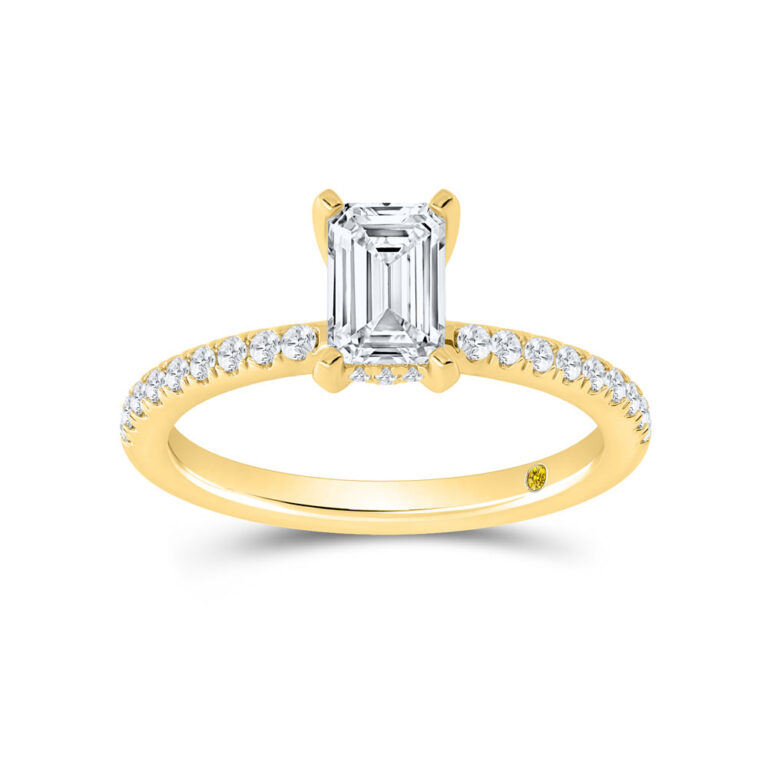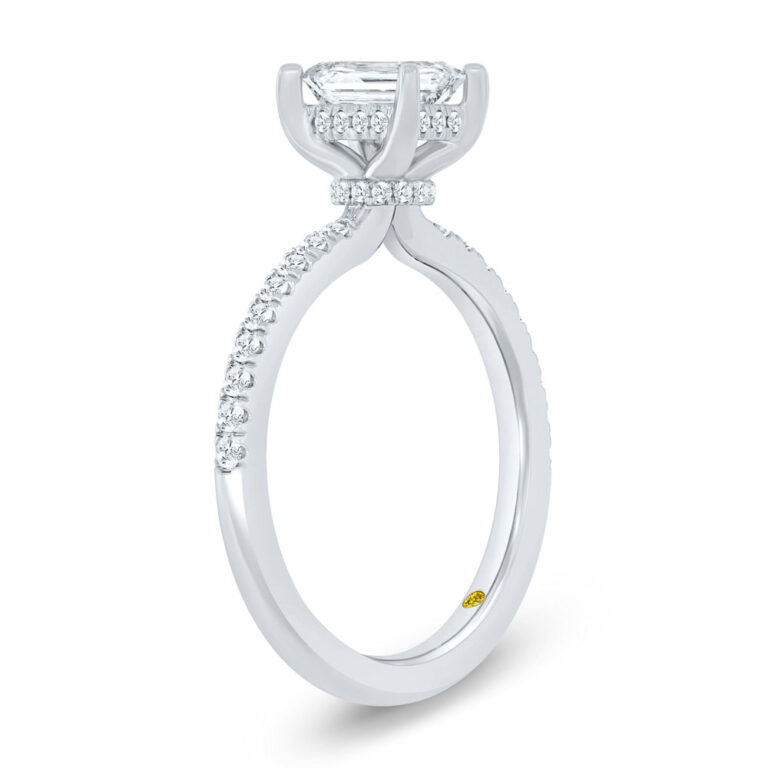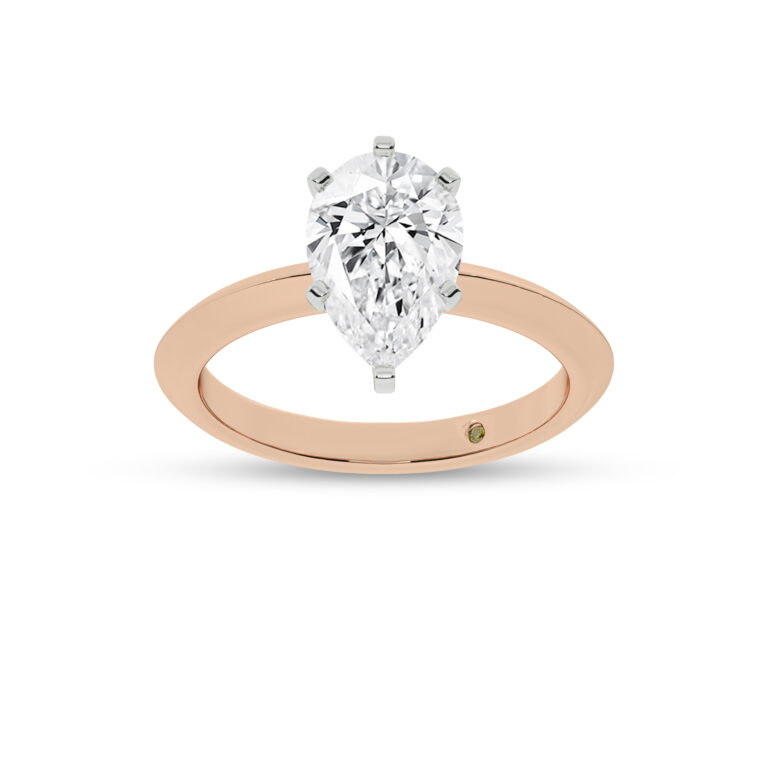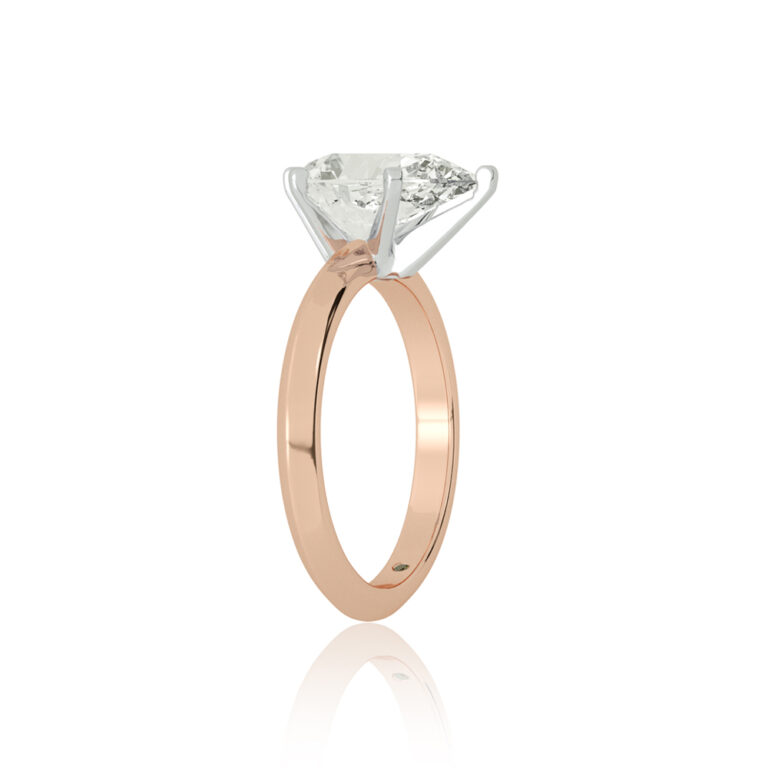
Deciding on the elevation of your center stone is one of the most crucial architectural choices you will make. In my 35 years of manufacturing fine jewelry, I have frequently demonstrated to clients in my office that comparing high profile vs low profile engagement rings is essential; the height at which the stone sits off your finger dictates both the aesthetic impact and the daily wearability of the piece.
By opting for a premium lab-grown diamond, you eliminate exorbitant mining markups, allowing you to focus entirely on engineering a custom mounting that perfectly matches your daily routine and personal style.
What Is a High Profile Engagement Ring?
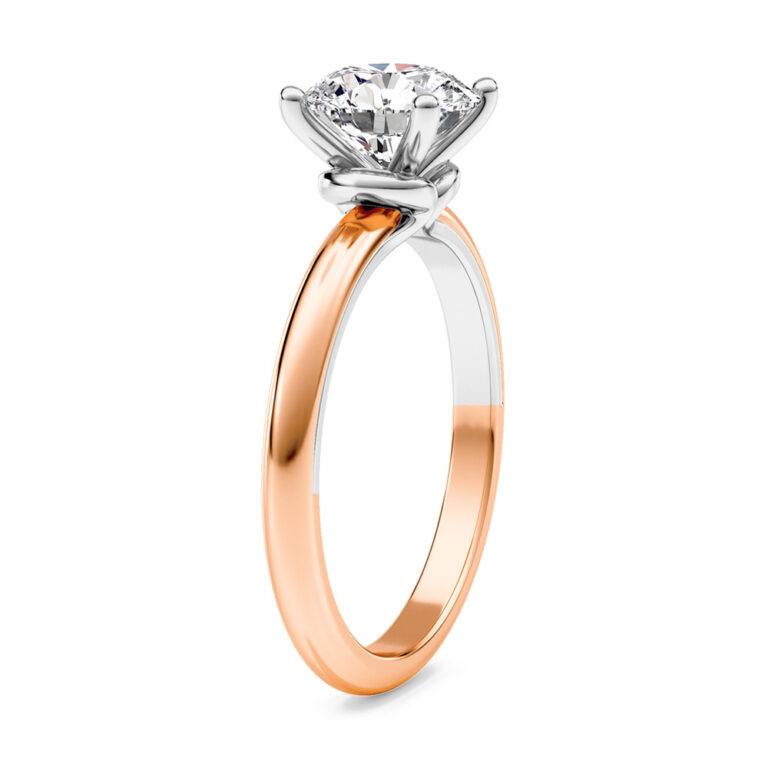
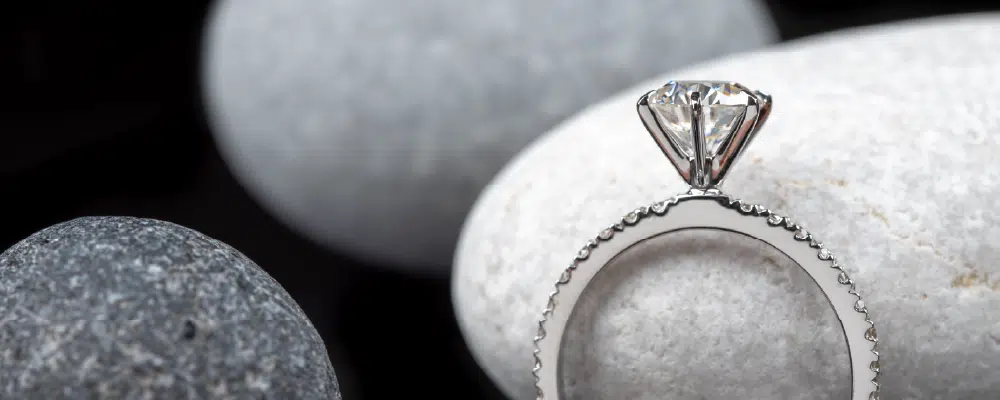
A high-profile engagement ring features a center stone that is prominently elevated above the band, usually held by long prongs or a cathedral setting. In my experience, the primary benefit of this style is the “wow factor” it creates on the hand. By lifting the diamond, the setting allows light to enter from all angles—including the pavilion. This maximizes the stone’s brilliance and fire.
This is why many people choosing lab-grown engagement rings prefer a high setting; it ensures their high-quality, brilliant diamond is the clear center of attention. Moreover, this elevation is particularly effective for pear diamond engagement rings. It allows the unique facets of the teardrop shape to capture maximum light.
What Is a Low Profile Engagement Ring?
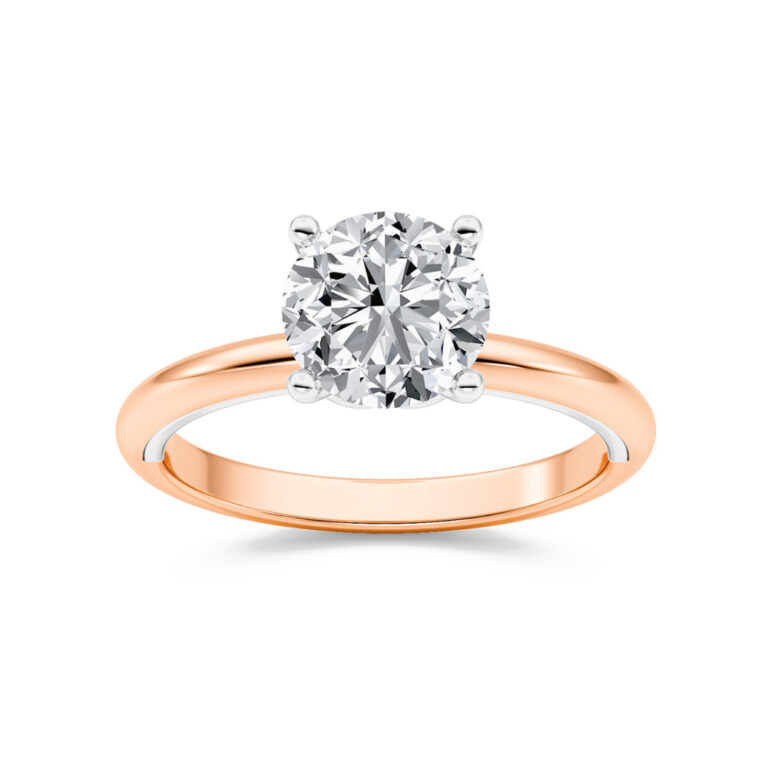
A low-profile engagement ring features a center stone that sits flush against the finger or is nestled deep within the band. This style is chosen for its incredible practicality and snag-free experience, making it ideal for those with active careers or hands-on hobbies. While the diamond remains the star, it is protected by the surrounding metal, which minimizes the risk of accidental knocks or loose prongs.
Many modern lab-made diamond engagement rings utilize low settings to achieve a sleek, minimalist aesthetic that feels timeless and refined. This is often the preferred choice for simple engagement rings that prioritize a streamlined look over sheer height.

The “Flush Fit” Factor: Wedding Band Compatibility
One of the most overlooked factors in the high vs. low debate is how the engagement ring will pair with a future wedding band. Because high-profile lab diamond engagement rings lift the diamond away from the finger, they often leave enough space for a straight wedding band to slide underneath and sit perfectly flush.
Conversely, low-profile rings sit so close to the skin that they often block a straight band from sitting flush. To eliminate this gap, you must utilize a contoured or ‘curved’ gold wedding band that elegantly wraps around the center stone’s basket. If building a perfectly aligned bridal set is your ultimate goal, establishing your ideal profile height is the vital first step.
Which Profile is More Practical for Daily Wear?
Practicality is the main differentiator between these two styles. High settings, while dazzling, are more prone to snagging on sweaters, hair, or gloves. They also require more mindfulness during daily tasks. In contrast, low-profile lab-made diamond engagement rings are the ultimate “practical luxury” choice.
They are less likely to catch on clothing or scratch surfaces, making them the preferred option for nurses, teachers, or anyone who works with their hands. Ultimately, the best profile is the one that allows you to wear your diamond with confidence every single day. For those concerned with durability, the top 5 benefits of pear-shaped rings include the ability to easily find low-profile, protective mountings.
Quick Reference: High Profile vs. Low Profile Settings
| Architectural Feature | High-Profile Setting | Low-Profile Setting |
|---|---|---|
| Visual Impact | Maximizes light entry from all angles for a dramatic, elevated “wow” factor. | Focuses light from the top, delivering sleek, understated elegance. |
| Daily Snag Risk | Higher risk of catching on clothing; best for mindful, careful daily wear. | Snag-free and highly secure; the ultimate choice for active, hands-on careers. |
| Wedding Band Fit | Leaves clearance for a straight wedding band to slide underneath completely flush. | Sits flush to the skin, typically requiring a contoured or curved band to close gaps. |
| Structural Balance | Top-heavy center of gravity; requires a supportive band to prevent sideways spinning. | Low center of gravity; rests stably on the finger even with delicate bands. |
| Cleaning Access | Fully exposed pavilion makes routine at-home cleaning exceptionally easy. | Enclosed basket traps daily oils; requires regular ultrasonic cleanings to maintain fire. |
The Hidden Logistics: Center of Gravity and Cleaning
When clients sit in my office to finalize their custom designs, I always walk them through two physical realities that are rarely discussed online: center of gravity and cleaning access.
The Center of Gravity (The “Spin” Factor)
A high-profile setting inherently creates a top-heavy ring. If you pair a massive 2.50-carat lab-grown diamond with an ultra-thin band in a high setting, the ring will constantly spin sideways on your finger. To counteract this high center of gravity, a tall setting absolutely requires a slightly wider, structurally sound band (or European shank) to lock the diamond perfectly upright. Low-profile rings, however, carry their weight close to the finger, meaning they will naturally stay centered all day, even on delicate bands.
The Cleaning Challenge
A low-profile ring is incredibly safe from impacts, but because the diamond’s pavilion (bottom) sits flush against the gold or your skin, it acts as a magnet for daily hand lotions, soaps, and oils. Furthermore, the low basket makes it much harder to reach beneath the stone with a cleaning brush. Therefore, if you choose a low-profile aesthetic, you must be committed to regular ultrasonic cleanings to maintain the diamond’s icy fire. High-profile rings, by contrast, leave the entire pavilion exposed, making them exceptionally easy to clean at home.

Conclusion
In summary, resolving the debate between high profile vs low profile engagement rings ultimately comes down to a thoughtful balance of visual drama and everyday comfort. By choosing a lab-made diamond engagement ring, you are making an intelligent choice that allows you to prioritize both quality and setting style.
To ensure the longevity of any setting height, the Gemological Institute of America (GIA) recommends regular professional check-ups to verify the security of the prongs. In my professional opinion, there is no wrong answer as long as the ring fits your life, your love, and your unique personality. For help finding the right scale for your profile, see our guide on the pros and cons of different carat sizes for pear engagement rings.