Couples often struggle to find an engagement ring that feels truly unique. Standard round solitaire engagement rings are safe, but they lack a certain bold edge. Choosing an elongated shape solves this problem instantly. I often help clients navigate the debate of Marquise vs Pear Solitaire Engagement Rings.
Both options offer incredible beauty, and opting for lab grown diamond engagement rings makes these large statement pieces a highly intelligent choice. We will explore how asymmetry works to your advantage, especially if you are just starting to discover what a solitaire engagement ring is and how to choose one. Finding the perfect fit is easier than you think.

What Are the Core Differences Between Marquise and Pear Shapes?
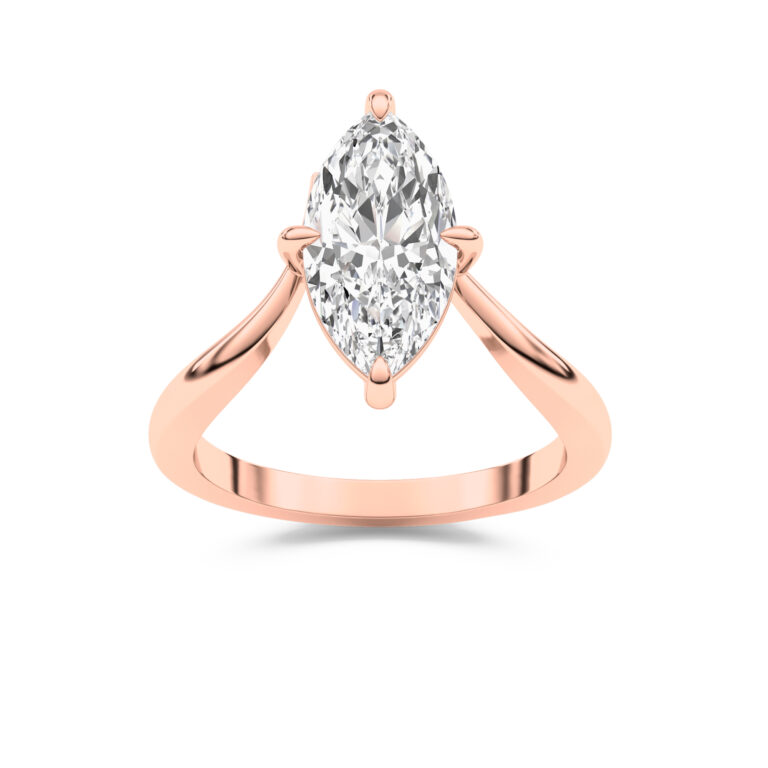
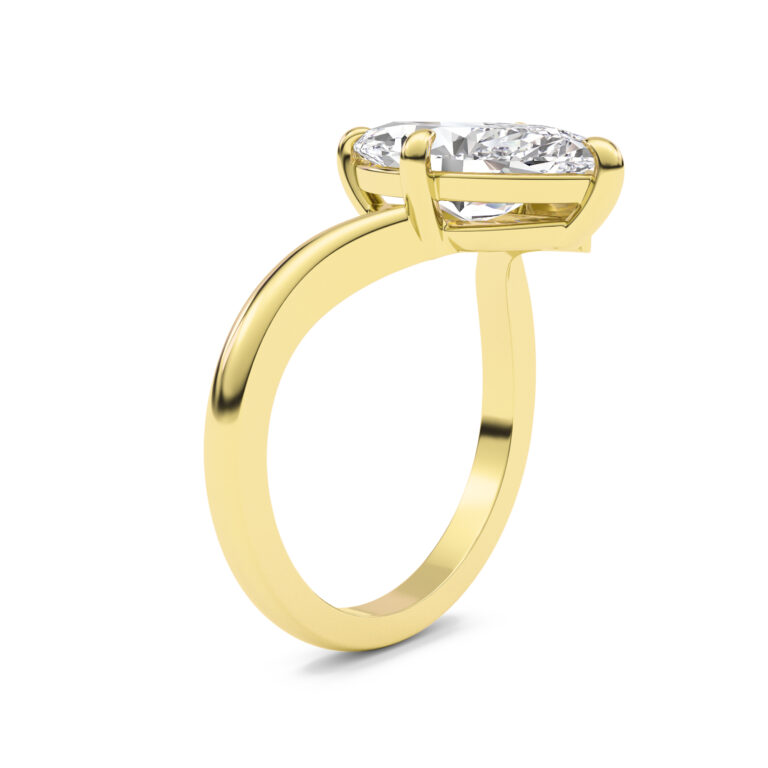
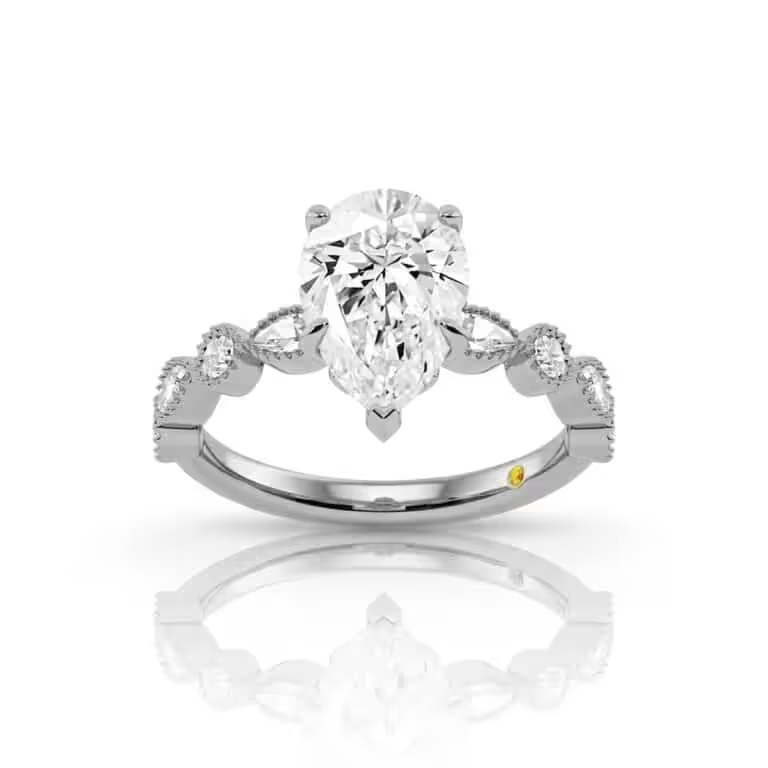
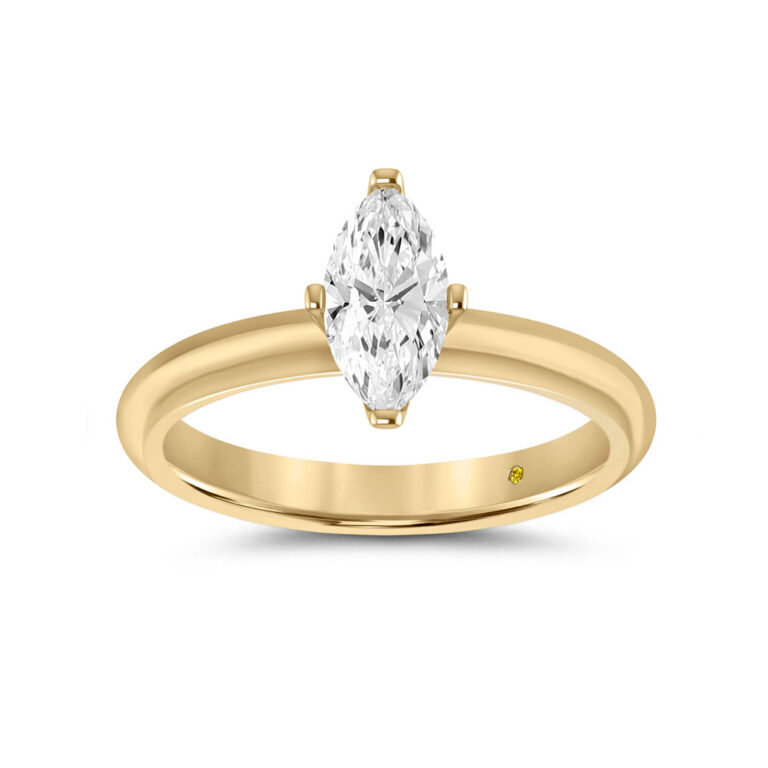
Marquise diamonds feature an elongated body with two pointed ends, while pear diamonds combine a round base with a single pointed tip.
Over my 30 years in the jewelry business, clients constantly ask me to explain this distinction. Walking into my office, buyers usually want a ring that turns heads. These two cuts do exactly that. The marquise solitaire diamond engagement ring resembles a small boat. It stretches proudly across the finger.
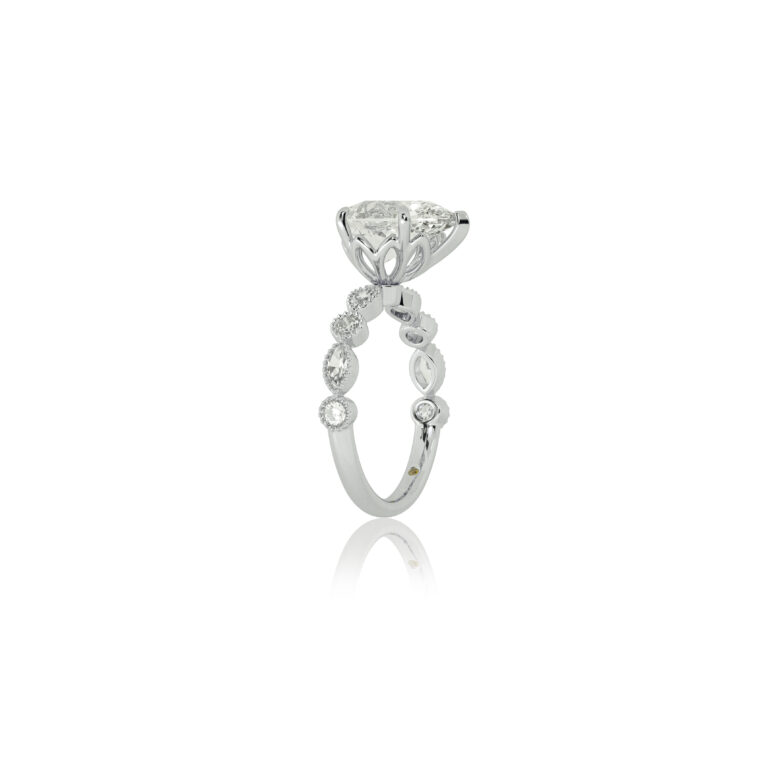
A teardrop is the best way to describe our pear shaped solitaire engagement ring. Blending the soft curves of an oval with the sharp drama of a point creates real magic.
Crafting these stones requires immense skill. Rough material must be cut perfectly to maximize brilliance. My manufacturing team spends hours analyzing each raw gem. We aim for perfect proportions. Selecting between the two comes down to personality.
Bold buyers lean toward the double points. Romantics often prefer the teardrop curve. History plays a fun role here too. King Louis XV famously commissioned the first boat-shaped gem, a royal history well-documented by gemological experts at the GIA. He wanted a stone that matched his lover’s smile.
Modern engineering has perfected that original design. Teardrops have been around even longer. Cutters hundreds of years ago realized polishing a point saved raw material weight. Today, we use lasers to map out the perfect cut. Technology ensures every single facet reflects maximum light.
How Do Finger Proportions Affect Your Shape Choice?
Finger proportions dictate whether the balanced teardrop or the stretched boat shape will look most natural on your hand.
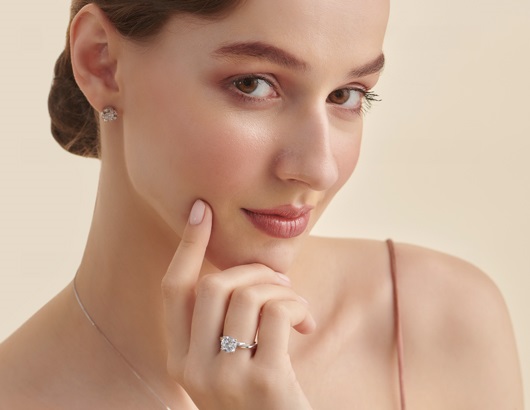
Short fingers look incredible with a long, thin gem. The visual stretch instantly adds length. Wide knuckles often need a slightly wider teardrop base. This creates balance across the hand. Trying on different carat weights helps visualize this perfectly, which is why we often recommend looking at a visual size comparison on the hand to see how different dimensions wear.
My office keeps several dummy rings just for this purpose. Seeing the metal on your skin changes everything. Photographs rarely do these statement pieces justice. Trust your own eyes above all else.

How Do These Shapes Slim the Finger?
The elongated profiles of both marquise and pear cuts draw the eye up and down, creating a visual illusion of a longer and thinner finger.
Women frequently tell me they want their hands to look elegant. Standard square cuts can sometimes make fingers appear wider. Sharp tips do the exact opposite. They guide the viewer’s gaze along the natural line of the hand. You get a massive look for your money. Modern brides love this visual trick.
Lab-grown diamonds make these big, flattering shapes highly affordable today. A three-carat stone used to be out of reach for many. Now, it is a smart, everyday reality, and many consider why a 3-carat center stone has become the modern icon for today’s brides. I have seen wide fingers completely transformed by a good solitaire setting. The asymmetry advantage is very real. It changes the entire geometry of the hand.
Why Are V-Prongs Essential for Pointed Diamond Cuts?
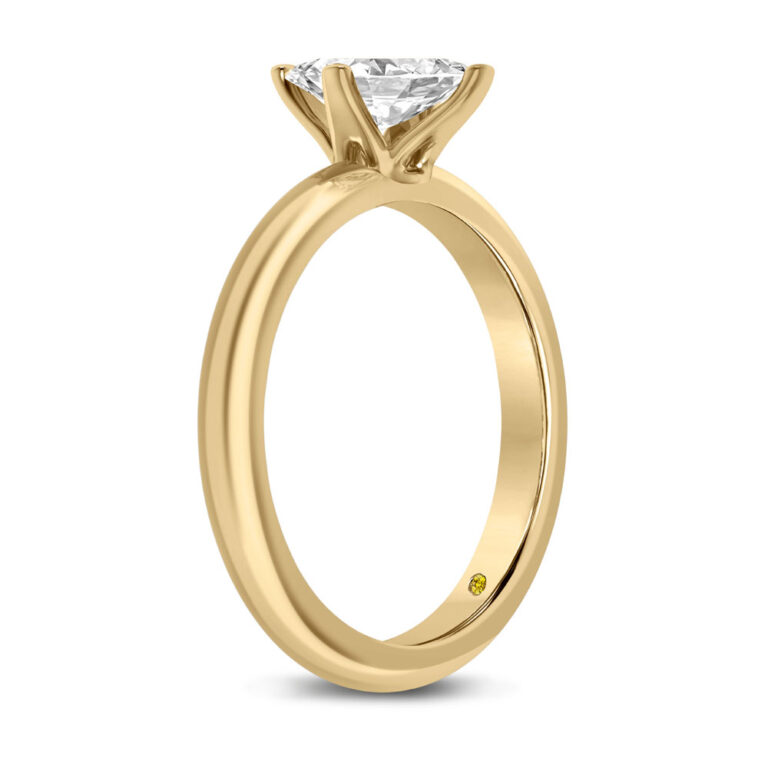
A metal V-prong securely covers the sharp tips of marquise and pear diamonds to prevent the fragile points from chipping during daily wear.
Seeing a broken gem breaks my heart. Decades of experience have shown me exactly how stones get damaged. Most destruction happens because a jeweler used a standard round claw on a sharp edge. Insist on proper protection, much like deciding between 4-prong vs 6-prong settings for standard shapes. A tiny bump against a steering wheel can easily fracture an exposed point.
We design our settings differently in my office. Crafting a solid corner of gold over that tip acts like a helmet. Platinum is too difficult to work with for delicate repairs later. Working exclusively with gold gives us the best results. White, yellow, and rose gold are all durable enough for this task. Your peace of mind is worth the extra metal. Never buy a pointed stone held only by regular round prongs.

Does Gold Work Well With Statement Diamond Shapes?
Solid gold in white, yellow, or rose hues provides a durable and beautiful foundation that perfectly complements the asymmetry of marquise and pear diamonds.
Many buyers wrongly assume they need exotic, ultra-hard metals for big stones. We rely entirely on gold for our jewelry. 14k or 18k alloys are absolutely ideal for secure settings. White gold gives a sleek, icy look. Yellow gold adds classic, rich warmth. Rose gold brings a romantic, vintage touch. If you are torn between these options, read more here to compare rose and yellow gold solitaire engagement rings.
Lab-grown diamonds shine brilliantly in all three colors. Prongs made of these alloys bend just enough to grip the stone safely. They do not snap under pressure. Polishing them back to a high shine is a breeze. Our craftsmen love shaping warm metal around a crisp teardrop. Creating such pieces brings us immense joy.
How Does the Asymmetry Advantage Work in Solitaire Rings?
The asymmetry advantage refers to how the unique, non-uniform outlines of pear and marquise cuts make a simple solitaire setting look bold and distinctive.
Standard round stones are beautiful but very common. A pear shape, worn with the point facing the fingernail, offers a dynamic, moving look. You can even flip it around for a different vibe. Marquise stones stretch across the finger unlike anything else. They are pure statement pieces. People notice them from across the room.
A basic metal band is all you need. Adding extra side stones often clutters the design. Solitaires let the main gem do all the talking. We highly recommend keeping the band plain. This focuses all attention on the central sparkle, though there are many elegant ways to make your single-stone engagement ring unique. Understanding Marquise vs Pear Solitaire Engagement Rings means embracing their independent style.

What is the Bow-Tie Effect in Elongated Diamonds?
The bow-tie effect is a dark, shadow-like band across the center of elongated diamonds caused by light leaking through the bottom facets.
Every long cut has some degree of this shadow. Finding a gem with a minimal dark band is crucial. Severe shadows make the stone look dull and lifeless. Expert cutters know how to arrange facets to bounce light properly, a concept deeply rooted in the diamond cut grading system established by authorities like the GIA.
My office rejects anything with a heavy, distracting dark center. We carefully source the brightest lab-grown options available. Brilliant flashes of light should always overpower any slight shadows. Holding the gem in natural sunlight reveals its true character. Tilt the gem slowly from side to side. Watch how the center reacts. Great cuts hide the bow-tie beautifully.
Which Lab-Grown Diamond Shape Offers Better Value?
Both marquise and pear lab-grown diamonds cost less per carat than round brilliants, but marquise cuts appear slightly larger due to their maximized surface area.
Smart buyers choose lab-grown stones today. They are real diamonds without the inflated, outdated price tags. You get incredible size and perfect clarity for a fraction of the cost. I always guide my clients toward these modern gems. A two-carat teardrop looks huge compared to a two-carat round. Stretched shapes hold much of their weight at the top. This means you pay for what you actually see.
Pear cuts are slightly deeper, holding a bit more weight underneath. Budget-conscious couples love the spread of a boat-shaped cut. Comparing Marquise vs Pear Solitaire Engagement Rings shows that both stretch your dollar nicely. Maximize your budget by choosing lab-grown over mined.
If you are exploring other elongated shapes that offer great value, why the oval cut is another incredibly smart choice is a topic worth exploring. Mining companies charge a premium for perfectly round rough stones.
Growing gems in a lab completely changes that dynamic. Scientists can cultivate crystals in shapes that favor elongated cuts. Less wasted material during cutting means lower costs for you. This efficiency gets passed directly to the consumer. Saving money on the center stone allows for a thicker gold band.
Quality should never be compromised for budget.
How Do You Compare the Sparkle of Marquise vs Pear Cuts?
Pear shapes typically deliver slightly more brilliant sparkle because their rounded bottom half closely mimics the facet structure of a traditional round brilliant diamond.
Boat-shaped cuts still offer intense, beautiful light return. Their crushed-ice look at the tips is very attractive. Teardrops give you the best of two worlds. The curved base flashes just like a classic circle. That pointed end brings a unique, fiery shimmer. We evaluate light performance in every single gem. Dull stones never make it into our inventory. Choosing between them usually depends on which type of flash you prefer.
Some love the structured brilliance of the round base, reminiscent of a classic round diamond solitaire engagement ring. Others crave the sharp, shattered-glass effect of double points. Both will dazzle perfectly in a minimal setting.
Essential Specifications for Your Engagement Ring
Organizing the technical details helps clarify your final purchasing decision.
Looking at data makes the process much less stressful. I built this simple chart to summarize the key points we discuss daily.
| Feature | Marquise Solitaire | Pear Solitaire |
| Shape Description | Elongated with two points | Round base with one point |
| Finger Effect | Highly slimming and lengthening | Slimming, draws eye to the tip |
| V-Prong Requirement | Mandatory on both ends | Mandatory on the single tip |
| Bow-Tie Risk | Moderate to High | Low to Moderate |
| Best Setting Metal | White, Yellow, or Rose Gold | White, Yellow, or Rose Gold |
| Ideal Lab-Grown Vibe | Bold, dramatic statement | Romantic, elegant statement |
Conclusion
Deciding on the perfect ring boils down to your personal, everyday style. Analyzing Marquise vs Pear Solitaire Engagement Rings reveals two fantastic, finger-flattering options. Just remember to protect those beautiful tips with proper gold hardware. Choosing a lab-grown diamond ensures you get a massive, ethical statement piece.
If you want something entirely tailored to your vision, we invite you to explore La Joya’s custom engagement rings as a wonderful next step.