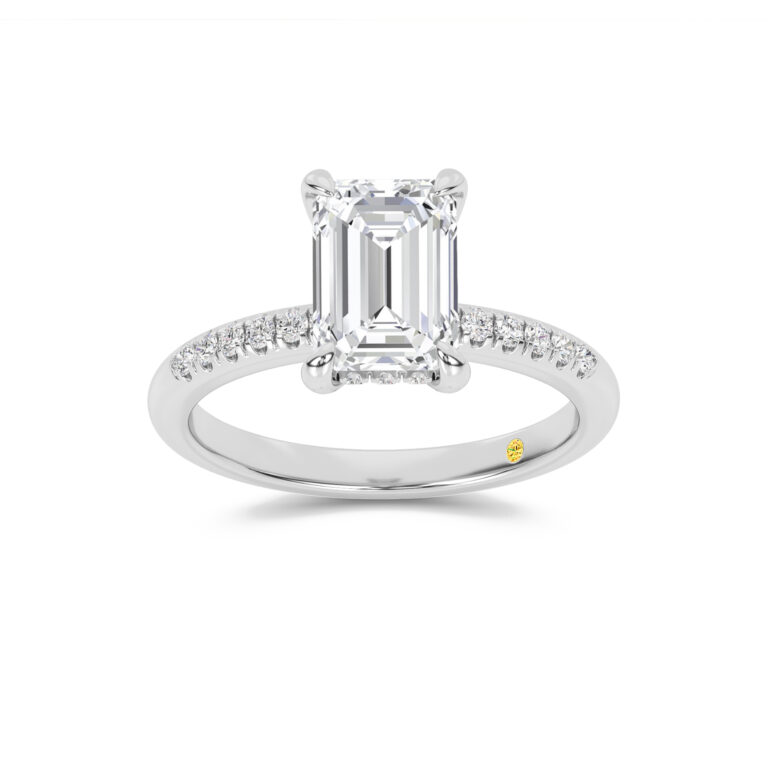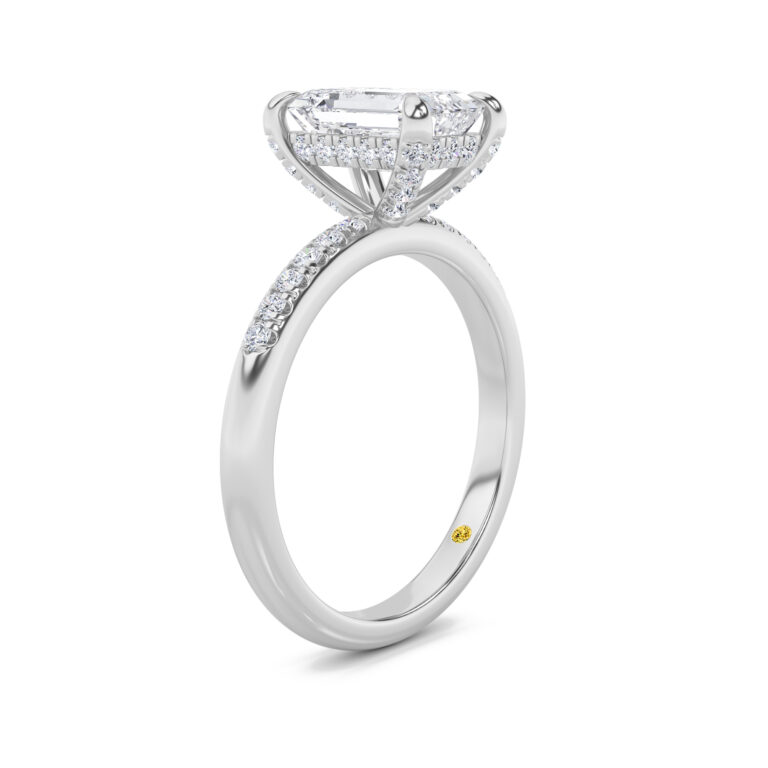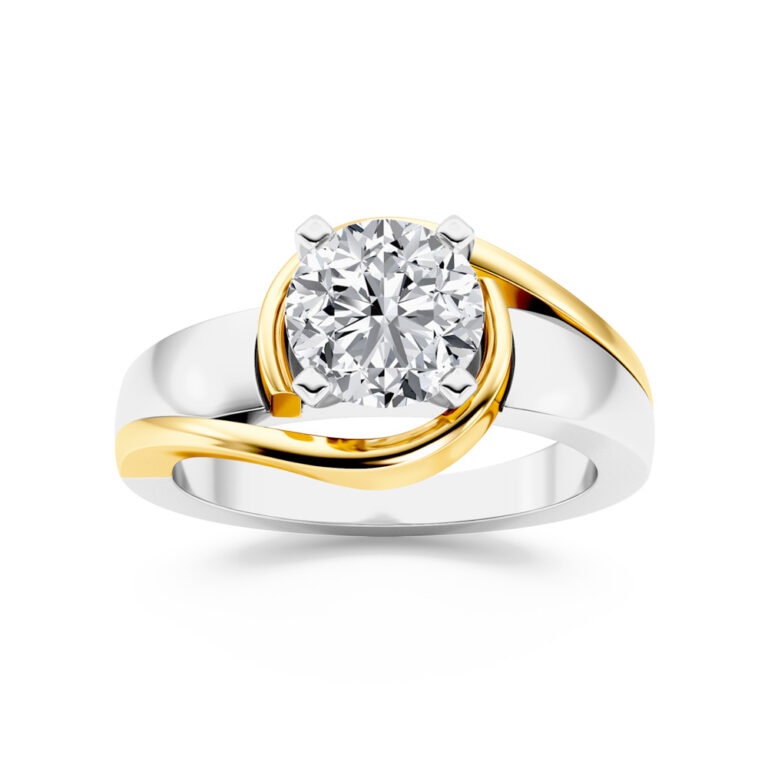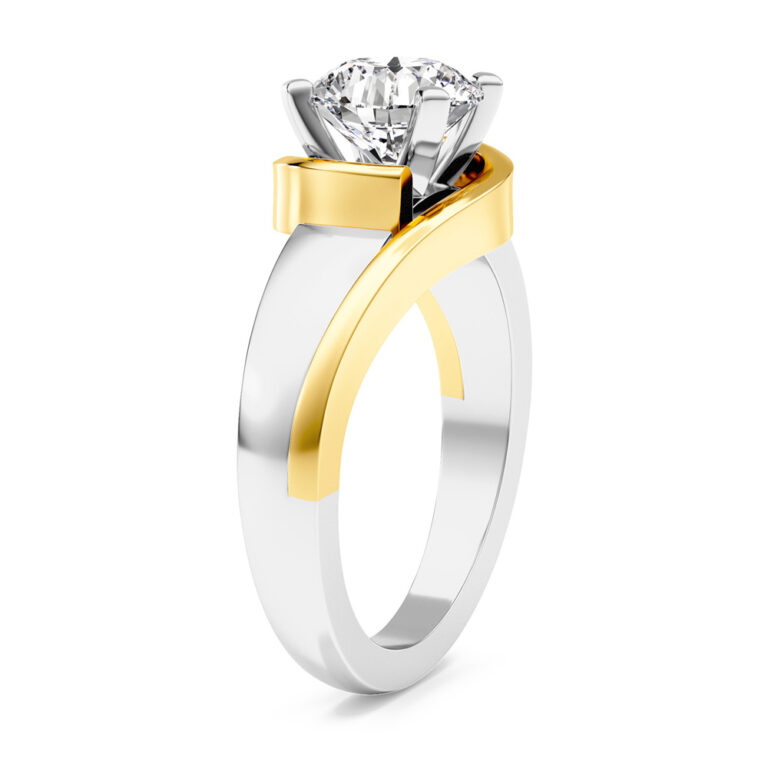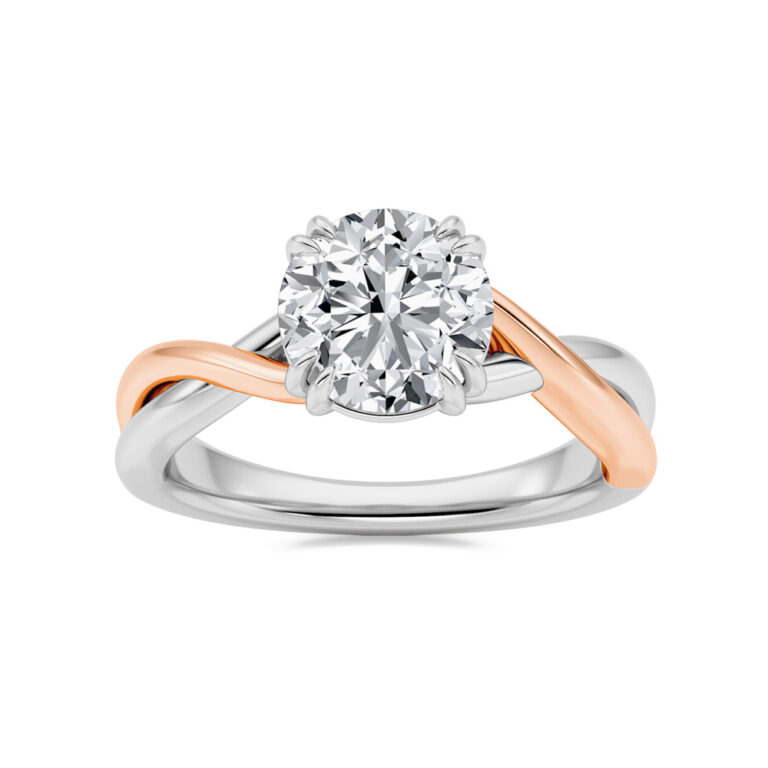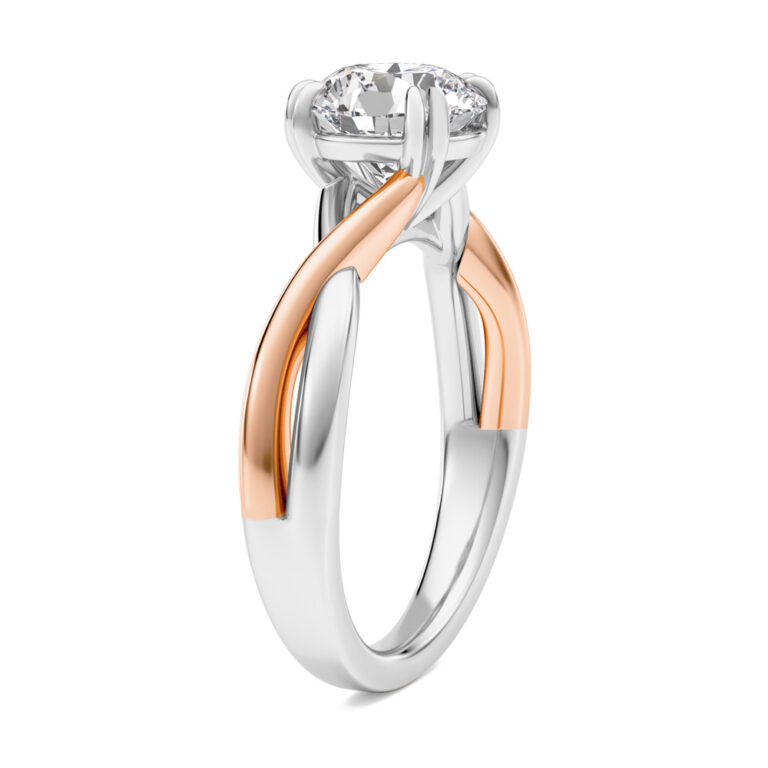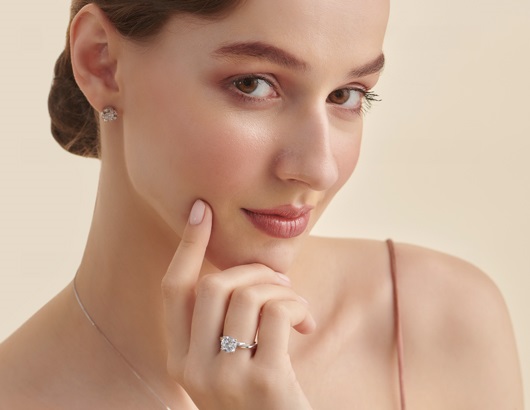
Mixing metals is easy, but creating a look that feels like a curated, high-end bridal set takes strategy. Brides often sit in my office terrified that their wedding band will clash with their engagement ring.
Over three decades in the jewelry business, I have seen every possible combination come across my desk. You want your stack to look intentional, rather than accidental. Mastering the art of mixing white and yellow gold rings elevates your entire jewelry wardrobe. We will explore the exact rules to make your metals work together flawlessly and beautifully.

What is the Best Strategy for Mixing White and Yellow Gold Rings?
The most effective strategy for mixing white and yellow gold rings is using the bridge technique, balancing the visual weight of each band, and integrating sentimental heirlooms.
Clients frequently ask me how to pair different gold colors without looking messy. My answer always comes back to intentional design. A stack must feel planned from the very beginning. We see this daily when designing premium lab-grown diamond sets for discerning couples. Embracing a two-tone aesthetic beautifully solves the common “heirloom dilemma” many families face.
Individuals often inherit a cherished yellow gold family band but intensely desire a modern white gold engagement ring. Mixing metals smartly allows you to honor your family’s history while still prioritizing your personal style. Lab-grown stones offer incredible brilliance that ties these contrasting metals together perfectly.
How Does a Bridge Ring Connect Different Metals?
A bridge ring acts as a visual anchor by combining both gold colors into a single two-tone band that sits firmly between two solid metal rings.
Think of this piece as a stylistic translator for your hand. Placing a two-tone band between a solid yellow engagement ring and a solid white anniversary band creates a seamless, elegant flow. Years ago, we hand-forged these pieces specifically to solve clashing issues for custom bridal orders.
Today, a custom two-tone bridge ring remains the absolute most elegant solution available. It instantly transforms a chaotic, mismatched stack into a cohesive masterpiece.
What is Visual Weight in Ring Stacking?
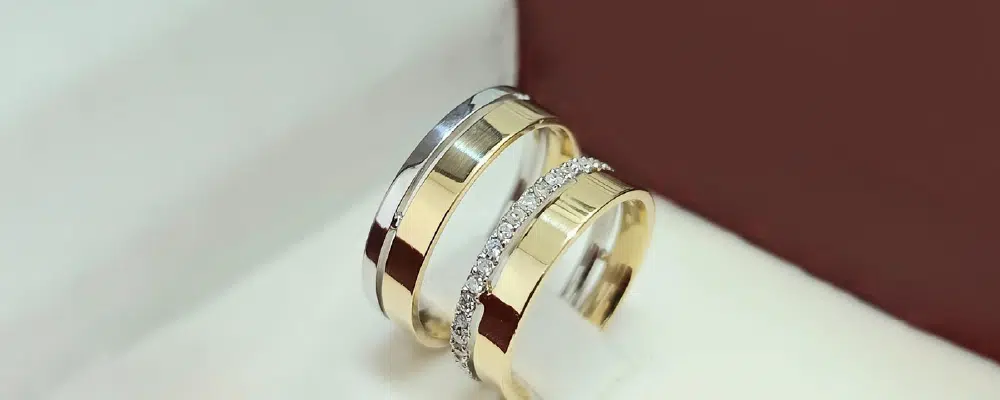
Visual weight refers to the perceived size, thickness, and texture of a ring that dictates exactly how heavy or light it looks on the hand.
You cannot just pile identical bands on top of each other and hope for the best. Stacking requires real architectural balance. If you wear a thick 14k yellow gold band, pair it with a delicate, white gold diamond wedding band. A great rule of thumb I share in my office is to keep your mixed-metal band widths within 1mm of each other to avoid a chaotic silhouette.
Furthermore, always prioritize matching the design aesthetic over the metal color itself. Pairing an ornate, vintage yellow gold engagement ring with a sleek, ultra-modern white gold band often feels disjointed. Matching two vintage styles in contrasting metals, however, looks incredibly deliberate. Proportion and cohesive styling are the true secret ingredients to luxury jewelry.
How Do White and Yellow Gold Age Differently?
White gold requires periodic rhodium plating to keep its bright silver finish, whereas yellow gold naturally develops a subtle surface patina over time.
Understanding long-term maintenance is crucial when mixing white and yellow gold rings for daily wear. Many buyers simply do not realize how metals interact as they age side by side over the years. Yellow gold is incredibly forgiving and proudly holds its warm hue forever.
White gold, however, relies on a microscopic rhodium coating that eventually wears off, revealing a slightly yellowish undertone underneath. I always advise my clients to carefully plan for this routine maintenance. Keeping your luxury stack looking pristine requires regular polishing and replating to maintain that crisp contrast.

Which Metal Combination Matches Your Skin Tone?
Warm skin tones look best with a dominant yellow gold stack, cool tones shine with dominant white gold, and olive tones suit equal mixes of both metals.
Metal color plays heavily against your natural undertones and can change the whole look of a ring. Finding the right dominant metal makes your high-quality lab-grown diamonds pop even more brilliantly. Veins that appear green indicate a warm undertone, while blue or purple veins suggest a cool undertone.
Anyone with olive skin has the ultimate neutral canvas, making them incredibly lucky when styling mixed metals. When stacking, always place the metal that best flatters your specific undertone closest to the base of your hand. For example, wearing a yellow gold wedding band at the bottom of your engagement ring will enhance a warm complexion’s natural glow. This allows the white gold engagement ring sitting directly above it to deliver pure, contrasting diamond brilliance.
Gold Alloy Comparison for Mixed Stacks
| Metal Type | Alloy Composition | Durability for Daily Wear | Maintenance Needs |
| 10K Gold | 41.7% pure gold, high alloy mix | Extremely durable, hard | Low maintenance, slow to scratch |
| 14K Gold | 58.3% pure gold, balanced alloys | Very durable, excellent for rings | Moderate maintenance, holds polish well |
| 18K Gold | 75.0% pure gold, lower alloy mix | Softer, rich color, premium feel | Needs gentle care, shows scratches faster |

Conclusion
Crafting the perfect bridal stack requires significantly more than just picking pretty bands out of a display case. Every piece should reflect your personal style while maintaining strict structural and visual harmony.
Explore La Joya’s lab-grown diamond collections, which are designed with this exact architectural precision in mind. You truly deserve a ring combination that looks stunning today and remains flawlessly timeless for decades to come.