Choosing an engagement ring is one of the most significant, high-stakes purchases you will make. It represents a deep emotional commitment, but the shopping process can often feel overwhelming, with complex technical terms and opaque pricing structures making it hard to know if you are making the right choice. Balancing your desire for that iconic, breathtaking sparkle with your practical financial goals is a delicate dance.
Over three decades in my office, I have had the privilege of guiding thousands of couples through this exact dilemma. My family’s third-generation foundation in this industry has taught me that true value isn’t about simply paying the highest price; it’s about making intelligent, informed choices that secure both your diamond and your future together.
When looking at the options available today, the choice between a natural diamond vs lab created diamond alternatives is often the smartest value decision you can make—provided you prioritize expert engineering over tradition.

How Does a Princess Cut Diamond Differ from Other Shapes?
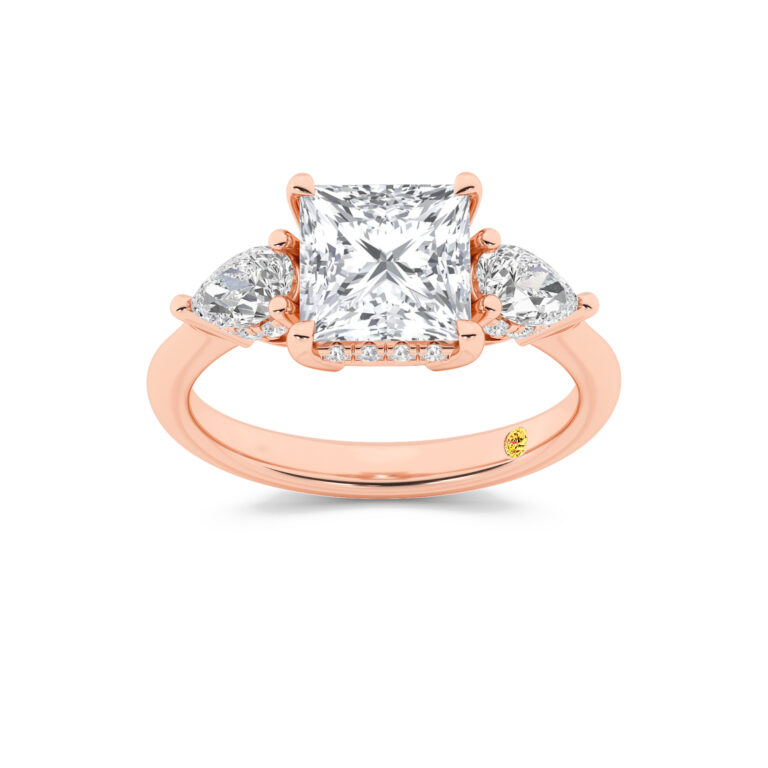
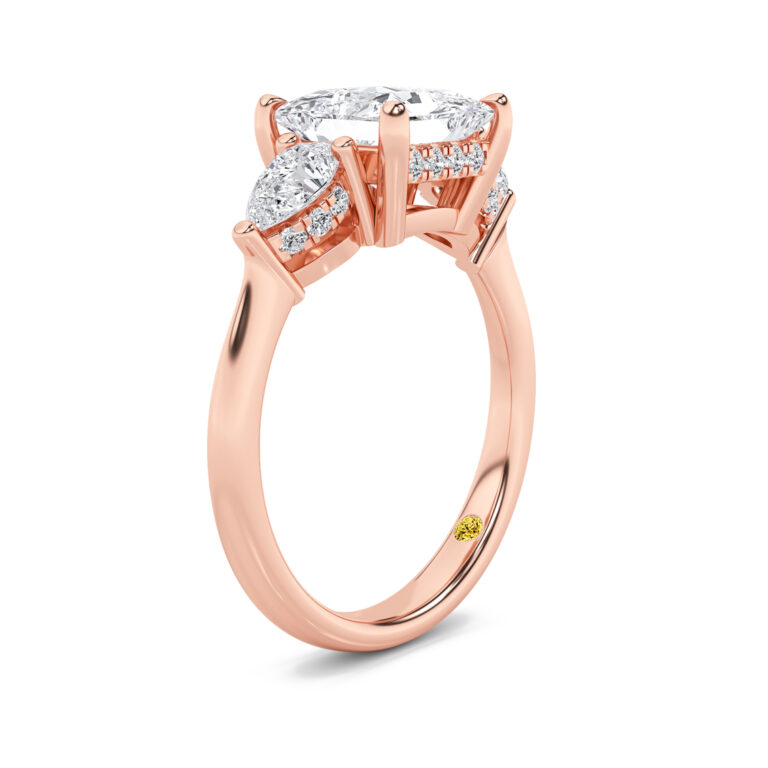
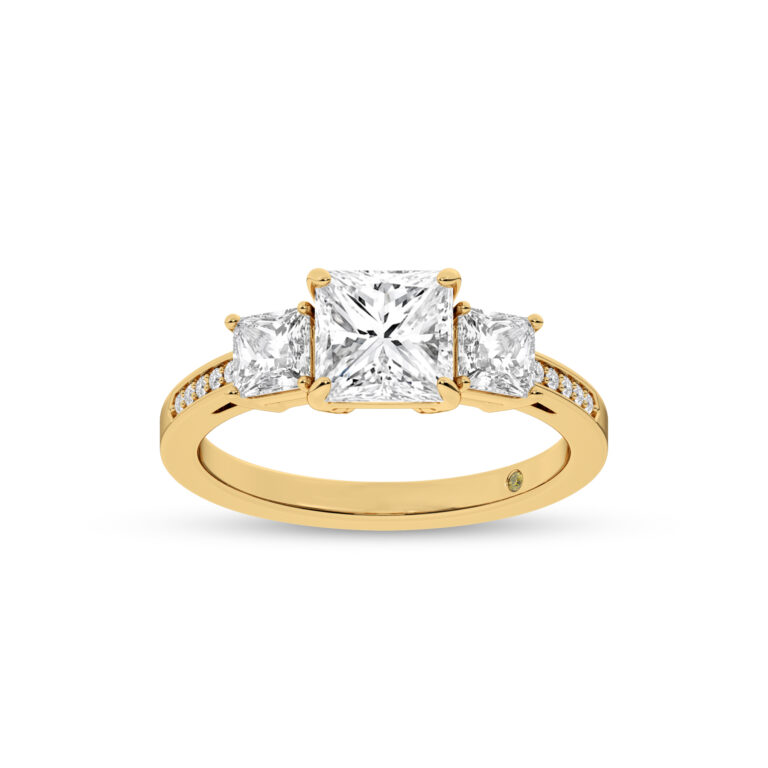
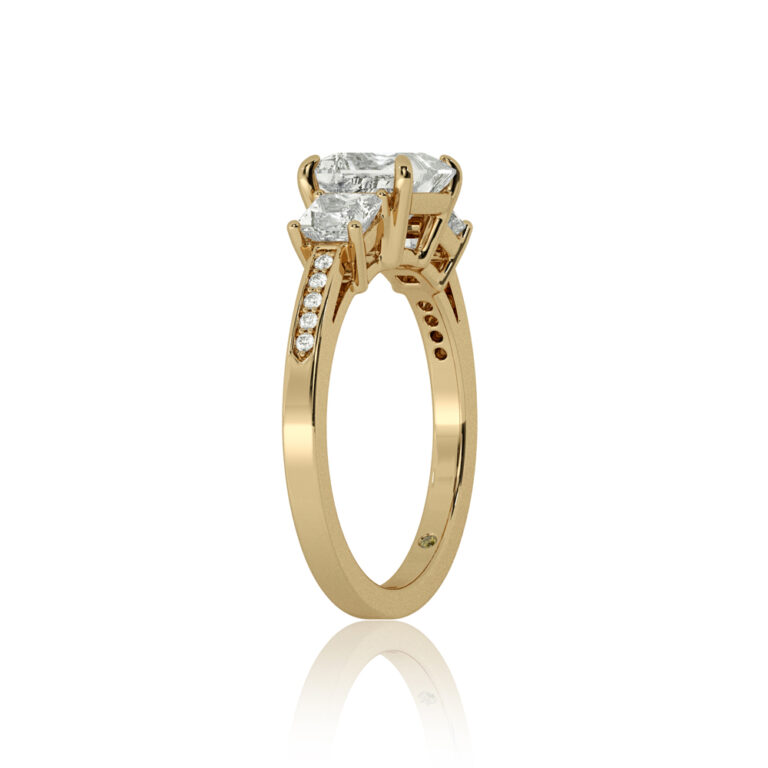
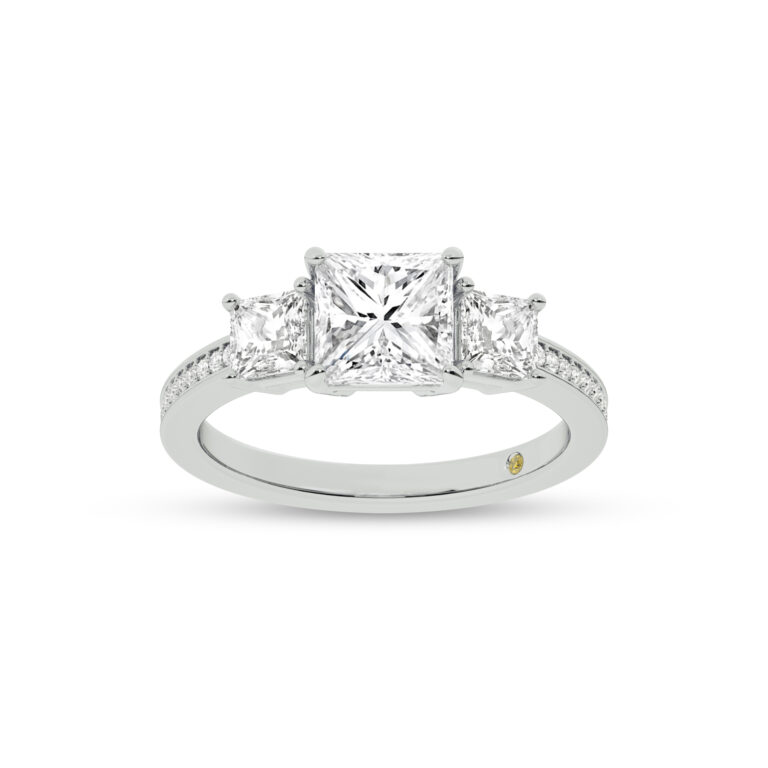
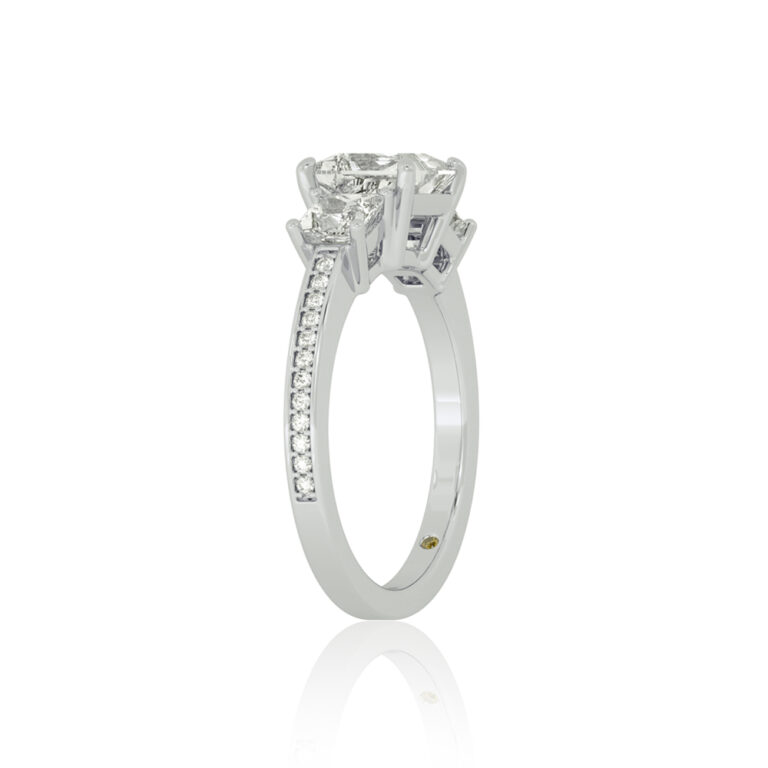
A princess cut diamond is a square-modified brilliant cut known for its intense sparkle and clean, modern geometry. Its unique design maximizes light return by using a series of specific chevron facets, which give the stone its trademark brilliant scintillation.
However, while this geometry is visually stunning, those sharp, 90-degree corners present the stone’s greatest engineering challenge. Unlike the rounded edges of an oval or round diamond, these pointed tips naturally concentrate stress. This inherent structural weak point makes them highly prone to chipping if accidentally struck against a hard surface during everyday wear.
Because I examine thousands of diamonds in my office, I can usually spot a poorly cut princess diamond instantly. Unfortunately, many generic retailers offer stones that look appealing on paper but possess extremely thin girdles or lack proper symmetry, which directly increases that chipping risk.
To counteract this, my preference is always to source diamonds with a slightly thicker girdle near those corners—a structural necessity we prioritize for our clients. When you buy a standard “commercial grade” trio of princess cuts, you are effectively increasing this risk threefold, which makes your choice of setting absolutely critical to the ring’s longevity.

Is 18k Gold Secure for a Three Stone Princess Cut Setting?
Yes, 18k gold is highly secure and is our gold standard for holding precious stones. Its superior purity—being 75% gold—offers a rich, sophisticated luster while providing the necessary structural integrity for everyday wear.
While lower karat options like 10k or 14k are technically harder, they lack the fine workability our master jewelers require to precisely shape the setting around a complex trio of stones. Because 18k gold offers this perfect balance of strength and malleability, it allows us to craft beautiful custom made engagement rings that don’t just look spectacular but are structurally sound.
I strictly advise against platinum for a three stone design for two very practical reasons: maintenance and weight. While platinum is durable, it scratches easily and quickly develops a dull, gray “patina,” requiring constant polishing to maintain its shine. Furthermore, platinum is incredibly dense.
A three stone ring already carries significant diamond weight at the top; adding a heavy platinum setting makes the ring top-heavy, causing it to constantly and annoyingly spin on your finger. Gold is lighter and retains its bright finish far better, ensuring your ring sits comfortably upright.
Ultimately, the security of your complex ring design is not just about the metal’s hardness; it’s about the jeweler’s engineering. When we craft a ring, we aren’t just placing diamonds into a pre-made mold. We are carefully balancing the total carat weight and ensuring the structural touchpoints can handle the rigors of daily life.
This meticulous approach is how we ensure that a setting holding three delicate princess cuts can withstand substantial wear. To achieve this premium level of security, we cast every ring brand new, guaranteeing a setting that is pure, strong, and never compromised by hidden stress fractures.
Are Lab-Grown Diamonds as Durable as Natural Diamonds?
Absolutely, lab-grown diamonds are identical in physical, chemical, and optical properties to natural diamonds, achieving a perfect 10 on the Mohs hardness scale. They are quite literally the exact same material; the only difference is their point of origin.
This means a 1-carat lab-grown princess cut stone from our collection has the same atomic durability as a mined counterpart. Because both diamonds are exceptionally scratch-resistant, they both remain equally vulnerable to fracture or chipping from a sharp impact to those crucial, pointed corners.
Understanding this structural reality beautifully shifts the conversation for buyers. Since the material itself is identical, choosing a lab-grown diamond becomes a thoughtful conversation about value and engineering, rather than a debate over “fake vs. real.”
My clients who opt for a three stone princess cut engagement ring find they can easily access much higher clarity and color grades—the real drivers of visible beauty—while comfortably remaining within their sensible budget.
We advise every client that true, lasting durability comes from the combination of a high-quality diamond and its protective setting, not just the stone’s origin story.
Natural vs Lab Grown Three Stone Princess Cut Engagement Ring: The Ultimate Cost and Size Comparison
A lab-grown diamond cost structure typically offers a 50-70% reduction in price for the equivalent quality and size natural diamond.
When you are shopping for a three stone engagement ring, this price difference becomes even more significant because you must coordinate three perfectly matched, high-quality stones. If your budget is a firm $2,700, the table below illustrates the dramatic difference in size and quality you can achieve.
A 3-stone ring inherently multiplies your costs—a vital factor many beginners overlook. Using our Debt-Adjusted Ring Calculator methodology, it becomes clear that going lab-grown isn’t just about saving money; it’s about starting your marriage with an incredible piece of jewelry without incurring a single dollar of unnecessary debt.
This size advantage is especially critical for this specific shape due to the “Iceberg Effect.” Princess cuts carry much of their weight deep in the bottom (the pavilion) of the diamond.
As a result, a 1-carat natural Princess cut will look noticeably smaller face-up (in millimeters) than a 1-carat round diamond. Choosing a lab-grown alternative allows you to easily afford a 2.0 to 3.0-carat stone, compensating for this deep cut and ensuring your ring has the substantial “wow factor” and visual surface area you desire.
In my office, we find that a $2,700 budget typically secures a total natural diamond weight of roughly 0.75-1.0 carat in a commercial quality (like J-K color, I1-I2 clarity) on a standard 14k gold band. For the exact same $2,700, however, we can provide you with a stunning 2.0-2.5 carat total weight lab-grown trio, featuring premium colors (D-F) and exceptional clarity (VS1-VS2) beautifully set in 18k gold.
| Feature (Total 3-Stone Ring) | Natural Princess Cut (Approx. $2,700) | Lab-Grown Princess Cut (Approx. $2,700) |
| Total Carat Weight | ~0.75 – 1.00 TCW | ~2.00 – 2.50+ TCW |
| Center Stone Size | ~0.50 carat | ~1.00 – 1.25+ carat |
| Side Stones Size | ~0.15 – 0.25 carat each | ~0.50 – 0.75 carat each |
| Color Grade (Avg.) | H – J (Near Colorless) | D – F (Colorless) |
| Clarity Grade (Avg.) | SI1 – I1 (Slightly Included) | VS1 – VVS2 (Very Very Slightly Included) |
| Metal Quality | 14k Gold | 18k Gold (White, Yellow, or Rose) |
| Setting Type | Standard Prongs (Higher Risk) | Protective V-Prongs (High Security) |
| Long-Term Value | Sentiment, Resale Subject to Market | Financial Freedom, Guaranteed Beauty |
| Debt Status | Likely Financed/Debt-Loaded | $0 Debt (Debt-Adjusted Value) |
Why Are V-Prongs Mandatory for Princess Cut Diamonds?
A protective V-prong setting is the only structurally secure option for a princess cut diamond because it completely encases the fragile 90-degree corners in a solid shield of metal
The standard “prongs” on most generic princess cut rings are fundamentally inadequate. While standard prongs might look delicate and pretty, they unfortunately leave those vulnerable, sharp corners completely exposed.
A single, focused blow at that precise point can chip the stone, potentially ruining your precious investment. This risk applies equally to both natural and lab-grown diamonds, which is why the ultimate solution is not choosing a different stone, but insisting on better engineering. If you are preparing to pop the question soon, I highly recommend you read our proposal guide to ensure you are considering all these structural details beforehand.
The only truly acceptable setting for a princess cut diamond is a protective V-prong. This specific setting uses a solid “V” shape of metal to completely encase the fragile corner, acting as an elegant but robust structural shield.
But here is the critical pivot: because lab-grown diamonds offer such massive cost savings upfront, you must redirect a small portion of those savings into a heavier, more robust, and more secure V-prong setting. Do not fall for the common trap of buying an oversized lab stone and skimping on the metal that holds it.
Our commitment is to ensure that the beautiful trio of princess cut diamonds in your ring are always set with the heaviest V-prongs my office can cast, making it a sophisticated investment in the long-term integrity of your jewelry.
Conclusion
Your engagement ring journey should begin with expertise, not marketing hype. Choosing between a natural vs lab grown three stone princess cut engagement ring is a nuanced, deeply personal decision, but prioritizing structural security via V-prong settings is simply not optional.
My office is dedicated to leveraging thirty years of technical engineering to deliver structurally sound, sophisticated jewelry that beautifully represents your love without compromise.
Secure your investment and your peace of mind. Explore our princess cut collection to find protective V-prong settings built to last a lifetime.