You may want to show a deeper commitment to your partner. However, navigating relationship milestones can feel confusing. If you find yourself weighing a promise ring vs engagement ring, knowing the true difference helps you pick the right symbol. Over my 35 years in the diamond industry, many couples have visited my office with this exact question.
To guide them, I break down the physical and emotional details of these important rings. As a result, you will learn how to match your relationship stage with the perfect piece of high-quality craftsmanship, such as choosing the right wedding ring to complement your engagement ring in the future.
What Does a Promise Ring Represent?
A promise ring represents a commitment to exclusivity and a long-term relationship without the immediate timeline of a formal marriage proposal. I often explain to clients in my office that this stage is about expressing deep devotion.
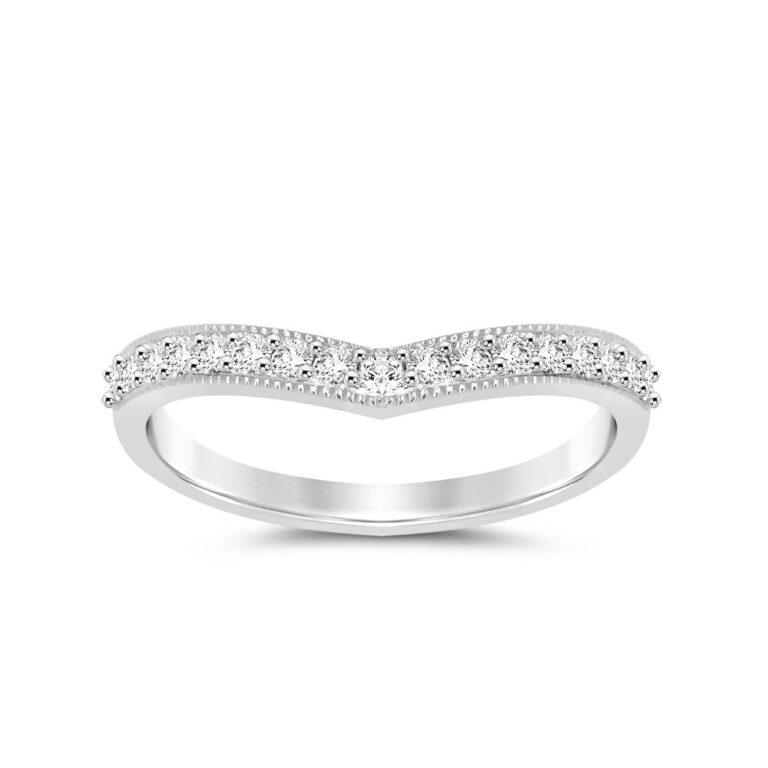
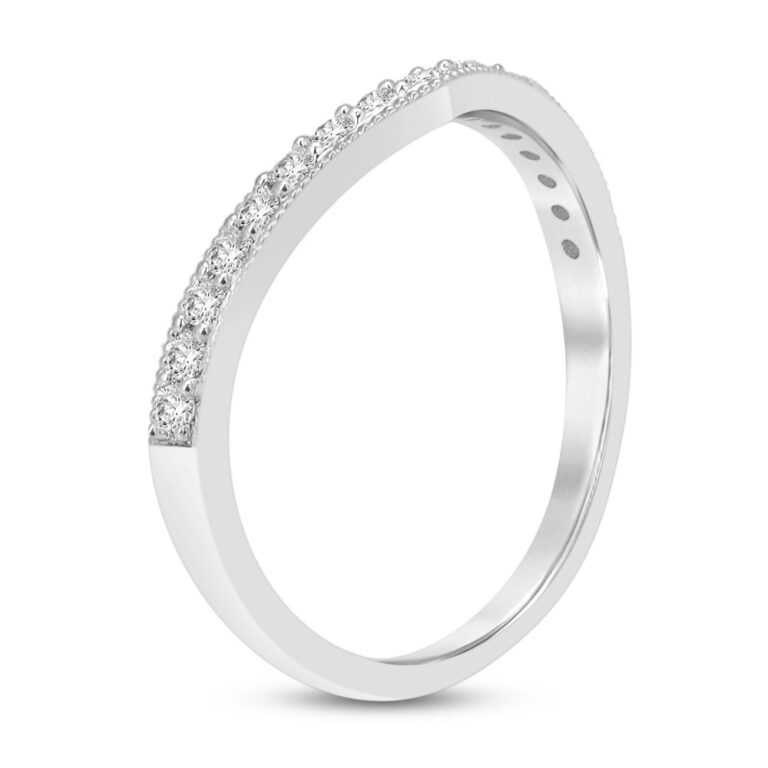
Because of this flexible timeline, the physical design is usually subtle. We often use bezel or flush settings that keep the diamonds low to the finger. This lower profile protects the gems from the daily wear and tear that raised prongs face.
As an added bonus, a smoother setting prevents the ring from snagging on your clothing. If you want a piece that transitions easily to a right-hand ring later, exploring our classic 10k rose gold promise rings or learning what you need to know about promise rings vs engagement rings is a smart choice.

What Defines a Formal Engagement Ring?
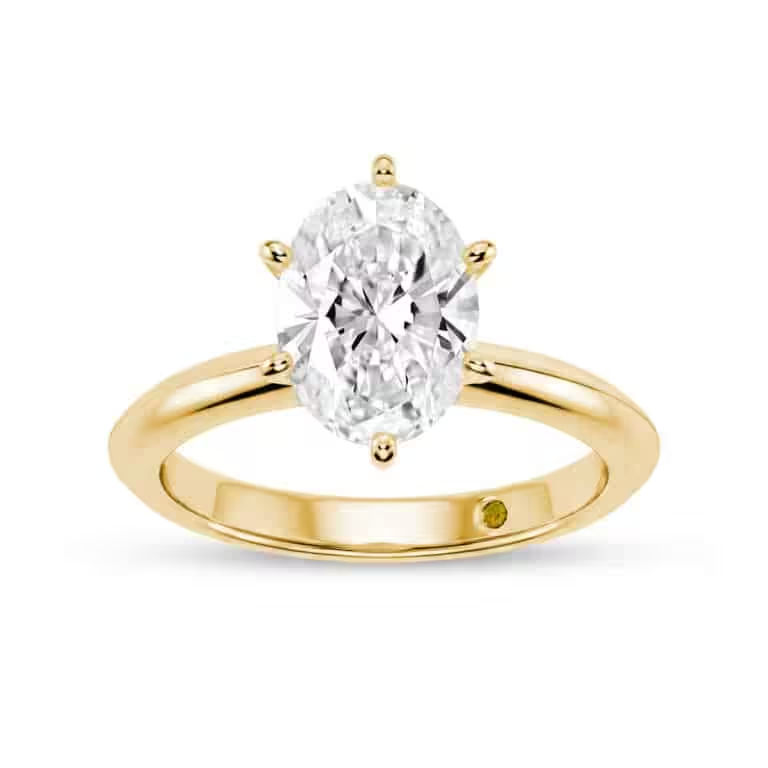
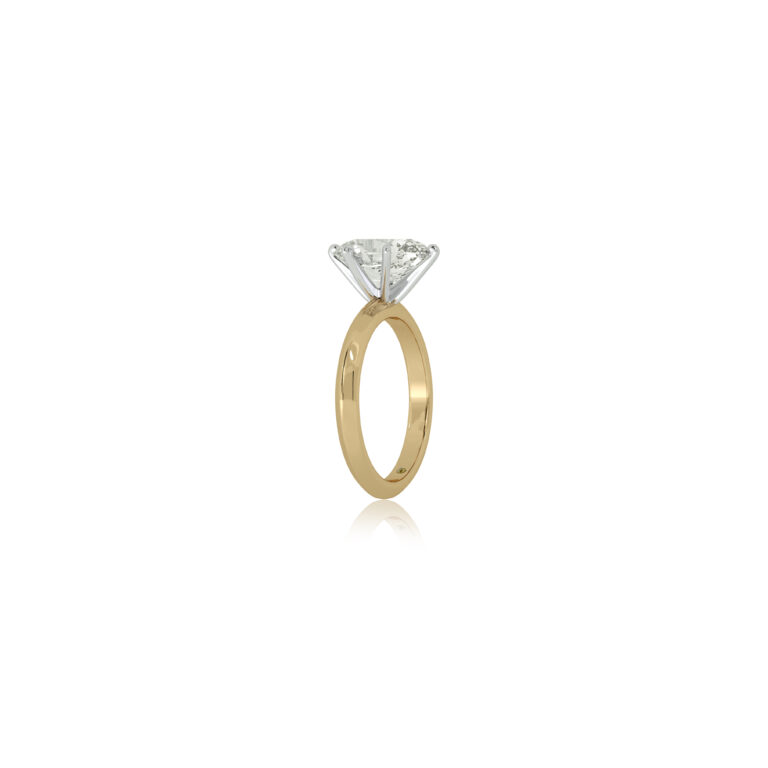
An engagement ring is a formal declaration of marriage that traditionally features a prominent center diamond designed for lifelong daily wear. For three decades, I have seen how the physical demands of this ring outpace almost any other piece of jewelry. Because it is a daily-wear piece, the engineering must be flawless.
A raised center stone requires reinforced prongs to absorb impacts and protect the diamond’s edge. To achieve this lasting durability, the structural design is critical. Furthermore, when pairing it later with a wedding band, you must account for metal-on-metal friction. This friction will wear down thin bands over time.
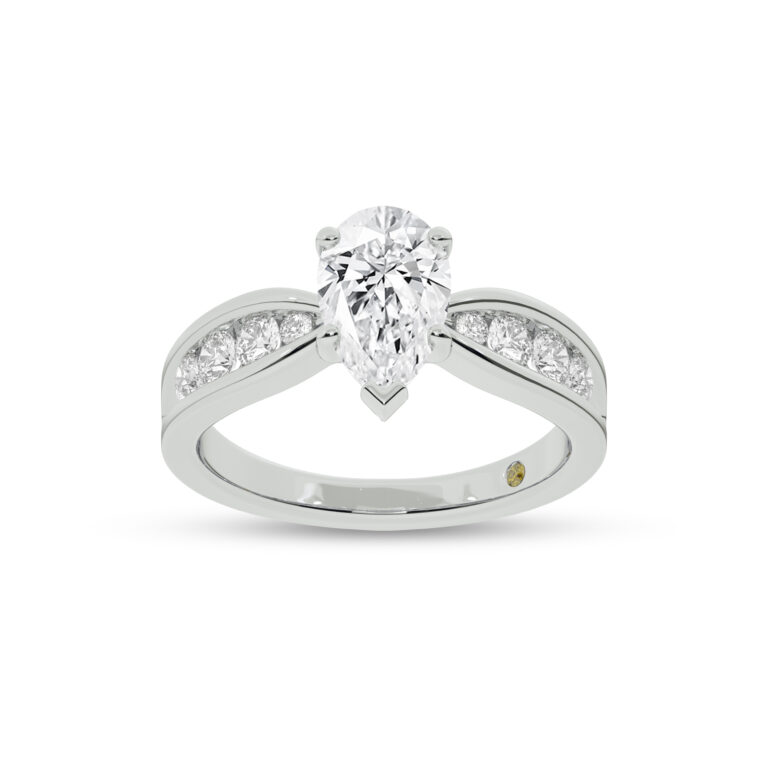
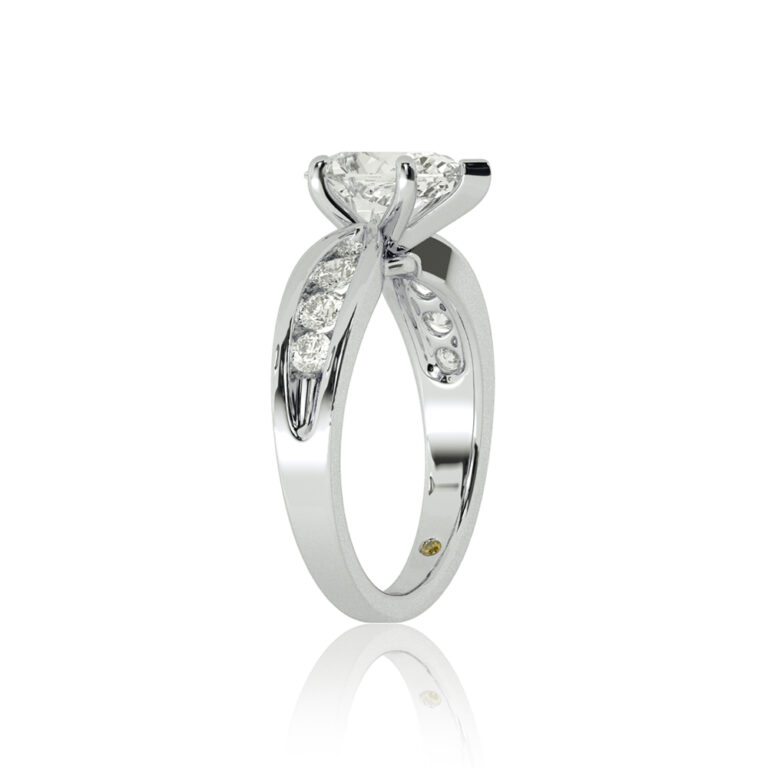
Therefore, I strongly advise browsing our collection of lab grown diamond bridal sets to ensure both rings share the same metal hardness. You might also consider pave diamond engagement rings for added brilliance that remains structurally sound.
By matching the gold alloys, you prevent one ring from slowly grinding away the other. For those seeking a truly unique symbol, custom lab grown engagement rings offer a way to tailor every technical detail to your specific needs.

How Do Lab-Grown Diamonds Enhance Both Rings?
Lab-grown diamonds provide the exact same chemical, optical, and physical properties as mined diamonds, offering a premium, conflict-free center stone. According to the Gemological Institute of America (GIA), lab-grown diamonds are real diamonds, indistinguishable from natural ones even under a jeweler’s loupe.
Continuing my family’s third-generation tradition in the diamond industry means embracing these advancements. When evaluating the difference between a promise ring and an engagement ring, your stone quality should never be compromised.
Lab-grown diamonds allow for a higher carat weight and a better cut grade without inflated mining markups. Because of this, you can focus entirely on the craftsmanship and brilliance of the piece.
For example, if you prefer elongated oval shapes, you must watch out for the “bow-tie effect.” An expertly cut lab-grown stone eliminates this visual flaw. Thus, choosing certified lab grown solitaire engagement rings ensures maximum light return and a sophisticated aesthetic.
For those wanting more drama, a halo diamond engagement ring can significantly enhance the perceived size of your center stone.

Why Is Solid Gold Essential for Milestone Jewelry?
Solid 14k and 18k gold provide the optimal balance of strength for stone setting and durability for everyday wear. I never compromise on materials in my office, which is why we exclusively craft our pieces in high-quality gold.
Understanding the difference between a promise ring and an engagement ring also comes down to lasting structural integrity. Gold alloys, offer incredible resilience when mixed with metals like copper or zinc.
While 18k gold provides a richer color, 14k gold offers superior scratch resistance. Because of this added strength, 14k gold is often the better choice for active lifestyles. Furthermore, if you choose a wider band design, remember that wider rings displace more skin.
Consequently, you will always need to size up by at least a quarter size to maintain a comfortable fit. Whether you are looking at vintage style engagement rings or modern three stone engagement rings, the quality of the metal is just as vital as the diamond itself.

Comparing Promise Rings and Engagement Rings
Comparing promise rings and engagement rings reveals distinct differences in intent, typical design structure, and setting style. I created this quick reference guide based on the most common structural questions I receive.
| Feature | Promise Ring | Engagement Ring |
|---|---|---|
| Primary Intent | Serious commitment | Formal marriage proposal |
| Center Stone | Often smaller or absent | Prominent focal point |
| Setting Profile | Low-profile (bezel, flush) | High-profile (prong, cathedral) |
| Structural Focus | Comfort and subtle elegance | Maximum brilliance and impact |
| Wearability | Easily moved to the right hand | Permanent fixture on the left hand |

Conclusion
The true choice depends on the specific promise you are making today. At La Joya Jewelry, we engineer every piece with uncompromising craftsmanship, whether it is a subtle token of affection or one of our affordable engagement rings. By choosing premium lab-grown diamonds set in solid gold, you ensure your symbol of love remains a timeless, intelligent investment.