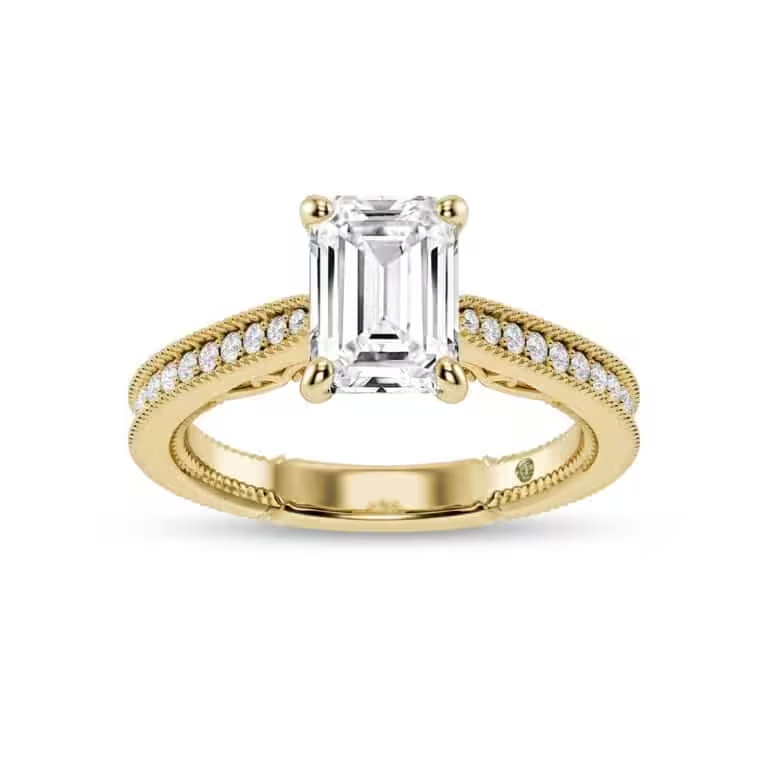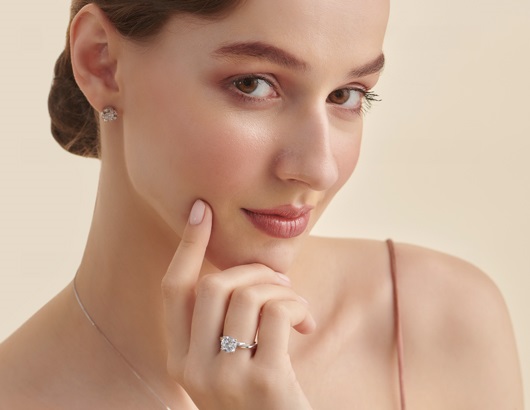
Every day, I sit with clients who feel overwhelmed by choices, particularly when investing in something as significant as a diamond engagement ring. After three decades in this industry, guiding people through the nuances of diamond buying is second nature to me. Whether you are torn between the vintage warmth of yellow gold emerald cut engagement rings or the icy perfection of white gold emerald cut engagement rings, choosing the metal color is not merely an aesthetic preference; it is a structural decision that fundamentally changes the diamond’s visual performance.
I’ve seen this critical detail overlooked far too often in big retail environments. Understanding the unique optical characteristics of the emerald cut is essential for making an informed investment, ensuring your ring remains beautiful for decades.
The Optical Science of Emerald Cut Diamonds: Hall of Mirrors Effect
The emerald cut is defined by its long, open, step-cut facets that create a unique “hall of mirrors” effect. In my office, I emphasize that this cut is unforgiving; every inclusion or hint of color is magnified.
The broad, flat surfaces do not have the intense light dispersion and brilliance of a round cut to mask imperfections. Instead, they act as large windows and mirrors. This structure means the diamond is incredibly transparent, and its internal clarity determines its overall beauty. For thirty years, I have meticulously examined these stones, knowing that even a slight misalignment in the step facets can disrupt the entire light performance.

The Vintage Appeal of Yellow Gold Emerald Cut Engagement Rings
Yellow gold will inevitably add warmth to an emerald cut diamond, as the stone’s large facets draw the metal’s color inward. This is a crucial consideration when browsing emerald cut engagement rings.
If you are looking to create a ring with a deep, vintage soul, you can strategically pair a stone with slightly more body color (like G-H or I) with yellow gold, allowing the warmth of the setting to complement the diamond.
However, with modern lab-created stones allowing buyers to afford truly colorless diamonds, you gain total freedom. A top colorless lab-grown diamond set in yellow gold looks exceptional. Yellow gold emerald cut engagement rings beautifully contrast the icy stone against the rich yellow metal, though the diamond will pick up some warm reflection. I find this combination incredibly sophisticated.

Why White Gold Emerald Cut Engagement Rings Maximize Brilliance
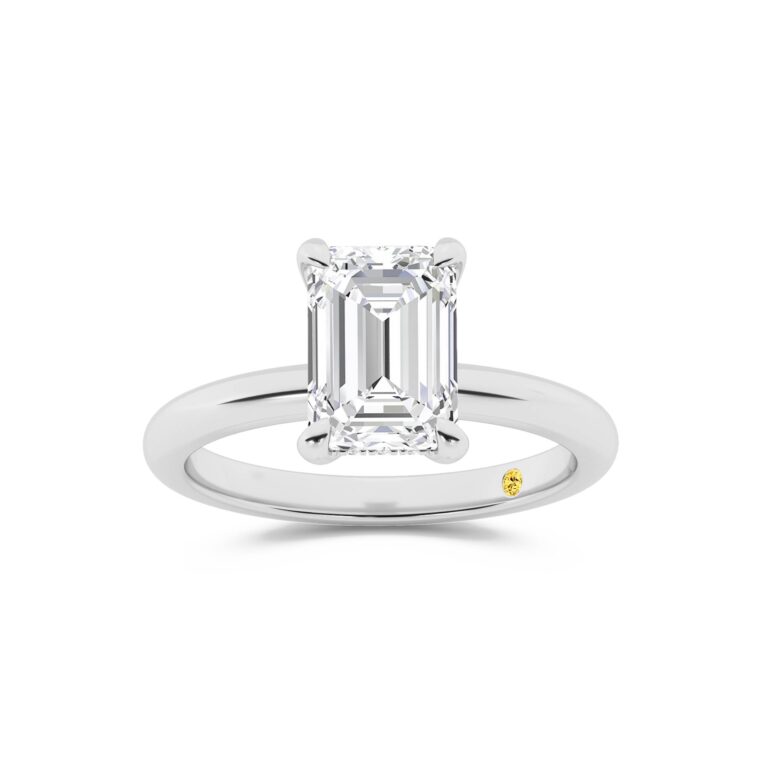
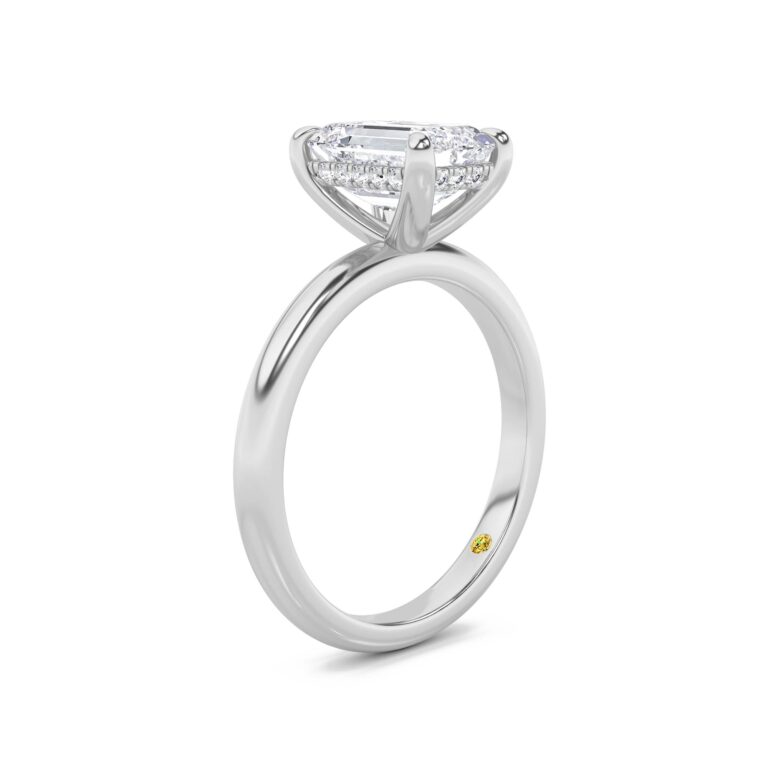
White gold is the preferred choice for maximizing the pure, colorless appearance of a high-grade step-cut diamond. When crafting white gold emerald cut engagement rings, the primary goal is often to create a seamless, icy look.
The white metal reflects perfectly colorless light into the stone, enhancing the true D-E-F color grades that modern diamond cultivation makes accessible. This maximizes the specific “icy” aesthetic that emerald cuts can uniquely deliver, particularly when featured in minimalist designs like La Joya’s emerald cut solitaire collection.
I often guide clients towards this combination when they prioritize pure, uninterrupted brilliance. Ensuring the gold is properly alloyed guarantees a premium finish that endures daily wear without the frequent need for re-plating seen in lesser craftsmanship.

The Romantic Appeal of Rose Gold Emerald Cut Engagement Ring
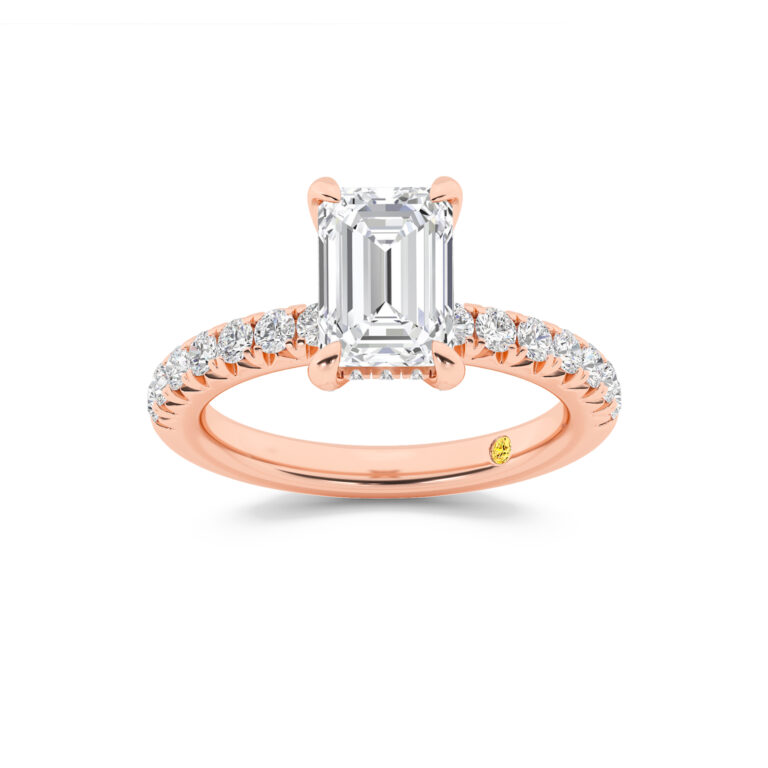
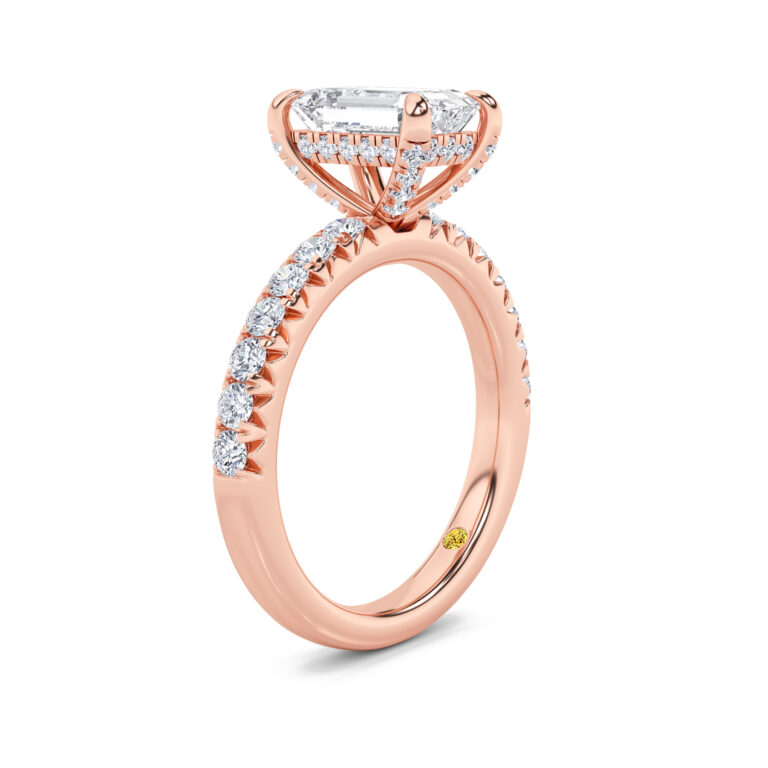
Rose gold offers a romantic jewelry gift and soft aesthetic that beautifully contrasts the geometric rigidity of the step cut. While less traditional, rose gold emerald cut engagement rings create an undeniable sophistication.
Similarly, the rose hue will reflect within the stone, adding a subtle pink blush. I have observed that this creates a particularly warm, distinct ring that stands out from the crowd. I recommend this for clients seeking something classic yet unique, leveraging the transparency of the diamond to achieve a unique, blushed look that feels both modern and antique.
14k vs. 18k Gold: Durability and Purity for Engagement Rings
We generally recommend 14k gold for its superior durability or 18k gold for its higher purity and rich color. The choice often depends on lifestyle and desired color intensity. In my office, we focus only on gold, as its long-term value and reworkability are unmatched.
| Gold Purity | Gold Content | Durability & Scratch Resistance | Best For | Color Appearance |
| 14k Gold | 58.3% Gold + Alloys | Excellent; Highly durable for active lifestyles. | Daily wear; Intricate designs. | Slightly less saturated color (less yellow/rose). |
| 18k Gold | 75% Gold + Alloys | Good; Softer, more prone to scratches. | Those desiring richer color & purity. | Rich, saturated yellow or deep rose color. |
Expert Ring Design Secret: Mixing Metal Colors for White Prongs
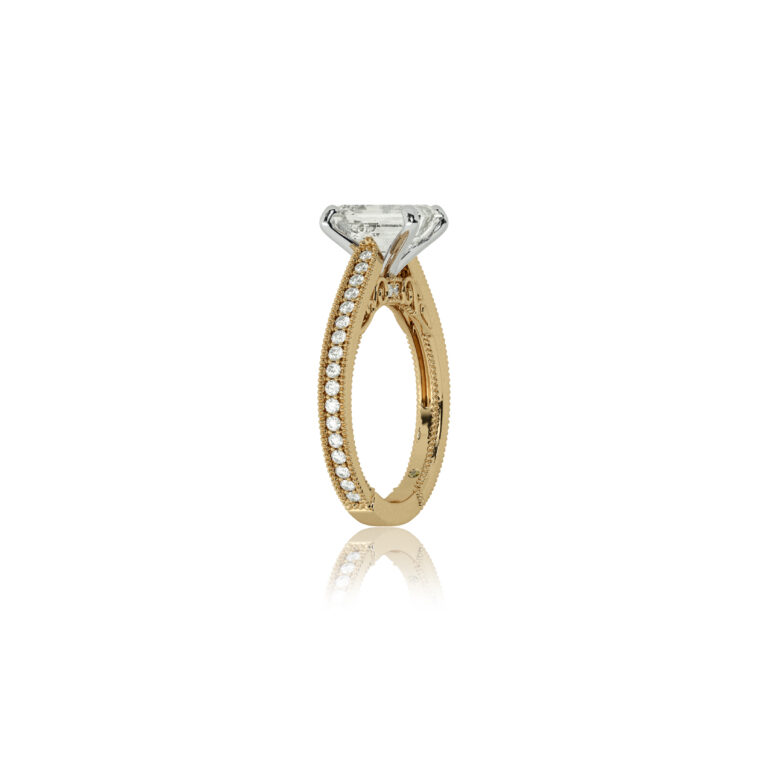
The best way to keep an icy colorless diamond looking perfectly white while using a yellow or rose gold band is to use white gold prongs. This is a technique I have employed for over three decades to achieve optimal results.
While the entire head (basket and prongs) can be white gold for maximum effect, even just using white gold prongs significantly reduces the amount of warm light reflection entering the stone. Retailers often standardize manufacturing, missing this critical detail that ensures the high color grade you’ve invested in remains truly colorless.
When designing a custom engagement ring with us, we can execute this subtle yet transformative engineering detail. By ensuring we cast structurally sound settings, we maximize both integrity and sustainability without compromises.
Conclusion
Choosing the gold color for your emerald cut engagement ring is a nuanced decision that demands understanding the stone’s optical engineering. After thirty years, my passion remains ensuring every client receives a piece crafted with precision, maximizing the inherent beauty of their diamond.