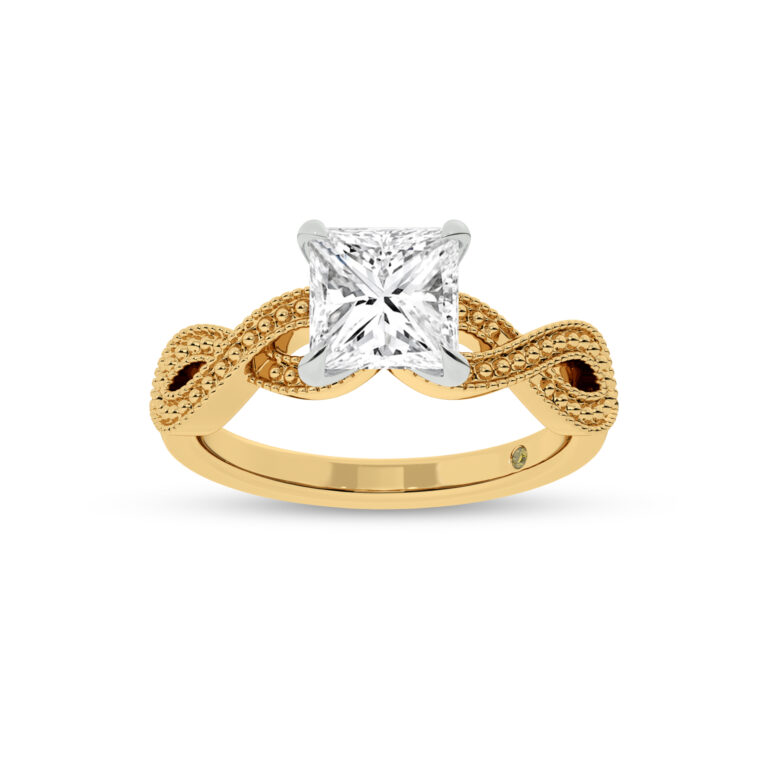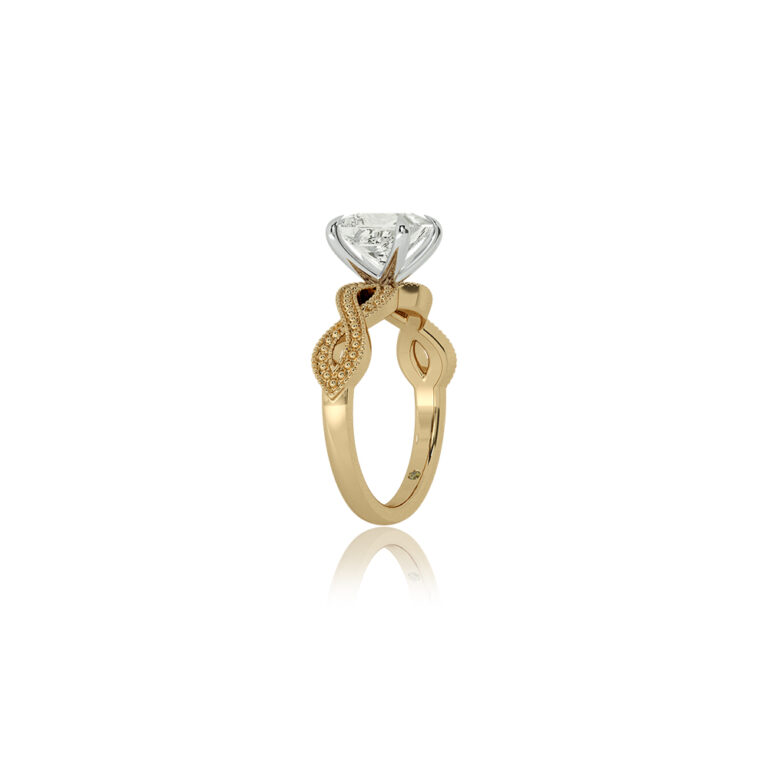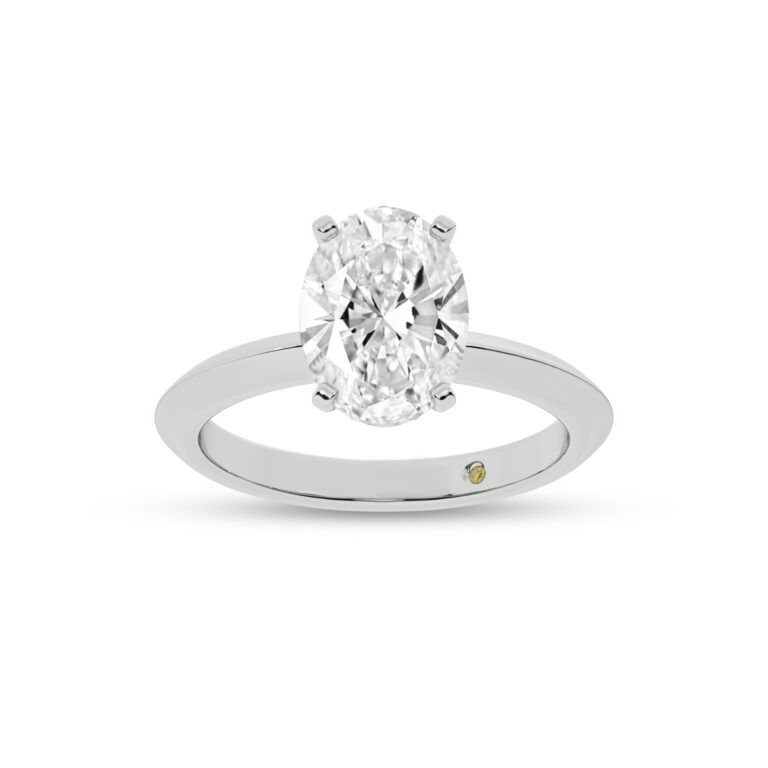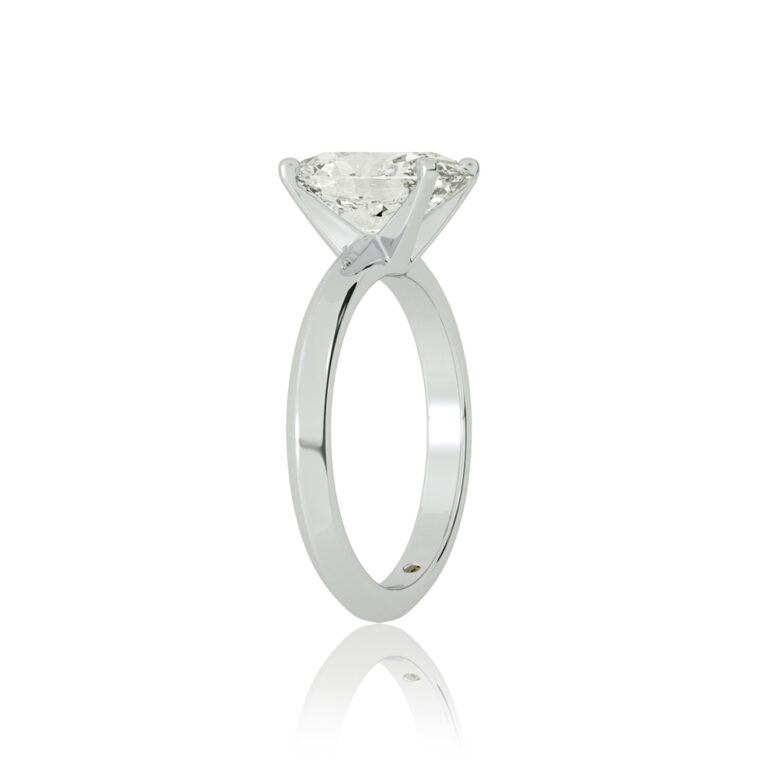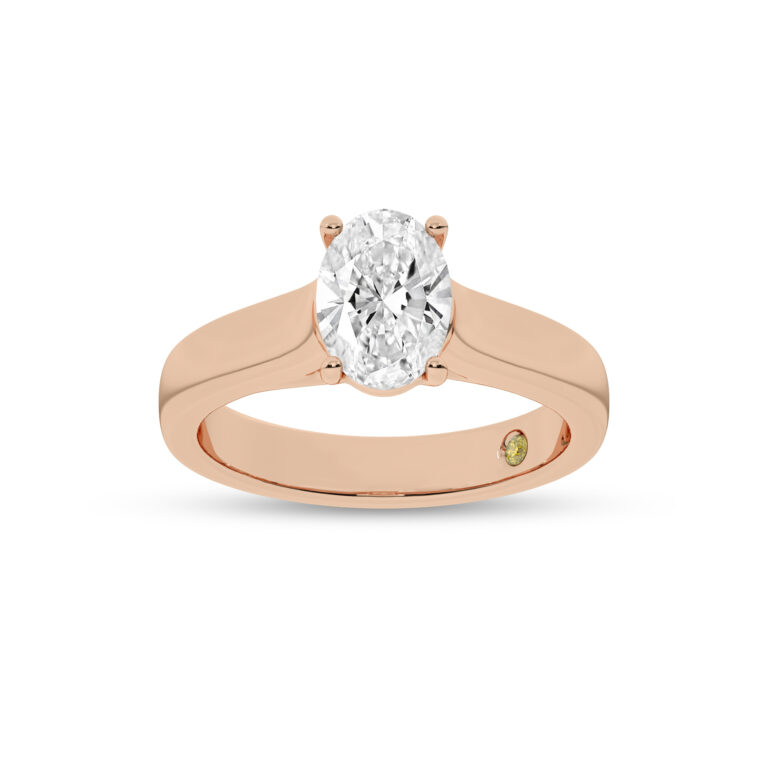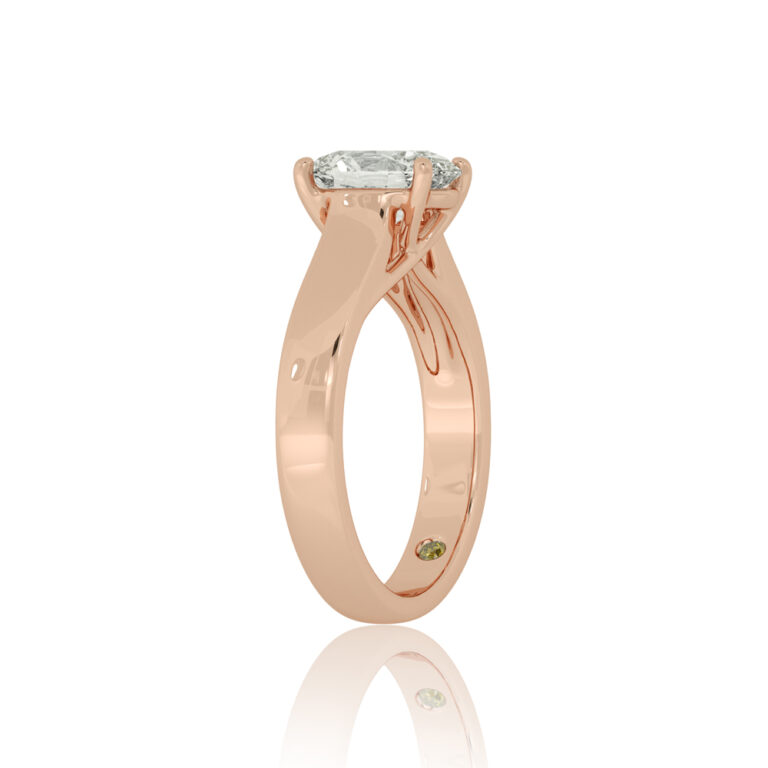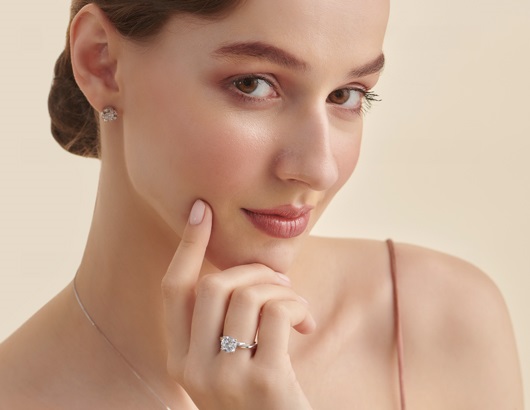
Couples often struggle to pick the right ring metal. Generic guides only look at skin tone matching. You need to learn the real science behind the band. My guide to Rose Gold vs Yellow Gold Solitaire Engagement Rings solves this. I will explain the metal mix and gem light tricks.
Thirty years in the trade has taught me a lot. Lab-grown diamonds are the smart choice for modern buyers, which is why our collection of lab grown diamond engagement rings is so popular. We can easily pair a great stone with the best gold. Most folks never learn how alloys change the ring strength. They also miss how metal color changes the gem flash. Reading this post will make you a total ring expert.
What Is the Exact Metallurgy of Yellow Gold Rings?
Yellow gold rings mix pure gold with silver and zinc. These extra metals dilute the bright orange tint of raw gold.
Making a strong ring requires this exact alloy blend. Pure gold is too soft for daily wear. During my thirty years at work, I have cast many yellow bands. Clients love the classic look it gives. Silver and zinc give the band enough strength to hold a gem. Yet, this mix is softer than the pink kind.
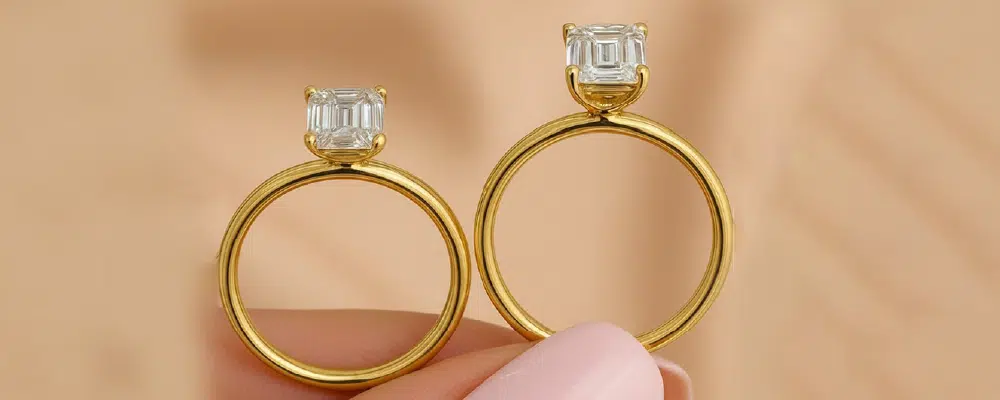
How Does Copper Make Rose Gold Structurally Harder?
Copper acts as a strong hardener when mixed with pure gold. This specific blend makes rose gold resist scratches very well.
The reddish metal has a very high natural density. Adding it to the mix creates a rigid frame. I often look at old worn rings in my office. Rose gold bands show fewer deep cuts after heavy use. Pink metal handles daily life with ease, which is an important factor to consider when choosing thin vs. thick band solitaires. It holds tiny prongs with great structural strength.

Why Are Lab-Grown Diamonds the Intelligent Choice for Solitaires?
Lab-grown diamonds provide top clarity grades at a fraction of the cost.
Buyers can easily get premium Colorless (D-E-F) stones on a budget. Science lets us grow perfect crystal shapes today. Modern buyers know that mined gems cost far too much. I
n my view, picking a lab-made center stone is very smart. You get a huge, flawless gem for a low price. D-E-F color grades look stunning next to warm metal bands. If you want to dive deeper into the advantages, read about the top benefits of lab grown solitaire engagement rings.
How Do Gold Prongs Affect a Colorless Diamond’s Pavilion?
Warm prongs bounce their color right into the bottom of a gem.
This light trick can make a clear D-E-F stone look tinted. Metal acts like a tinted mirror next to the gem. Light goes in and hits the colored prongs. I always warn clients about this visual trap. You might pay extra for a clear lab-grown diamond. Seeing it soak up pink hues from the base can be sad.
Why Is Cut Quality Critical for Warm Gold Settings?
A super well-cut gem stops warm metal colors from leaking in.
Great shapes force light to bounce straight back to your eye. Badly cut gems leak light out of the bottom facets. Such poor leaks let prong colors show up inside the stone. Sharp cuts act as a clear shield. Over the past three decades, I have seen bad cuts ruin gems. Getting the best cut keeps your lab-grown diamond icy white.

How Does Karat Weight Change the Gold Alloy?
Lower karat values pack more hard alloys and less pure gold.
A 14k band uses more silver or copper than 18k bands. This extra mix makes the 14k ring much tougher. Yellow gold looks a bit pale in the 14k form. Pink gold looks much redder when you use 14k mixes.
Higher karat levels like 18k give a richer visual tone. Still, they bend faster under heavy daily stress. My top tip is sticking to 14k for long term wear.
What Are the Cost Differences Between the Two Metals?
Both warm gold types cost the same at the wholesale level.
Pricing links directly to the weight of the pure gold inside. Copper and silver act as very cheap base metals. Makers never price a pink ring higher just for color. You pay for the pure gold weight and the bench work.
Some retail shops try to charge more for trendy pink rings. I always tell buyers to skip those bad markups entirely. If you want something highly personalized without the retail markup, you can always explore our options for custom engagement rings.
How Do White Metals Compare to Warm Gold?
White gold uses nickel or zinc to bleach the yellow out. You must coat it with clear rhodium to keep it bright. This thin coat rubs off fast and needs constant repair visits.
Warm gold colors run deep through the whole solid band. They never need fresh liquid coats to look super good. Folks who hate high upkeep must stick to pink or yellow.
To learn more about cooler metal options, read our detailed comparison on white gold vs. platinum styles.
Why Is the Pavilion Crucial for Diamond Brilliance?
The lower half of your center stone bounces room light back. It acts like a set of tiny mirrors for light.
Good mirrors bounce the glare back up through the top. Bad mirrors let the light slip out the bottom sides. Warm prongs sit right against these lower glass walls. Any color touching the base will bounce deep inside the gem. This fact makes cut skill key to the whole ring design.
Can Prong Shape Limit Color Reflection?
Yes, using tiny claw prongs reduces the metal touching the gem. Small prongs block less light and cast tiny colored shadows. Fat round prongs wrap too far over the clear stone edge.
Heavy metal grips force more warm tints into the crystal. I highly suggest sleek claw prongs for any warm ring setup. They look neat and keep the gem looking mostly clear. You can read our guide on 4-prong vs 6-prong settings to understand how prong count affects your stone’s security and light return.
How Does Light Return Mask Metal Tints?
A shiny gem throws bright flashes that hide small color flaws. High light return acts like a blinding flash in your eyes. This glare hides any pink or yellow creeping into the stone.
Dull stones lack this strong outward light beam totally. Without bright flashes, your eye easily spots the metal tint inside. Ideal cut lab-grown diamonds make the highest possible light return. That blinding shine guards your gem from looking too warm.
What Is the Ideal Diamond Shape for Warm Rings?
Round brilliant shapes hide warm prong colors better than any cut. Their facet map gives the strongest light return known to science.
Fancy shapes like ovals or pears tend to show more tint. Those long ends act as traps for warm metal hues. I always steer folks toward round stones for pink rings, which you can browse in our selection of round diamond solitaire engagement rings. If you want an oval, you must get an ideal cut. That step is the only way to beat color bleed, making an oval cut solitaire engagement ring a gorgeous but demanding choice.
For a deeper dive into these two popular shapes, check out our round vs oval comparison guide.
Which Setting Styles Best Protect Lab-Grown Diamonds?
A basic four-prong ring shows the stone off safely. Six prongs offer safety but hide more of the gem.
Extra metal on the stone causes more color bleed inside. Bezel styles wrap the whole gem edge in solid gold. A warm bezel floods the stone with pink or yellow. I like a simple basket for the best light flow. This style mixes safety with a clear look perfectly.
If you are debating between a simple setting and something with more structural sparkle, consider reading our post on solitaire vs. halo designs.
Rose Gold vs Yellow Gold Solitaire Engagement Rings: Technical Comparison
This table shows the main structural traits of both gold types. Knowing these facts helps you pick the right ring from La Joya’s solitaire engagement ring collection.
| Feature | Yellow Gold (14k/18k) | Rose Gold (14k/18k) |
| Mix Metals | Silver, Zinc | Copper |
| Scratch Shield | Fair | High |
| Prong Glow | Yellow hue | Pink hue |
| Metal Hardness | Softer | Harder |
| Best Gem Cut | Ideal Cut | Ideal Cut |
| Gem Pairing | Lab-Grown D-E-F | Lab-Grown D-E-F |
Do Warm Metals Require Special Maintenance?
No, warm gold only needs standard soap and light rubbing. You do not have to worry about thick clear coatings.
Normal wear will dull the top layer over time. A quick buff at my office brings the shine back fast. Copper in the pink band might turn slightly dark over decades. Many folks actually love that rich vintage vibe. Keeping these rings clean takes very little work. If you love that antique feel, you might also appreciate our guide on vintage inspired single stone designs.
Conclusion
Picking between Rose Gold vs Yellow Gold Solitaire Engagement Rings takes basic science. Copper makes the pink style tough, while silver keeps the yellow classic. Both kinds look great with a clear lab-grown diamond.
Smart shoppers always check the cut grade to manage light flow. You now have all the facts to buy the right piece. Taking time to learn these details saves you money. Your final ring will look bright and hold up forever. Explore La Joya’s solitaire collection to find your perfect match.