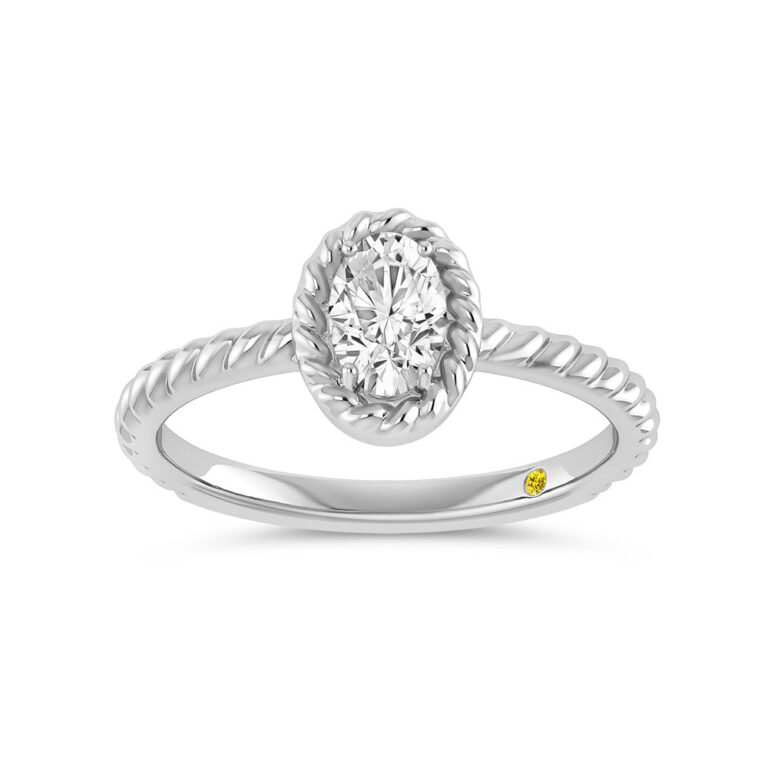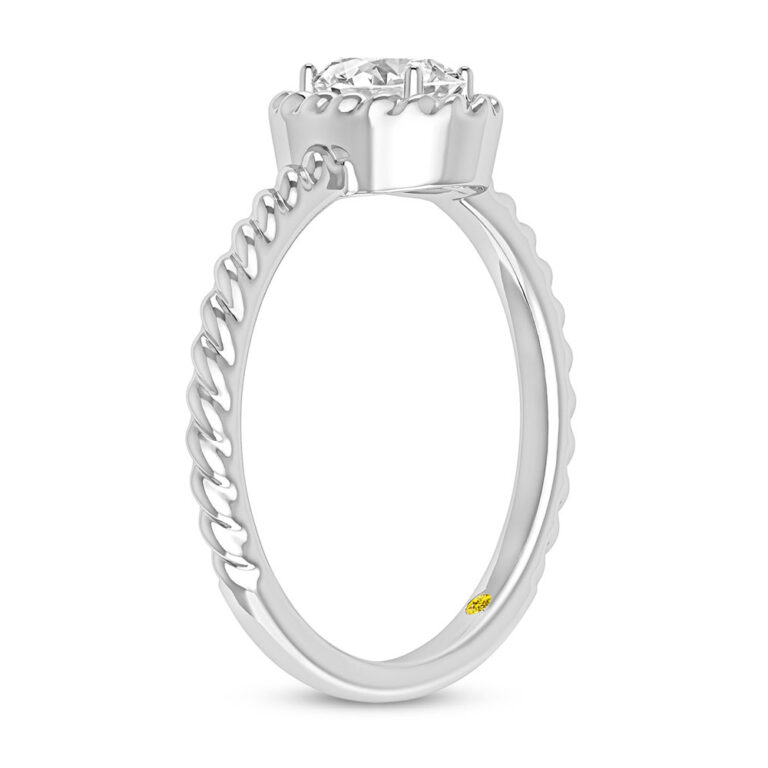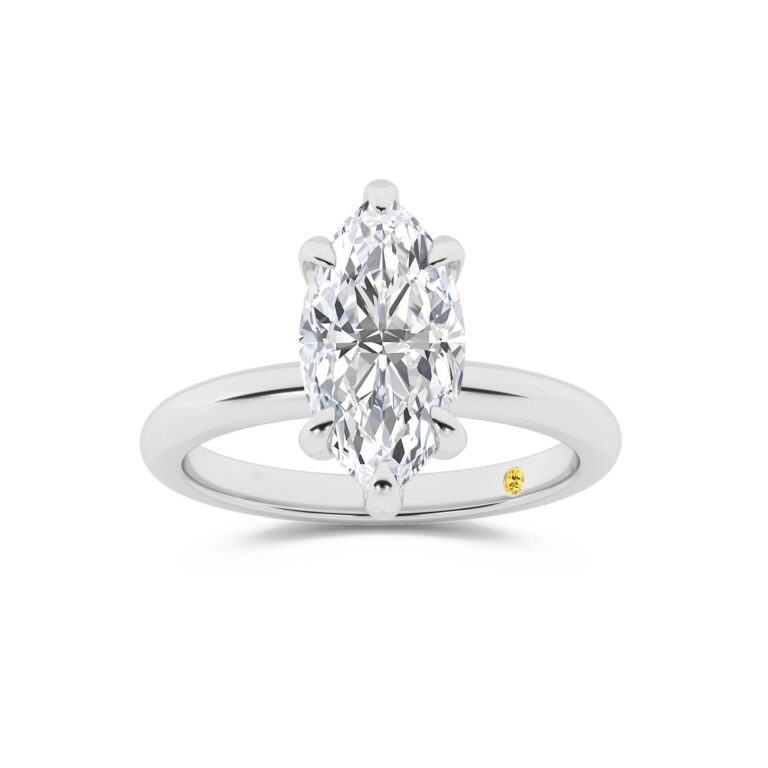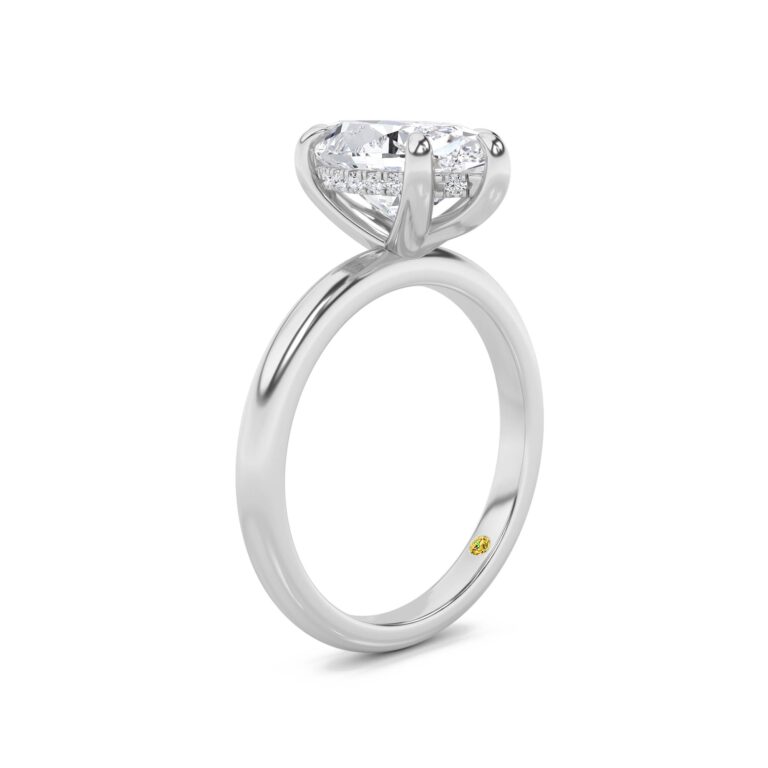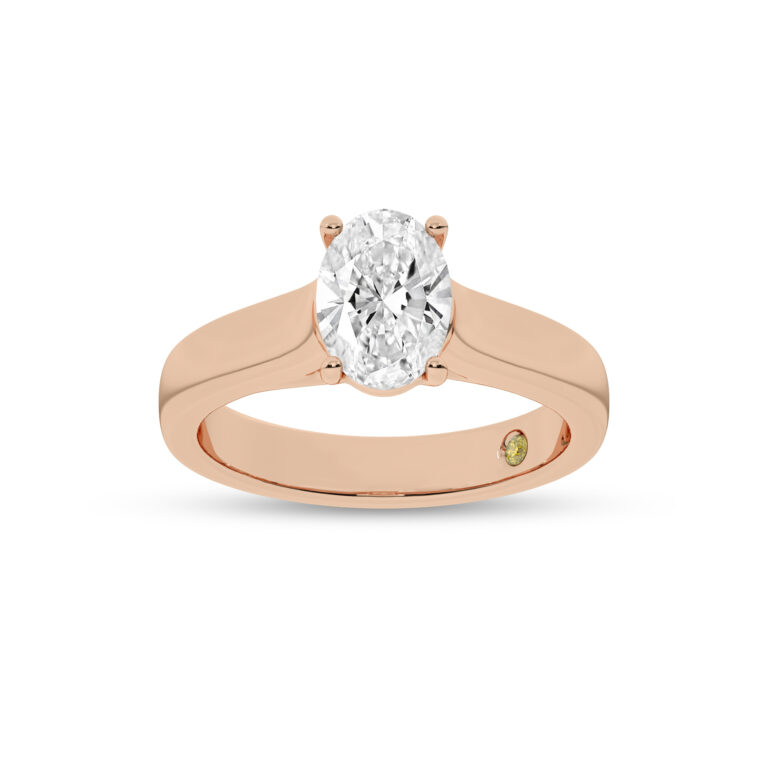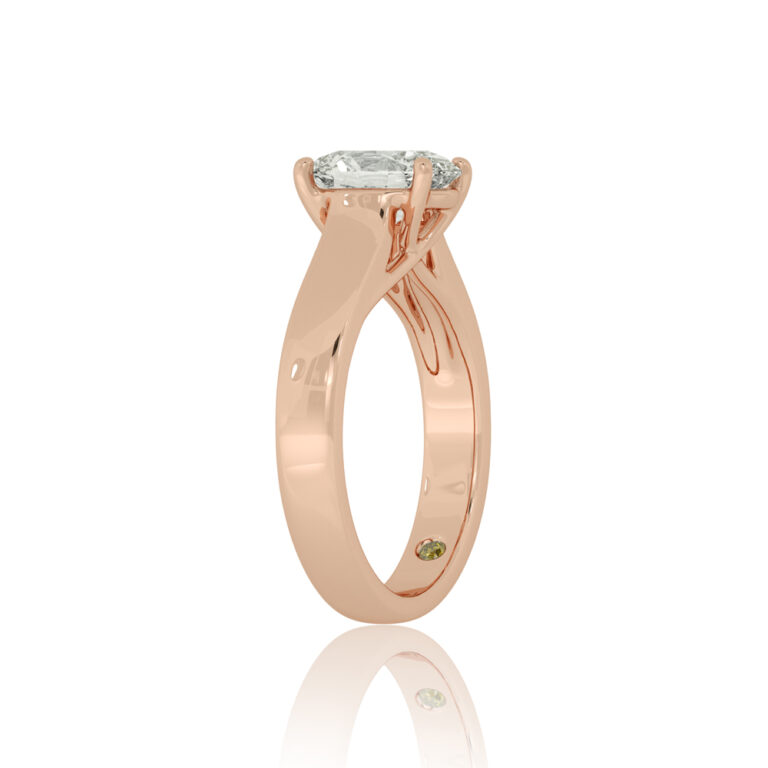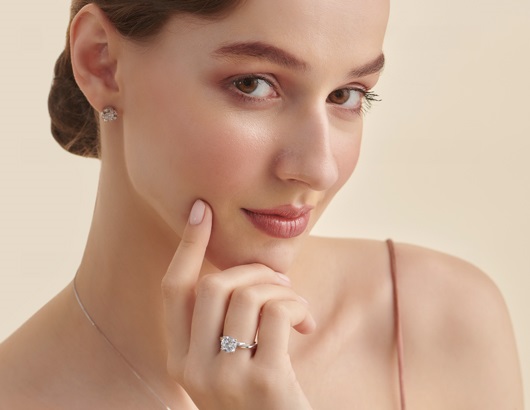
Many couples walk into my office asking for whisper-thin rings. They show me pictures of delicate bands on social media. People love the look of a tiny wire holding a massive stone. However, real life destroys these extremely fragile designs very quickly. Bending a new ring is a truly terrible feeling. We can solve this durability problem together right now.
Choosing from La Joya’s solitaire collection provides both lasting beauty and essential safety. Your dream piece should survive decades of normal wear. Let us explore the honest truth about jewelry manufacturing secrets.
What is the ideal width for a durable engagement ring band?
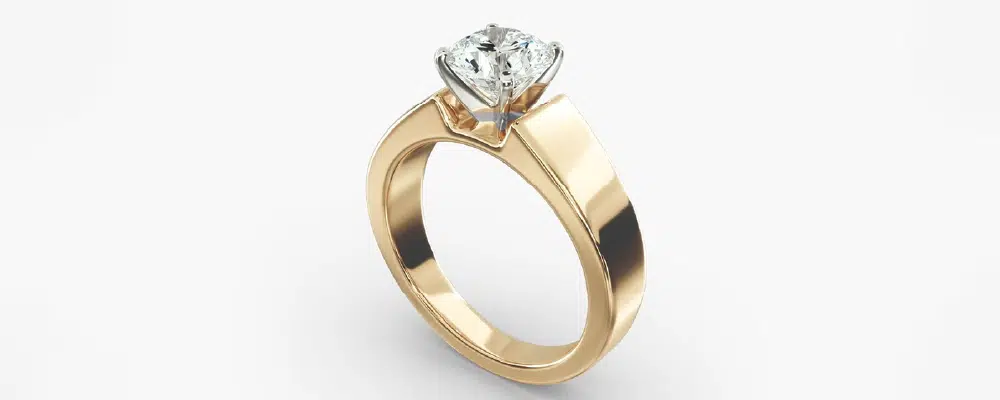
The ideal width for a durable daily-wear engagement ring band is strictly between 1.8mm and 2.0mm.
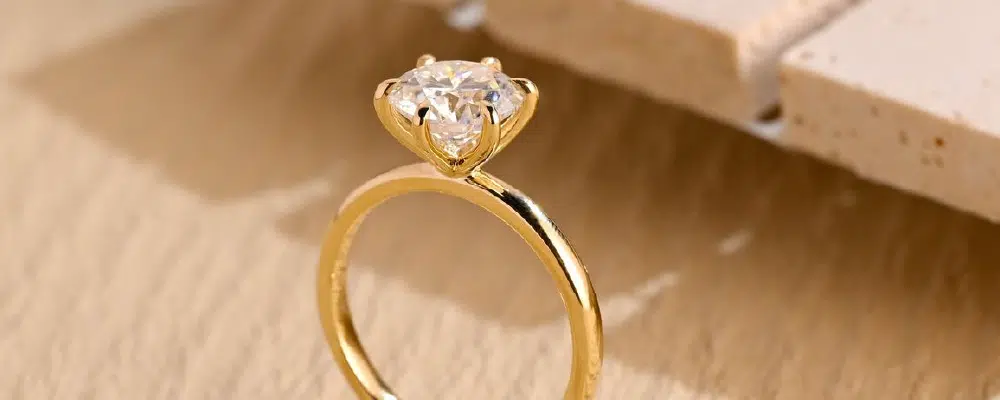
Over three decades in jewelry manufacturing taught me a hard truth. Social media trends constantly lie about jewelry longevity. Clients always ask for trendy 1.5mm bands. Those ultra-thin rings look totally amazing in a quick photo. Reality hits hard when you accidentally bump your hand on a door. Gold simply needs enough physical mass to hold its shape forever. A 1.8mm band gives you that perfect structural sweet spot.
Your stunning lab-created diamond centerpieces stay perfectly safe in this structurally sound mount. This size still looks very elegant and highly delicate on the finger. Smart shoppers avoid the micro-pave trend for plain solid metal. Doing so saves thousands of dollars in future maintenance costs
Why do thin gold bands warp and lose diamonds?
Thin gold bands warp and lose diamonds because they lack the necessary metal mass to resist daily bending forces.
Metal fatigue is a very real problem for modern consumers wearing under-supported fine jewelry. Every time you grip a steering wheel, heavy pressure transfers directly to the ring bottom. Constant squeezing eventually misshapes the perfect gold circle.
A warped band immediately pulls the top prongs wide apart. You then risk losing your beautiful brilliant lab-grown diamond. Upgrading to a slightly wider band completely prevents this massive heartbreak. Savvy buyers focus heavily on long-term structural integrity. My office sees countless bent 1.5mm rings needing very expensive repairs. Fixing a crushed setting is much harder than building it right initially. We must prioritize strength over temporary internet fads.
How does daily life damage a 1.5mm thin band?
Daily life damages a 1.5mm thin band through repetitive minor impacts that slowly compromise the structural integrity of the gold.
Lifting heavy grocery bags puts immense stress on the bottom shank. Opening heavy glass doors causes sudden shocks to the metal. Even clapping your hands enthusiastically can flatten a very thin ring. Nobody wants to remove their jewelry for simple everyday tasks. You deserve a piece that withstands your normal active routine.
Adding just a tiny bit of width changes everything. Moving from 1.5mm to 1.8mm adds crucial volume exactly where needed. This small change remains virtually invisible from the top down. Only the wearer knows the hidden strength built into the piece. Peace of mind is truly priceless when wearing fine jewelry.
How do Thick Band Solitaire Engagement Rings compare to thin bands?
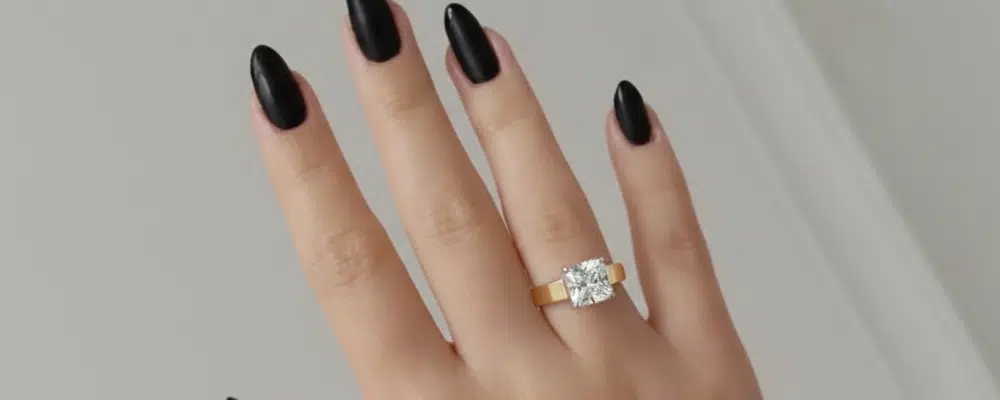
Thick Band Solitaire Engagement Rings offer superior structural integrity, better prong security, and a significantly longer lifespan compared to rings under 1.8mm wide. Daily wear demands a truly strong foundation. Let us look at the clear differences in daily performance. Understanding these facts helps you make a better buying decision. Data proves that slightly wider bands win every single time. Review the simple comparison guide below for total clarity.
| Feature | Thin Band (1.5mm) | Sweet Spot (1.8mm – 2.0mm) | Heavy Band (2.5mm+) |
| Overall Durability | Very Low | High | Very High |
| Daily Warping Risk | High | Minimal | None |
| Center Prong Safety | Poor | Excellent | Excellent |
| Visual Style Factor | Trendy | Classic | Bold |
| Repair Frequency | Often | Rarely | Never |
What is the best gold alloy for strong engagement rings?
The best metal choices for lasting rings are 14k or 18k solid gold in white, yellow, or rose tones.
These specific alloys provide the absolute perfect balance of hardness and everyday wearability. Pure gold is far too soft for reliable jewelry making. We mix it with other metals to create lasting strength. Choosing 14k gives you the maximum possible scratch resistance. An 18k option offers richer natural color with slightly less hardness.
Working with these materials for thirty years proves their total reliability. They secure stunning lab-grown diamonds perfectly without needing heavier alternatives. When choosing between rose gold and yellow gold options, you will find that yellow gold brings a warm and classic vintage vibe, while rose gold adds a highly romantic and unique pink flush. Alternatively, white gold gives a very sleek and modern appearance, which is why comparing white gold and platinum settings is an essential step for clients seeking a cooler tone.
Why are lab-grown diamonds perfect for solid gold settings?
Lab-grown diamonds are perfect for solid gold settings because they offer exact identical physical properties to mined stones at a much smarter price point.
Modern technology creates flawless gems right in a laboratory. These stones feature incredible brilliance and extreme durability. You get a much larger center stone for your specific budget. Pairing a big stone with a weak band is a huge mistake. A heavy gem acts like a lever on fragile thin metal. Strong gold mounts keep that valuable investment totally secure.
My clients always leave with huge smiles knowing their ring is safe. Science and traditional craftsmanship blend together beautifully here, especially when you commission custom engagement rings engineered for both beauty and structural longevity. Ethical choices make the jewelry buying experience even more rewarding.
How does prong style affect ring safety?
Prong style heavily affects ring safety because thicker claw prongs grab more surface area on the diamond compared to tiny rounded tips.
Four prongs show off more of the actual gemstone, but if you are deciding on the best prong count for your solitaire, remember that six prongs offer much better security against accidental hard knocks. We always recommend matching your prong count to your lifestyle. Active people definitely need those extra two points of contact. Combined with a 2.0mm band, a six-prong head is basically bulletproof.
Crafting these details correctly takes years of bench experience. Mass-produced rings often cut corners on these hidden safety features. Custom work guarantees every single millimeter serves a clear purpose. Protecting your beautiful lab-grown center stone remains our top priority.
What happens during a professional ring inspection?
A professional ring inspection involves cleaning the piece and using magnification to check for warped gold, thin shanks, and bent prongs.
Jewelers look closely at the high-wear friction points. We check if the lab-grown diamond wiggles even a tiny bit. Catching a lifted prong takes only a few short minutes. Fixing it immediately costs almost nothing compared to replacing a stone. My bench workers tap the setting lightly to listen for rattling. This simple sound test reveals hidden structural problems instantly.
Maintaining your gold jewelry correctly guarantees generation-spanning longevity, aligning with the expert guidelines for caring for diamond rings established by authoritative gemological institutions. Taking good care of your ring shows true respect for the piece.
Conclusion
Finding the right balance between style and safety is incredibly crucial. Protect your stunning lab-grown center stone with a truly smart foundation. Investing in Thick Band Solitaire Engagement Rings saves you from future massive repair bills. Your fine jewelry should easily last a lifetime of happy memories.
If you are just starting your journey, be sure to read our expert guide on what defines a solitaire ring to fully understand your options. Never compromise on fundamental structural integrity for a passing internet trend. A properly made ring becomes a treasured family heirloom forever.