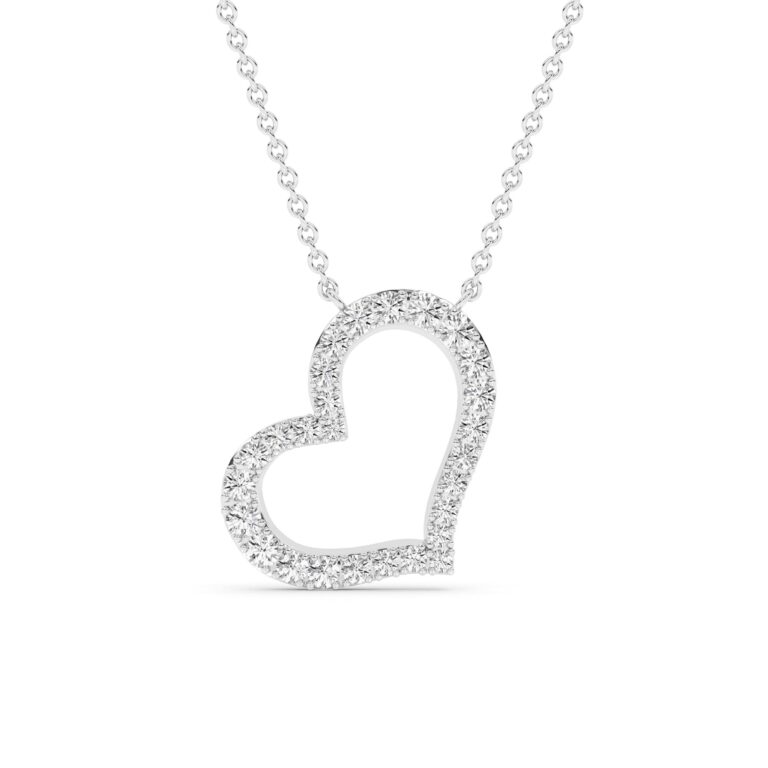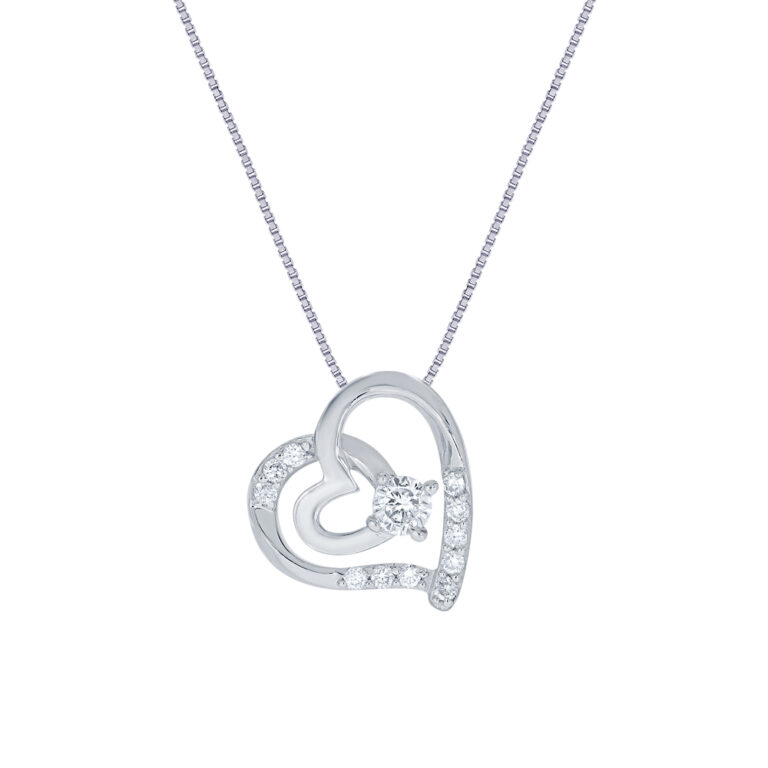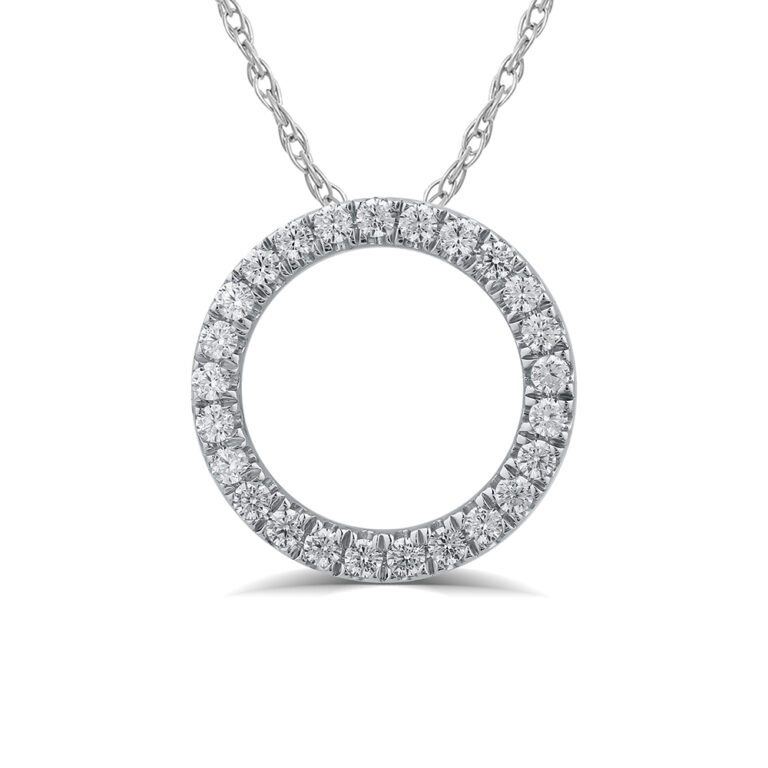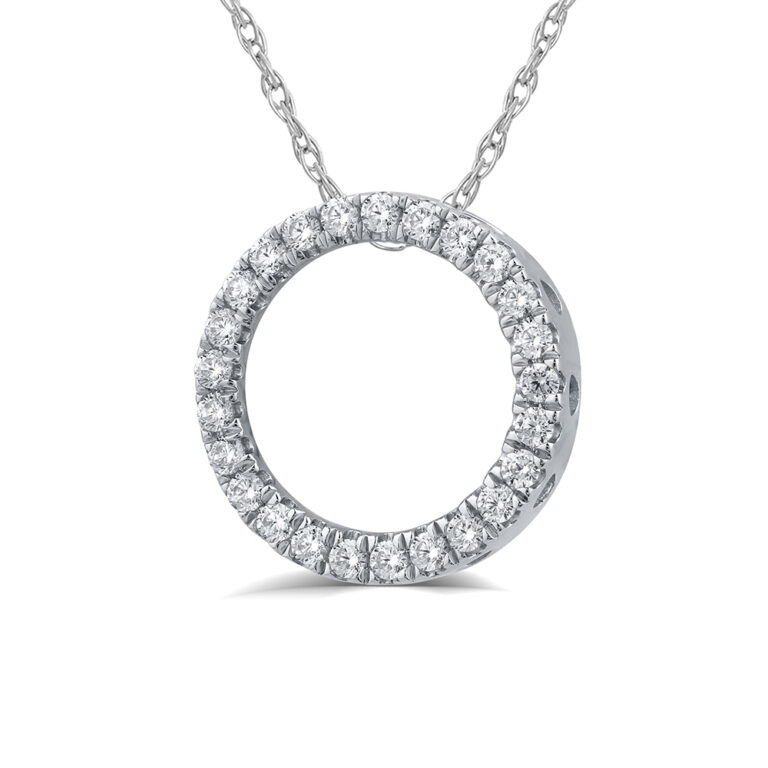
Buying a piece of fine jewelry is a major investment that often marks a life-changing milestone. While the initial craftsmanship is vital, knowing how to clean a white gold diamond necklace is the secret to maintaining its ‘day one’ brilliance.
After spending 35 years in this industry, I have seen how daily habits like using perfumes or lotions can slowly hide the fire of your jewelry. My goal is to share the secrets I have learned in my office to keep your investment in pristine condition.

How to clean white gold diamond necklace at home?
You should soak your necklace in a bowl of warm water mixed with a few drops of mild dish soap for about twenty minutes. This gentle solution works to break down the skin oils and dust that accumulate behind the lab-grown diamonds, a cleaning method highly recommended by the GIA for safe gemstone care.
Once the soak is finished, you must use a very soft-bristled baby toothbrush to lightly scrub the metal and the stones. Because gold is a soft metal, you should never use toothpaste or baking soda as they act like sandpaper and leave tiny scratches. These microscopic marks will eventually ruin the mirror-like finish and make the metal look cloudy, which is especially noticeable on smooth, elegant designs like our beautifully crafted solitaire styles.
After scrubbing, rinse the piece thoroughly under lukewarm water and pat it dry with a soft, lint-free cloth.
When clients ask me how to clean a white gold diamond necklace at home, they are often surprised by how simple the process is. You don’t need expensive chemicals; you just need the right technique to protect the rhodium finish
Why does white gold jewelry eventually turn a yellowish color?
White gold turns yellow because it is actually an alloy of pure yellow gold mixed with white metals that has been coated in a thin layer of rhodium. (If you have ever wondered about the differences between white gold and yellow gold, this base alloy mixture is the primary distinction).
In my office, we use rhodium to give the jewelry its signature bright, silvery shine. However, this outer layer is not permanent and will slowly wear down as it rubs against your skin or clothing. Consequently, the naturally warm tint of the 14k or 18k gold begins to show through the surface. This change is not a defect but rather a sign that your necklace is ready for a professional “re-dip.”
Most of my clients find that a fresh layer of rhodium every year or two keeps their jewelry, whether it is a simple everyday chain or an intricate diamond cross pendant, looking brand new.

How can you safely untangle a delicate gold chain?
The safest way to remove a knot from your necklace is to apply a drop of baby oil to the tangle and use two straight pins to gently tease it apart. You should never pull on the knot because the tension can stretch the gold links or cause the chain to snap.
Because the oil acts as a lubricant, it allows the gold to slide against itself without catching. Once the chain is free, you must wash it in soapy water to remove any oily residue. To prevent future tangles—whether you are storing a delicate diamond bar necklace or a longer lariat chain—I recommend keeping your necklace in a fabric-lined box or hanging it on a dedicated jewelry stand.
This simple habit protects the metal from scratching against other pieces in your collection.
Bench-Level Maintenance Comparison
While simple home care is vital for daily sparkle, understanding the difference between routine washing and professional servicing is a key part of learning how to clean a white gold diamond necklace. I have put together the following comparison to help you distinguish between the maintenance you can do in your kitchen and the structural care we provide in my manufacturing office
| Service Type | Frequency | Expert Process | Practical Benefit |
|---|---|---|---|
| Home Soak | Weekly | Warm water and mild soap | Maintains daily diamond sparkle |
| Professional Polish | Annually | High-speed buffing wheel | Removes surface scratches from gold |
| Rhodium Re-plating | 12-18 Months | Electroplating a new finish | Restores the “factory-fresh” white color |
| Safety Inspection | Every 6 Months | High-power microscope check | Prevents the loss of lab-grown diamonds |

What chemicals are most dangerous to a white gold finish?
Chlorine found in swimming pools and harsh household cleaning products are the most damaging chemicals for white gold jewelry. These substances act as solvents that can actually eat away at the structural gold alloys mixed with your gold.
Because of this chemical reaction, the metal can become brittle, which puts your lab-grown diamonds at risk of falling out. Similarly, the high alcohol content in many perfumes and hairsprays can cause a dull film to build up on the stones. To avoid these issues, you should always make your jewelry the very last thing you put on before leaving the house. Taking this small precaution ensures the rhodium plating stays bright and the metal remains strong for decades.

Conclusion
Following this guide on how to clean a white gold diamond necklace ensures your piece remains a family heirloom rather than a dull accessory. At La Joya, we believe that true luxury requires both exceptional craftsmanship and proper long-term care.
Explore La Joya’s collection to see how my family has spent three generations mastering the science of diamond settings. From minimalist designs to a dazzling ladies diamond tennis necklace, we ensure your jewelry stands the test of time. By treating your necklace with the respect it deserves, you preserve its beauty and its value for the next generation.