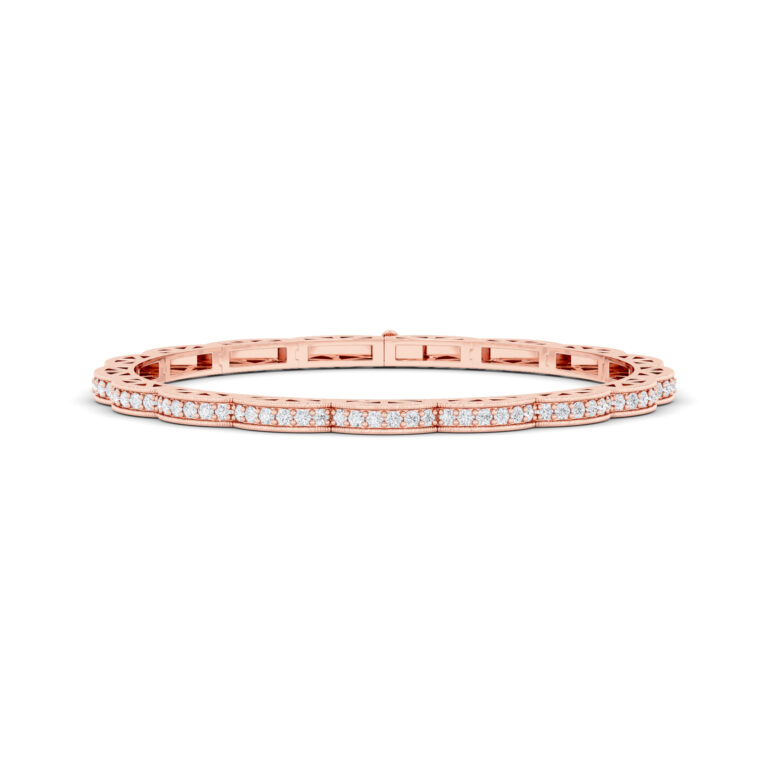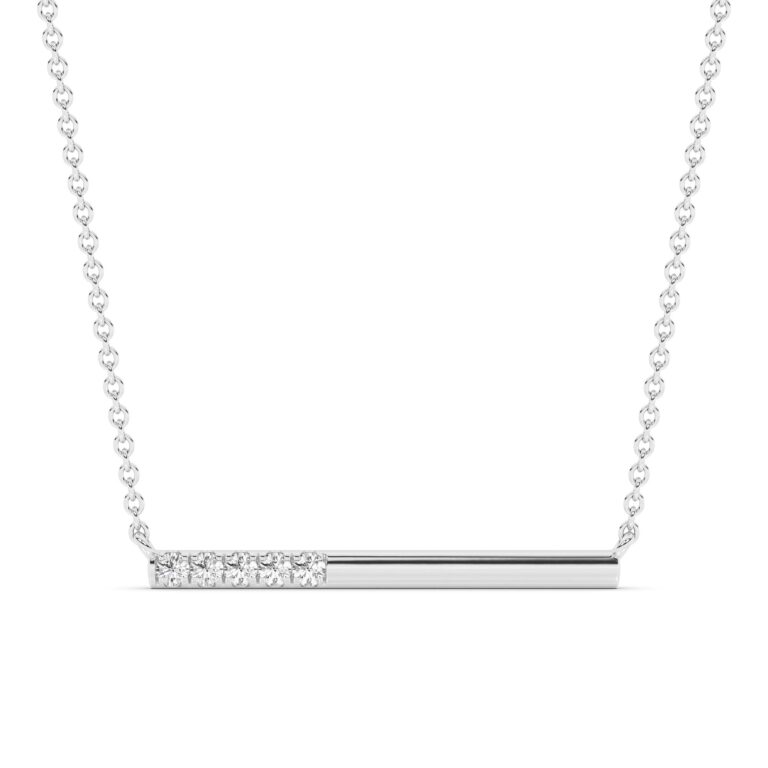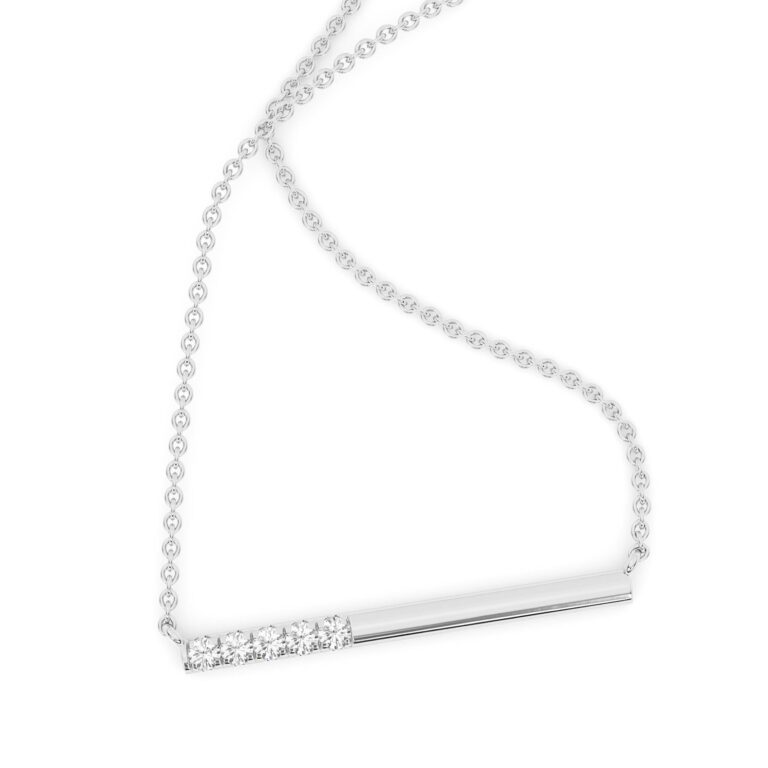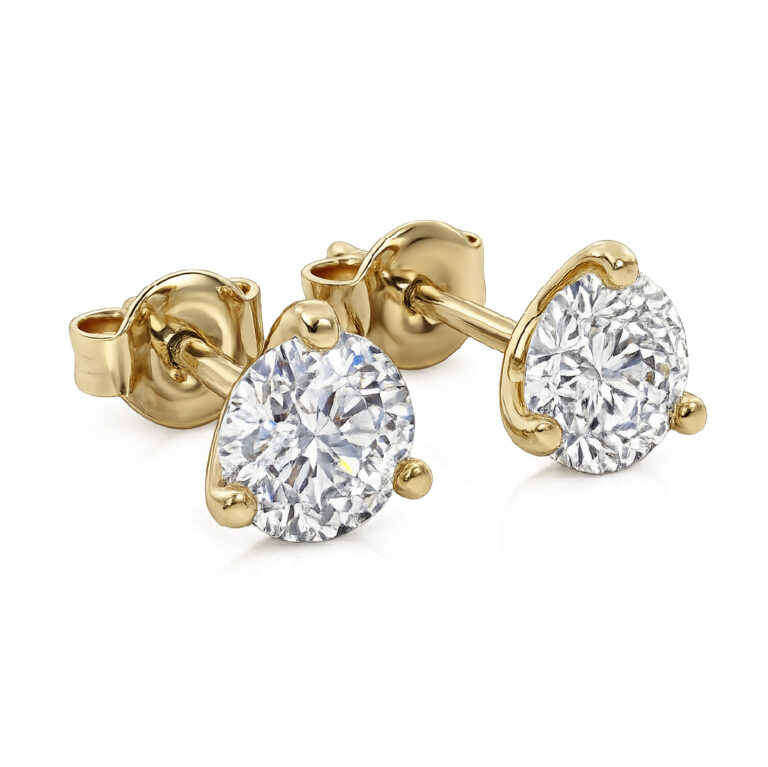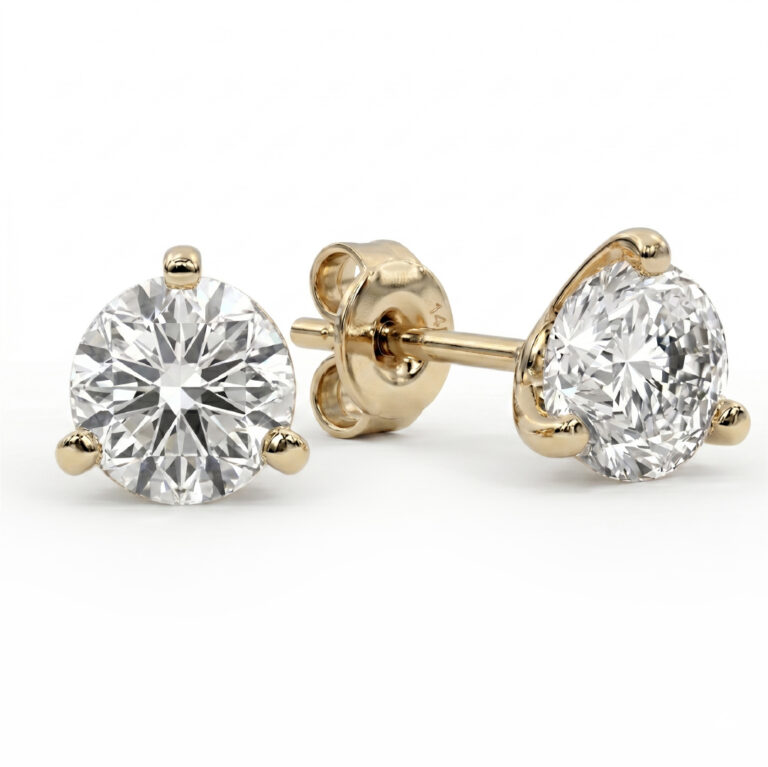
Why would these powerful billionaires try to change the established rules? The answer sits right on my jewelry bench. When you place a top-tier lab crystal next to a mined stone under a jeweler’s loupe, the lab stone wins, perfectly illustrating what makes an affordable diamond engagement ring look luxurious. It displays crisper facet cuts and zero internal black carbon spots.
Mined diamond syndicates cannot compete on raw physical quality anymore, so they are trying to rig the game.
Why the Rulebook is Being Rigged
Legacy cartels literally want retail stores to weigh lab stones in grams, treating clean crystals like common scrap metal. This bizarre plan is designed strictly to confuse everyday shoppers. If regulators pass this rule, fine jewelry counters will look like scrap yards!
How does this political manipulation affect your wallet right now? It artificializes true diamond resale value to create an inflated price premium, forcing you to pay for a protected monopoly rather than superior crystal beauty. You are paying for a protected monopoly, not superior crystal beauty.
Over my 35 years at the bench, I have never seen the mining giants this desperate. They know an educated buyer always chooses the flawless lab crystal. I teach my clients to ignore these political games and simply buy the stone that performs best under the loupe, ensuring you find the best value diamond engagement rings without sacrificing quality.
New to the lab-grown market? If you are still weighing the physical differences between mined and man-made stones and want a clear, side-by-side comparison of the pure costs and GIA grading standards, start with our foundational breakdown: Lab-Grown vs. Natural Diamonds: The 2026 Guide to Maximizing Your Budget.
The Carbon Footprint Grid War
Big mining conglomerates also run expensive public smear campaigns claiming that lab diamond reactors burn massive amounts of dirty coal. Let us look at the honest scientific facts. It is true that cheap, rushed overseas factories plug right into dirty coal grids.
However, top-tier modern growers operate inside dedicated solar and hydro technology parks. They use clean, renewable power to forge perfect carbon lattices. To verify the energy source of your stone, you must look for growers certified for sustainable practices.
Clean energy is a massive factor to consider when selecting sustainable bridal jewelry, as you deserve a pristine gemstone grown on a truly green power grid.
The Reality of Earth Excavation
We must contrast clean lab grids with actual earth mining. Digging up a single one-carat natural diamond requires massive physical violence, forcing miners to blow up two hundred and fifty tons of wild earth. Giant industrial excavators burn thousands of gallons of heavy diesel fuel, leaving open, toxic craters that are easily visible from airplanes.
What happens to the local wildlife when these giant pits open? Fragile animal habitats and ancient wild forests are destroyed permanently. You can secure an icy, perfect gem without supporting this serious damage.
Modern lab technology gives you elite luxury with a totally clean conscience, whether you prefer modern minimalist styles or vintage style engagement rings.
Exposing the Lifetime Upgrade Trap
When shoppers compare lab-grown vs natural diamonds, they often look at corporate trade-in policies. Legacy retailers like Blue Nile and Zales heavily advertise “lifetime upgrade” programs, promising to give you 100% trade-in credit later. They use this promise to convince buyers that mined diamonds hold pure cash value.
However, there is a dangerous financial trap hidden inside their fine print. We call this retail trick the “two-times poison pill.” To actually use your trade-in credit, you are legally forced to spend at least double your original purchase price.
If you bought an eight-thousand-dollar single diamond engagement ring, you must spend sixteen thousand dollars later! You cannot simply swap stones or get your hard-earned cash back. This predatory scheme traps young couples in an endless cycle of retail debt.
The Math Behind the Poison Pill
Let us look at the honest math of the upgrade trap. A groom spends ten thousand dollars on a natural diamond ring. Five years later, he wants to upgrade it for his wife, perhaps exploring how to match her wedding band with a new engagement ring.
The store forces him to buy a twenty-thousand-dollar diamond just to use his credit, meaning he must hand over another ten thousand dollars in fresh cash. In total, he has now surrendered twenty thousand dollars to a single store!
True financial freedom looks completely different. You can buy a stunning lab diamond today for three thousand dollars, keeping seven thousand dollars sitting safely in your bank account. If you ever want a larger stone, you buy it on your own terms without paying a corporate ransom, making styles like a stunning three-stone diamond engagement ring highly accessible.
The Secret of the Gold Melt Floor
The very last worry stopping shoppers from choosing lab stones is long-term diamond resale value. Traditional salesmen promise that natural diamond resale value acts like a rising stock market fund, but that is a comforting myth engineered strictly to close a fast sale.
If life happens and you ever need emergency cash, the metal is your true hero. Pure gold is a globally traded, highly secure commodity that does not rely on a second-hand buyer’s personal taste. When you buy a thick, solid gold ring—and learn how to choose the best gold for your engagement rings—you own precious bullion. You can take that heavy setting to a metal refiner anytime.
Why Solid Gold is Your Hero
A metal refiner will simply melt your band, weigh the gold, and hand you instant cash based on the morning financial news. This proven liquidation floor protects your investment through any economic crisis. Because pure gold holds its scrap worth so well, allocating a little extra budget toward a solid, heavyweight mounting is a brilliant financial move.
A thicker gold foundation builds a much larger emergency cash reserve right on her finger, giving you permanent liquid value while supporting the structural strength described in our guide to engagement ring settings & shanks.

How to Cash Out Your Center Stone
If you try to sell a loose lab diamond back to a jeweler, you should expect a cash offer of roughly 20% to 40% of the original price. This reality upsets many first-time sellers who do not understand shop economics.
You must look at this transaction from the jeweler’s side of the workbench. A master jeweler can open their supplier portal and order a brand-new, perfectly cut lab gem for our custom-made engagement rings at wholesale cost in two seconds. They do not need to buy your used stone at retail price.
Remember that retail markups always vanish on the secondary market, so the jeweler must protect their business overhead when buying any loose gem.
The Real Cost of Bench Labor
Why does a shop offer lower cash for a loose second-hand diamond? The jeweler has to pay high monthly shop rent, expensive staff labor, and skilled craftsmen to clean your engagement ring settings, polish, and reset a used gem. Because of these high overhead costs, getting a wholesale cash offer is standard business practice.
Natural diamonds face this same brutal wholesale markdown on the secondary market.
How should a smart seller handle this unavoidable liquidation fee? You simply accept it as the standard cost of enjoying fine luxury. Your true financial win happened on the day you bought the ring, because you saved thousands of dollars upfront by skipping the old mining supply chain.
The Girdle Laser Inscription Audit
To maximize your cash payout, you will likely sell on peer-to-peer jewelry networks. Platforms like Worthy or Louped connect you directly with eager private buyers. However, this creates a major technical challenge: How does a remote online shopper verify your stone is real without unsetting it?
The answer is the microscopic laser inscription etched onto the diamond’s girdle. Top grading labs like the International Gemological Institute (IGI) use a precise laser to etch a serial number onto the thin outer perimeter of the stone. A knowledgeable private buyer will ask for a macro photograph of this exact inscription so they can cross-check that specific barcode with the official public laboratory database.
Securing Your Resale Passport
Cheap online drop-shippers often sell uncertified lab stones with totally blank girdles. On the secondary resale market, a blank girdle means an immediate zero-dollar offer because nobody will risk their money on an untraceable gemstone.
Verifiable grading paperwork is your cash passport. I use my bench microscope to inspect the girdle of every gem passing through my shop, ensuring the official IGI or GIA hash is perfectly legible. This guarantees your stone carries a permanent physical birth record.
If you ever decide to liquidate, that microscopic code protects your check entirely by proving the gem’s exact cut and color grades instantly, giving you the same total confidence whether you own a solitaire or a dazzling halo diamond engagement ring.
Where to Liquidate: The Pawn Shop Trap
If you need emergency cash, never take your ring to a corner pawn shop. Standard pawn brokers are not certified gemologists or fine jewelry experts. They look at custom lab jewelry simply as basic metal scrap.
They will pop your diamond out, toss it into a parts drawer, and hand you low scrap money strictly for the gold weight. You will lose thousands of dollars of real value in two minutes! To bypass this terrible local liquidation trap safely, you must list your ring on dedicated peer-to-peer jewelry auction websites.
Maximizing Payouts on P2P Networks
Selling directly to a young couple looking for an engagement ring changes everything. That couple actually wants to put your ring on a finger proudly, and they are thrilled to buy a certified diamond below standard retail price. Because they avoid retail store markups, they will gladly pay you much more money. Liquidating to an end-user easily doubles your final cash payout check.
What should you do before taking photos for an online listing? Bring the ring to a bench jeweler for a quick ultrasonic cleaning and fresh buffing. Presenting a sparkling, beautifully polished ring alongside official IGI paperwork guarantees a fast, high-paying sale, which is especially valuable for complete diamond bridal ring sets.
2026 Market and Diamond Resale Value Comparison
| Feature | Lab-Grown Diamond Ring | Natural Mined Diamond Ring |
|---|---|---|
| Crystal Purity | Usually Type IIa (Top 2% pure) | Usually Type Ia (Contains nitrogen) |
| Upfront Buy-In | $2,000 (Keeps cash in bank) | $10,000 (High financial debt) |
| Stone Cash-Out | 20% to 40% of the retail price | 25% to 50% of the retail price |
| Gold Cash-Out | 70% to 85% of the melt value | 70% to 85% of the melt value |
| Real Cash Lost | Roughly ~$1,400 overall | Roughly ~$5,000 overall |
| Best Sold Via | Peer-to-peer jewelry websites | Traditional diamond brokers |
The Bottom Line
When you buy a lab diamond, your true financial return is guaranteed. It is the massive pile of cash you saved upfront on day one, letting you keep your hard-earned money safely inside your own bank account. At the same time, the solid gold mounting serves as a permanent emergency cash reserve right on her finger.
You secure elite, top-tier crystal beauty without taking on foolish retail debt, giving your family total financial and emotional peace of mind. To explore our complete collection and see these exquisite designs for yourself, visit La Joya’s solitaire collection or explore our custom design engagement ring options.