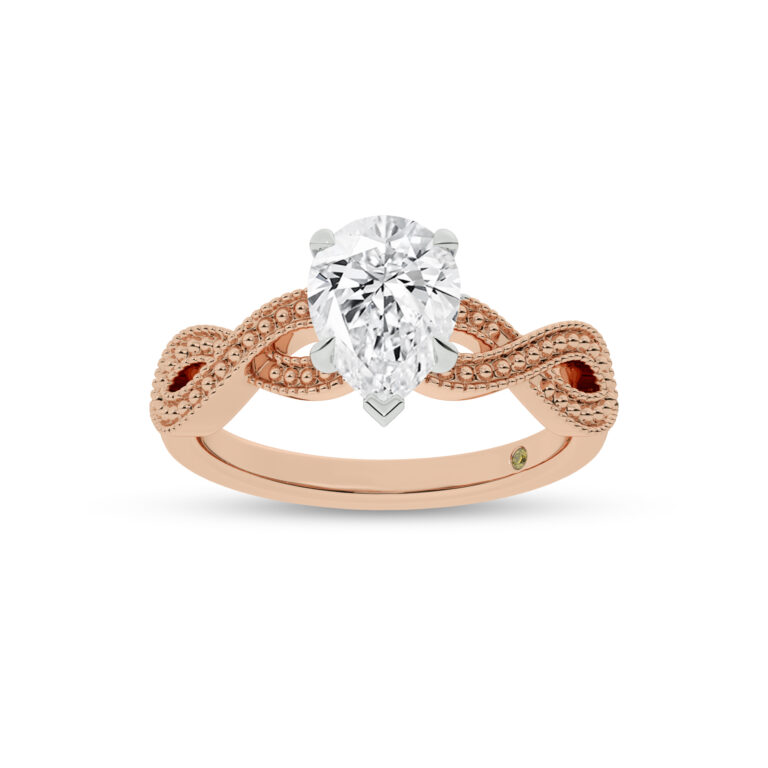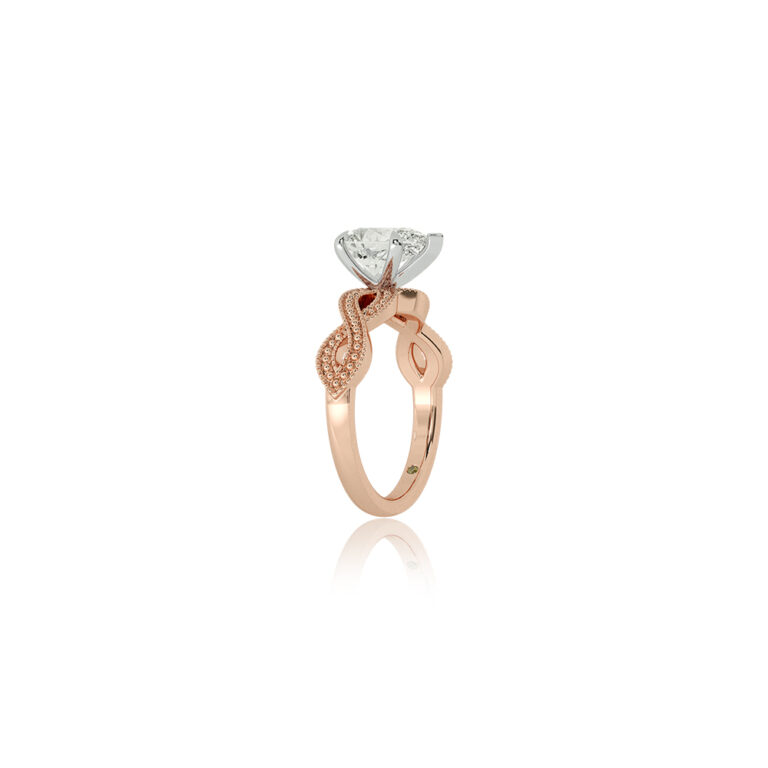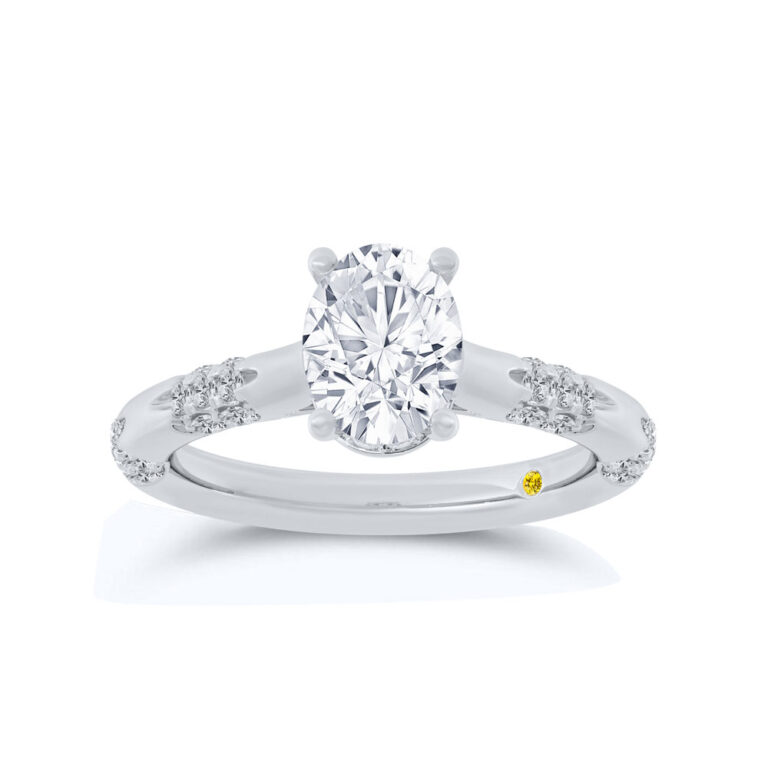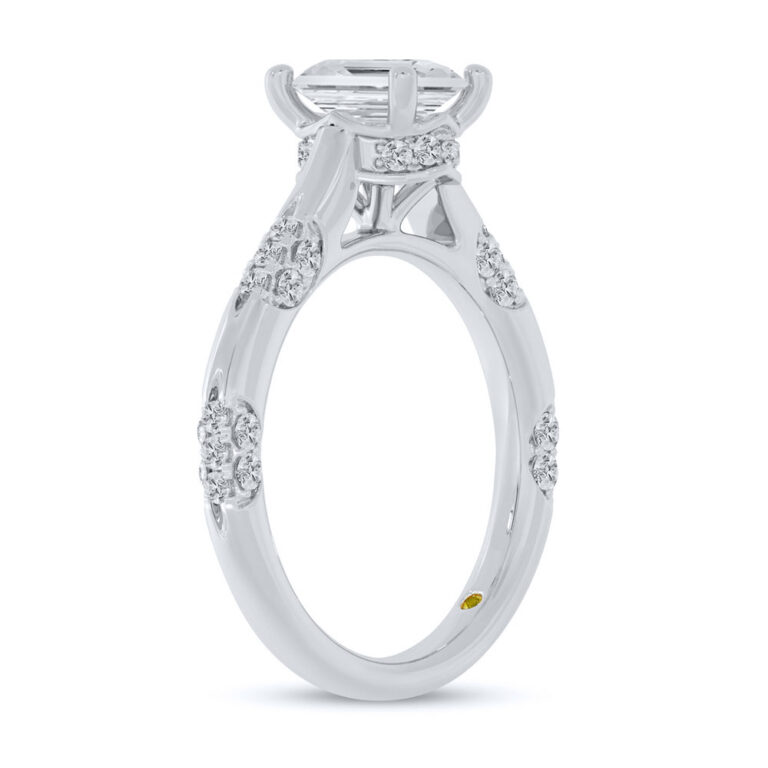
Selecting an engagement ring is a profound milestone. While the center stone naturally captures the immediate attention, the gold mounting is the architectural foundation that protects your investment. Finding the best metal color for an engagement ring dictates not only the aesthetic of the piece but how it will endure a lifetime of daily wear.
Over my 35 years as a third-generation jeweler, I have helped many couples make this choice in my office. Because of this, I always say that picking the right gold hue is about matching your daily life and personal style. Since modern lab grown diamond engagement rings offer such great value, you can safely spend your budget on premium 14k or 18k gold bands.
What is the Best Metal Color for an Engagement Ring?
The best metal color for an engagement ring depends on your skin tone, daily habits, and how much care you want to give the jewelry.
While this is a true fact, making this choice is a very personal journey, especially if you plan to design your own engagement ring. I often tell folks that the gold acts as the pure frame for your lab-grown diamond art piece.
Therefore, knowing the hard facts about yellow, white, and rose gold is the first step to making a smart, lifelong choice when browsing engagement rings.

Why is Yellow Gold a Timeless Engagement Ring Choice?
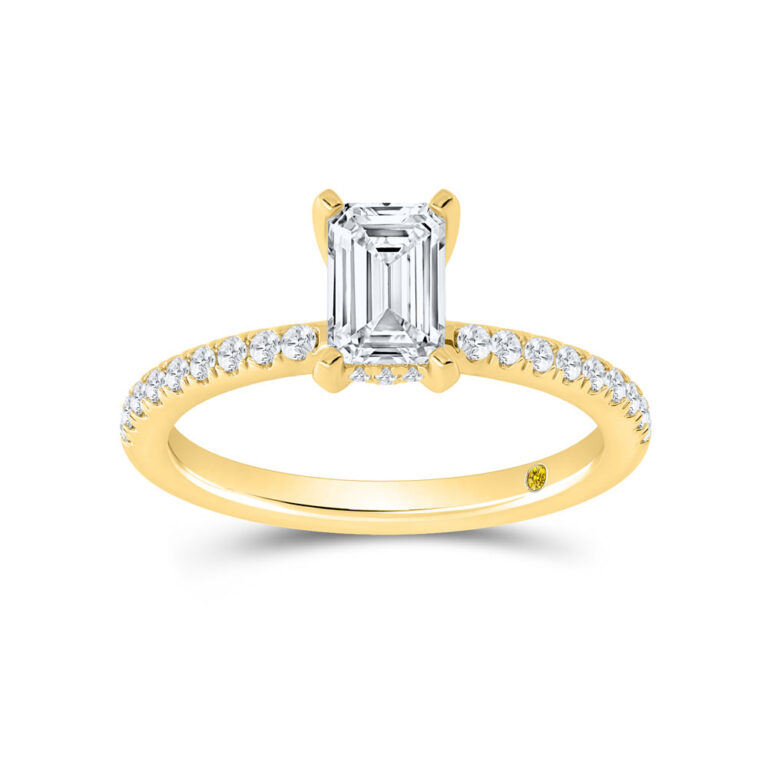
Yellow gold is a strong mix of pure gold, silver, copper, and zinc that keeps a warm color and adds needed strength. Because of this hard metal mix, it holds up well to daily wear and stops the ring from bending on your finger.
In fact, learning about how gold alloys work from the Gemological Institute of America (GIA) can help you better understand its lasting durability. I have seen in my three decades of making jewelry that this old-school color is a top choice again, particularly for those exploring our collection of vintage inspired bands.
As an added bonus, yellow gold hides slight color flaws in diamonds very well, allowing you to focus on the cut of the stone. To achieve this substantial look, I always recommend solid 14k or 18k yellow gold for a heavy, premium feel.
If you are torn between the classic warmth of yellow and other modern tones, our detailed comparison of rose gold versus yellow gold solitaire rings offers further structural and aesthetic insights

How Does White Gold Enhance a Diamond’s Brilliance?
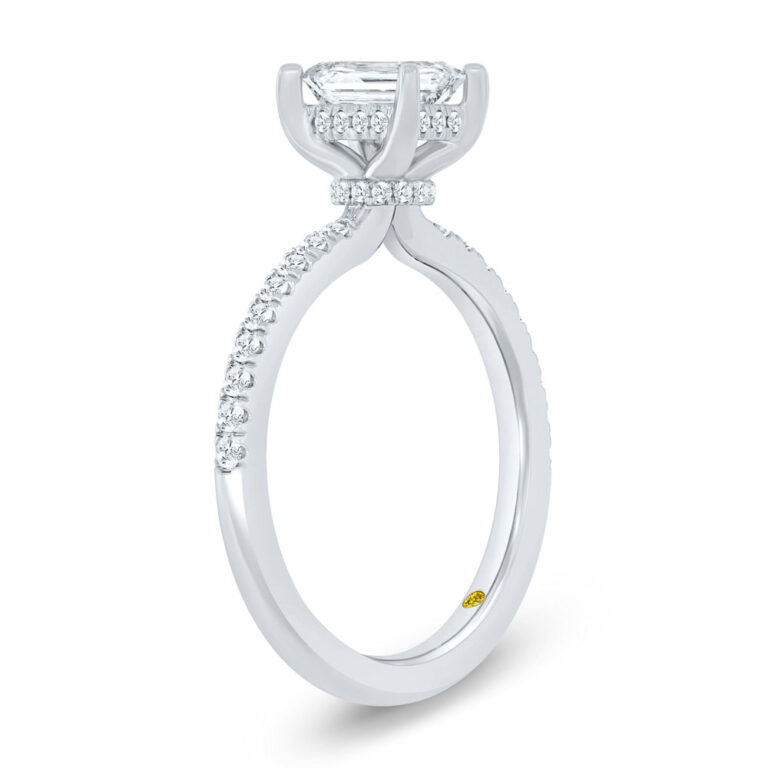
White gold is made by mixing pure gold with white metals like silver, then coating it with a bright rhodium finish. This icy coat acts like a mirror, bouncing light right back into the diamond to make the main stone look larger and brighter.
While this is true on a tech level, the real-world flash is what matters most to the couples in my office. They want that crisp, clear sparkle that catches the eye from across a room, a characteristic that perfectly complements engagement rings with a diamond halo setting.
However, to keep this bright look, you must get a quick rhodium coat put on every year or two. If you’re debating between white metals, read more about how white gold compares to platinum.

What Makes Rose Gold a Durable and Romantic Option?
Rose gold gets its dark pink tone from extra copper mixed into the pure gold base. Because copper is a very hard metal by nature, rose gold is the strongest of the three colors and fights off deep scratches.
I often point active buyers toward this metal for its raw, lasting strength. Furthermore, the soft pink tone looks great on almost all skin types by bringing out a warm glow. As a result, it is the top choice for smart buyers who want a ring that feels fresh and deeply romantic, serving as a beautiful structural foundation for a hidden halo setting.
Comprehensive Gold Color Comparison
| Gold Color | Primary Alloy Metals | Durability | Skin Tone Match | Care Level |
|---|---|---|---|---|
| Yellow Gold (14k or 18k) | Silver, Copper, Zinc | High | Warm tones | Low (Basic polish) |
| White Gold (14k or 18k) | Silver, Palladium, Nickel | Medium-High | Cool tones | Medium (Rhodium dips) |
| Rose Gold (14k or 18k) | Copper, Silver | Very High | All tones | Low (Basic polish) |

Why Pair Lab-Grown Diamonds with Premium Gold Settings?
Lab-grown diamonds are exactly the same as mined diamonds in every physical way, offering the same hard surface and bright fire. By eliminating inflated mining costs, you can strategically reallocate your budget toward a heavier 18k gold mounting or a highly intricate custom design.
A modern, intelligent buyer recognizes this exceptional advantage; pairing a premium lab-grown stone with the ideal metal color creates a fine piece of jewelry that never compromises on structural luxury, whether you prefer a simple solitaire engagement ring or a stunning three-stone engagement piece
Conclusion
In the end, picking the right gold for your ring is a very personal step. The firm metal you choose will safely hold your lab-grown diamond for many years to come.
At La Joya Jewelry, our strict goal of top-tier quality ensures your ring stays perfect. Whether you pick the classic glow of yellow, the bright flash of white, or the warm blush of rose gold, your ring will stand as a bright mark of your lasting love.
Click here to explore our complete collection of sustainable jewelry.