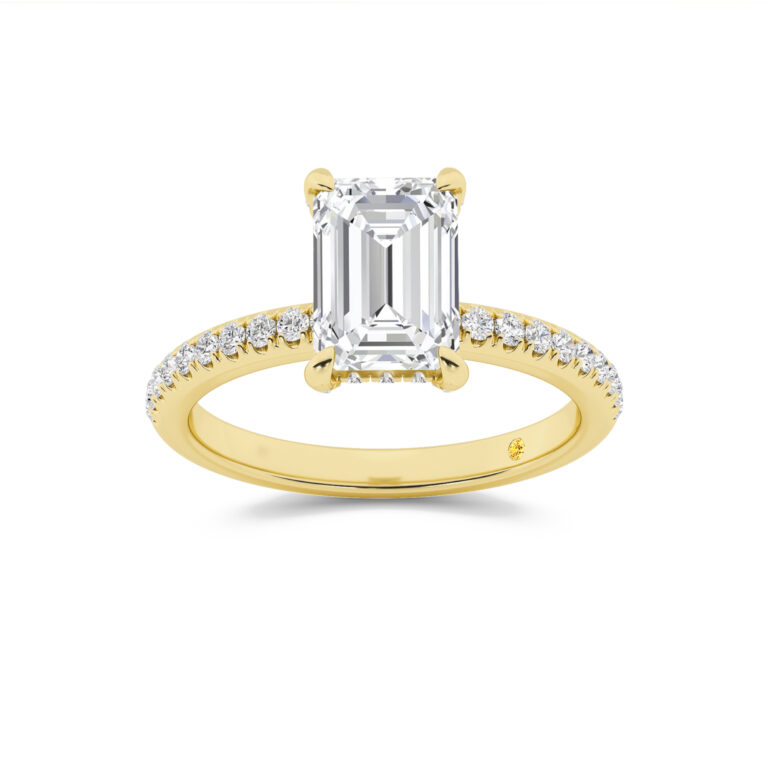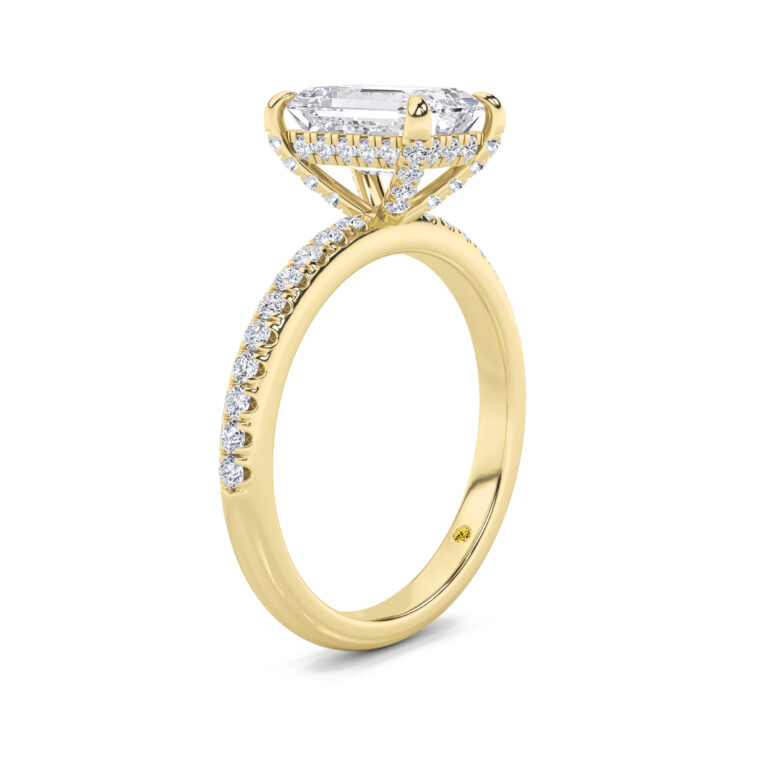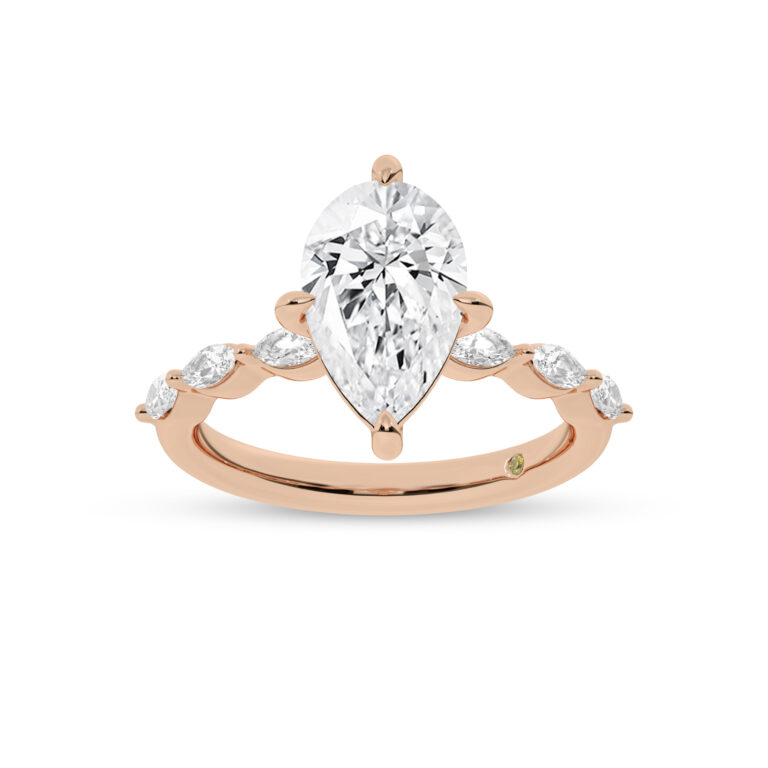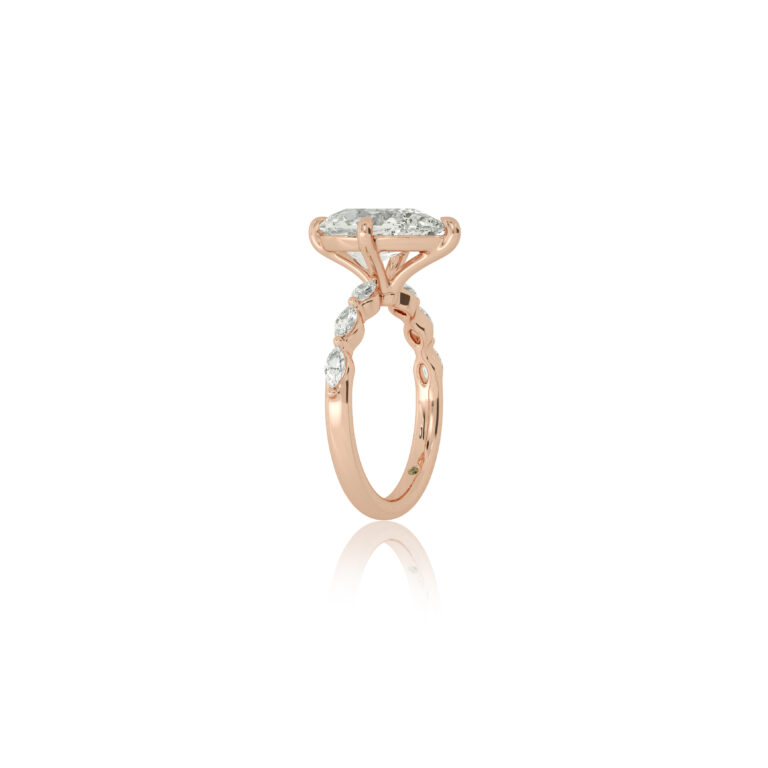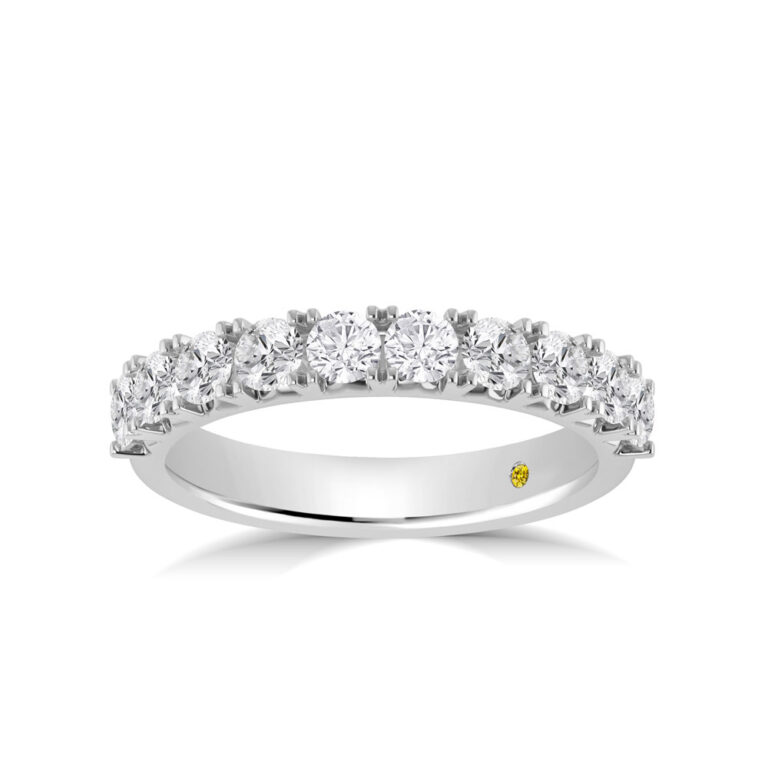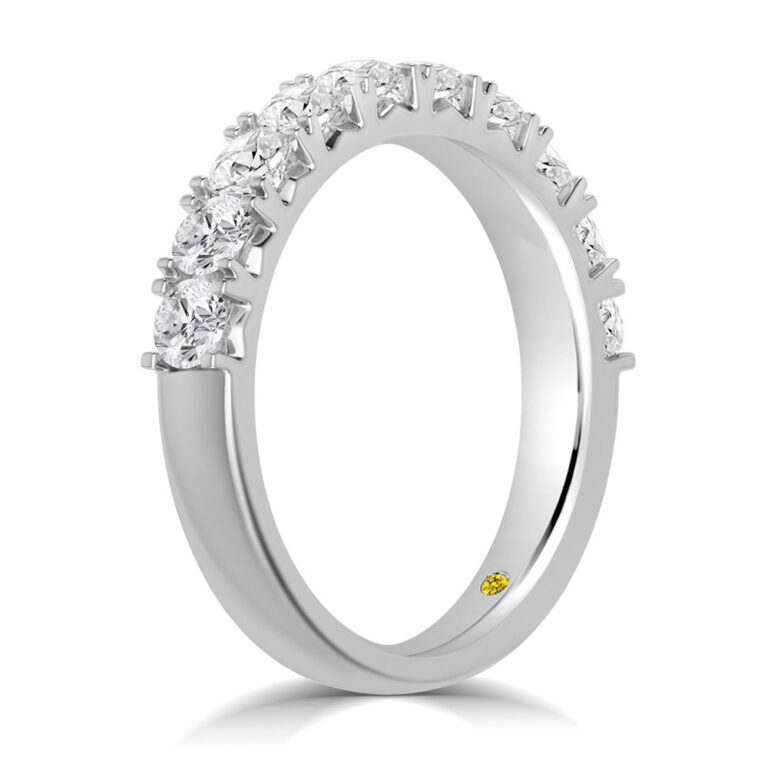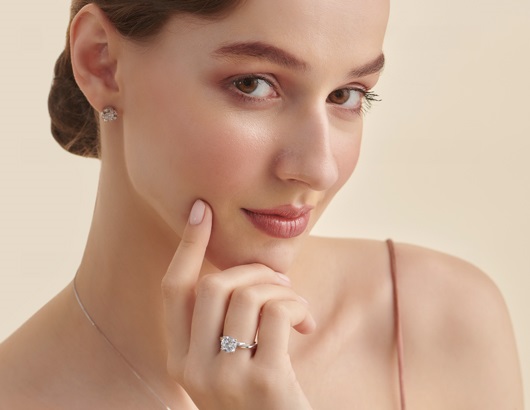
Buying a diamond bridal set feels like the most important purchase of your life. This major milestone brings high stakes and endless choices. Countless couples sit across from my desk feeling entirely overwhelmed. They often struggle with the old rules of how to wear their new pieces. Choosing between the engagement ring finger vs. wedding ring finger is a common source of confusion.
Three decades in the diamond industry have taught me a vital lesson. Tradition matters deeply. However, practical daily wear matters just as much. Let us break down the history and the cultural variations. We will also explore the modern mechanics of protecting your premium lab-grown diamond investment.

What is the Difference Between the Engagement Ring Finger vs. Wedding Ring Finger?
In Western cultures, learning how to wear your engagement ring and wedding band usually means placing both on the fourth finger of the left hand. Tradition dictates that the wedding band goes on first, resting closest to the heart, while the engagement piece follows.
During my 35 years examining fine jewelry, I have noticed many clients struggle with this exact stacking method. Stacking forces two gold bands to grind against each other constantly. Because of this friction, prongs weaken and the metal wears down over time. Placing the wedding band first actually helps keep your jewelry slightly more secure.
For example, a well-fitted 14k gold band acts as a foundational stopper. Consequently, this prevents a top-heavy solitaire engagement ring from rotating or slipping off the finger easily. We call the slow destruction caused by stacking the “Diamond Death Rub” in my office.
Moving one piece to a different finger offers a highly effective solution to this widespread problem. When discussing the engagement ring finger vs. wedding ring finger, understanding the mechanics requires looking closely at both history and simple physics.
Why Do Most People Wear Their Rings on the Left Hand?
People wear these symbols on the left hand due to an ancient Roman belief in the “Vena Amoris,” or the vein of love running directly to the heart. History created a beautiful sentiment that just happens to offer excellent mechanical protection for your jewelry.
Since nearly ninety percent of the global population is right-handed, the left hand naturally sees far less action. Grabbing door handles, lifting heavy bags, and gripping tools mostly happen with the dominant hand.
As a result, keeping a stunning 18k white gold lab created diamond engagement ring on the non-dominant side shields it from brutal daily impacts. A hard knock against a granite counter can easily chip a delicate princess cut or bend a supporting prong. Therefore, wearing your most valuable piece on the quieter hand simply makes smart structural sense.

How Do Cultural Traditions Affect Ring Placement?
In many Eastern Orthodox traditions, the wedding ring is traditionally worn on the right hand instead of the left.
Beautiful customs vary significantly across the globe. I frequently work with clients blending different cultural backgrounds, and my advice is always to avoid feeling pressured by standard Western rules. The most important etiquette is one that authentically honors your specific union and heritage, much like understanding the history and meaning of wedding bands.
Whether you prefer the left or the right side, ensuring the metal is sized correctly for that specific hand is what matters most. Dominant hands are often slightly larger, meaning a ring sized for the left will likely feel too tight on the right.
How Does the “Right-Hand Shift” Trend Protect Your Jewelry?
The “Right-Hand Shift” involves moving the engagement ring to the right hand after marriage, allowing the wedding band to sit completely alone on the left hand. This European trend is rapidly gaining popularity among sophisticated buyers who actively want to preserve their investments. P
lacing the band alone on the left eliminates the metal-on-metal grinding completely. While the left hand stays free for a simple 18k yellow gold band, the right hand becomes a dedicated stage for your statement lab-grown diamond. If you are debating between diamond vs. plain wedding bands, wearing them separately can influence your choice.
To achieve this look successfully, you must ensure both pieces are measured correctly from the beginning. Planning this shift early allows us to craft the perfect fit right from the start.

What is the “Gap” Dilemma in Bridal Sets?
A visible gap appears between stacked rings when an engagement setting has a low-set center stone or an extended halo. These specific design features prevent a straight wedding band from sitting completely flush against the neighboring ring.
Sitting in my office, I see many clients who dislike this negative space and prefer a seamless aesthetic when choosing a wedding band to match their engagement ring. If you want a locked-in look, I highly recommend engineering a contoured or curved 14k rose gold band.
Alternatively, opting for a custom design engagement ring allows the band to puzzle-piece precisely around the basket of your center stone. This bespoke approach looks highly intentional while simultaneously reducing friction between the pieces.
The Mechanics of Ring Friction and the “Diamond Death Rub”
The “Diamond Death Rub” occurs when two rings constantly rub together, slowly grinding away the gold prongs and the band itself. Even highly durable metals will eventually wear down when subjected to daily friction. Every time you open a door or type on a keyboard, stacked rings shift and scrape.
I see dozens of vintage pieces each year with severely thinned shanks caused purely by this rubbing action. If the wedding band slips beneath the diamond’s gallery, it can actually saw through the delicate basket holding the stone.
Because lab-created wedding rings are incredibly hard according to gemological standards, they will easily scratch or cut into adjacent gold bands if they make direct contact. Adopting the right-hand shift entirely removes this costly risk.

Wedding Day Logistics: Do You Wear Your Engagement Ring Down the Aisle?
The standard practice is to temporarily move the engagement ring to the right hand before the ceremony so the left finger is bare to receive the wedding band.
Struggling to remove a tight ring while holding a heavy bouquet is the absolute last thing you want to do at the altar. After witnessing decades of bridal logistics, I always recommend this seamless swap. Once the reception begins, you simply transition the piece back over to your left hand.
This locks the new lab grown diamond wedding band in place to complete your set for those perfect detail photos.
Stacking vs. Right-Hand Shift: A Wear-and-Tear Comparison
| Wearing Style | Hand Placement | Daily Impact Risk | Friction Risk | Best For |
|---|---|---|---|---|
| Traditional Stack | Both rings on left hand | Low (for right-handed users) | High (constant metal rubbing) | Buyers favoring classic romance and history |
| Right-Hand Shift | Band on left, diamond on right | Moderate (diamond is on dominant hand) | Zero (pieces do not touch) | Preserving 18k gold settings and large center stones |
| Eastern Orthodox | Both rings on right hand | High (if user is right-handed) | High (constant metal rubbing) | Honoring specific cultural or religious heritage |
Conclusion
Crafting exceptional jewelry requires balancing timeless beauty with structural reality. Exploring the wedding ring vs engagement ring finger debate reveals that there is no single perfect answer. Whether you embrace ancient traditions or adopt the modern right-hand shift, protecting your real lab-grown diamond rings ensures they last for generations.
At La Joya, our commitment remains focused on delivering premium craftsmanship that withstands the ultimate test of time across La Joya’s engagement collection. Navigating the rules of the Engagement Ring Finger vs. Wedding Ring Finger ultimately comes down to your personal lifestyle.