Choosing bridal jewelry can feel like a high-stakes puzzle when the basic structural rules remain hidden. Many buyers struggle to understand the core difference between an engagement ring vs wedding ring designs.
Over my 35 years in the jewelry trade, I have seen thousands of couples make costly mistakes by focusing only on aesthetics instead of engineering. Understanding the architecture of an engagement ring vs wedding ring is the true secret to building a stack that lasts a lifetime.
In my office, we treat the engagement piece as the vertical showpiece and the secondary band as the horizontal foundation. By shifting your focus from matching sets to smart construction, you protect your premium lab grown diamond engagement rings and ensure true daily comfort.
What Are the Structural and Symbolic Differences Between the Rings?
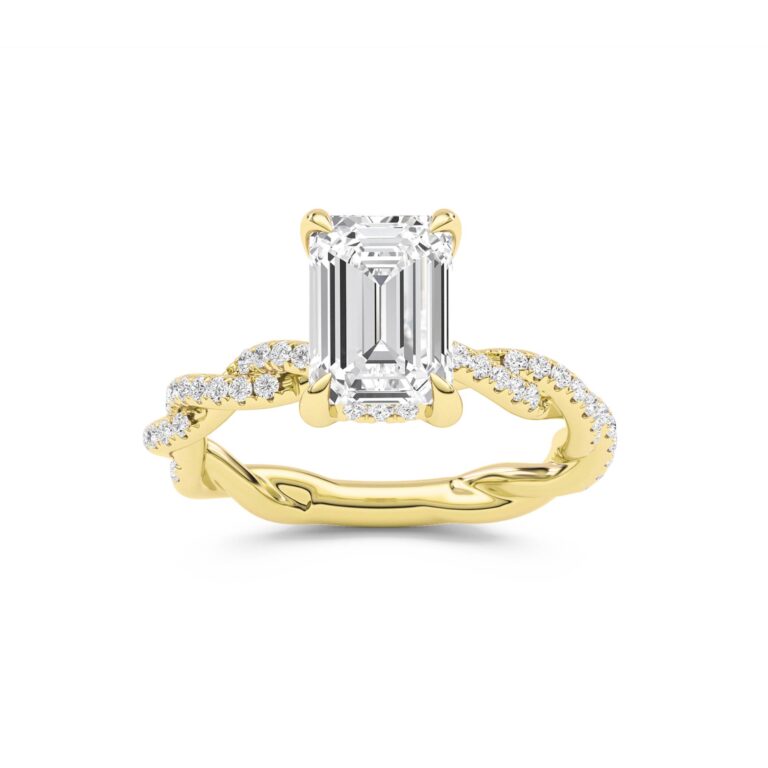
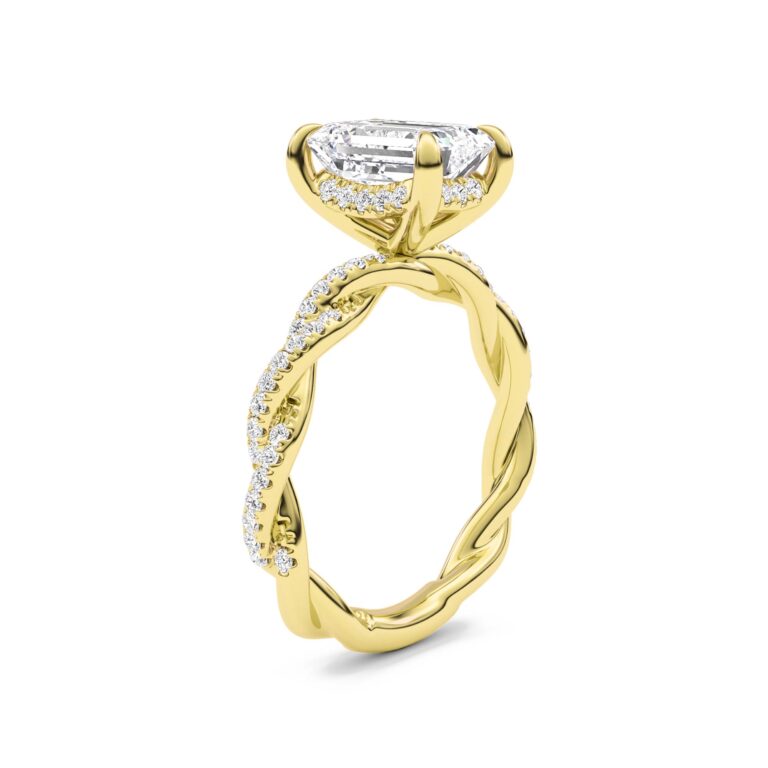
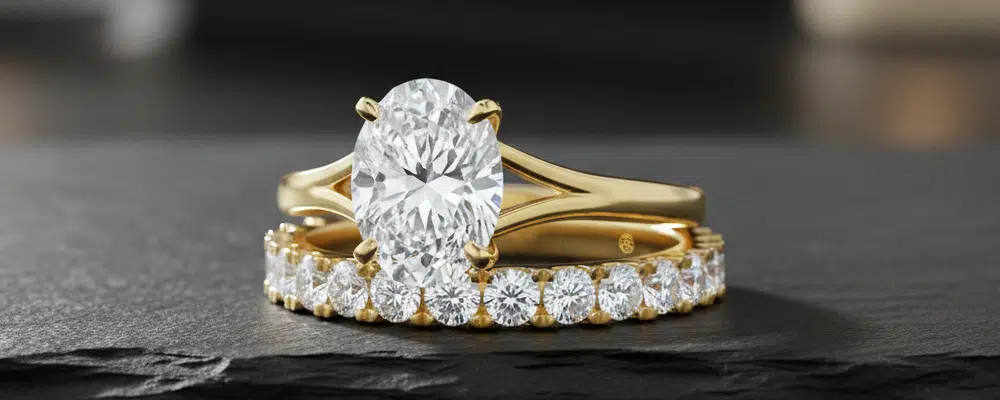
An engagement ring features a vertical setting given during the proposal to signify intent, while a wedding ring is a horizontal band exchanged during the ceremony to finalize the marriage.
Because the center diamond sits high on the primary band, the prongs and gallery rail take the brunt of daily impacts. This vertical architecture is why I always guide clients toward robust 14k or 18k gold instead of softer metals.
Over three decades reviewing repairs in my office, I have learned that a raised head requires a perfectly matched horizontal partner. Consequently, the flat band must slip securely under or beside this setting without causing metal-on-metal friction.
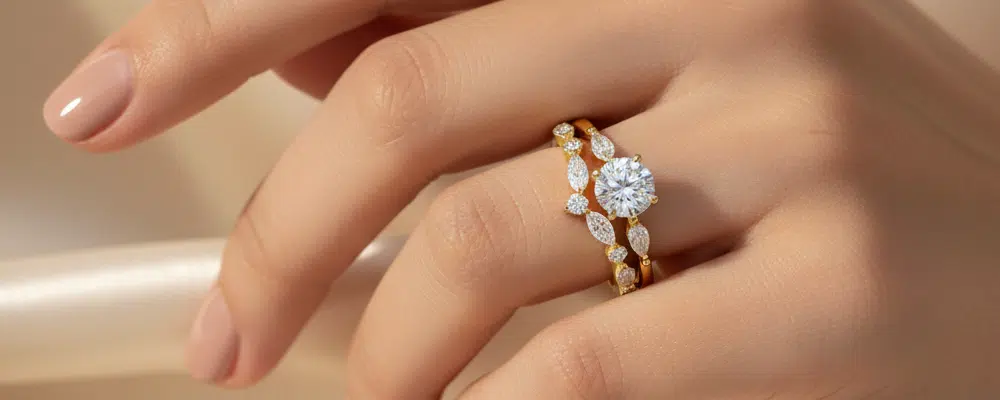
Why Is the Wedding Band Considered the Foundation?
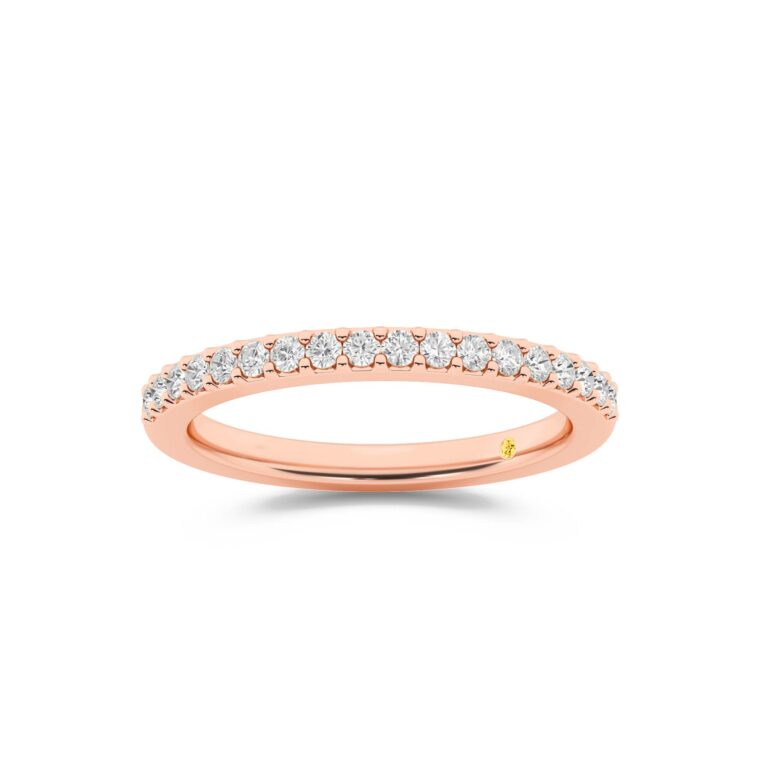
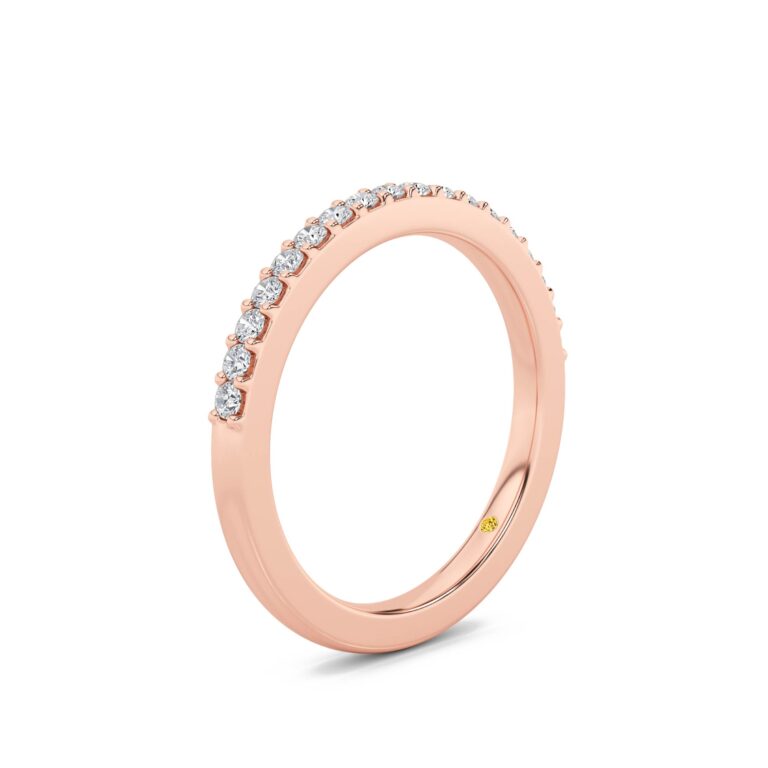
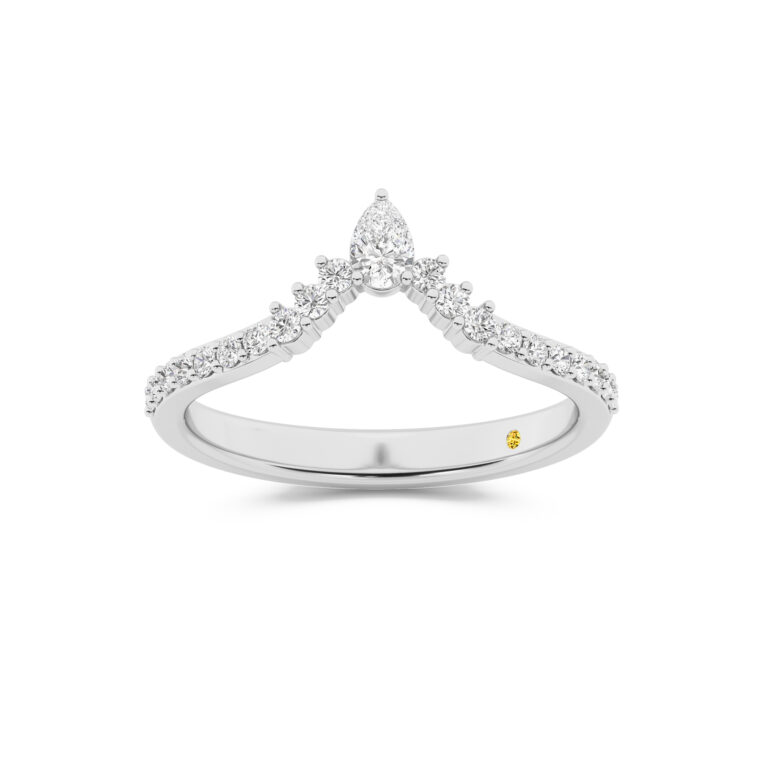
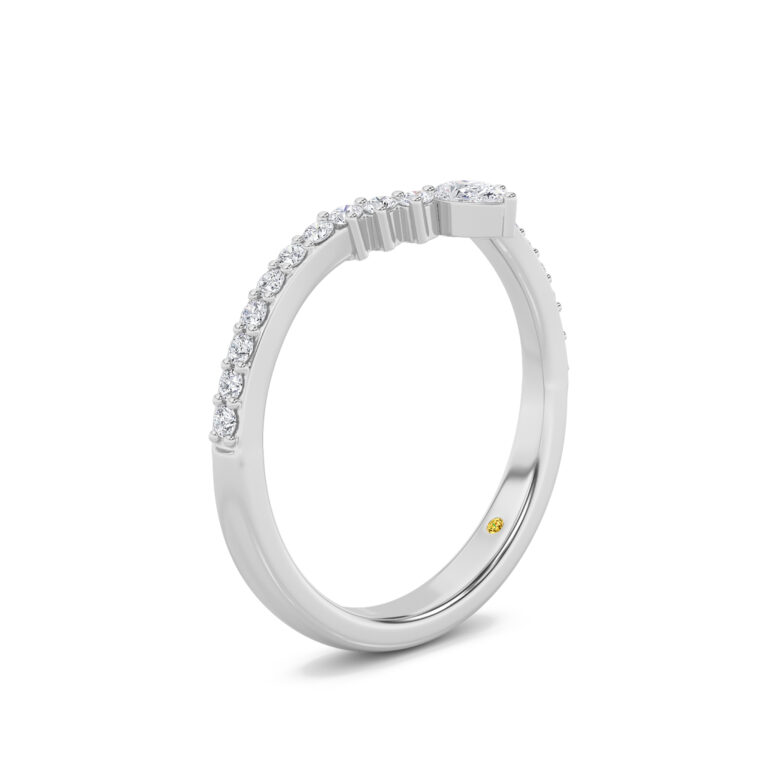
A wedding band distributes daily wear and tear evenly across a wider, horizontal surface to protect the fingers and adjoining rings.
Because it lacks a towering center stone, this ring sits flush against the skin for maximum comfort. This flat design acts as a vital shock absorber for your hand. When a heavy bag pinches your grip, the sturdy gold band takes the pressure instead of the delicate engagement prongs. Furthermore, building a solid foundation means choosing dense, well-cast 18k or 14k yellow, rose, or white gold.
In my family’s third generation of manufacturing, we have seen that a well-crafted foundation prevents the top-heavy ring from spinning out of place. As a tradition, this foundational piece is placed on the left finger first during the ceremony so it rests closest to the heart—a concept explored in our guide on the engagement ring finger vs. wedding ring finger.
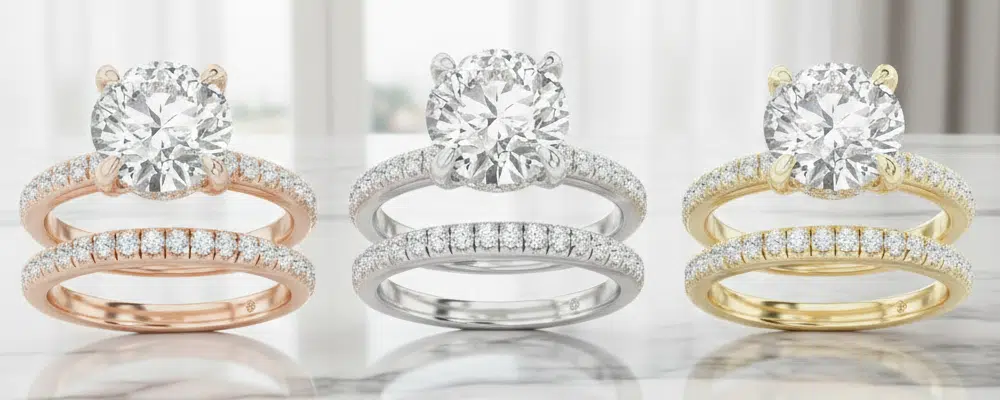
Which Metal Color Is Best for Engagement and Wedding Rings?
Solid 14k or 18k white, yellow, or rose gold offers the best balance of long-term durability and safe resizing capability. Choosing the right alloy ensures your jewelry can adapt to weight fluctuations or climate changes over the next fifty years.
For instance, white gold provides a sleek mirror finish that enhances the icy brilliance of a lab-grown diamond. Alternatively, yellow gold delivers a warm contrast that makes the center stone visually pop. Rose gold, created by mixing in copper, produces a vintage pink hue that blends beautifully across all skin tones.
Regardless of the color you pick, I strongly advise matching the karat weight across both bands, though many modern couples successfully embrace the mixed metal trend. Mixing different hardness levels will inevitably cause the tougher metal to scratch and wear down the softer one over time.
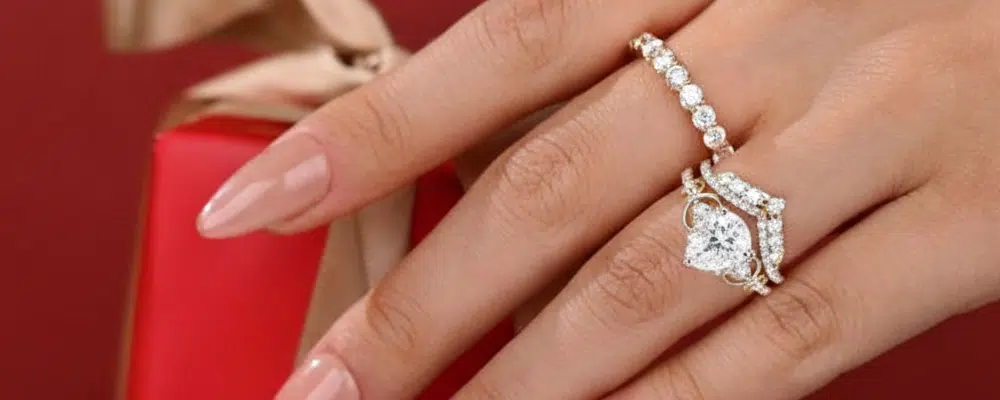
Do You Have to Buy a Matching Bridal Box Set?
You do not need to buy a pre-packaged matching box set because custom-pairing rings provides a better fit and structural balance. Retailers push these sets to double their immediate sales, not to improve your long-term wear.
Actually, buying them separately allows you to build custom engagement rings engineered for a flush fit based on your specific center stone shape. For example, an elongated oval lab-grown diamond might require a curved wedding band to prevent a large metal gap.
By learning how to choose a wedding band to match your engagement ring, you can create a custom stack that protects the pavilion of the main diamond from scratching against the neighboring band.
I always advise viewing the main ring as the wow factor, and the secondary band as the vital structural support within your complete diamond bridal set.
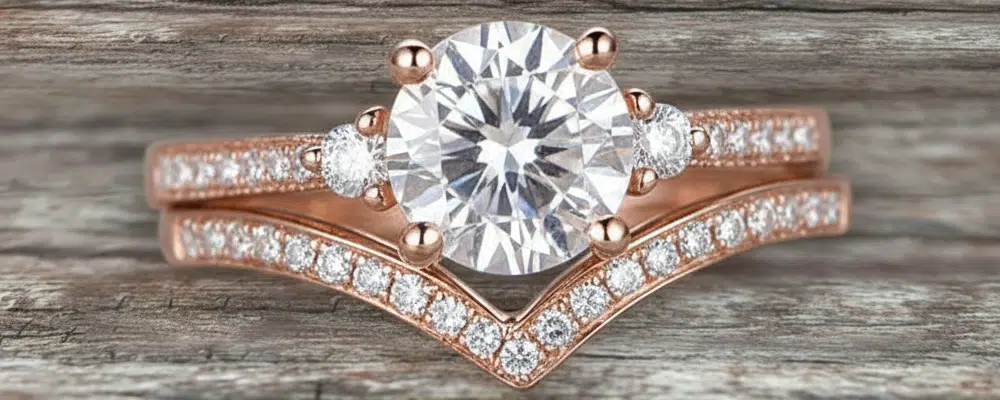
Should You Solder Your Rings Together?
Soldering your rings together binds them into a single unit to prevent spinning and reduce metal-on-metal friction. This permanent fusion ensures the diamonds always stay aligned perfectly on your finger.
By stopping the bands from rubbing against each other, you significantly extend the lifespan of the gold prongs. However, keeping them separate offers more versatility for your daily lifestyle.
Leaving them unattached allows you to wear just the flat diamond wedding band to the gym or during hands-on work where a high-profile diamond might get damaged.
Engagement Ring vs Wedding Ring: Engineering and Usage Comparison
This comparison details the specific structural variations and primary functions of the two distinct ring types. Reviewing these specs helps clarify why these pieces require different engineering standards.
| Feature | Engagement Ring (The Showpiece) | Wedding Ring (The Foundation) |
|---|---|---|
| Primary Architecture | Vertical (lifts stone for light) | Horizontal (lays flat on finger) |
| Symbolic Meaning | The Promise (“Yes”) | The Commitment (“I Do”) |
| Metal Preference | 14k or 18k Gold (strength for prongs) | 14k or 18k Gold (durability for band) |
| Wear Profile | Prone to catching and snagging | Low impact, everyday endurance |
| Engineering Goal | Maximum light return and brilliance | Flush fit, comfort, and shock absorption |

Conclusion
The choice between these two rings ultimately comes down to understanding their distinct architectural roles. Balancing the vertical brilliance of a lab-grown diamond with a sturdy gold foundation ensures lifelong wear.
At La Joya, our commitment remains fixed on crafting intelligently engineered jewelry. We build every piece to deliver uncompromising quality, lasting comfort, and premium value, which you can see when you explore La Joya’s solitaire collection.