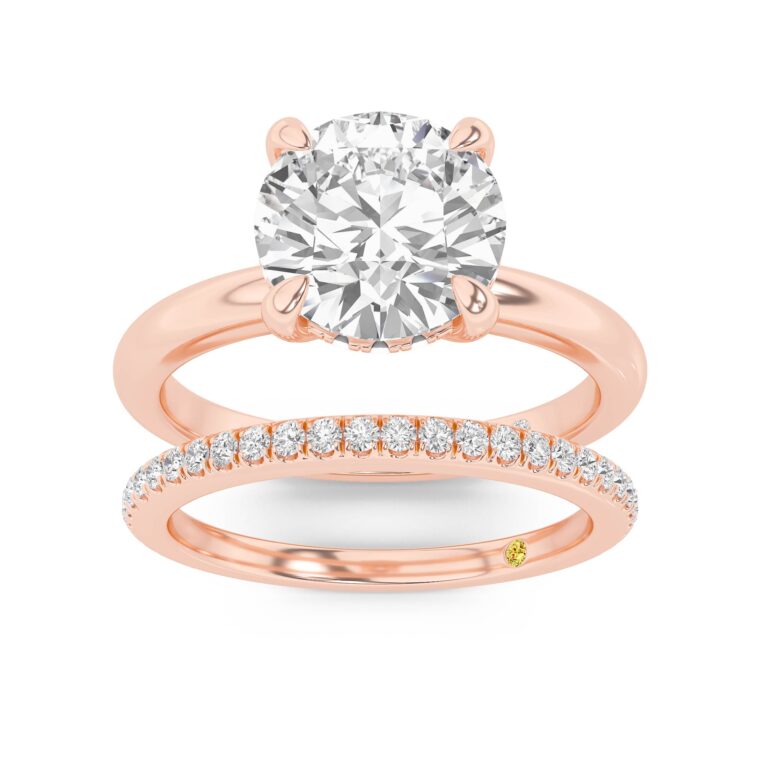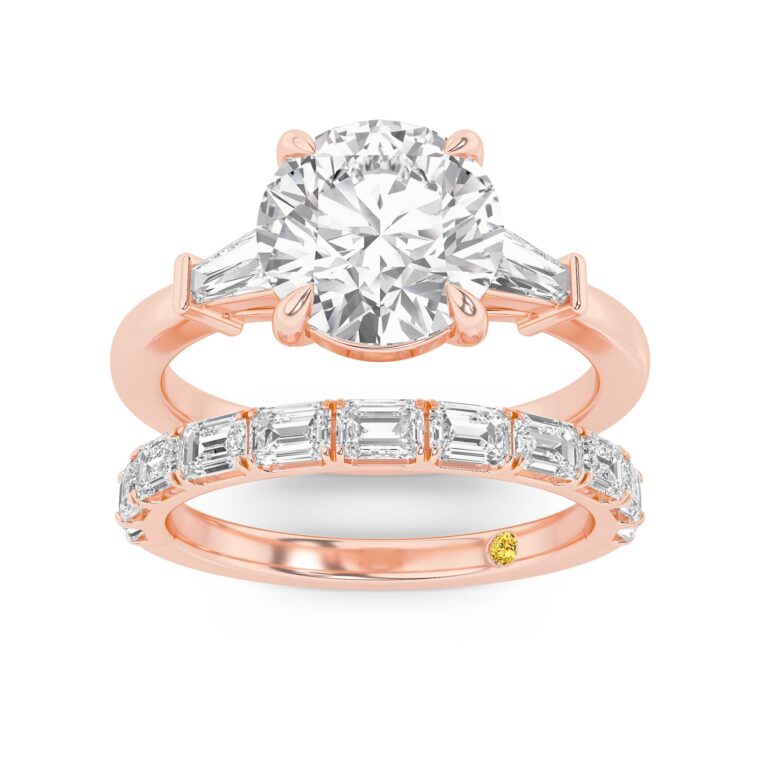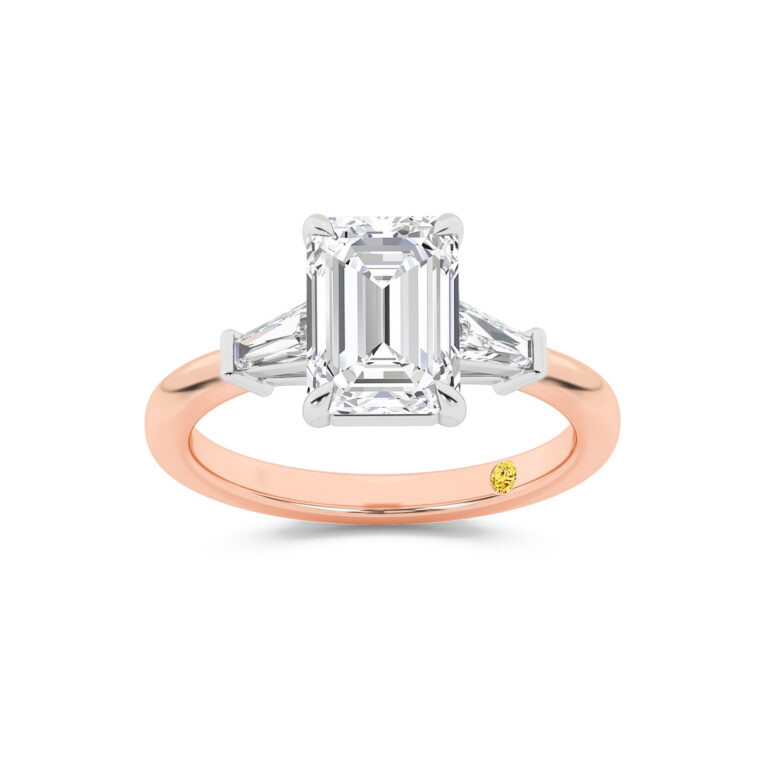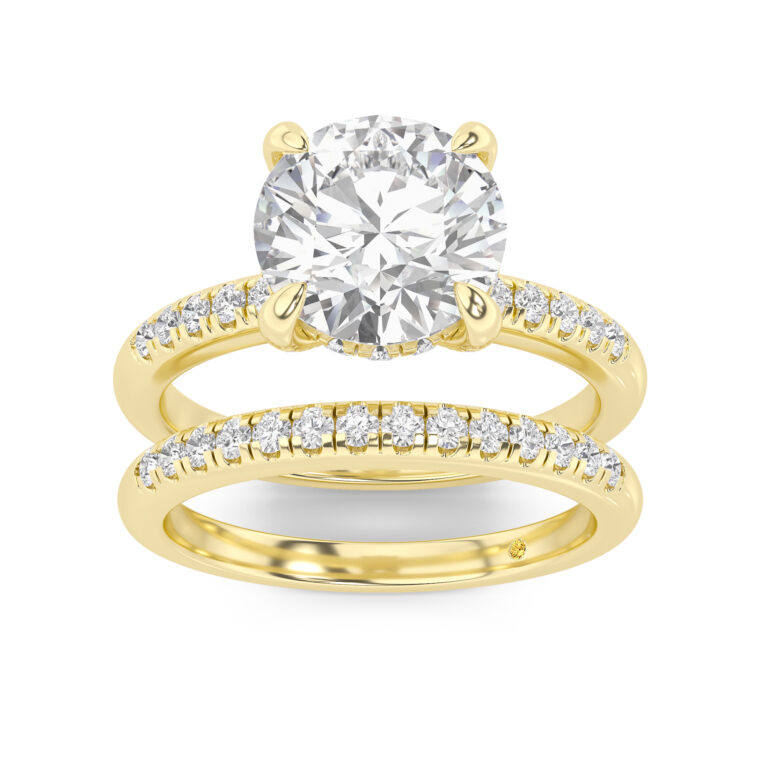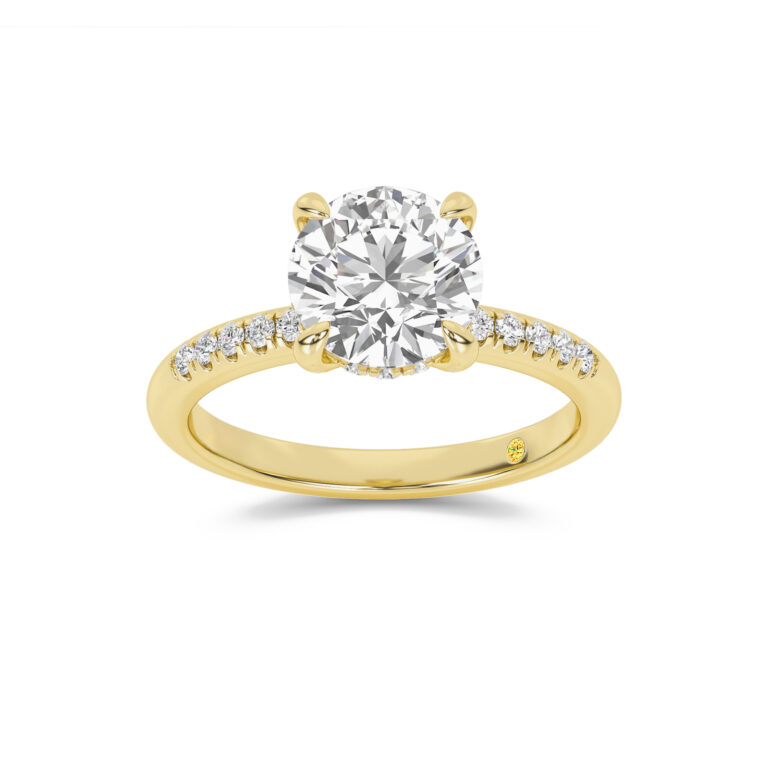
Buying a new ring brings a lot of pressure. Couples often spend months searching for a center stone. They treat the matching band as an afterthought. Consequently, this simple mistake leads to scratched metal and ruined jewelry. Welcome to my definitive engagement and wedding ring set guide.
I have seen thousands of damaged rings cross the desk in my office over the years. These heartbreaking repairs happen because clients mix pieces from different makers. To prevent this heartache, we must look at the exact engineering behind your jewelry.

What Are Jewelry Tolerances in Bridal Sets?
Jewelry tolerances are the exact millimeter measurements that dictate how two rings fit together. When you buy a solitaire engagement ring from one brand and a band from another, these tiny sizes will clash.
For example, a setting designed by a stranger will not fit the unique height of your exact center stone. Because of this gap, the pieces will rub against each other every time you move your hand. Eventually, this constant rubbing acts like sandpaper on your beautiful 14k or 18k gold bands.
In my family’s business, we learned early on that hoping two random rings will match is a terrible idea.
Why Do Mismatched Rings Cause Metal Damage?
Mismatched rings cause metal damage because differing prong angles create friction that slowly grinds down the gold.
You might not notice this grinding at first. However, day after day, that tiny bit of rubbing wears away the precious metal holding your diamond. Once the prongs thin out, you risk losing your center stone entirely.
To fix this common problem, jewelers must add more gold to rebuild the setting. As a result, this repair work costs you extra money, which is why understanding the budget for your forever set and thinking about the long-term structural safety of your jewelry is always my best advice. Picking a properly aligned set right away avoids these costly repairs later.
How Does a Unified CAD Blueprint Protect Your Rings?
A unified CAD blueprint protects your rings by digitally designing both pieces at the exact same time so they lock together flawlessly. Modern jewelry making relies on highly precise computer models. By using this shared digital file, the engagement piece and the wedding band become a single solid unit.
Therefore, the prongs on the main ring fit perfectly into the exact spaces of the matching band. This precise engineering stops the rings from spinning awkwardly on your finger.
Through three generations of crafting fine jewelry, I can confidently say that this unified approach is the ultimate secret to durability. A complete engagement and wedding ring set guide must highlight the huge value of this exact fit, particularly when you need to know how to choose a wedding band to match your engagement ring.

Why Are Lab-Grown Diamonds the Smart Choice for Bridal Sets?
Lab-grown diamonds are the smart choice for bridal sets because they offer exact carbon purity—verified by institutions like the GIA—and flawless structure for the modern buyer.
These gems are completely identical to mined stones. Because they are grown in clean labs, they come without the outdated industry markups. This lets us select stones with stunning clarity and perfect cuts when you design your own engagement ring.
Furthermore, making this intelligent choice gives couples true luxury and premium value. Pairing these brilliant stones with rich 14k white, yellow, or rose gold creates an heirloom piece.
Sitting in my office, I see smart buyers picking this modern route every single day.

What Are the Most Popular Styles for a Bridal Bands Set?
The most popular styles for a diamond bridal set include classic solitaires, vintage halos, and modern bezel designs.
Over my three decades evaluating fine jewelry, I have noticed that each style requires completely different structural planning. For example, a vintage halo setting demands a curved matching ring to sit flush against the wide diamond cluster. Because of this curved shape, the two pieces lock together perfectly and prevent the heavy top from leaning sideways.
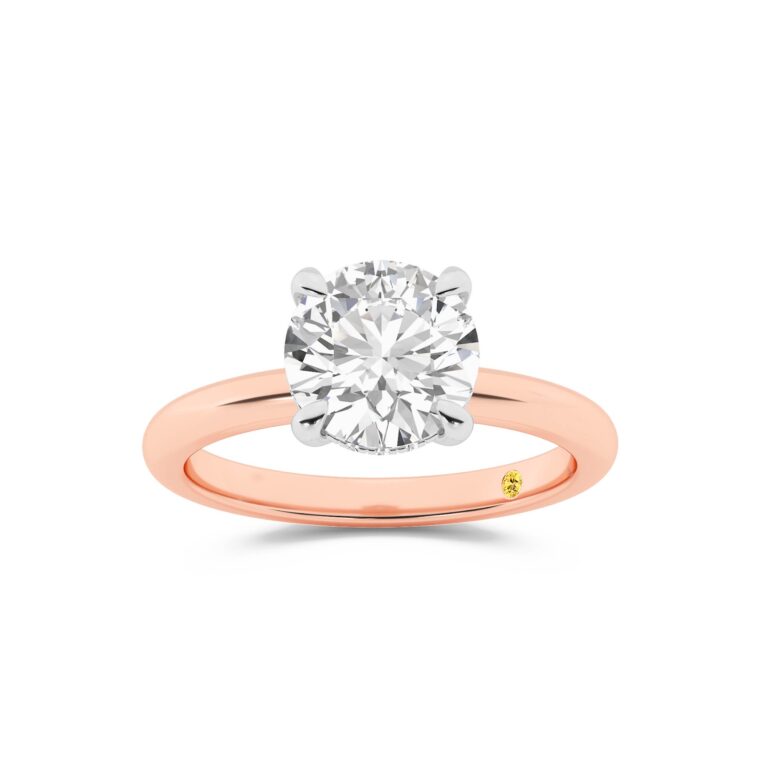
Alternatively, a solitaire diamond engagement ring allows a straight band to slide neatly underneath the high prong basket, a pairing we explore deeply in our guide on the top 5 styles of wedding bands for solitaire engagement rings. Choosing this straight design gives you the ultimate flexibility to wear the wedding band completely on its own.
Furthermore, pairing these timeless designs with brilliant lab-grown diamonds ensures your 14k or 18k gold investment remains stunning for generations, a core philosophy behind La Joya’s lab-created diamond engagement rings. Sitting in my office, I always advise clients to pick a style based on how the two rings physically connect.
How Does a Halo Setting Protect a Center Stone?
A halo setting protects a center stone by wrapping a continuous circle of smaller diamonds completely around the fragile edges of the main gem, a structural benefit recognized by gemological experts at the GIA. This protective metal barrier takes the brunt of daily impacts instead of the valuable center diamond.
When you purchase an engagement ring with wedding band, the matching band must be engineered to safely clear this wide halo. Otherwise, the lower edge of the halo will grind against the bottom ring and eventually pop the tiny stones out of their delicate prongs.
In my long career, fixing a chipped center stone is the absolute saddest task we perform, which is why understanding how to clean and maintain your diamond wedding band is just as important as the initial design. Therefore, investing in a unified set gives you unmatched peace of mind and incredible durability.
As a result, your beautiful rose, yellow, or white gold heirloom stays perfectly intact, allowing you to safely embrace the mixed metal trend over time without excessive structural wear.
The Differences Between Unified Sets and Mismatched Bands
Unified sets provide structural safety and perfect alignment, whereas mismatched bands cause metal wear and constant spinning. Understanding these physical facts helps you protect your hard-earned investment.
Let us review exactly how these two choices compare over a lifetime of wear. Below is a simple table showing what happens when you follow a true engagement and wedding ring set guide versus buying random pieces.
| Feature | Unified Bridal Set (Same Blueprint) | Mismatched Bands (Different Brands) |
| Metal Wear | Zero friction; rings lock tightly together. | High friction; causes deep gold scratches. |
| Spinning | Pieces stay upright and perfectly centered. | Rings spin around all day long. |
| Prong Safety | Baskets are built to easily clear the band. | Band rubs against prongs daily. |
| Visual Flow | Diamonds line up perfectly on both bands. | Uneven gaps and clashing diamond sizes. |
| Long-Term Cost | Fewer gold repairs needed over time. | High maintenance; needs costly prong rebuilding. |
Why Is a Unified Bridal Set a Better Investment?
Investing in a unified bridal set ensures your rings will survive decades of daily wear without structural failure. True luxury is about long-lasting quality and highly intelligent design.
By choosing a perfectly built set with our beautiful lab-created options, you secure a lasting family heirloom.
Our strict commitment at La Joya is to give you flawless craft that stands the test of time; explore La Joya’s collection of diamond wedding bands to see this quality firsthand.