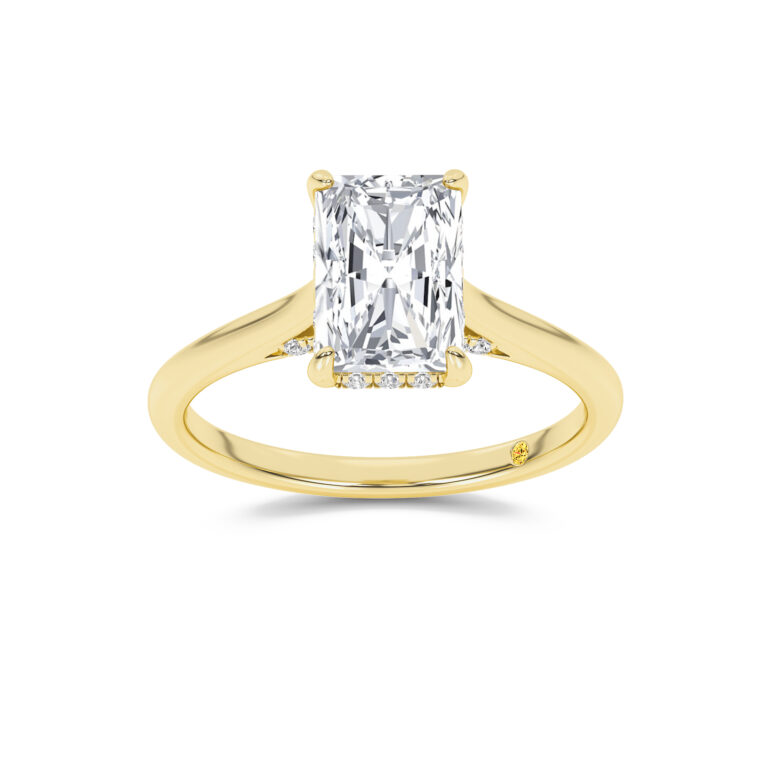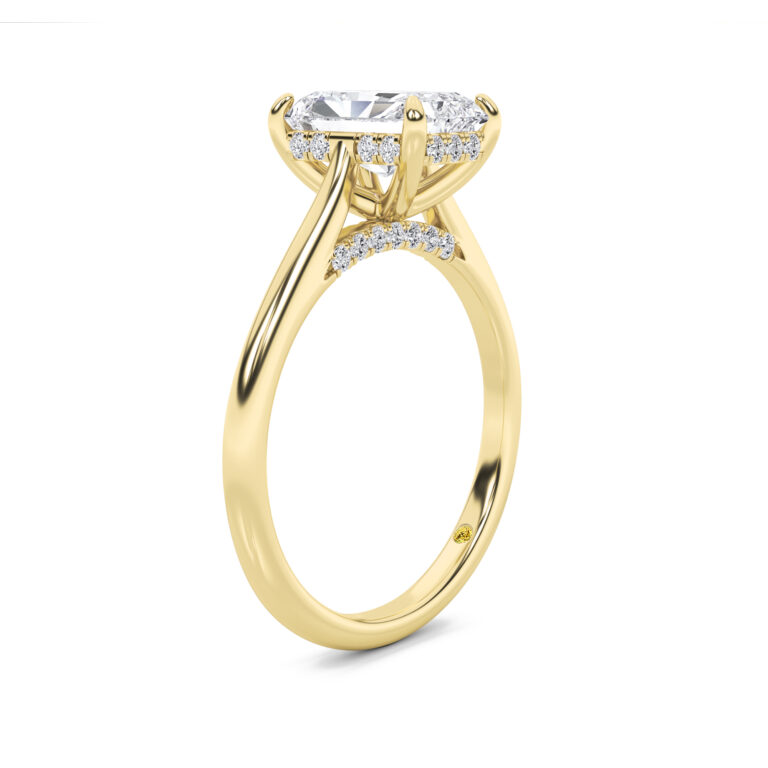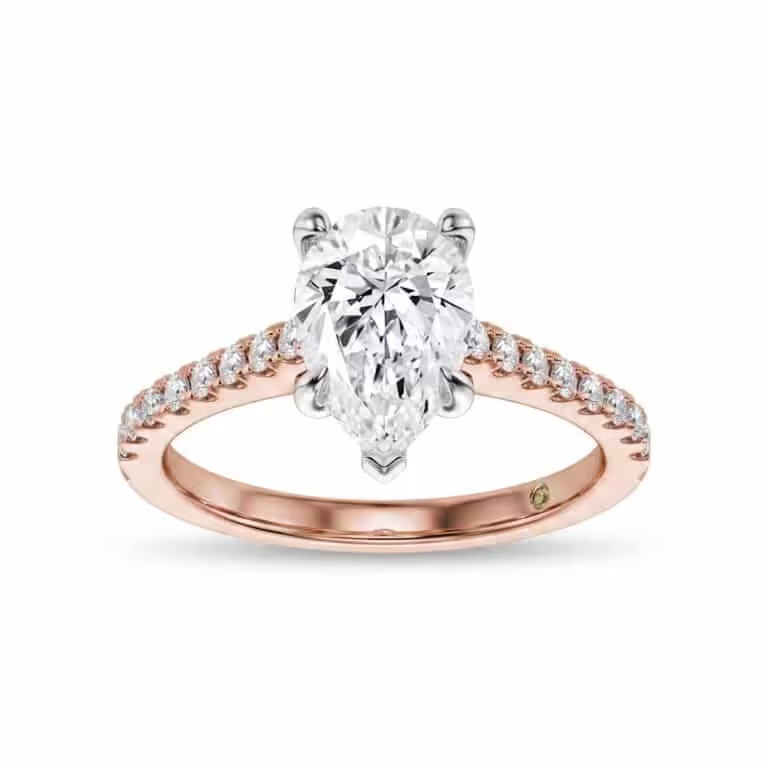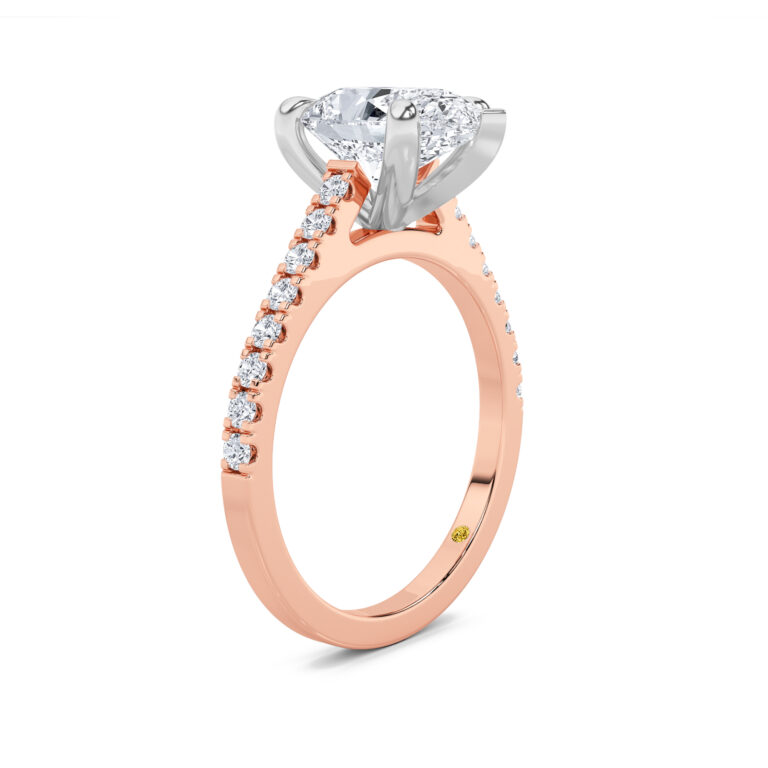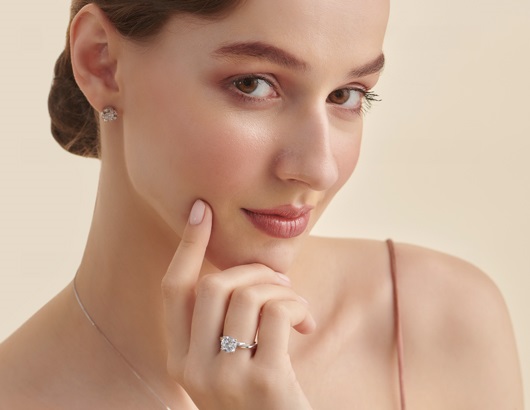
Preparing for a proposal should be pure joy. However, expecting family pushback often creates unneeded stress. This stress means explaining lab grown diamonds to parents feels like a deeply uneasy talk.
The U.S. government officially named lab-grown stones as real diamonds in 2018. They share the exact same physical and chemical makeup as mined gems.
During my 35 years at the jewelry bench, I have watched this legal ruling back up the bridal market. Because this market is backed up, older family members quickly drop their worries. They often mix up modern stones with 1980s fake gems like cubic zirconia. Those old fakes turned cloudy or yellow over time.
As a result, you must explain the science reality of Type IIa diamonds. These represent the top two percent of carbon pureness. Real lab crystals never fade, cloud, or change color.
Because they are pure carbon, their bright fire is totally lasting. Many couples use this modern safety to pick larger lab grown diamond engagement rings that would be money-wise out of reach otherwise.
So, the chat quickly shifts away from the gem’s start. Since the start no longer matters, you can focus purely on the amazing sparkle.
How Does a GIA Grading Report Reassure Traditional Family Members?
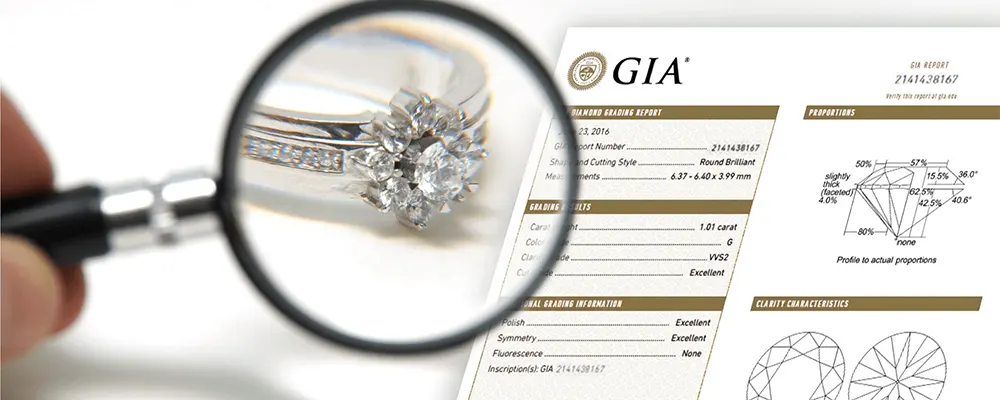
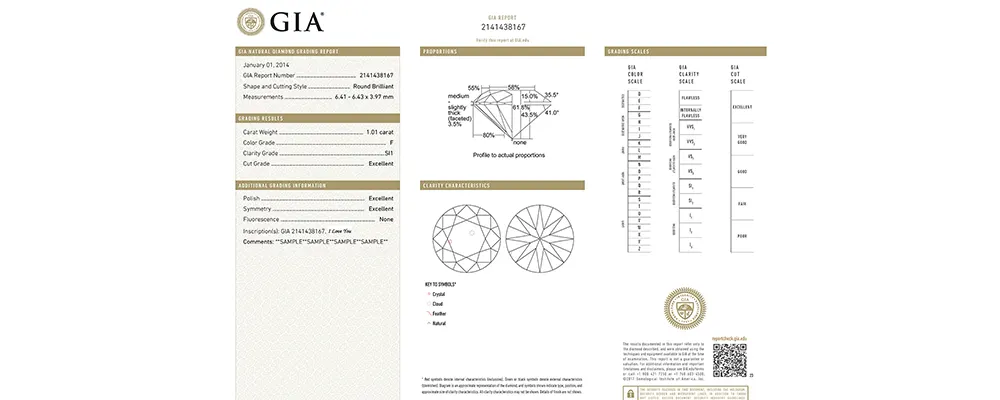
A grading report from a top lab proves the stone was checked properly. They use the exact same strict rules applied to mined diamonds. I always suggest showing this outside grade sheet to old-school relatives.
In my experience, a physical grading paper acts as the best proof of quality. When parents see this map of the inside structure, they right away get the truth. To bring this level of trust, every ring I build comes with key lab papers.
Explaining lab grown diamonds to parents becomes highly simple with official paperwork. Do they worry about cheap, retail stones? You can show them the exact crown and bottom angles on the report, which control light performance.
For those feeling stressed by options, checking an expert solitaire engagement ring buying guide can clear up what those shape numbers mean for actual everyday brilliance.
Are they worried about sneaky color fixes?
We show how low-tier sellers sell cheap CVD (Chemical Vapor Deposition) diamonds with brown tints. Those cheap stones need post-growth laser heating to fix their bad color. Because of this, we only sell stones with “no post-growth treatment” on the report.
So, handing them this clean lab report destroys any leftover fears.

Why Should You Pair a Modern Center Stone With Solid Gold?
Setting your diamond in solid gold ensures the ring has physical strength. I always remind couples that the setting metal matters deeply. Over decades of making fine rings, I see how heavy gold grounds the high-tech crystal.
Because gold provides a strong base, it safely holds larger carat weights. While this strength applies to all gold, you must avoid cheap retail metal cutting corners. Parents are rightly worried that a huge diamond will fall out.
We must explain that the stone is not the risk here; the actual risk is the thin setting.
Corporate giants often save money by casting weak bands under 1.5 millimeters. Because of this, the band bends easily. As a result, the prongs are thrown out of line.
To protect your purchase, it helps to read up on engagement ring settings & shanks to learn how proper metal sizes protect a center stone. I firmly keep a 1.8-millimeter starting thickness at my design bench. So, this stops the band from bending during daily wear. Choosing a rich, top metal proves to her family that you never cut corners.
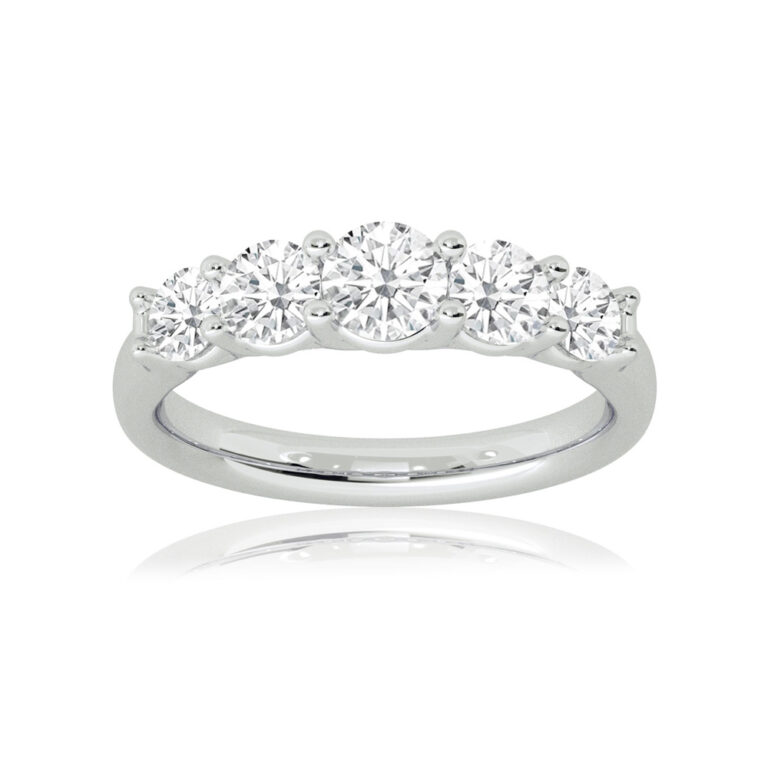
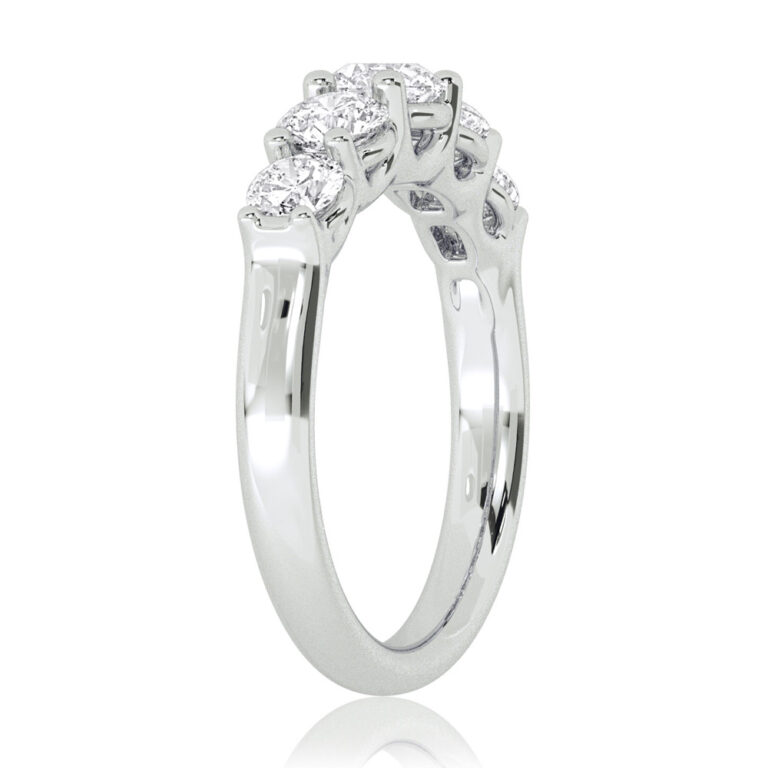
Whether you are finishing a classic single look or looking at complete lab created diamond bridal sets, the weight of top gold backs up your entire setup.
Do Lab-Grown Diamonds Hold Up to Daily Wear Over Decades?
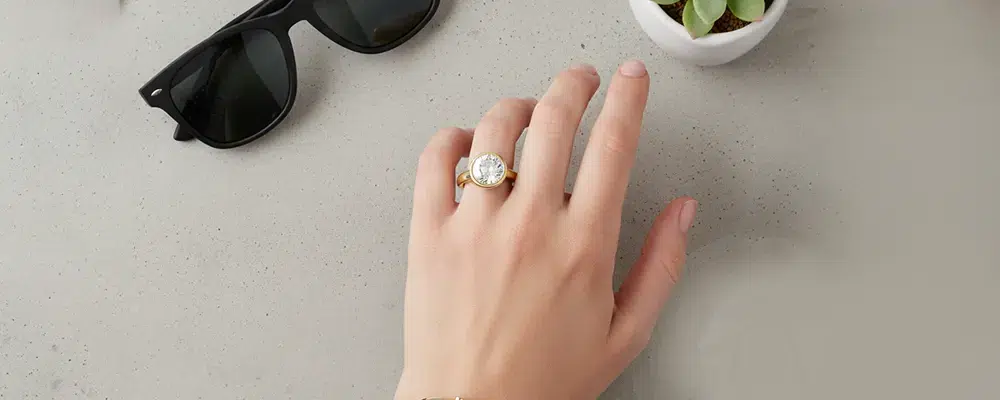
Lab-grown diamonds rate a perfect ten on the Mohs hardness scale. This makes them totally safe from scratching over decades of daily wear.
I often use this exact science fact to ease the fears of parents. They often worry a lab-created stone might chip over time. Throughout my career, I cut both types of diamond with the exact same tools.
I use diamond-coated blades because their physical strength matches perfectly. which promises you a lifetime of bright fire.
What about the safety of the prongs holding the stone?
We use a deeply solid ring build to protect the gem. As a result, the setting takes the force of any daily bumps.
How does this compare to old family treasures?
Your new ring is actually built stronger than most vintage pieces. For this reason, explaining lab grown diamonds to parents is simply stating basic facts. Her ring will easily last just as long as their own vintage jewelry. In fact, modern making allows you to get a stunning lab grown solitaire engagement ring that shows better solid toughness compared to older, fragile settings.
What is the Best Strategy for Discussing Resale Value?
The best plan is to remind them that wedding rings are forever symbols. They are not quick cash items meant for resale. I have spent my whole life in this trade. I promise you that nobody buys bridal jewelry hoping to sell it later.
Also, standard earth-mined gems lose massive dealer value right away. The second you leave a retail store, the mined diamond drops in price.
Will parents ask about the long-term money value? You must move the focus to your near money future. Because lab-made crystals skip high mining price bumps, you keep thousands of dollars.
Keeping that money safe in your bank account is a highly smart choice. Do they care about the clean sourcing of the stone? You can quickly mention the clean energy used to grow your modern gem. This easily beats the fake green marketing often found in the mining trade.
For couples wanting the most value, checking tips on how to choose affordable diamond engagement rings that look rich shows how to boost early savings. Older relatives will highly respect your smart choice to fund your shared future.
Conclusion
Easily explaining lab grown diamonds to parents really comes down to sharing facts. You must clearly show them pure quality and smart value. Because you know the bench secrets, you can answer every hard question.
Our caring team strongly believes that a perfect proposal demands a perfect mix. We mix modern science and old-world bench skill.
Every piece we make respects my family’s old promise to bring solid strength, clean ethics, and forever beauty. If you want to skip standard catalog looks completely to create something made for your partner, you can design your own engagement ring through our custom studio.
Understanding GIA’s Grading System for Lab Diamonds
Outside rule following boosts buyer trust. To check how lab-grown gems are formally sorted under exact working rules as mined stones, review the official paperwork provided by the Gemological Institute of America (GIA), which breaks down recent changes in grading rules to help you clearly explain diamond quality reports to worried family members.