Deciding on the perfect stone for a proposal can feel like crossing a minefield. You want to give a gift that represents your love perfectly. You also want to make a smart financial decision for your future.
I can tell you from decades of experience that lab grown diamond social acceptance is at an all-time high. It is completely rewriting the rules of engagement jewelry. In my thirty years of making rings, I have watched the industry change.
The conversation has shifted from doubting questions to huge excitement. Today, lab grown engagement rings are the top choice for many couples. They value brilliance, doing the right thing, and smarts over outdated marketing myths. These lab grown diamond social acceptance trends put first your future together.

The Surge in Popularity for Modern Couples
The lab grown diamond social acceptance rate has jumped. Over 60 percent of all new engagement rings now feature lab-grown stones. During my three decades in the business, I have never seen a trend take hold this strongly.
The old, wrong idea that these stones were “fake” has completely vanished. The public now understands the science of crystal growth. So, the conversation has moved away from “is it real?” to “look at how low-cost it is.”
Most receivers today prefer the honesty of a lab-grown diamond. It shows that the buyer is forward-thinking. It proves that you value quality over old industry stories. This is a massive part of modern lab grown diamond social acceptance.

Why Modern Values Favor Lab-Grown Diamonds
Modern couples put first clean sourcing and earth care. A lab-created engagement ring is the most matching choice for their beliefs. I have worked with thousands of clients who feel unease with standard mining.
Lab-grown diamonds provide a clean, conflict-free choice. This allows you to start your marriage with a clear mind. Being socially good has become a status symbol.
Choosing a stone created using advanced technology shows that you are a smart buyer. Many couples pair these stones with vintage inspired engagement rings, which combine classic looks with modern, clean making standards. Others opt for a three stone diamond engagement ring to beautifully symbolize their past, present, and future. It creates a piece that feels both classic and very forward-thinking.

Structural Integrity and the 1.8mm Standard
Many big-box sellers sell rings with very thin bands. They often use 1.3mm to 1.5mm widths to save on gold costs. These rings often bend within two years of daily wear. This bending opens up prongs and puts your center stone at risk.
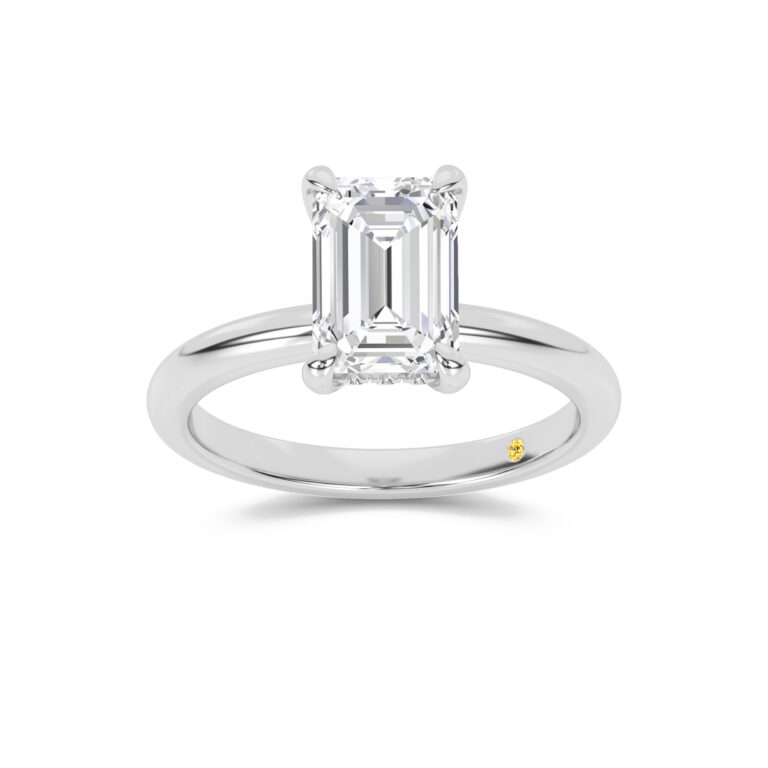
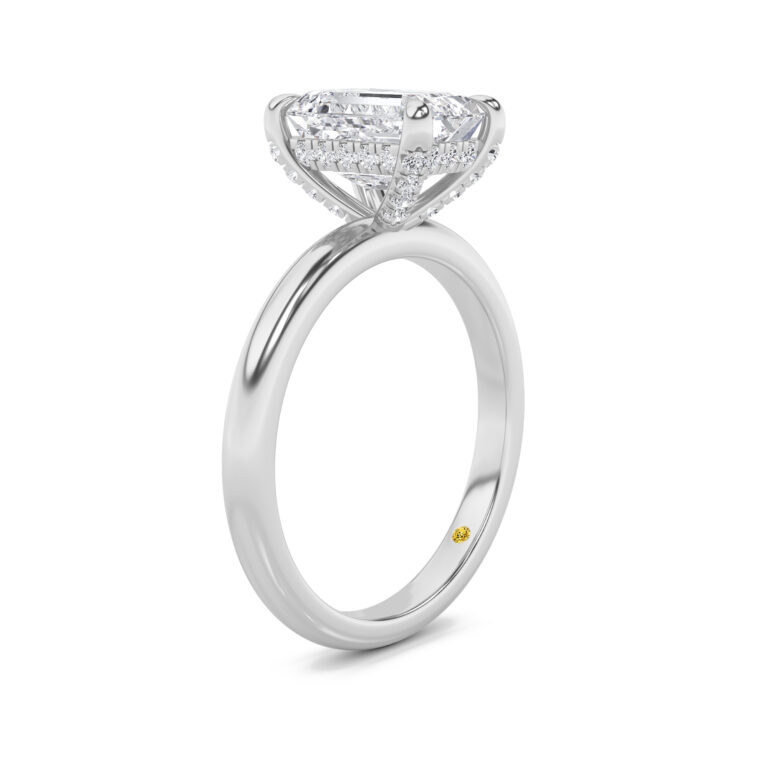
At my workshop, I insist on the La Joya Standard. We make every band to a starting size of 1.8mm width. This provides the build strength a ring needs for a lifetime.
It makes sure the metal does not bend under normal stress. A thicker band keeps your prongs safe and tight. Because of this, your diamond stays safe even with daily wear. We put your long-term peace of mind over cheap making, as detailed in our ultimate jeweler’s guide to engagement ring settings.
Understanding Growth Methods: CVD vs. HPHT
Many buyers do not know how lab diamonds are actually made. There are two main methods: CVD and HPHT.
Some CVD diamonds need post-growth heat fixing. This fixes bad color tints that can appear during growth. Other companies hide these details to keep supply chains secret.
I believe in total honesty for every client, matching the strict diamond quality standards set by the GIA. We check every stone for these specific growth details. This gives you an insider edge when picking a stone. You deserve a diamond that is clean and bright.
When you pick a stone grown under exact conditions, you get high quality. It is often a cleaner diamond than what is pulled from the earth.
Mastering Light: The Physics of Brilliance
A perfect diamond is one that sparkles with strong fire. It must also stand the test of time. I look at every stone through my jeweler’s loupe and check for proper crown and bottom angles.
These angles control how light enters and leaves the diamond. Poorly cut stones suffer from the “bow-tie” effect. This creates a dark, dead zone in the center of the stone.
We pick stones that put light return over simple carat weight. By picking a lab-grown center stone, you can easily save money. This lets you upgrade your band to a heavier, more strong setting. This smart plan makes sure your ring is not only beautiful, but also built to survive the hard bumps of life, much like our solitaire diamond engagement rings.
Comparison of Consumer Sentiment
| Sentiment Category | Lab-Grown Diamond | Mined Diamond |
|---|---|---|
| Market Share (2026) | ~61% of all new rings | ~39% of all new rings |
| Primary Association | Smart value & Ethics | Tradition & Rarity |
| Average Center Stone Size | 1.9 – 2.5 Carats | 1.0 – 1.2 Carats |
| Ethical Perception | Very High / Positive | Mixed / Guarded |
The Impact of Size in Social Settings
The low cost of lab-grown diamonds allows buyers to pick larger, higher-quality stones. This creates a strong visual “wow factor” liked in every social setting.
In my thirty years of supplying retail stores, I hear one common piece of feedback. Clients want the biggest, brightest diamond their budget allows. Because you are making the smart choice to buy lab-made, you gain more. You can often get a 2-carat stone for the price of a 1-carat mined one, making them incredibly sought-after affordable engagement rings.
When friends and family see the ring, they see the fire. They do not see the start of the carbon. Your ability to “upgrade” the stone has completely changed standard engagement rings. This is why lab grown diamond social acceptance continues to grow.

Why Gold Settings Validate Your Choice
Pairing your lab-grown diamond with 14k or 18k gold makes sure the ring feels highly rich. I always warn my clients against using lower-end, weak metals.
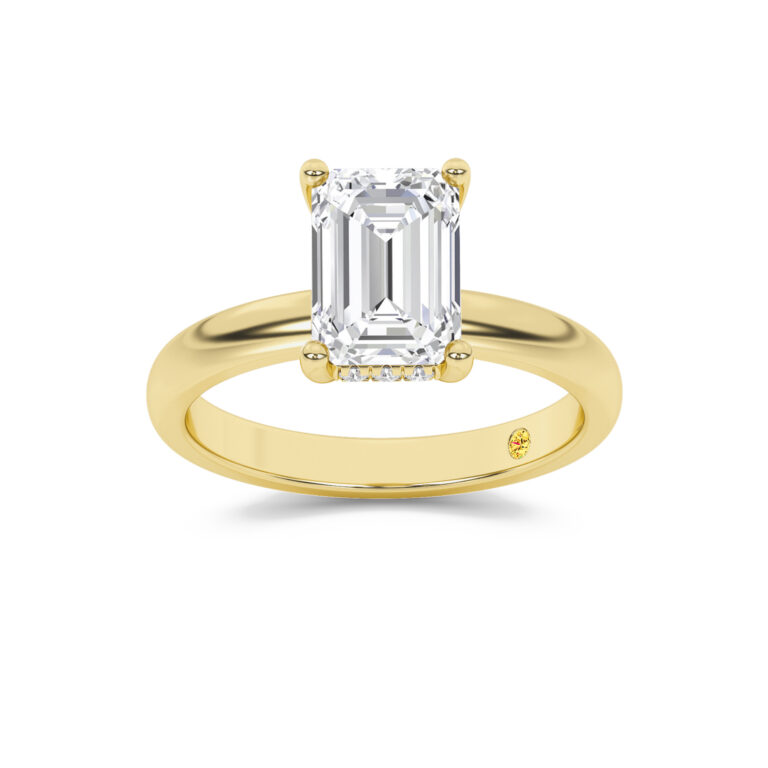
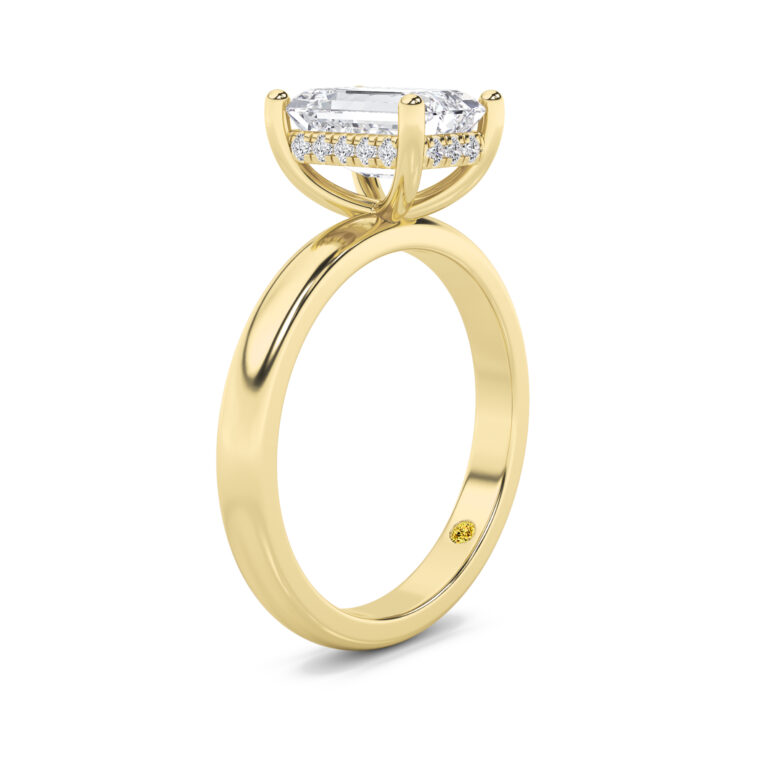
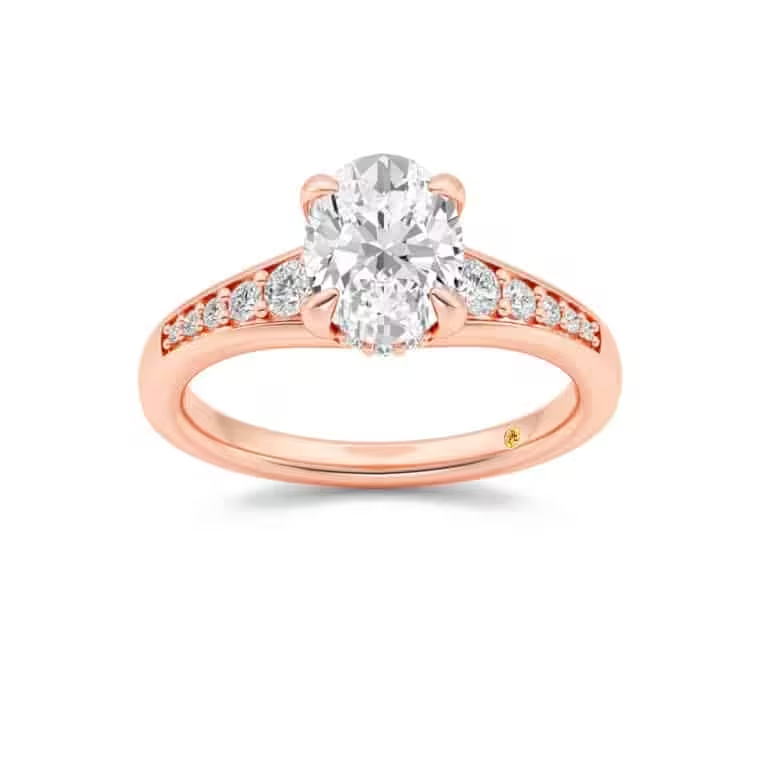
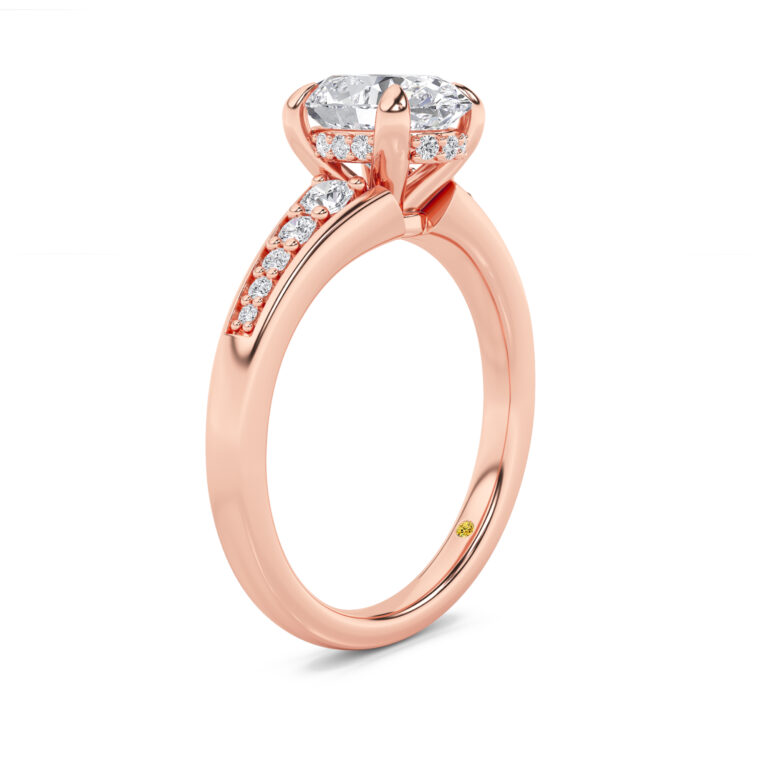
Gold has a weight and old-school feel that anchors modern diamond technology. White gold is highly good at making a diamond look high-end. It provides a bright, crisp background for the stone’s light return. Rose gold, meanwhile, adds a romantic touch that suggests a custom design engagement ring.
Using gold shows that you have bought a quality family treasure. It will stand the test of time. It proves your choice was based on a drive for top quality.
Navigating Family Conversations
Focusing on exact chemical makeup clears doubts when speaking with old-school family members. Some family may hold onto the idea that a “real” diamond comes from the ground.
I usually tell my clients to explain a simple matching. A lab-grown diamond is like ice from a fridge versus a frozen lake. According to the GIA, both are physically and chemically exact matches.
Because the lab grown diamond social acceptance factor is so high, the block goes away. Once they realize that the most advanced labs grade them the same way, they accept it. Most family members are amazed by the smarts of your choice.
You get a much better stone for a much smarter price. To see this value for yourself, explore La Joya’s collection of diamond bridal ring sets.