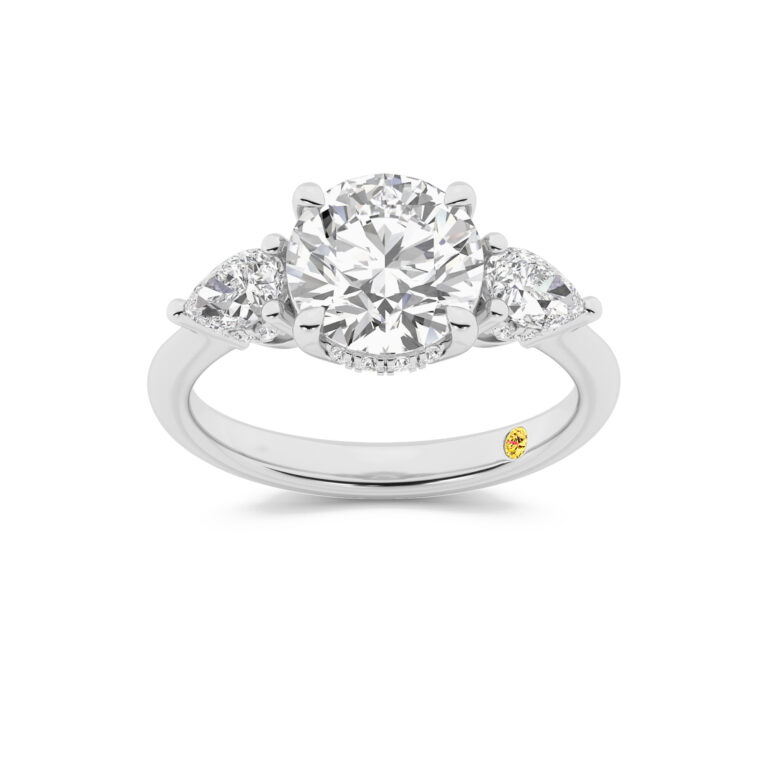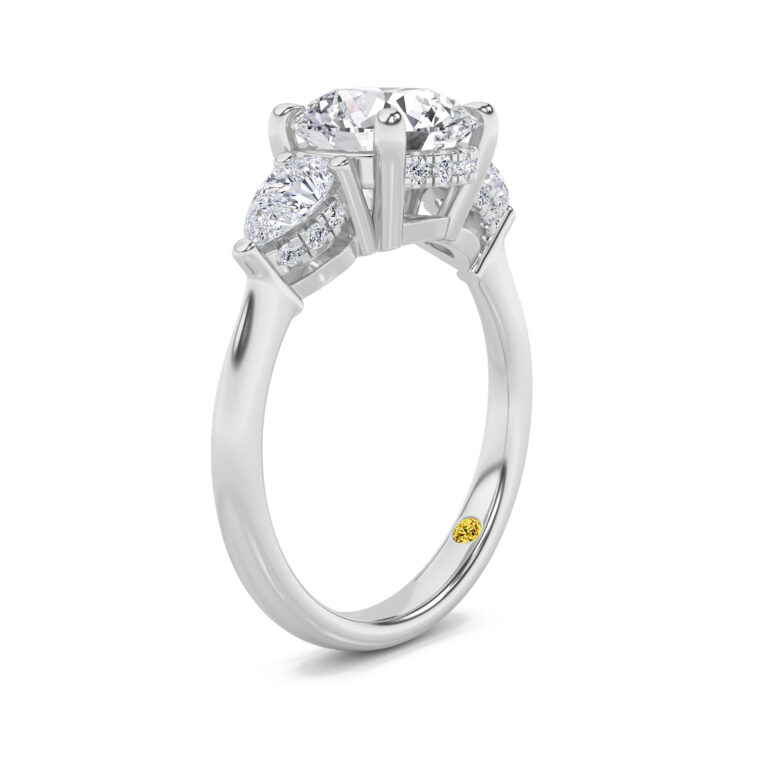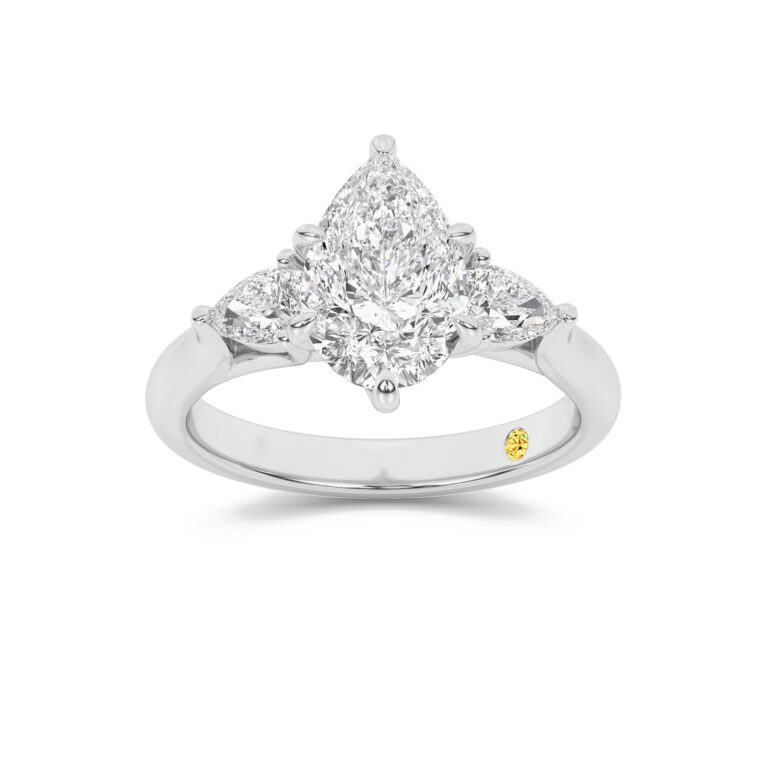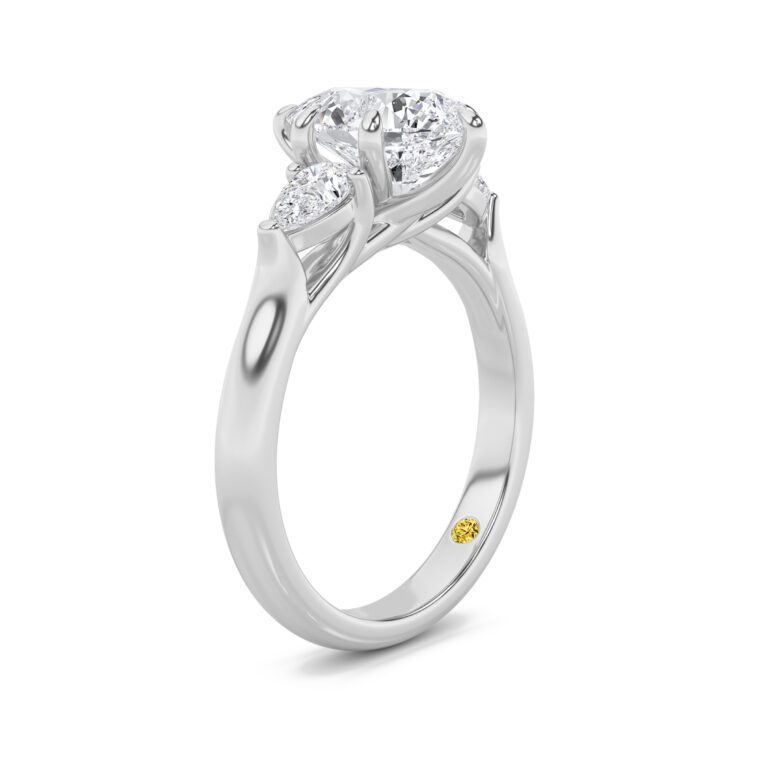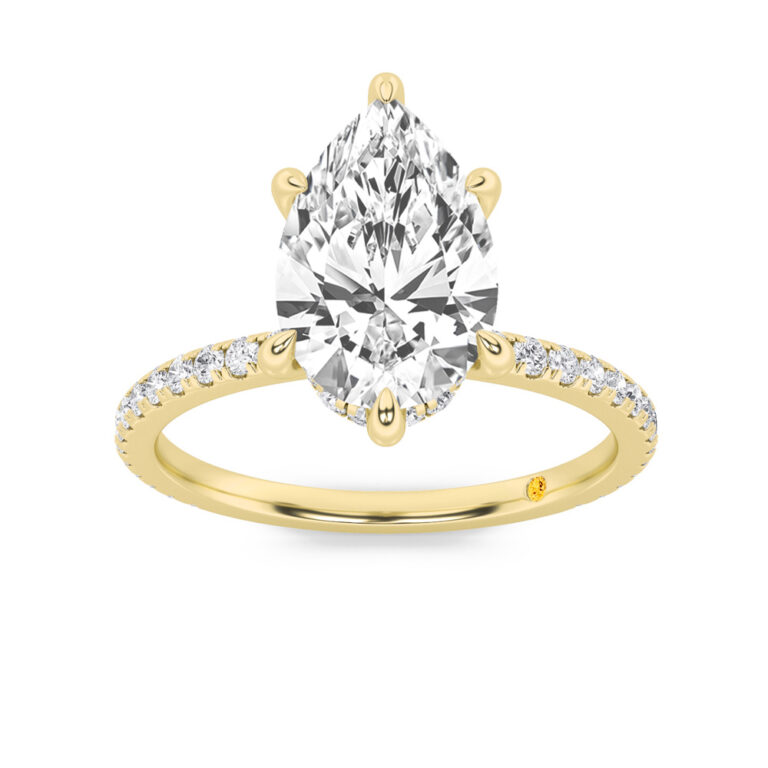
Nothing is more disappointing than a dull engagement ring. You want a pear shaped engagement ring that sparkles across the room. However, navigating technical specifications is difficult for the average buyer. In this guide, I will explain exactly how pear diamond cut quality dictates beauty. From my 30 years of experience in jewelry manufacturing, I know the secret: it is not the weight that matters most. It is the hands of the cutter.
What Defines Pear Diamond Cut Quality?
Pear diamond cut quality refers to the precision of the stone’s proportions, symmetry, and facet alignment, which collectively determine how well it handles light. In my experience running a manufacturing floor, pear shapes are incredibly tricky.
Unlike round diamonds, there is no standardized “Ideal” cut grade on most laboratory reports, a fact confirmed by major institutions like the GIA (Gemological Institute of America). This puts the burden on the buyer and the jeweler to know what to look for.
We look for a “make” that balances the rounded head with the pointed tip. If the cutter is lazy or tries to save too much weight from the rough crystal, the diamond loses its life. It becomes just a piece of glass rather than a brilliant gem, which is why even a simple pear solitaire engagement ring relies entirely on cut execution to shine.
How Does Pear Diamond Cut Quality Directly Affect Brilliance?
Pear diamond cut quality controls brilliance by directing light to enter the top of the diamond, bounce off the internal facets, and shoot back up to your eye. However, when I inspect stones that have been cut poorly, I see “light leakage.”
If a stone is cut too deeply, light escapes through the bottom. If it is cut too shallow, it leaves through the sides. Consequently, the diamond looks washed out.
In my factory, we prioritize the return of light above all else. A well-cut pear shape should look like a kaleidoscope of light, not a window you can look straight through.
The Bow-Tie Effect: A Manufacturing Perspective
The bow-tie effect is a dark shadow across the center of the diamond caused by light leaking out of the bottom due to facet misalignment or depth issues. Almost every pear shape has a shadow, but there is a massive difference between a subtle contrast and a black bar that kills the sparkle.
From a manufacturing standpoint, this often happens when a cutter tries to keep the diamond heavy to charge more for carat weight.
This is where pear diamond cut quality is often sacrificed for profit in mined stones. However, with lab diamond engagement rings, we don’t have that same pressure. We can cut the rough crystal to perfection, removing that ugly dark bow-tie and leaving you with pure brilliance.
This is one of the top benefits of pear-shaped diamond engagement rings crafted in a lab environment.
Ideal Proportions for Maximum Brilliance
Below is the cheat sheet and pear diamond cut quality guide I use when sorting diamonds. These ranges ensure the stone is not too chubby or too skinny.
| Cut Parameter | Ideal Range | Impact on Visual Performance |
|---|---|---|
| Length-to-Width Ratio | 1.45 to 1.60 | Creates the classic “teardrop” shape that is neither too chubby nor too skinny. |
| Depth Percentage | 58% to 64% | Ensures light reflects to the eye; prevents the stone from looking dark or glassy. |
| Table Percentage | 53% to 63% | Maintains structural integrity and allows for an even spread of fire (rainbow sparkles). |
| Symmetry | Very Good to Excellent | Essential for the pointed tip and rounded end to align perfectly, reducing the bow-tie effect. |
While the ranges above are considered standard industry guidelines, on my manufacturing floor, we aim for a much stricter “sweet spot.” For the absolute peak visual balance and light return, I prefer to narrow the length-to-width ratio to exactly 1.45 – 1.55, and keep the depth strictly between 58% and 62%. Keeping the specs within this tighter window is the ultimate safeguard against a harsh bow-tie shadow.
Why Lab-Grown Diamonds Are Superior for Cut Precision
Lab-grown diamonds allow cutters to prioritize optical beauty over weight retention because the rough material is more abundant and uniform than mined diamonds. In the mined diamond world, cutters often compromise the pear diamond cut quality to save weight.
For example, they might leave a stone too deep just to hit the 1.00-carat mark.
As lab-grown pear diamonds share the exact same chemical makeup as mined stones, scoring a perfect 10 on the Mohs hardness scale they are physically identical. Optically, however, they offer a distinct advantage. Like I mentioned before these diamonds allow cutters to prioritize optical beauty over weight retention because the rough material is more abundant
In contrast, with lab-grown diamonds, we have the luxury of cutting for beauty first. We can grind away the excess material to achieve perfect symmetry and ideal proportions without worrying about “wasting” expensive rough. Therefore, modern cutters are statistically more likely to give a better cut to a pear engagement ring featuring a lab-grown stone than to a mined equivalent.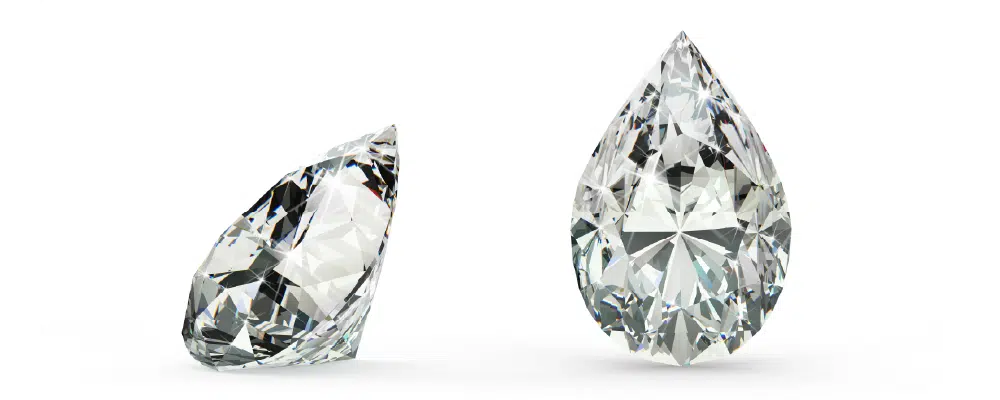
Can a Larger Carat Pear Diamond Cut Look Less Brilliant?
Yes, a larger carat pear diamond will appear significantly less brilliant than a smaller one if the cut proportions are incorrect. I have seen 2-carat stones that look dead and 1.5-carat stones that light up the room. It all comes down to physics.
If the angles are wrong on a large stone, the flaws are magnified. This is a crucial factor to consider when weighing the pros and cons of different carat sizes. The bow-tie looks bigger, and the dead spots are more obvious.
My advice is simple: never chase carat weight at the expense of pear diamond cut quality. A smart buyer chooses a slightly smaller, perfectly cut lab-grown stone over a massive, dull rock every time.
How Setting Style Interacts With Cut Quality
The engagement ring setting can either mask minor cut deviations or expose them, depending on the metal color and prong placement. When we manufacture gold engagement rings for women, we use the metal to our advantage.
For instance, a yellow or rose gold setting can add warmth. It requires a diamond with excellent light return to prevent the stone from absorbing too much color.
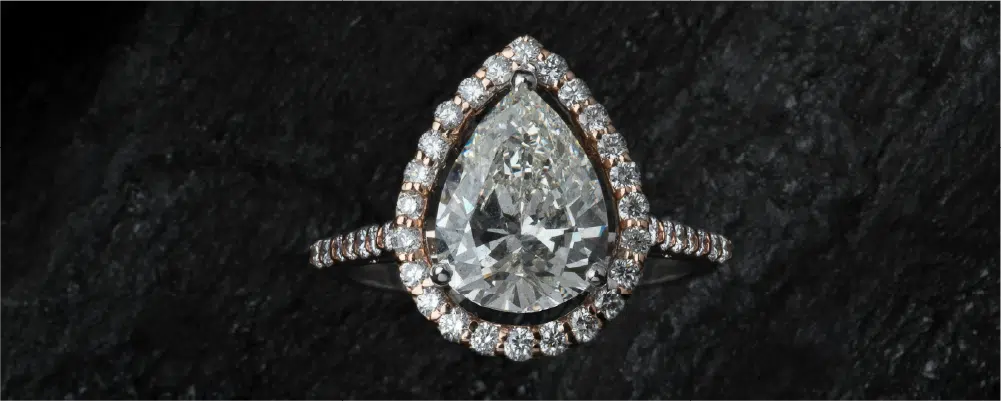
- Halos: A pear halo engagement ring is a great trick. It adds extra sparkle around the perimeter, which can help hide a slightly narrow shape.
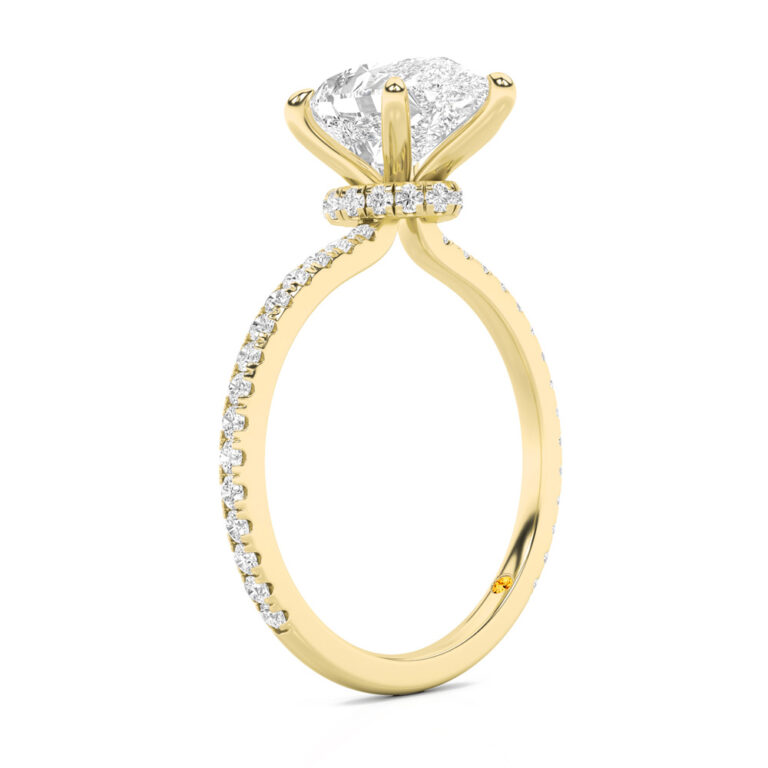
- Hidden Halos: For a more subtle approach, a hidden halo pear engagement ring lifts the stone, allowing light to enter from multiple angles to boost brilliance.
- Prongs: We always use a V-prong at the tip. This not only protects the stone but hides any minor asymmetry at the point. From a manufacturing standpoint, if you are upgrading or resetting an older diamond, we refuse to simply bend old prongs back into place. We melt down the old metal entirely and cast a fresh setting to remove microscopic stress cracks, ensuring your pear diamond’s delicate tip is shielded by structurally flawless gold.
- Bezels: Be careful here. A bezel surrounds the stone in gold. If the pear diamond cut quality is poor, a bezel will make it look darker because less light enters from the side.
If you are unsure which style complements your stone best, I recommend reading our guide on how to choose the perfect setting for your pear-shaped diamond.
Pear Diamond Cut Quality vs. Color and Clarity
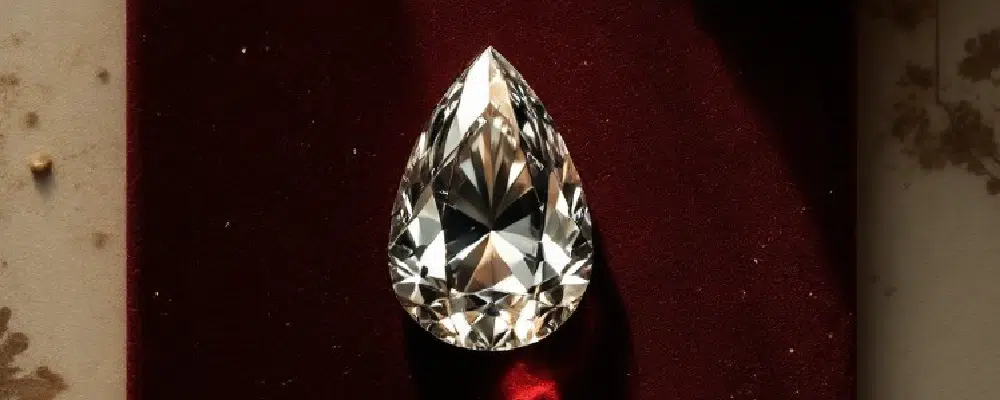
Pear diamond cut quality impacts the visual beauty of a pear diamond significantly more than color or clarity grades. You can have a “perfect” D-color, Flawless diamond. But if the cut is bad, it will look like a piece of frozen spit. Conversely, a G-color stone with an excellent cut will look like a ball of fire.
In my opinion, you should allocate your budget to the cut first. This is the perfect opportunity to design your own engagement ring where you prioritize the geometry of the stone before you worry about microscopic inclusions.

Conclusion
Ultimately, pear diamond cut quality is the heartbeat of your engagement ring. It is the difference between a ring that gets polite compliments and one that stops people in their tracks.
As this pear diamond cut quality guide illustrates, you must prioritize physics over weight.By choosing a lab-grown diamond, you are already making the intelligent choice. You are opting for a stone where the cutter focused on brilliance rather than weight retention. Trust the proportions, look for the light, and choose a ring that speaks to you.