Choosing the right metal for a ring is a major decision. Most guides tell you to match your skin tone, but they ignore the reality of daily wear over a decade. When clients sit across from me in my office, we look past the immediate sparkle to discuss long-term maintenance.
Comparing a white gold vs yellow gold wedding band requires looking at the actual chemistry of the metals. After 35 years of manufacturing fine jewelry, I want to give you the unvarnished truth about how these metals actually survive on your finger.
Let us explore the real behavior of our modern lab-grown diamond settings in 10k, 14k, and 18k gold.
What is the White Gold Trap in Daily Wear?
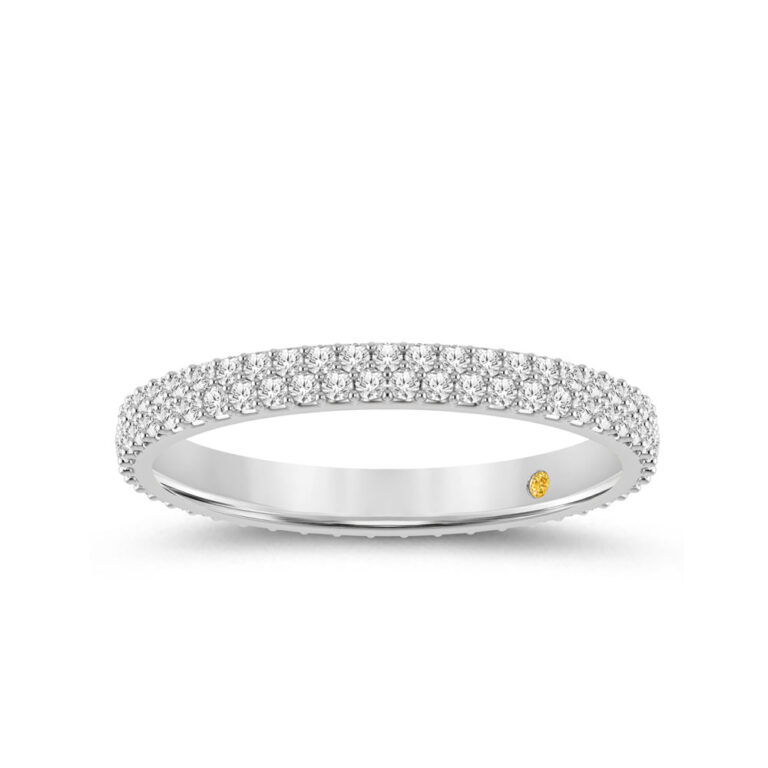
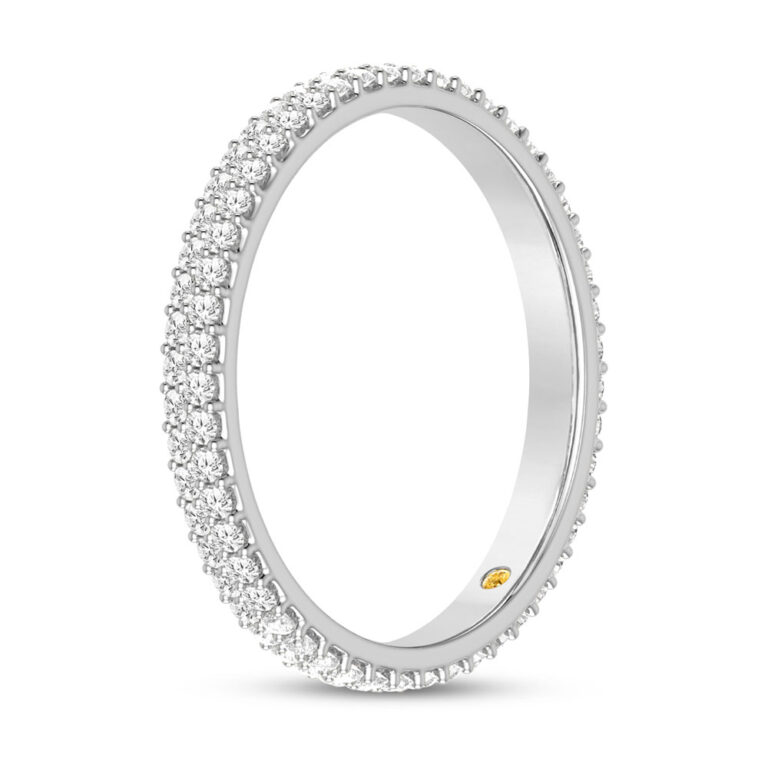
White gold is naturally a pale yellow metal that requires continuous chemical rhodium plating to keep its bright white appearance.
Because natural gold is always yellow, we must mix it with white metals like nickel to change its color. Even with this alloy mix, the base metal still holds a warm tint. To achieve that icy finish you see in the case, the ring is dipped in a liquid metal called rhodium.
Over time, friction from doorknobs and steering wheels wears this microscopic plating away. Consequently, your beautiful white ring will slowly start showing its true colors underneath.
Therefore, selecting this metal means committing to maintenance, usually requiring a fresh rhodium dip every twelve to eighteen months.
Why Does a Yellow Gold Wedding Band Survive Decades So Well?
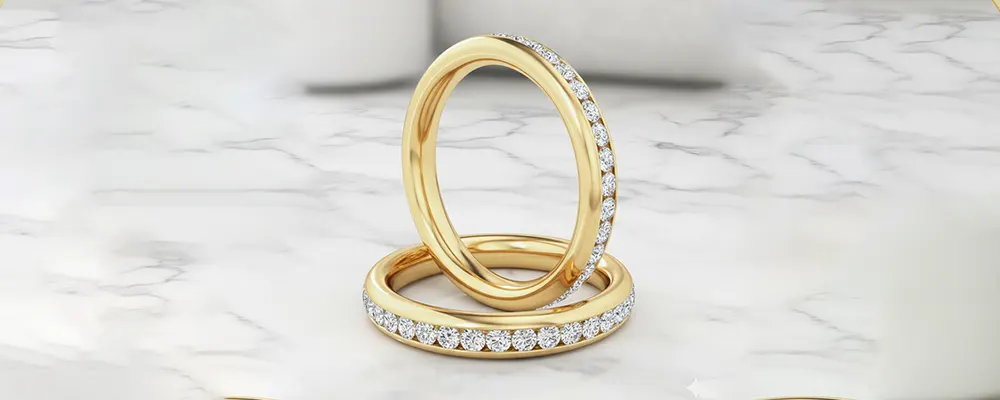
Yellow gold requires zero chemical re-plating and gracefully develops a softer, burnished surface known as a patina over decades of wear.
This natural aging process is exactly why vintage jewelry looks so rich and inviting. Instead of looking damaged as it takes on microscopic scratches, the metal simply softens into a lived-in finish. While weighing a white gold vs yellow gold wedding band, I always remind couples that yellow gold is the ultimate low-maintenance survivor.
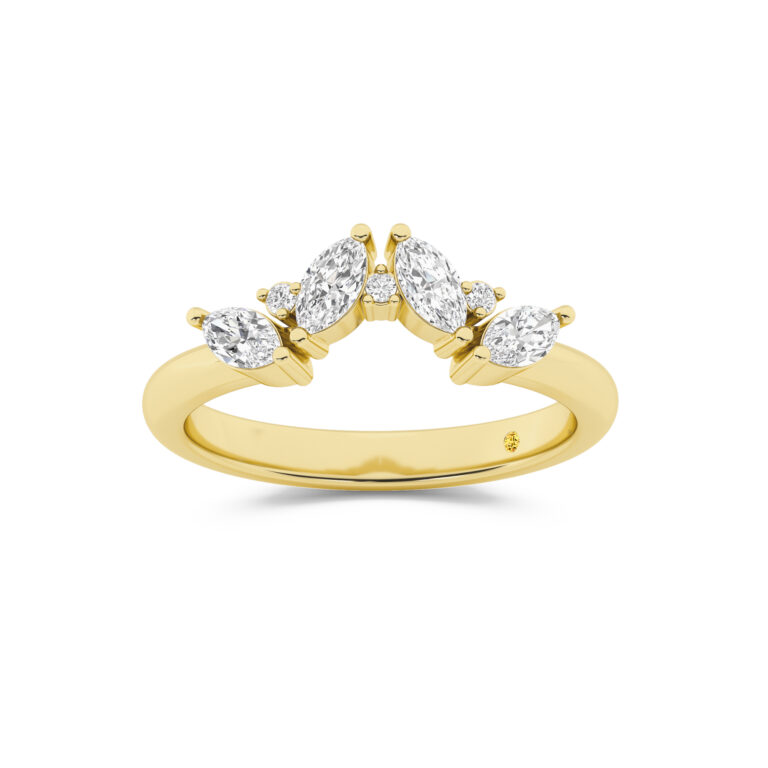
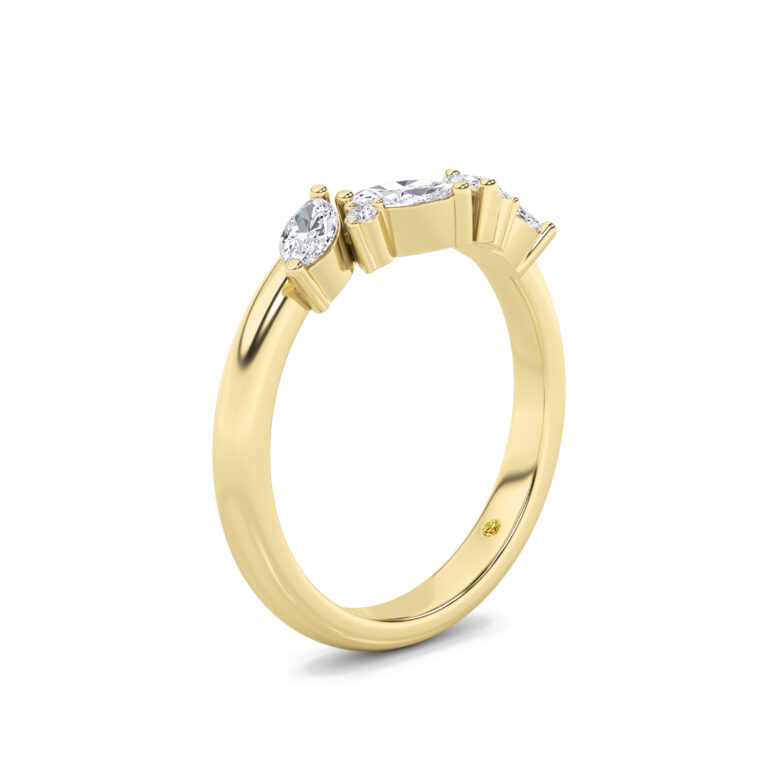
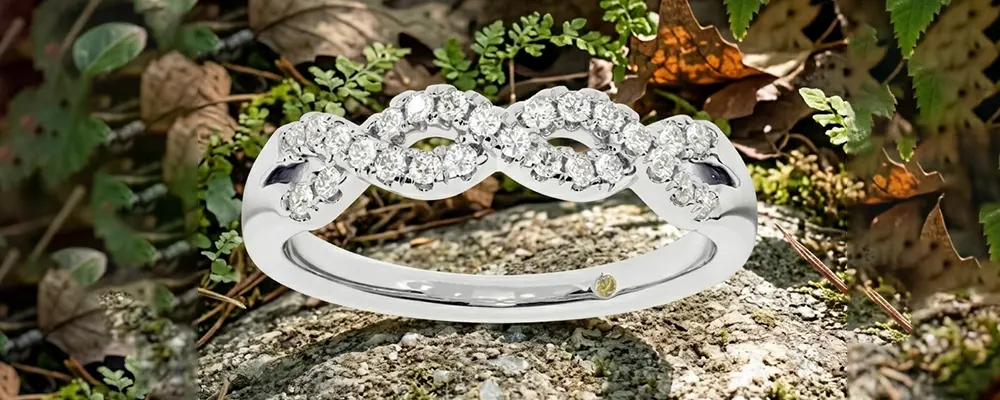
You will never need to pay for restorative dipping. Furthermore, the warm tone of 14k or 18k yellow gold perfectly complements the flawless optics of a modern, premium lab-grown diamond, making it an ideal choice for your gold diamond wedding band.
By choosing this classic metal, you are investing in a piece that genuinely takes care of itself.
How Does the Copper in Rose Gold Improve Scratch Resistance?
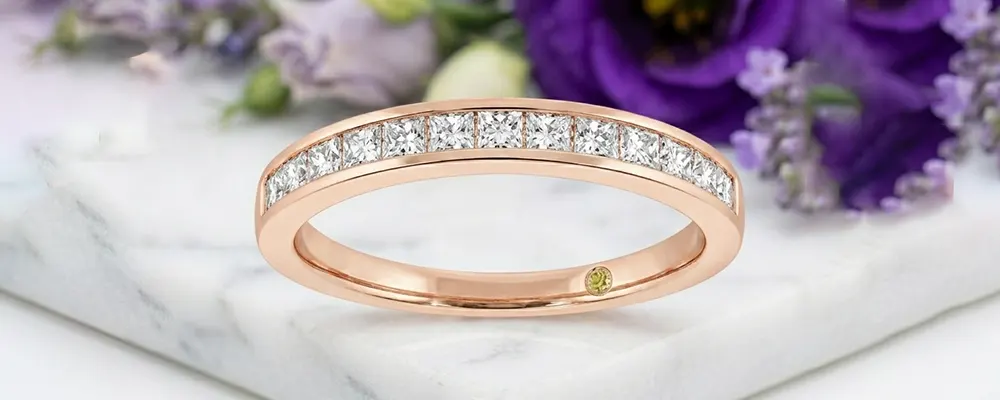
Rose gold uses a high percentage of copper in its alloy mixture, which makes it significantly harder and more scratch-resistant than pure yellow gold.
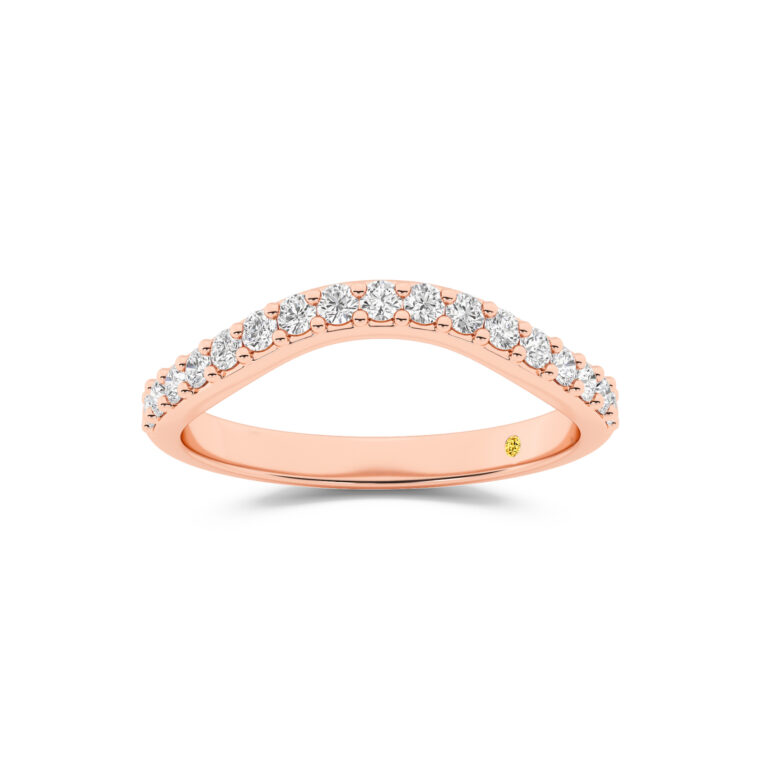
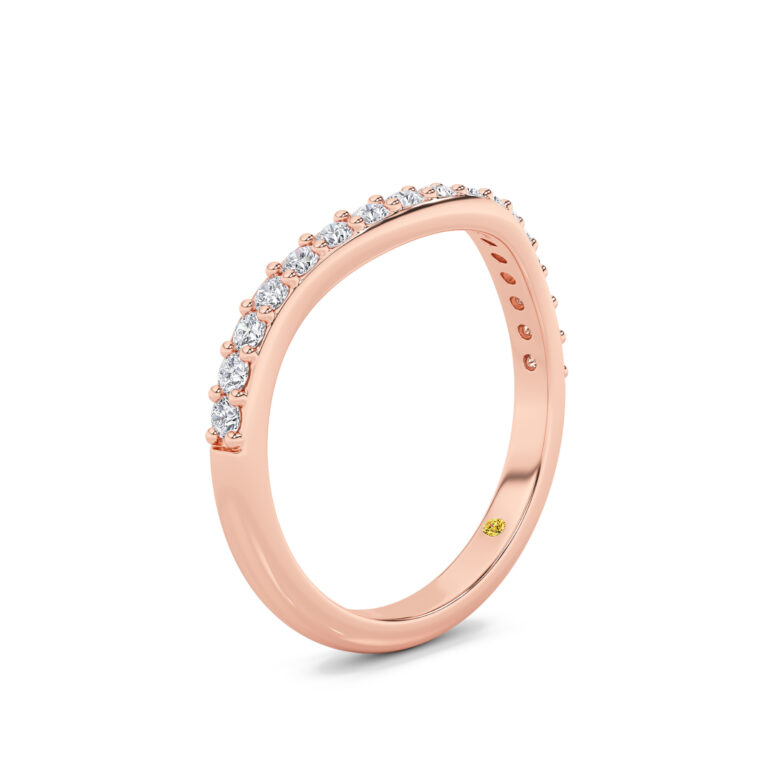
Copper is an exceptionally rigid industrial metal. When we blend it into pure gold to create that signature pink hue, we deeply increase the strength of diamond bridal ring sets. As a result, 14k rose gold stands out as a modern, architectural choice for clients who work heavily with their hands.
Because this metal resists deep gouges better than its yellow counterpart, the setting keeps its sharp lines for years. Added durability means your precision-crafted lab-grown diamond remains securely locked in place through heavy daily impact.
The 10-Year Metal Maintenance Comparison
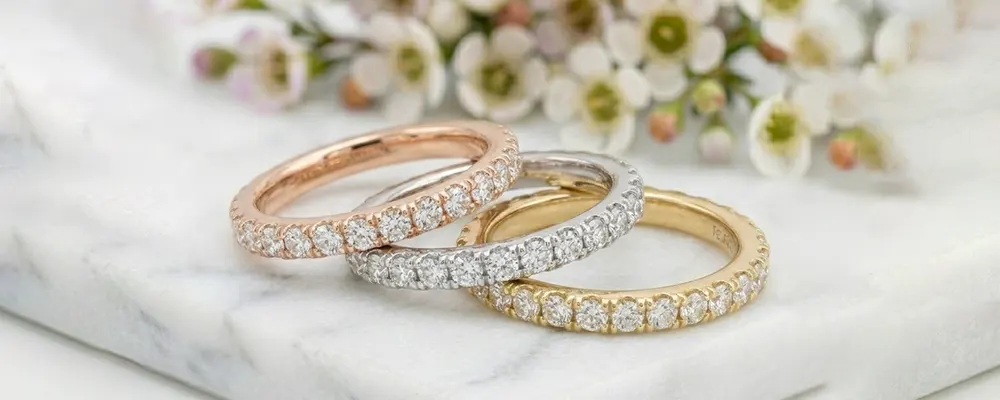
The table below outlines the exact maintenance costs, durability rankings, and aging characteristics of the three main gold colors over a ten-year period. When evaluating a white gold vs yellow gold wedding band, understanding these facts helps you avoid costly surprises down the road.
During my three decades of inspecting worn jewelry, I have found that managing expectations is just as important as the initial design. Let us break down exactly what each metal demands from you.
| Metal Type (14k Alloy) | 10-Year Maintenance Cost | Scratch Resistance Rating | Aging Trajectory |
| White Gold | High (Needs dipping every 12-18 months) | Moderate | Fades to a pale yellowish-white over time |
| Yellow Gold | Low (Zero re-plating required) | Moderate | Develops a rich, slightly matte patina |
| Rose Gold | Low (Zero re-plating required) | High | Maintains color while resisting deep gouges |
Conclusion
Crafting custom made engagement rings meant to last a lifetime requires looking beyond the showcase lights. Your ultimate choice between a white gold vs yellow gold wedding band comes down to your lifestyle and maintenance tolerance.
At La Joya, our commitment is to pair brilliant lab-grown diamonds with expertly engineered gold that stands the test of time. We believe true luxury means knowing exactly what you are buying today and ten years from now.