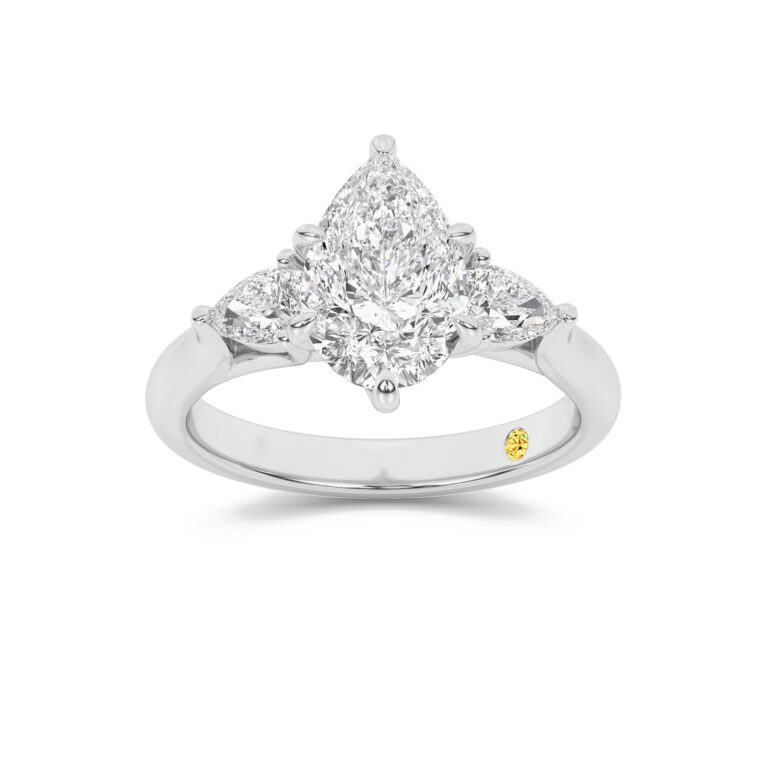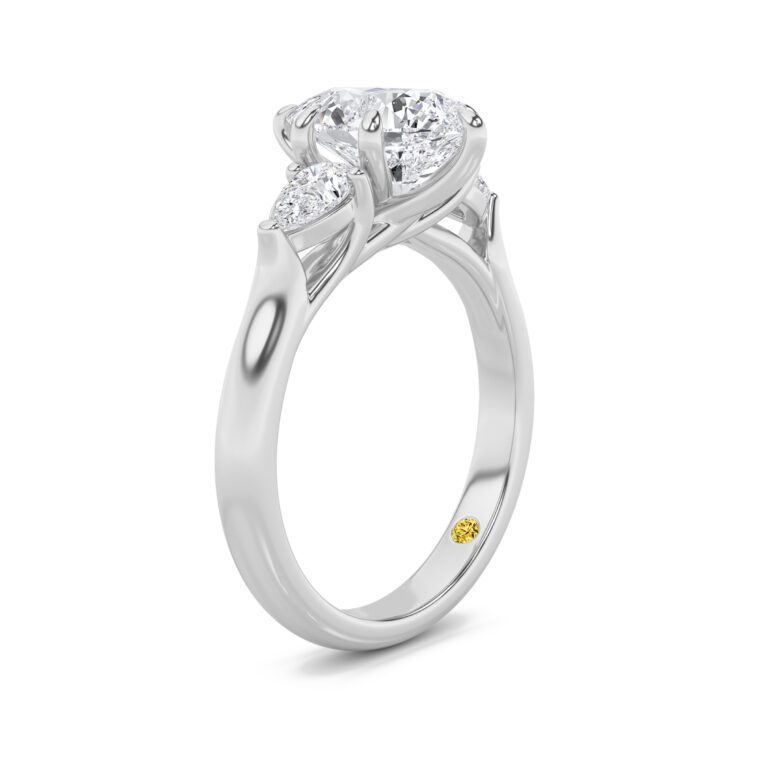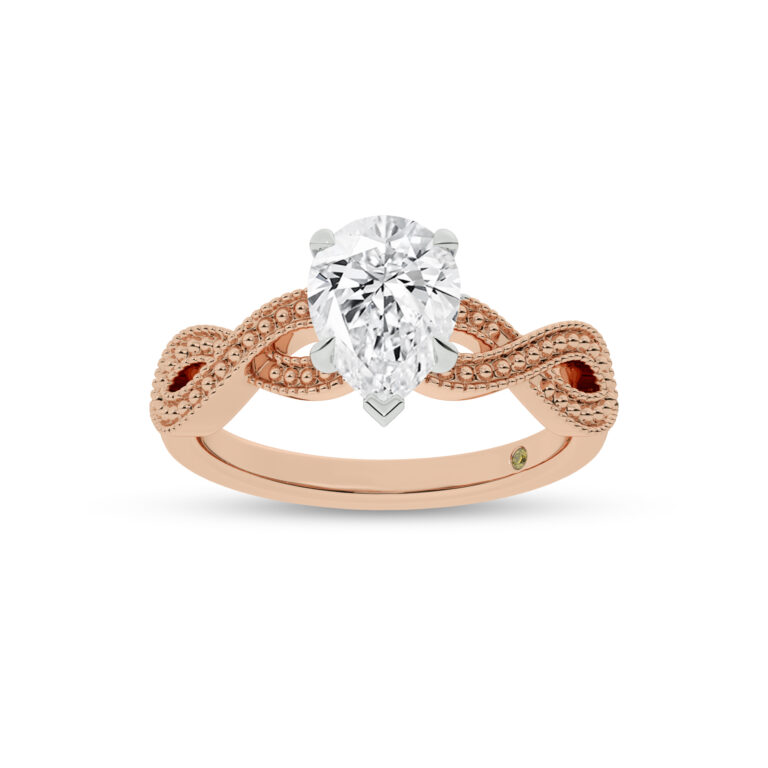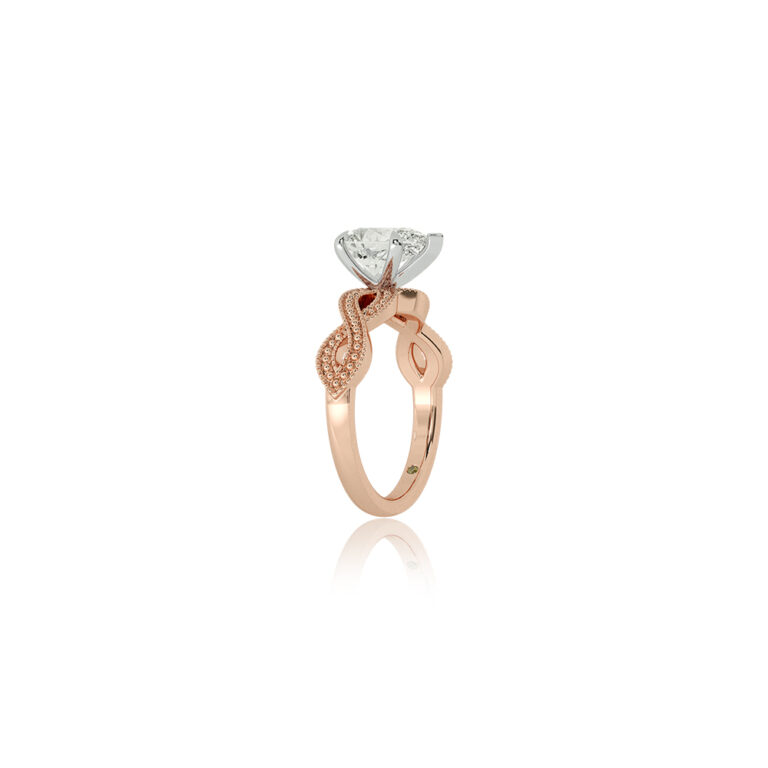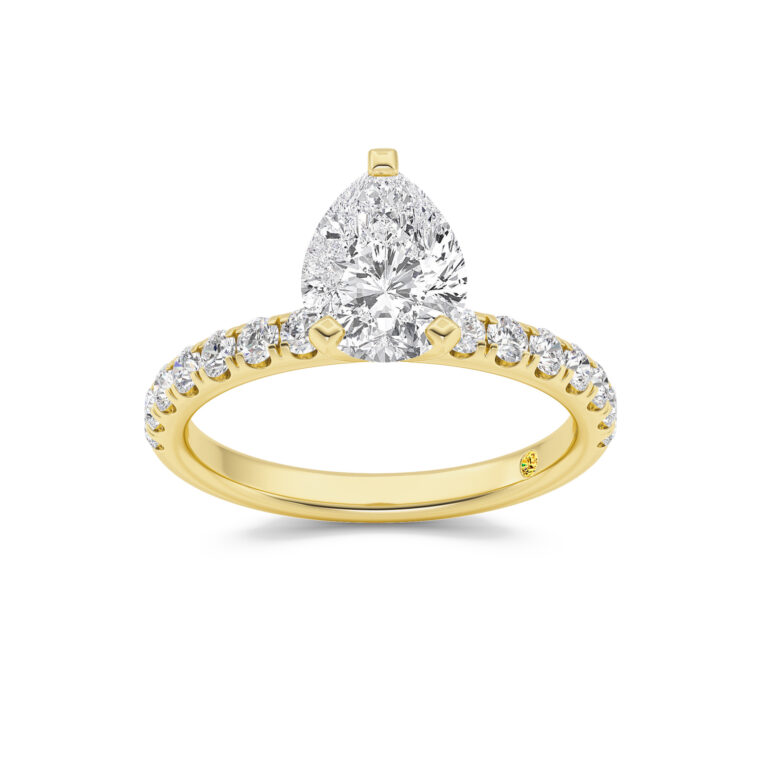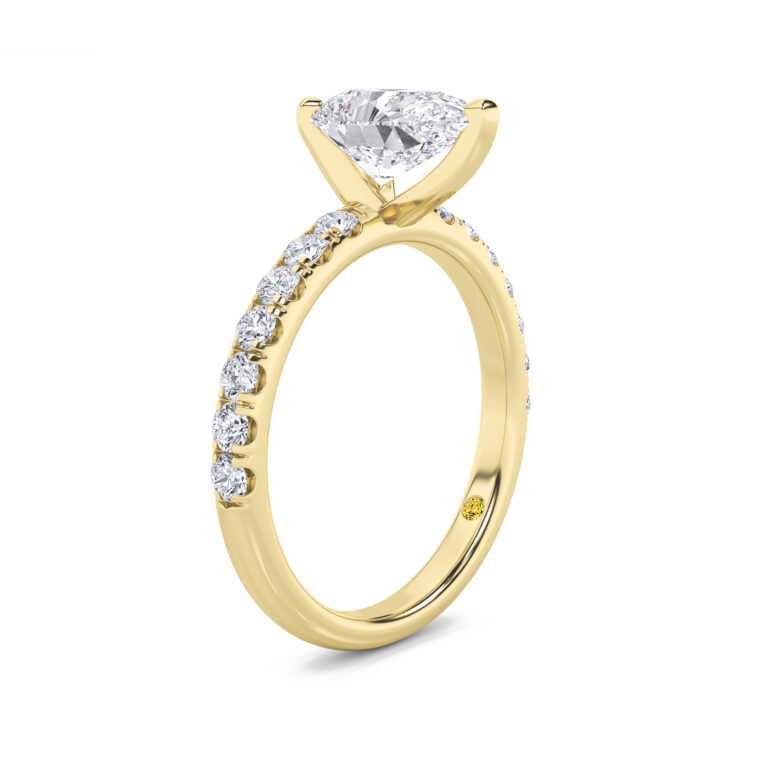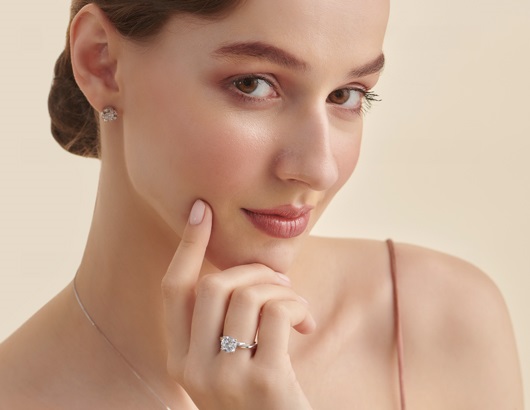
If you are looking for a ring that maximizes visual size while flattering the hand, understanding the benefits of pear-shaped diamond engagement rings is essential. Buying an engagement ring can feel like a high-stakes decision, and many people worry about choosing the wrong style for their partner’s hand. Three generations of my family have mastered the diamond trade, and spending thirty years in my office has taught me exactly what flatters a hand. Clients want a premium, modern piece that looks perfect.
Understanding the true benefits of pear-shaped engagement rings will change how you shop. Moving past clichés reveals the mechanical genius of jewelry design, where aesthetics rely heavily on proper geometry and light performance. Let’s explore the technical secrets behind this stunning silhouette.
1. Finger Elongation: How a Pear-Shaped Ring Flatters Your Hand
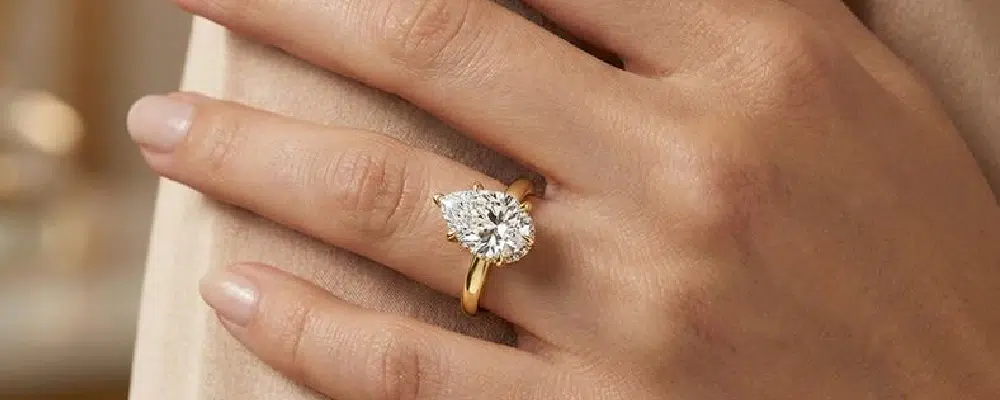
The elongated teardrop silhouette naturally draws the eye vertically, creating an optical illusion of a slimmer, longer finger.
Years of designing fine jewelry have proven this trick works beautifully. When clients ask me how to flatter their hands, I always suggest this specific cut. The pointed tip acts like an arrow, guiding the gaze gracefully up the hand.
While round stones can sometimes make wide hands look wider, teardrops stretch the visual line elegantly. However, proportions matter greatly. A wider teardrop gives a very different look than a skinny one, so finding the right carat size and proportions is essential for achieving perfect balance and the best optical illusion.
2. Superior Clarity Camouflage: Hiding Inclusions in Pear Diamonds
Pear stones feature brilliant-cut faceting at their rounded base, which scatters light rapidly to mask small internal flaws that a clear step-cut would otherwise reveal. Sorting through thousands of gems gives you an insider perspective: you can safely pick a slightly lower diamond clarity grade in a teardrop without losing any visible sparkle.
Emerald cuts act like clear glass windows, whereas brilliant styles perform like mirrored disco balls. Choosing premium lab-grown diamond engagement rings makes this even better. They offer flawless brilliance and incredible value.
While some shapes show every tiny speck of carbon, teardrops hide those specks in a dazzling flash of light, allowing smart buyers to maximize their budget.
3. Maximized Visual Size: The Value of Pear-Shaped Diamonds
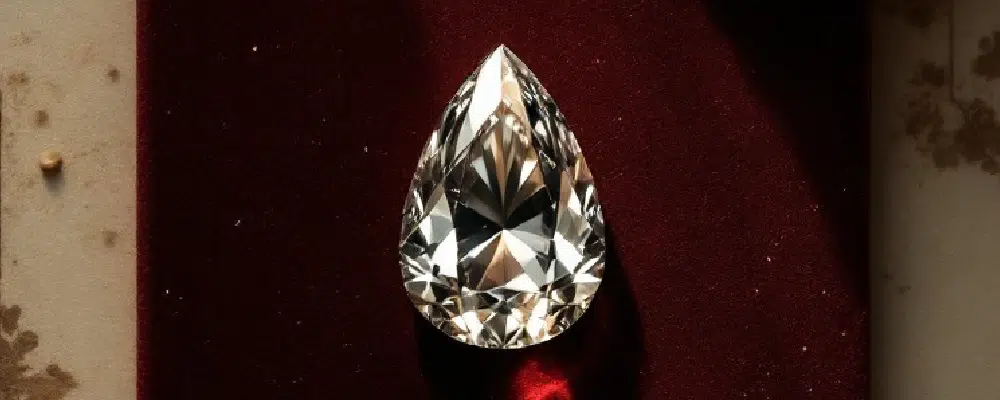
Pear-shaped diamonds offer exceptional value because their elongated top surface makes them look significantly larger than a round diamond of the same carat weight.
The elongated top surface of a pear-shaped diamond makes it look significantly larger than a round diamond of the same carat weight. This larger surface area easily tricks the human eye, providing a massive visual footprint on the hand.
Furthermore, pear gems generally cost less per carat than round diamonds because less rough material is wasted during the initial cutting process. You save money while getting a visually larger stone, giving smart shoppers a distinct advantage when budgeting for their high-end diamond ring.
4. Light Performance: The Signature Sparkle of a Pear Cut
The signature sparkle of a pear cut is achieved when the bottom facets are angled perfectly to bounce light directly back to the eye, combining the brilliant light performance of a round cut with a marquise
When cut perfectly, teardrops offer a breathtaking, signature sparkle. Craftsmen must angle the bottom facets perfectly to bounce light directly back to your face. Because of the unique geometry, these stones reflect pure light in a way that combines the best of round brilliants and marquise cuts.
If you want to dive deeper into the mechanics of this sparkle, understanding how diamond cut quality determines brilliance is crucial to ensuring your stone shines evenly from every angle.
5. Versatile Styling: How to Wear a Pear Engagement Ring
The asymmetrical design of a pear engagement ring allows you to wear it in two distinct ways: pointing the tip toward the fingernails for maximum finger elongation, or pointing it toward the wrist for a bold, modern silhouette. Most buyers wear the tip facing toward their fingernails, but pointing it toward the wrist creates a bold, unexpected look.
Versatility ranks among the greatest benefits of this shape. Whether you prefer a sleek La Joya pear shaped solitaire engagement ring design or a sparkling pear halo engagement ring setting, the stacking options are endless. Curved bands hug the rounded bottom beautifully, while pointed chevron bands fit perfectly around the top.
If you are looking at diamond bridal sets, building the perfect pear engagement ring bridal stack over the years adds incredible layers of high-end style to your collection.
Diamond Shape Comparison Guide
| Diamond Shape | Finger Elongation Effect | Ability to Hide Inclusions | Chipping Risk |
|---|---|---|---|
| Pear | High | Excellent | High (Requires V-Prong) |
| Round | Low | Excellent | Low |
| Emerald | Moderate | Poor | Very Low |
Expert Buying Tips: Structural and Visual Considerations
While the benefits are clear, purchasing this specific shape requires a bit of insider knowledge to ensure longevity and beauty.
How to Identify the Bow-Tie Effect in Pear Diamonds
The bow-tie effect in a pear diamond is a visible dark shadow across the center of the stone, caused by light leaking through the bottom facets rather than bouncing back to the viewer’s eye.
Spotting a bad shadow takes expert eyes; some minor darkness is completely normal, but severe dark bands indicate poor cutting. Our strict quality control catches these issues early, and we reject gems with heavy shadows, selecting only top-tier stones that reflect pure light.
Why Pear Diamonds Require a V-Prong Setting
Pear diamonds require a specialized V-prong setting because the delicate, pointed tip of the stone is highly vulnerable to chipping during everyday wear.
Structural safety remains our top priority, which is why exploring different pear engagement ring setting styles is a vital step. The sharp tip of a teardrop is vulnerable to hard knocks, and standard round prongs fail to protect it. I insist on using a solid V-shaped metal tip that wraps securely around the delicate pointed end to prevent chipping.
Conclusion
Whether you are choosing the best metal color in white, yellow, or rose gold, structural integrity is key. If a client wants to upgrade an heirloom, we don’t just bend old prongs; we completely recast the metal to create structurally sound custom engagement rings. Fresh gold guarantees your precious gem stays safe forever.