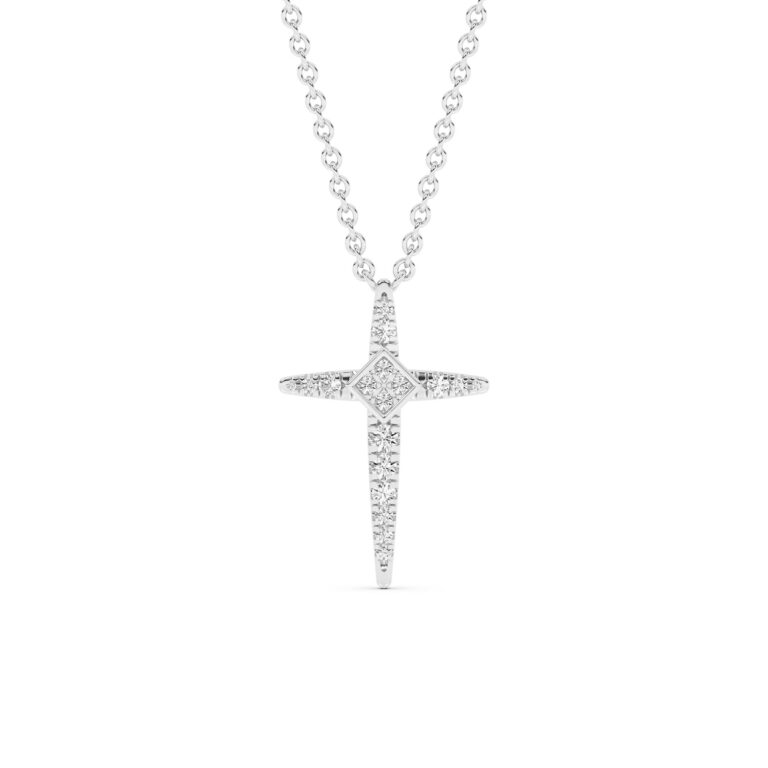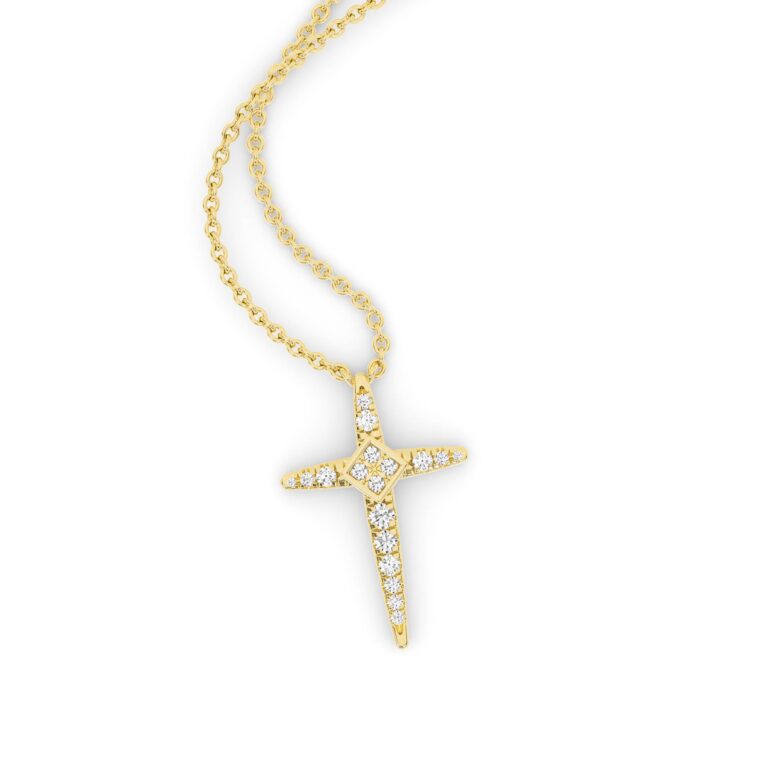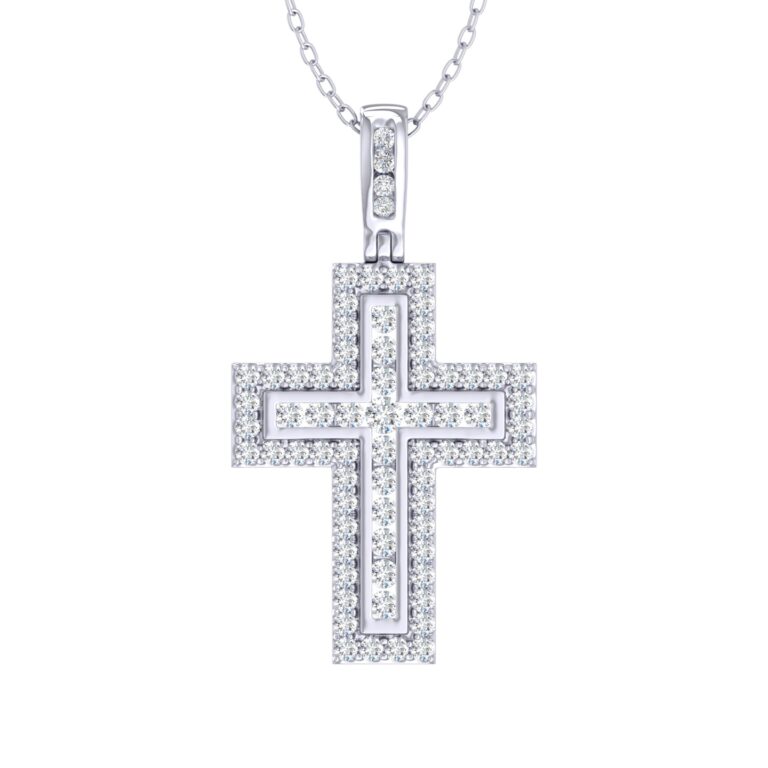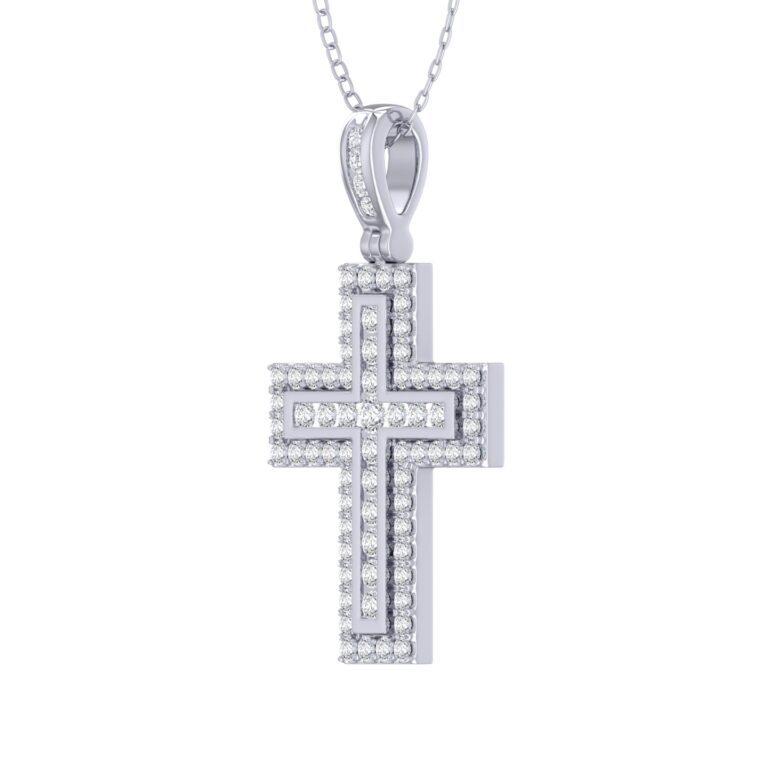
Building a high-end diamond cross pendant requires much more than simply picking a metal and a carat weight. Over my 35 years in the jewelry industry, I have observed that most people settle for generic designs that lack structural harmony or visual impact. A cross is essentially a geometric challenge, which is why choosing the best diamond shape for cross pendant designs is critical to avoid a cluttered or disproportionate look
A cross is essentially a geometric challenge where the wrong diamond shape can make the piece look cluttered or disproportionate. By applying the same principles I use when designing custom high-jewelry, we can transform a traditional symbol into a masterpiece of light and symmetry.
My goal is to guide you through the technical nuances of stone selection so your next piece reflects the prestige of a third-generation legacy.
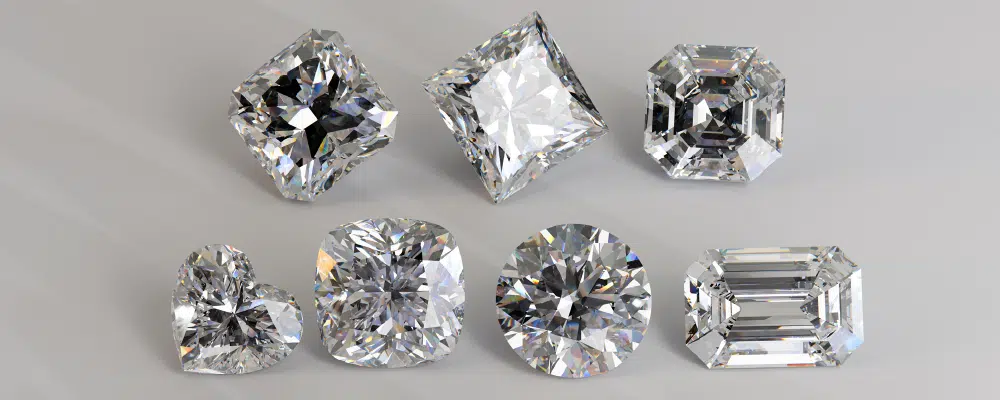
What Is the Difference Between Diamond Shape and Diamond Cut?
Diamond shape refers to the physical silhouette or outline of the stone, while diamond cut describes the arrangement of facets and how they interact with light. Understanding this distinction is vital because the shape dictates the personality of the cross, whereas the cut determines its brilliance.
In my office, I often explain that a “round” is the shape, but an “ideal cut” is what makes it sparkle. Because a cross pendant uses multiple stones in a row, the precision of the cut is what ensures the light flows seamlessly from one diamond to the next without dark gaps.
How Does a Round Brilliant Diamond Influence a Cross Design?
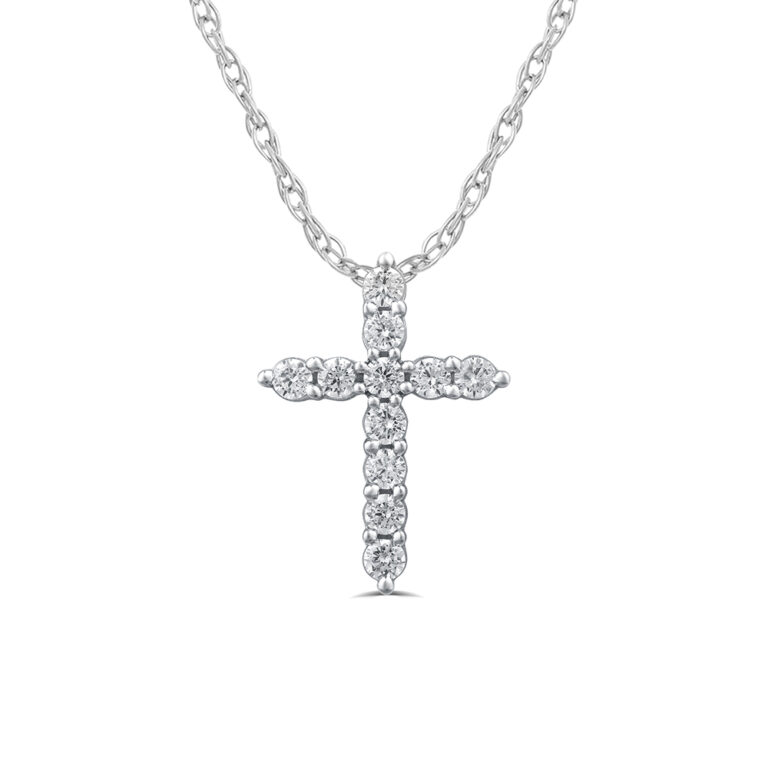
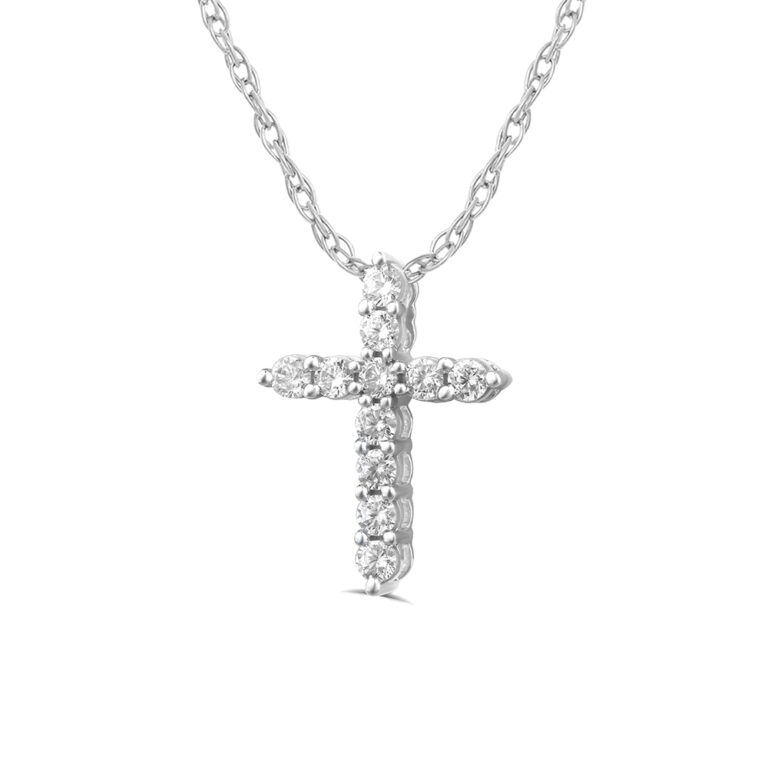
The round brilliant diamond is the most popular choice for cross pendants because its 58 facets provide a continuous, fluid “river of light” along the bars of the jewelry. This shape is engineered for maximum light return, which helps mask the metal prongs and creates the illusion of floating diamonds.
When I manufacture these pieces in 14k gold, I prioritize consistency in size to ensure the horizontal bar does not look wider than the vertical beam. This classic approach appeals to traditionalists who are researching the best diamond shape for cross pendant styles to ensure a timeless piece that remains stylish for decades.

Why Are Mixed-Shape Crosses Becoming a Top Trend in Custom Jewelry?
Mixed-shape crosses incorporate different diamond silhouettes to create visual “anchors” and a sense of architectural depth.
By placing a square princess cut at the center intersection and flanking it with tapered baguettes, you create a focal point that draws the eye inward. This technique breaks the monotony of standard designs and reflects a more sophisticated, custom-built look.
To achieve this, the stones must be mathematically matched in height and width so the transitions feel intentional. While this was once a luxury reserved for the ultra-wealthy, modern innovations now allow us to source these specific, matching shapes with ease for stunning lab grown diamond necklace designs.

How Do Elongated Shapes Like Ovals and Marquise Affect Proportions?
Elongated shapes like the oval and marquise create an illusion of greater length, making a cross pendant appear larger than its actual carat weight would suggest.
These shapes “stretch” the visual profile of the piece, which is particularly flattering when worn on a longer 18k gold chain. Because the marquise has pointed ends, it adds a touch of vintage flair and drama that a standard round stone cannot provide.
I frequently recommend these shapes to clients who want their jewelry to serve as a bold conversation starter rather than a subtle accent.

Which Diamond Shapes Are Best Suited for Different Life Stages?
Selecting a diamond shape based on the recipient’s age and personal style ensures the gift feels tailored and meaningful.
For younger women in their 20s and 30s, I often suggest the sleek, geometric lines of a princess cut or the high-energy sparkle of round pavé settings. As tastes mature, many women in their 40s and 50s gravitate toward the understated elegance of emerald cuts or sophisticated ovals.
These shapes offer a refined, “quiet luxury” aesthetic that prioritizes clarity and structural beauty over sheer glitter.
| Diamond Shape | Design “Vibe” | Visual Benefit | Best Gold Pairing |
|---|---|---|---|
| Round Brilliant | Traditional | Maximum light return | 14k White Gold |
| Emerald Cut | Architectural | “Hall of mirrors” effect | 18k Yellow Gold |
| Princess Cut | Modern | Bold, square mosaic | 14k Rose Gold |
| Baguette | Minimalist | Sleek, clean bars of light | 14k Yellow Gold |
| Oval/Marquise | Dramatic | Elongates the pendant | 18k White Gold |
Why Is 14k or 18k Gold Preferred Over Other Metals?
Gold in 14k or 18k purity provides the ideal balance of durability and rich color needed to support a multi-stone diamond setting.
While 10k gold is an option, it lacks the prestigious weight and deep luster that my clients expect at a high price point. In my office, we exclusively work with gold because it can be easily repaired and resized over generations, unlike cheaper alternative metals.
Choosing a warm 18k yellow gold can make D-color lab-grown diamonds look even whiter by comparison, providing a striking contrast that feels both luxurious and contemporary.
How Do Lab-Grown Diamonds Solve the “Matching” Problem?
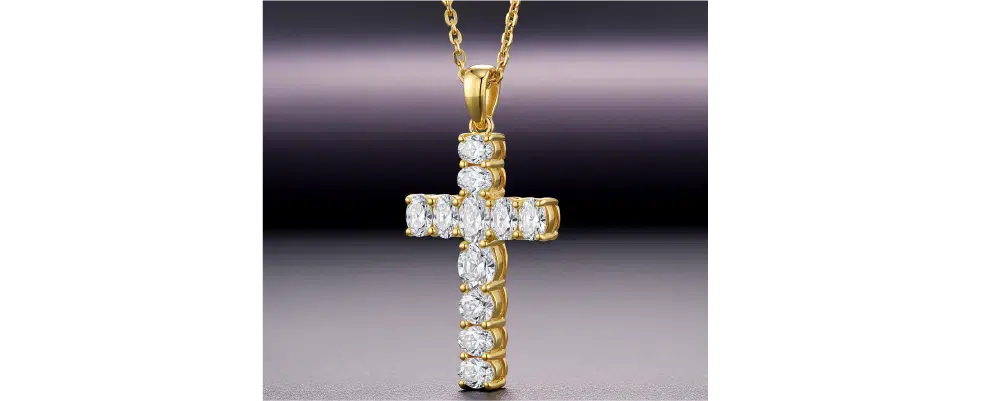
Lab-grown diamonds allow jewelers to create perfectly matched sets of stones that are identical in color, clarity, and dimensions.
In a cross pendant, having one stone that is slightly yellower or shorter than the others will ruin the entire geometric flow of the piece. Finding 11 matching mined emerald cuts can take months of searching through thousands of stones, which drives up the cost significantly. By utilizing modern technology, clients quickly realize why lab-grown diamond cross pendants are a brilliant choice, as I can hand-select a calibrated set of VVS-clarity stones in minutes, ensuring your cross is a masterpiece of technical perfection.
Conclusion
The true beauty of a diamond cross lies in the harmony between the metal’s structure and the stone’s shape. Ultimately, the best diamond shape for cross pendant settings depends on your desired aesthetic—whether that’s architectural mixed shapes or traditional round brilliants.
My family has spent three generations mastering these proportions, ensuring that every piece we create in 14k or 18k gold is built to last a lifetime. By embracing the architectural potential of mixed shapes and the purity of lab-grown diamonds, you are choosing a piece that is as intelligent as it is beautiful.
To see these mathematical proportions brought to life, explore La Joya’s collection of diamond necklaces today.