Buying a diamond engagement ring feels scary. You want perfection without wasting money.
Over the last three decades, I have seen buyers struggle with this exact choice. Welcome to my complete hidden halo engagement ring guide. This post will show exactly how to pick a lasting piece. We will look at the real engineering behind these beautiful designs.

What is the Meaning of a Hidden Halo Engagement Ring?
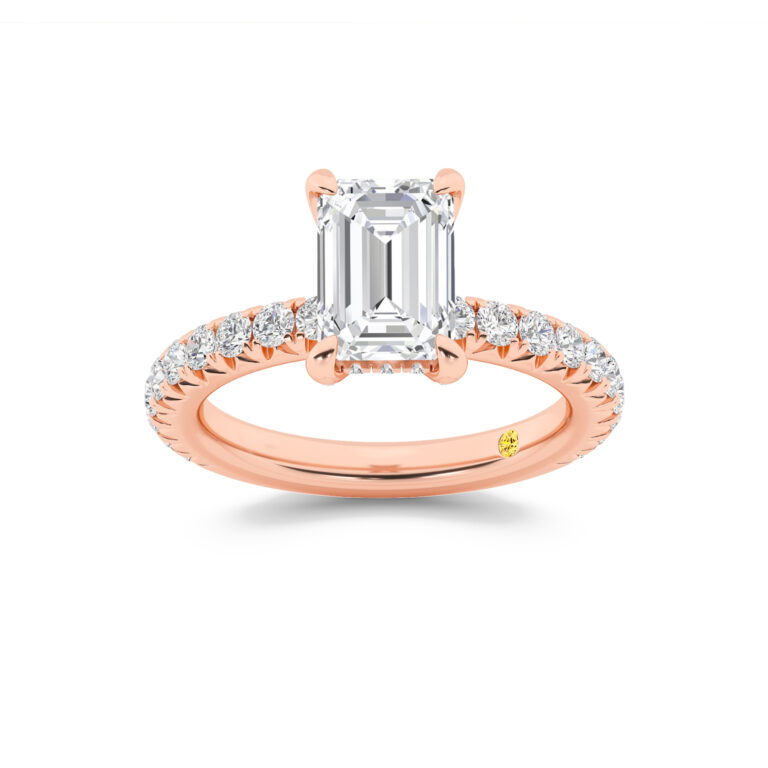
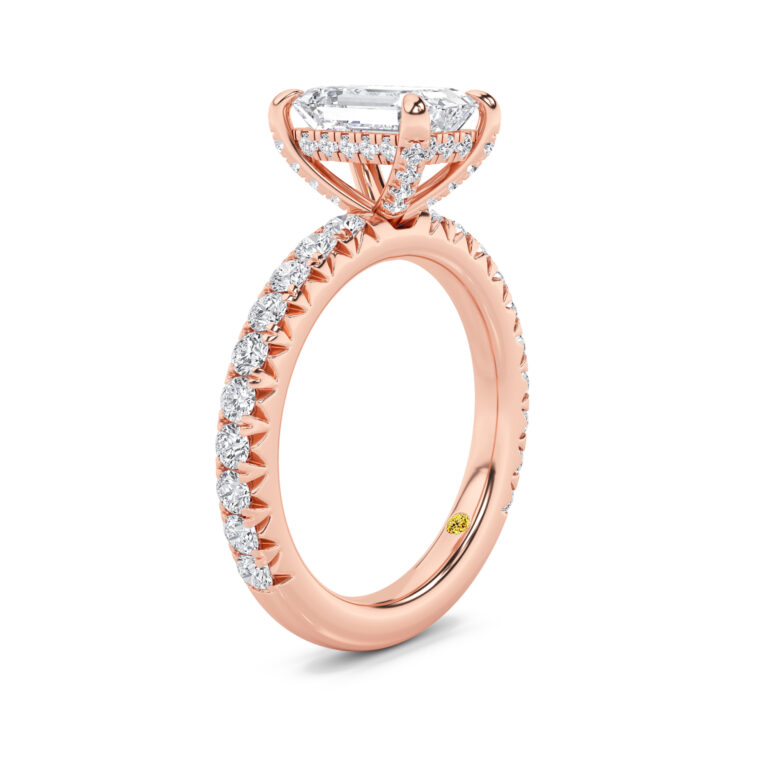
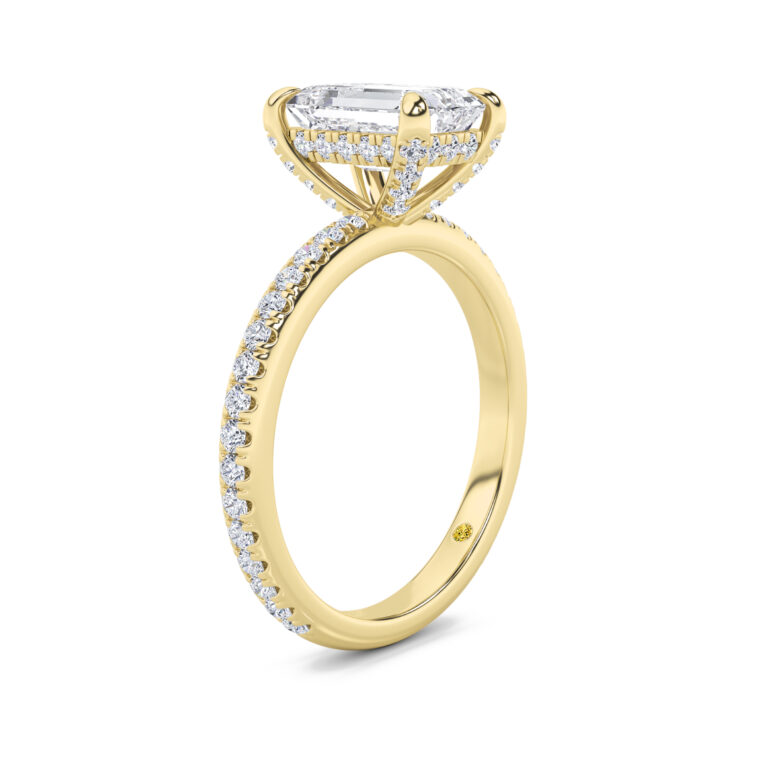
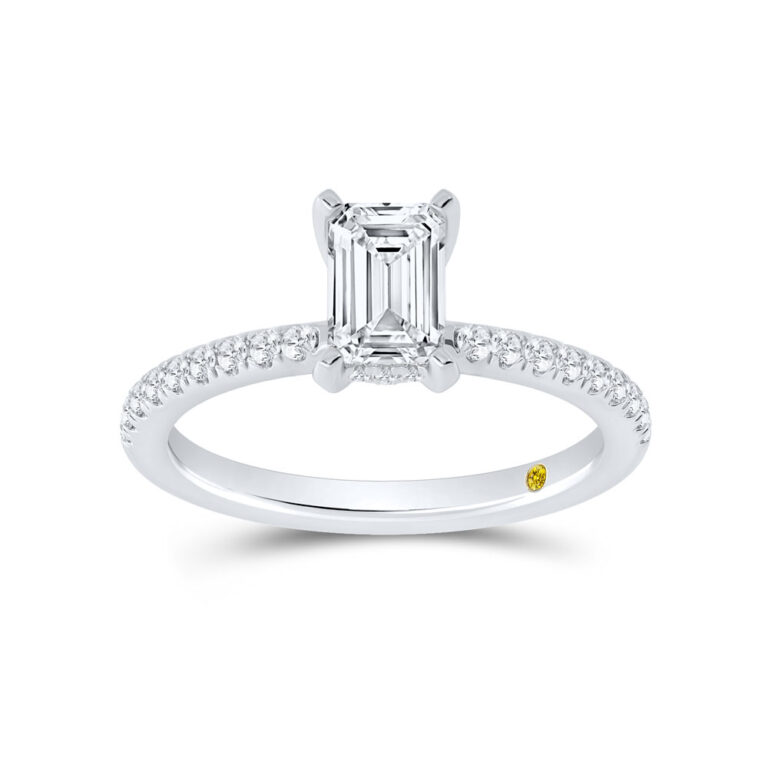
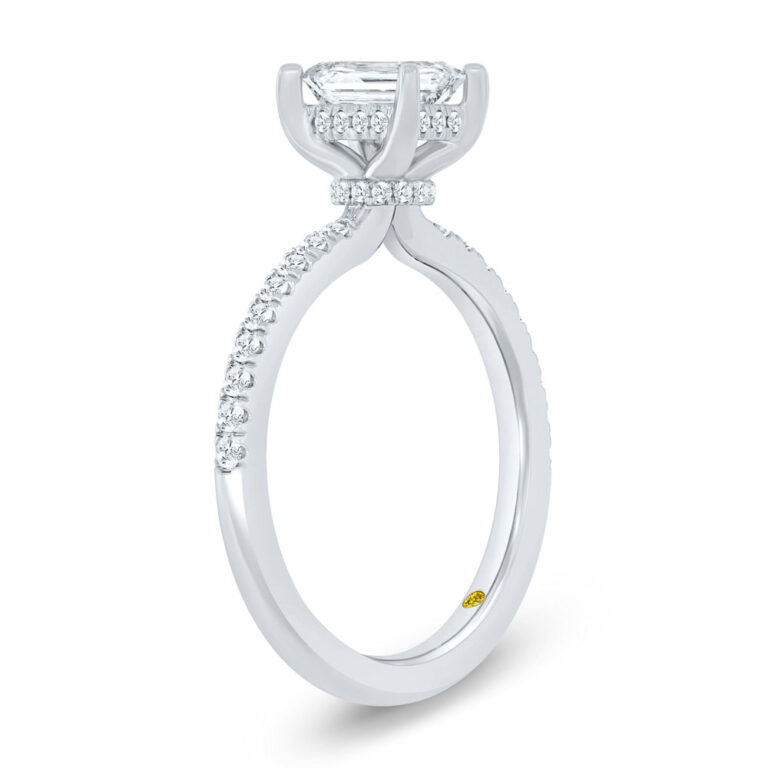
A hidden halo is a band of tiny diamonds wrapping around the base of the center stone, visible mostly from a side profile.
My family has spent three generations perfecting this specific detail. Sitting in my office, I examine hundreds of these settings every single year. This design perfectly captures the modern movement of quiet luxury.
Buyers often want the clean elegance of a solitaire from the top down, but after comparing a hidden halo vs a halo or a classic solitaire, they crave a secret layer of brilliance from the side. It feels like a custom, intimate detail meant specifically for the wearer.
If you are seeking an engagement ring with hidden halo details, you’ll know that crafting this delicate feature requires serious skill.
How Does the Anatomy of a Flawless Setting Work?
The engineering of a flawless setting relies on precise micro-pavé tension and a reinforced gallery rail to hold diamonds securely. Many mass-produced rings fail terribly right here.
Jewelers often rush the process, leaving weak prongs. Weak metal bends easily during daily wear. Our process involves checking every single seat cut into the gold, similar to the rigorous structural standards outlined by the GIA’s anatomy of a diamond ring.
We use strong 14k or 18k gold to build a secure base. This rail supports the main diamond while housing the tiny halo stones, which is especially critical if you are understanding cathedral hidden halo settings that elevate the center stone. Precision matters immensely when building a ring meant to last forever.

Why Do Poorly Made Hidden Halos Lose Diamonds?
Stones fall out when poor craftsmanship leaves loose gaps around the diamond edges. Small impacts from daily tasks easily knock these loose gems free.
I never allow weak settings to leave my office. Another secret lies in the cutting tool used to shape the gold. Dull tools create sloppy grooves. Sharp burrs ensure a tight, perfect fit. Makers must use premium 10k, 14k, or 18k white, yellow, or rose gold alloys for maximum strength.
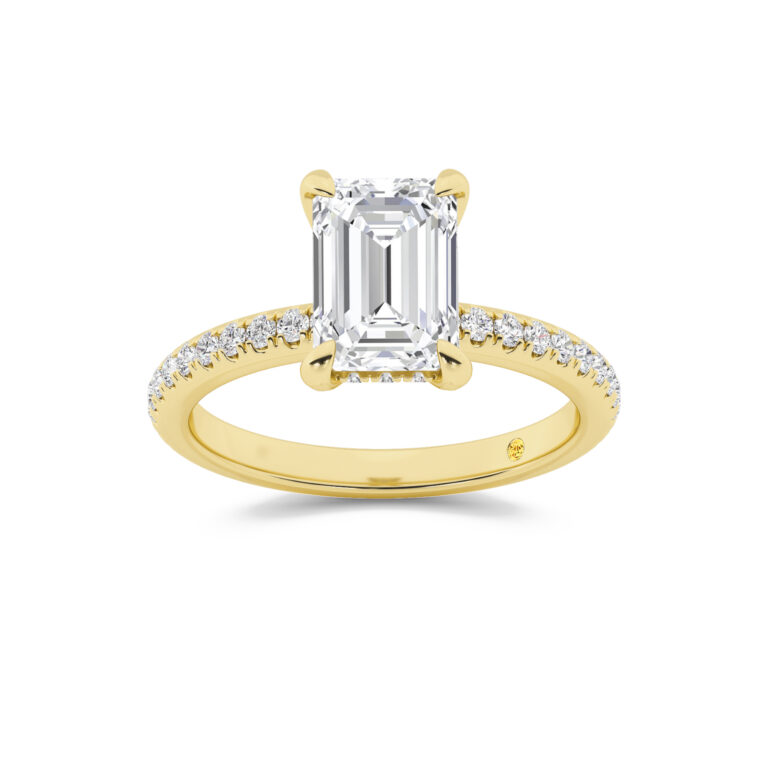
Choosing your metal color also impacts the visual design. A yellow gold gallery rail provides a stunning, warm background that makes the tiny white diamonds stand out much more distinctly than white gold does. Great gold work provides brilliant tones without unnecessary extra costs.

What Are the Most Popular Hidden Halo Styles?
Top hidden halo designs include the classic gallery wrap, the basket halo, and the dropped collar style. Each option highlights the center stone in a unique way.
Fancy shapes require special engineering attention.
Oval diamonds often show a dark shadow called the bow-tie effect. A clever under-halo on a hidden halo oval engagement ring pushes extra light into the stone to hide this flaw.
Princess cuts face major chipping risks at their sharp corners, which is why princess cut hidden halo designs must be crafted with protective intent. Using this hidden halo engagement ring guide helps you spot necessary protective features like V-prongs.
Pear-shaped stones look incredibly elegant in a hidden halo, but proportion is everything. If you are leaning toward this teardrop shape, review the pros and cons of a hidden halo pear engagement ring, and use this quick sizing framework based on hand type:
| Hand Size / Type | Recommended Carat Range | Best Length-to-Width Ratio | Visual Effect |
|---|---|---|---|
| Petite / Short Fingers | 0.75 ct – 1.25 ct | 1.45 – 1.50 | Elongates the finger without overwhelming it. |
| Average Hand Size | 1.50 ct – 2.25 ct | 1.50 – 1.60 | The ideal balance provides noticeable finger coverage. |
| Long / Slender Fingers | 2.50 ct – 3.50 ct | 1.60 – 1.70 | Fills the length of the finger elegantly; dramatic impact. |
| Wide Fingers | 2.00 ct+ (or Halo) | 1.40 – 1.50 | A slightly wider pear provides better horizontal coverage. |
Why Are Lab-Grown Diamonds the Best Choice for Ten-Year Value?
Choosing a lab-grown diamond frees up capital for life milestones while providing a chemically identical, premium gemstone. Smart buyers know that overpriced mined diamonds drain funds quickly.
Premium lab-grown options offer identical brilliance for a fraction of the cost, making it clear why lab-created diamonds are perfect for this setting. Think about a ten-year financial path.
Extra cash pays for house deposits or dream trips.
Try our Future Value simulator to see how much your savings will grow. Real wealth comes from investing in life, while still wearing incredible, flawless jewelry. Let us compare the metals that hold these beautiful stones securely.
What are the Differences Between 14k and 18k Gold for Hidden Halos?
Solid 14k gold provides superior durability and scratch resistance compared to the slightly softer 18k gold alloy.
Both metals deliver stunning results for premium jewelry, but understanding the durability of different gold alloys can help you decide which fits your lifestyle.
| Feature | 14k Gold (White/Yellow/Rose) | 18k Gold (White/Yellow/Rose) |
|---|---|---|
| Durability | Extremely scratch-resistant | Slightly softer, needs more care |
| Pavé Tension | Holds tiny diamonds very securely | Holds well, but prongs can bend easier |
| Color Richness | Beautiful, standard gold tones | Deeper, warmer gold color |
| Daily Wear | Perfect for active lifestyles | Better for careful wearers |
| Price | More affordable, superior value | Higher premium cost |
Conclusion
A master-crafted hidden halo ring combines structural integrity with timeless elegance. Great craftsmanship keeps those tiny diamonds secure for decades of daily wear. I promise that La Joya Jewelry will always deliver unmatched, premium quality for your lifelong investment. Keep this hidden halo engagement ring guide handy as you make your final decision.