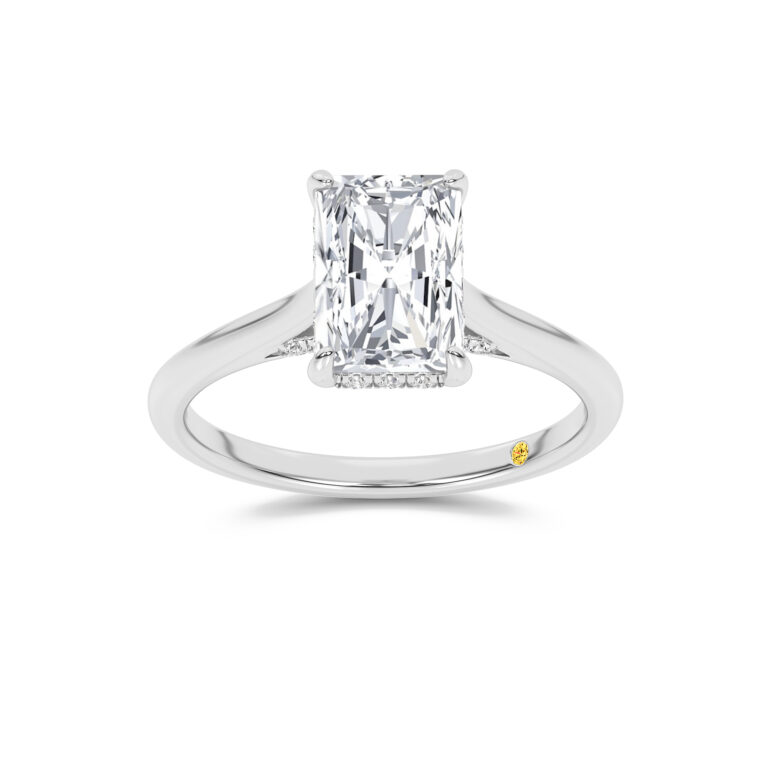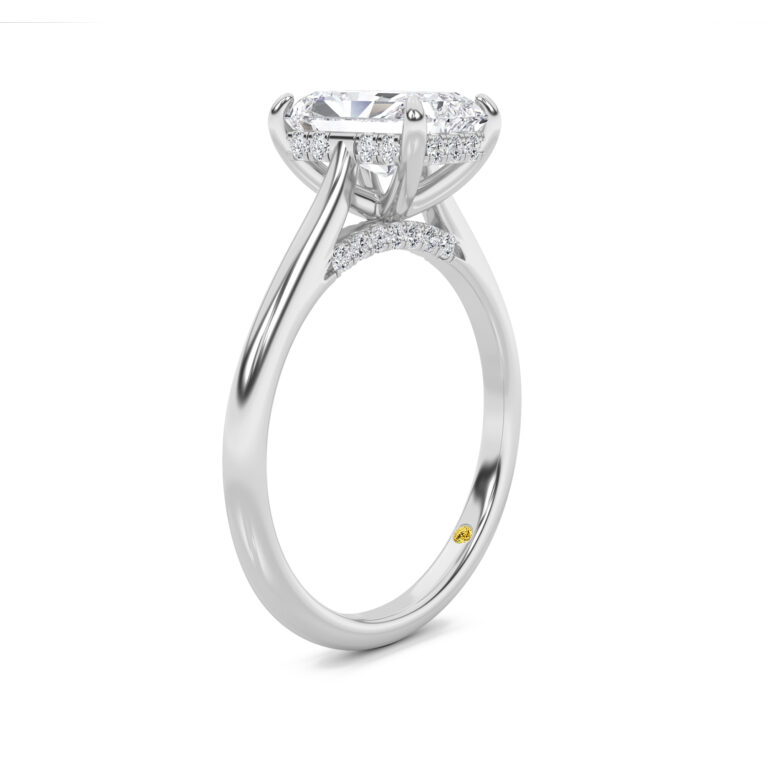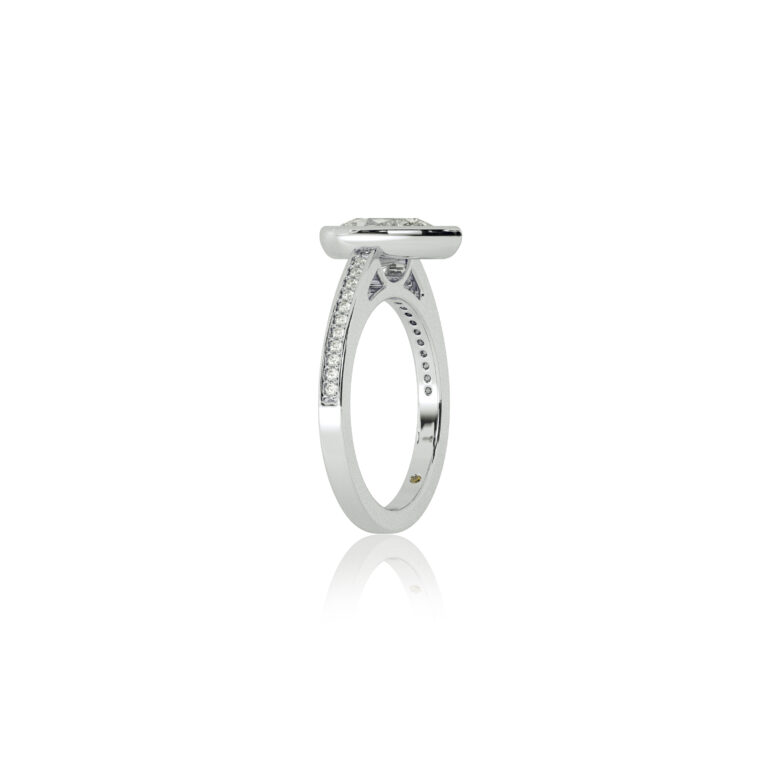
Finding the perfect center stone brings a lot of stress. You want a ring that looks huge and sparkles brightly. You also want to make a smart choice with money.
Because there are many shapes, narrowing it down feels tough. If you wonder why choose a radiant cut, look closer. Over my 35 years of making fine jewelry, trends change. However, I have watched this specific shape become a favorite because it mixes the long lines of an emerald cut perfectly, and it adds the bright flash of a round stone.
This special design offers pure magic at the bench, allowing couples to get amazing show-stopping lab-grown diamond engagement rings that easily balance modern beauty with unbeatable fire.
What Are the Main Features of a Radiant Cut?
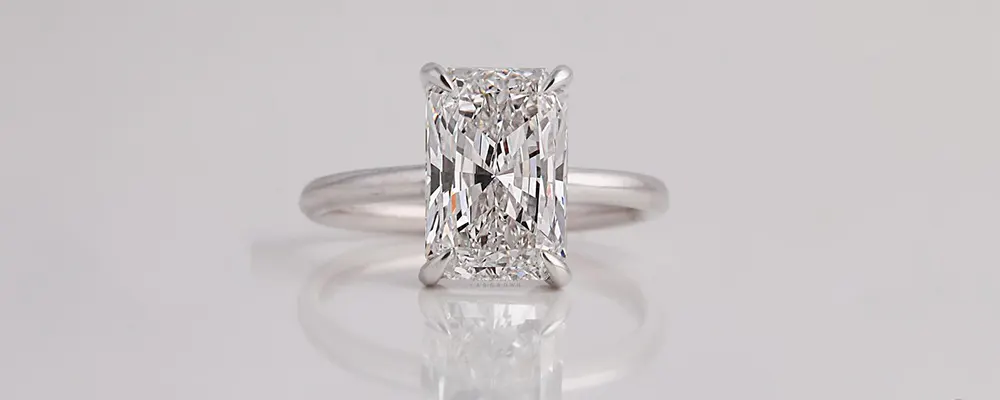
A radiant cut diamond features a beautiful rectangle shape. It always comes with carefully cut corners. It carries 70 bright faces for intense sparkle. Because it combines these exact parts, it delivers incredible fire. It also remains very safe to wear every day.
Over my three decades in the trade, buyers often struggle. They want classic sparkle but desire a modern long shape. When these unsure clients sit down, I point here. So, you get the absolute best of both worlds. The cut corners act as a major safety feature. As a result, the stone stops chipping very well. This built-in safety is a top reason why choose a radiant cut.
What Is the Best Length-to-Width Ratio?
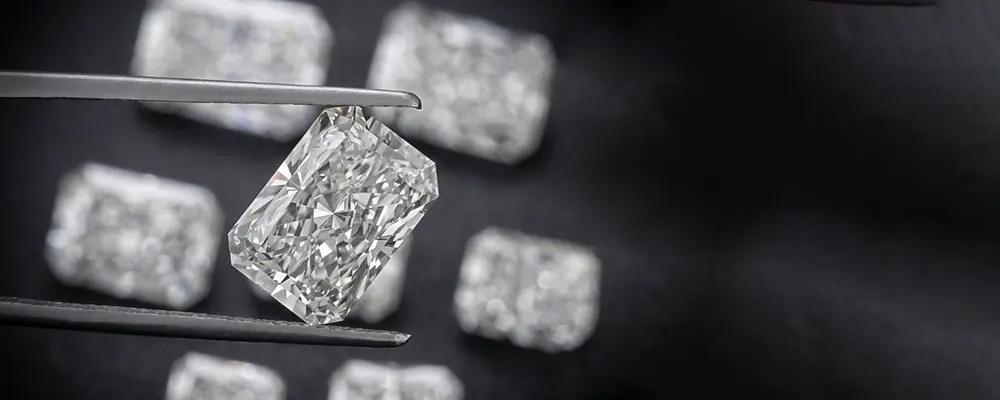
The best balance for a classic rectangle radiant is exact. It falls strictly between 1.20 and 1.35. This exact range stretches the look of the finger perfectly. It never feels too thin or weird on the hand.
As a third-family diamond maker, I guide couples carefully. I always point them toward this golden balance. It creates the most balanced look under my jeweler’s loupe. Because the shape plays a huge role, picking correctly matters. You must understand how the shape shifts as numbers change. For a deeper look of how shape designs change visual sparkle across different fancy shapes, see my complete guide on how pear diamond cut quality determines brilliance and sizes.
How Does the Ratio Change the Visual Shape?
Here is a simple breakdown of the different shapes:
| Ratio Range | Visual Shape | Best Ring Setting Style |
| 1.00 to 1.05 | Perfect Square | Halo styles and modern solitaires |
| 1.10 to 1.19 | Soft Rectangle | Classic solitaires and three-stone rings |
| 1.20 to 1.35 | Classic Rectangle | All settings (The most popular choice) |
| 1.36 to 1.50 | Long Rectangle | Solitaires to slim the finger |
What Is Crushed Ice Versus Brilliant Faceting?
You must know that radiant cut lab diamonds have two cutting styles. The first style is the crushed ice look. This pattern uses small, short faces on the bottom part. So, it creates a deep sparkle like broken ice.
The second style is the brilliant cutting pattern. This method uses longer faces for larger flashes of light. As a result, the diamond looks slightly larger from above.
I help clients look through the loupe to see this. Knowing these options shows you exactly why to choose a radiant cut. It lets you choose the exact type of sparkle. For more insider tips on picking a top stretched stone, browse through our expert celebrity style emerald cut ring guide.
How Does a Radiant Cut Hide Diamond Flaws?
The busy face pattern bounces light in many directions. This action completely hides small inside flaws. The intense light return acts like a strong light shield.
Because of this shield, I regularly advise buyers to save. You can safely step down to a VS2 clarity grade. You save funds on clarity to spend on carat weight. This cost savings is another huge reason why choose a radiant cut. You get a massive look without paying for tiny perfection, as shown in our expert look on how to find the best value diamond engagement rings without sacrificing quality.
Why Do V-Prongs Protect the Corners Best?
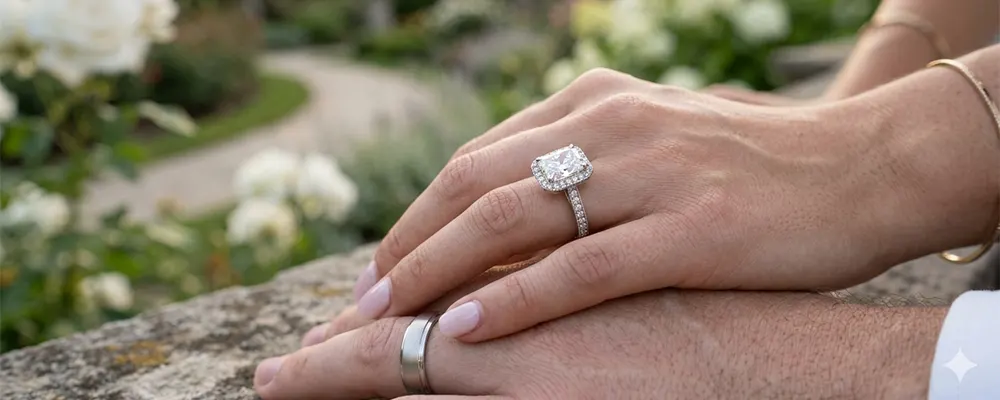
The four corners of a radiant cut are weak spots. Normal prongs can leave these flat corners highly open. Because of this risk, my workshop uses special V-prongs. These prongs wrap entirely around the cut edges. Furthermore, they lock the stone flat against the gold basket.
This build stops the gem from moving over time. It ensures your center stone remains perfectly safe. Mass-market shops often use weak standard prongs that break. We put first a solid ring build for long-term daily safety, as detailed in my top engagement ring settings & shanks guide.
Which Gold Settings Look Best With Radiant Cuts?
Solid gold in yellow, white, or rose provides great safety. High-karat gold brings the perfect strength to protect the stone. In my work, I recommend a 1.8mm band width. This thickness stops the band from bending over a lifetime.
If you pick white gold, aim for a G color. This choice keeps the stone looking completely icy. Warm yellow or rose gold easily hides slight body tints. Therefore, you can safely buy an H or I color. The warm metal simply does the color work for you. To fully master precious metal grades, read my guide on how to choose the best gold for engagement rings.
Do Lab-Grown Radiant Cuts Offer Better Value?
Lab-grown radiant cuts cost up to 85 percent less. They offer the same physical and chemical makeup. This massive price drop allows you to buy larger stones. You get the most from your budget without losing any diamond fire.
Throughout my career, tight budget limits crushed customer dreams. Today, lab-created gems completely remove those sad limits. When buyers ask me why choose a radiant cut from a lab, I smile. The logical answer is always incredibly clear. You can get a stunning lab-grown solitaire engagement ring or a fancy three-stone engagement ring easily. You never have to settle for a tiny rock. For couples seeking a complete look, these savings also make it simple to buy matching lab-created diamond bridal sets right from the start.
Industry Authority and Verification
Checking diamond details needs exact numbers proven by world rules. To check how fancy shapes like radiant and emerald cuts are shape-checked and sorted by expert diamond workers, you can check the sorting rules provided by the Gemological Institute of America (GIA), which serves as the world leader in diamond grading and light science.