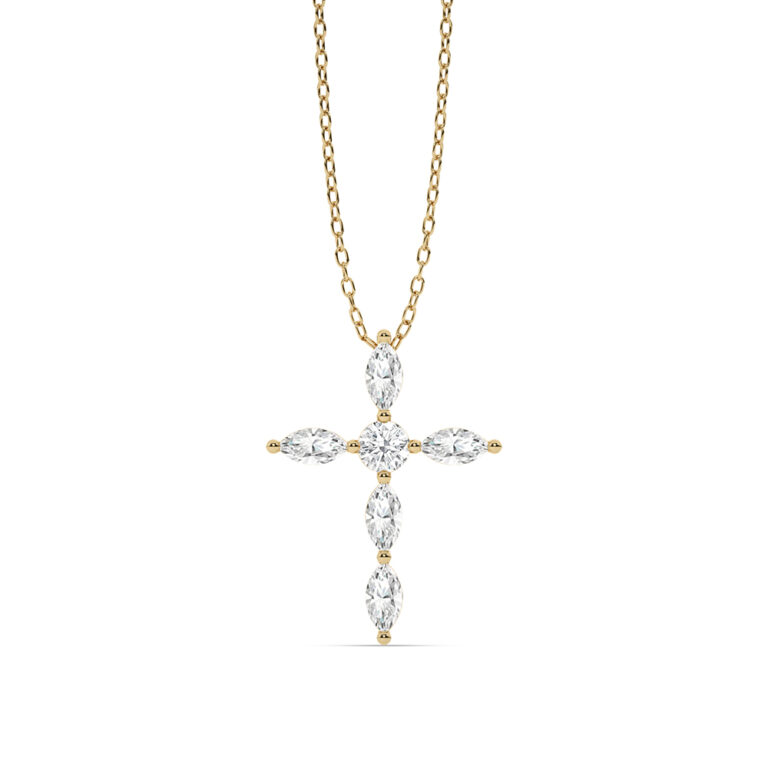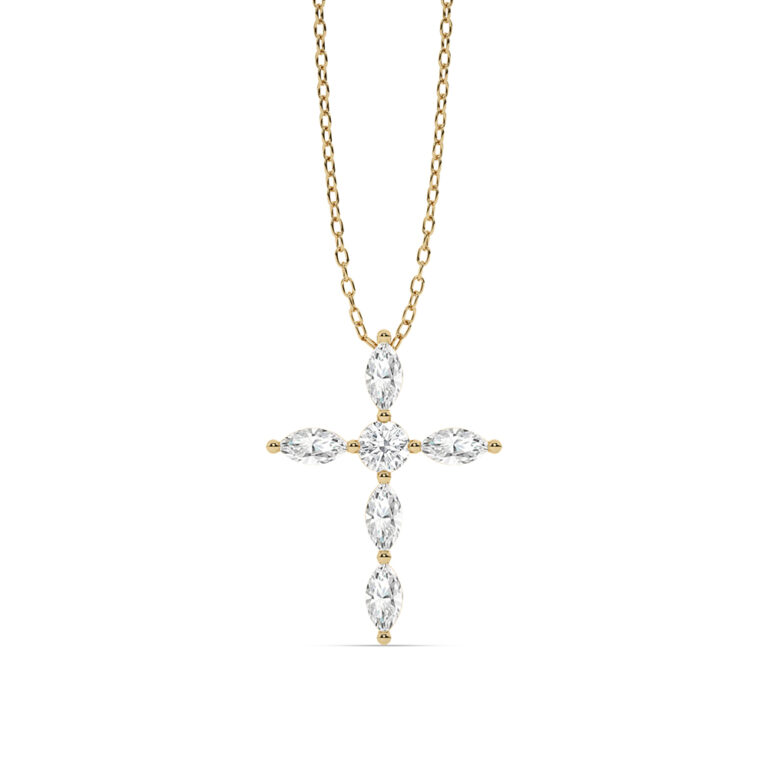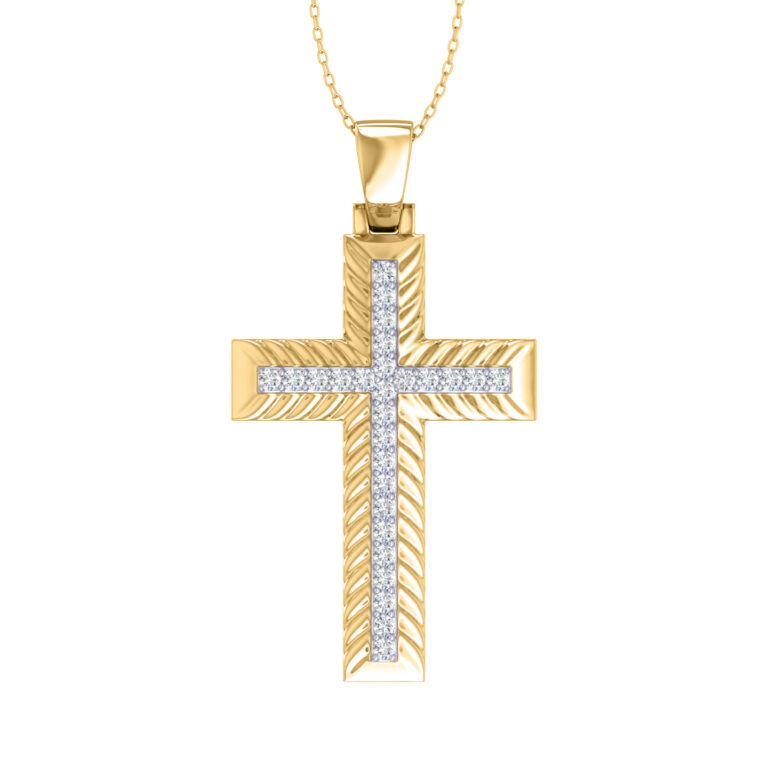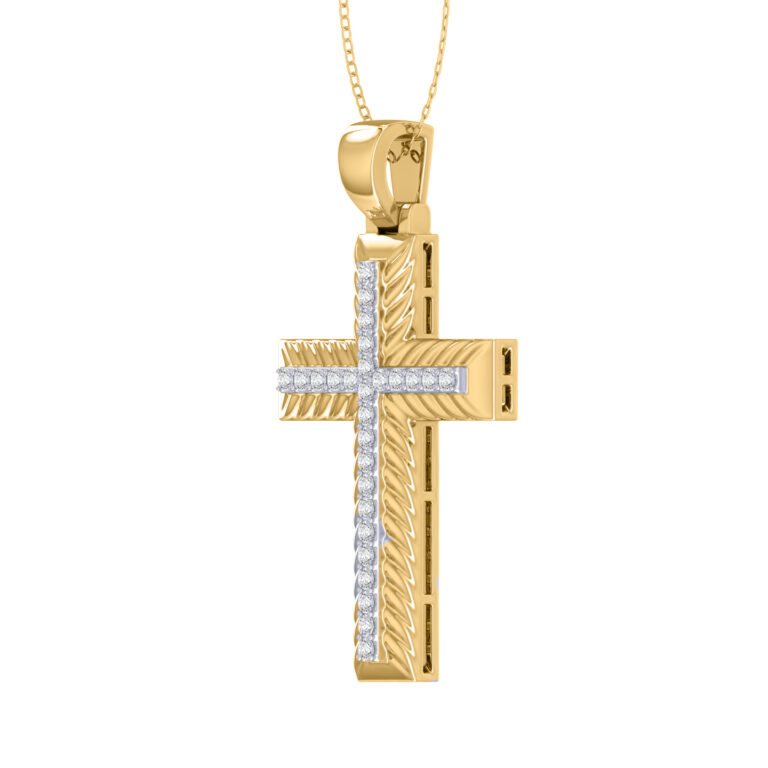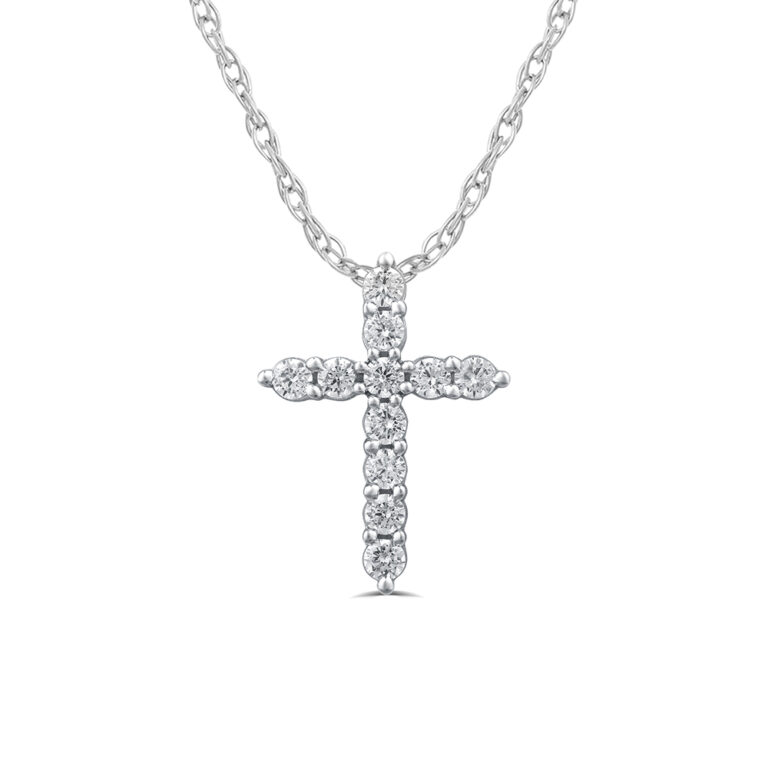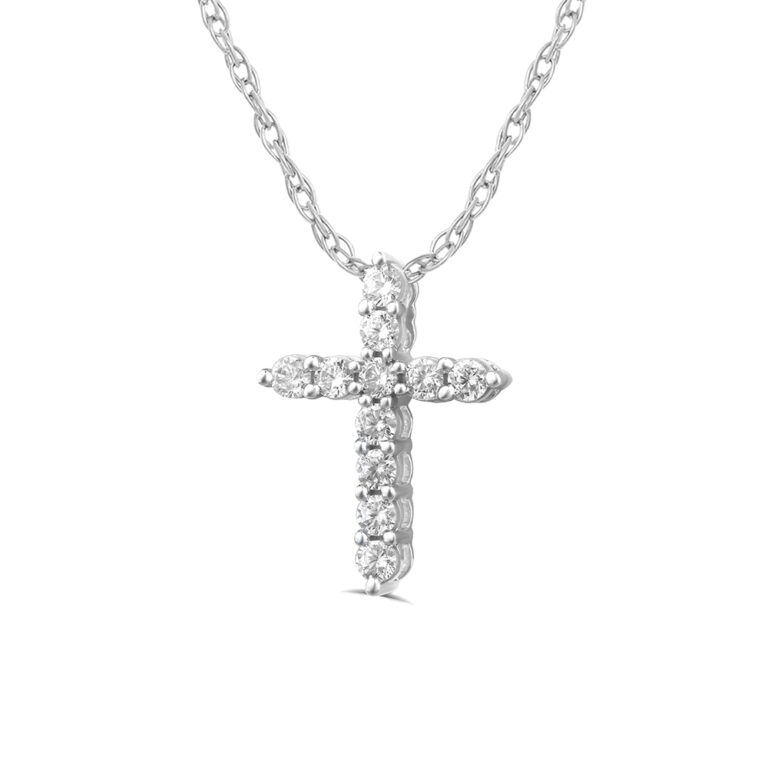
Quick Answer: A sideways diamond cross necklace symbolizes grounding, balance, and faith resting firmly on earth. By laying the cross horizontally rather than upright, the design reflects a spirit at rest and reminds the wearer to stay centered through daily life. It offers a modern, personal take on a timeless symbol of faith.
Finding a meaningful gift that feels modern is hard. People often ask me about the true sideways diamond cross necklace meaning when they visit my office. Over three decades of grading fine jewelry have taught me that this specific design perfectly blends classic flair with fresh style. Because of this modern shift, true luxury has become deeply personal. Consequently, I see more buyers choosing horizontal pendants to reflect their inner peace.

What Does a Sideways Diamond Cross Mean Today?
A sideways cross symbolizes grounding, balance, and the idea of faith resting firmly on earth.
Throughout my 35 years in the jewelry trade, the shift from vertical to horizontal designs has been fascinating to watch. We used to cast traditional pendants almost exclusively. However, modern buyers now want something that speaks to their daily routines. Consequently, laying the symbol on its side shows a spirit at rest.
This specific alignment reminds the wearer to stay centered during chaotic times. If you’re exploring the deeper meaning of a diamond cross necklace, the sideways variation offers a unique, contemporary interpretation.

Why Choose Lab-Grown Diamonds for This Necklace?
Laboratory jewelry provides superior clarity and identical physical properties to mined gems at a smarter value.
Evaluating rough, uncut diamonds has been my family’s craft for three generations. During that time, we learned exactly how light moves through a well-cut facet. Because lab-grown stones are created in perfect conditions, they consistently deliver brilliant fire. As a result, you get a much cleaner look across the horizontal setting.
Choosing these gems is simply the intelligent choice for a sophisticated buyer looking for a beautiful lab-grown diamond cross necklace. We also follow strict diamond grading standards, much like those established by the Gemological Institute of America (GIA), ensuring every stone is evaluated properly for its cut, color, clarity, and carat weight.

Which Gold Karat Offers the Best Durability for Necklaces?
Solid 14k gold provides the best balance of lasting durability and rich color for daily wear. Designing fine laboratory jewelry requires understanding how metals handle physical stress. Pure 24k gold is too soft, so it bends easily. To fix this weakness, we mix it with stronger alloys to create 10k, 14k, or 18k options.
For a diamond cross pendant, the metal must secure tiny stones while hanging tightly against the collarbone. Therefore, 14k white, yellow, or rose gold offers the exact strength needed to prevent the chain from snapping. If you are debating between metals, learning about Yellow Gold vs. White Gold Diamond Cross Necklaces can help you decide.
Understanding metal properties helps you make a smart investment. Here is a quick guide to gold durability:
| Gold Purity | Durability Level | Best Use Case | Tone & Appearance |
| 10k Gold | Very High | Heavy daily wear, active lifestyles | Slightly muted color |
| 14k Gold | High | Standard daily wear, engagement rings | Classic, rich color |
| 18k Gold | Moderate | Special occasions, luxury pieces | Very vibrant, deep color |
Selecting the right gold ensures your jewelry lasts for generations.

How Does the Chain Type Prevent the Pendant from Flipping?
A cable chain soldered directly to both ends of the cross stops the pendant from turning backward. People often visit my office complaining about necklaces that constantly flip over. This happens when a heavy charm hangs from a single loose jump ring.
To solve this problem, we lock the horizontal piece in place by attaching the chain at two separate points. Because the weight spreads out evenly, the design stays flat against your skin. As an added bonus, this dual-attachment method makes the entire piece much stronger, which is especially important if you want to know how to wear a diamond cross necklace comfortably every day.
Conclusion
Understanding the deep sideways diamond cross necklace meaning transforms a beautiful trend into a quiet reminder of personal strength. Capturing that exact strength in physical form at La Joya Jewelry remains my deepest passion. Every solid gold piece we make honors our long family tradition of lasting quality. Therefore, your carefully chosen pendant will perfectly reflect your modern life journey.
To explore our exquisite craftsmanship, browse La Joya’s collection of cross pendants.
Frequently Asked Questions
Can I wear a sideways cross necklace every day?
Yes, as long as it features a strong solid gold chain. Horizontal pendants snag far less often than vertical ones thanks to their low profile, resting safely flat against your chest. That makes the sideways cross an ideal everyday piece for effortless elegance.
Do lab-grown diamonds look different from mined diamonds?
No, they look the same because they share identical crystal structures. Even a trained jeweler using a loupe needs specialized testing equipment to tell them apart. Your silver cross diamond necklace will display the same pure, stunning brilliance as one set with mined stones.
What is the ideal chain length for a horizontal cross?
An 18-inch chain is ideal because it lets the cross sit right below the collarbone. That position is consistently the most flattering on most necklines, keeping the sideways cross visible and elegant no matter which shirt or top you choose to wear.
Which gold karat is best for a cross necklace?
Solid 14k gold offers the best balance of durability and rich color for daily wear. Pure 24k gold is too soft and bends easily, so it gets alloyed into 10k, 14k, or 18k. 14k provides the strength needed to secure stones and prevent snapping.
How does the chain keep the pendant from flipping?
A cable chain soldered directly to both ends of the cross stops it from turning backward. Most flipping happens when a charm hangs from one loose jump ring. Attaching the chain at two points spreads the weight evenly, keeping the design flat and adding strength.