Buying a diamond engagement ring is a huge test. It has a high price tag and carries deep emotional weight. To win, buyers need a reliable guide. I have spent over 35 years in the fine jewelry world. During this time, I have looked at thousands of gems in my office. Through these decades, I watched a huge shift happen in the market.
The rise of lab-grown diamonds changes everything. You no longer give up clarity for size just to meet a strict budget. Instead, these modern stones grow in highly advanced labs. Consequently, they stop the fake limits and steep markups of mined stones. At La Joya, we champion this smart luxury idea. By understanding the core traits of these gems, you can build a legacy piece that lasts a lifetime.
What is the Diamond 4 C’s Framework?
The diamond 4 C’s framework is a universal grading system created by the Gemological Institute of America (GIA) that uses Cut, Color, Clarity, and Carat to judge stone quality.
I always explain to clients that this famous system remains the absolute gold standard today. For nearly 100 years, this exact scale ruled the mined stone market. Now, these rules matter just as much for lab-grown options. Because lab-grown gems share the exact same chemical makeup as earth-mined stones, they use this identical framework. As a result, buyers can easily compare stones to find true value.

How Does a Diamond’s Cut Dictate Its Brilliance?
A diamond’s cut dictates how well the stone reflects incoming light to create pure sparkle and fire.
I constantly remind couples that this is the one trait you must never ignore. Over the last 35 years, I have seen poorly cut stones look completely dead. To prevent this dark look, master artisans angle the facets like tiny mirrors. When these mirrors line up perfectly, they grab nearby light. Then, they forcefully bounce it back to your eye.
Consequently, a great cut hides slight color hints. While mined stone cutters often save physical weight instead of beauty, our lab-grown artisans cut strictly for perfect visual appeal. Therefore, you should always demand an Ideal or Excellent cut grade to maximize your investment.
How Do Popular Diamond Cut Shapes Affect Perceived Size?
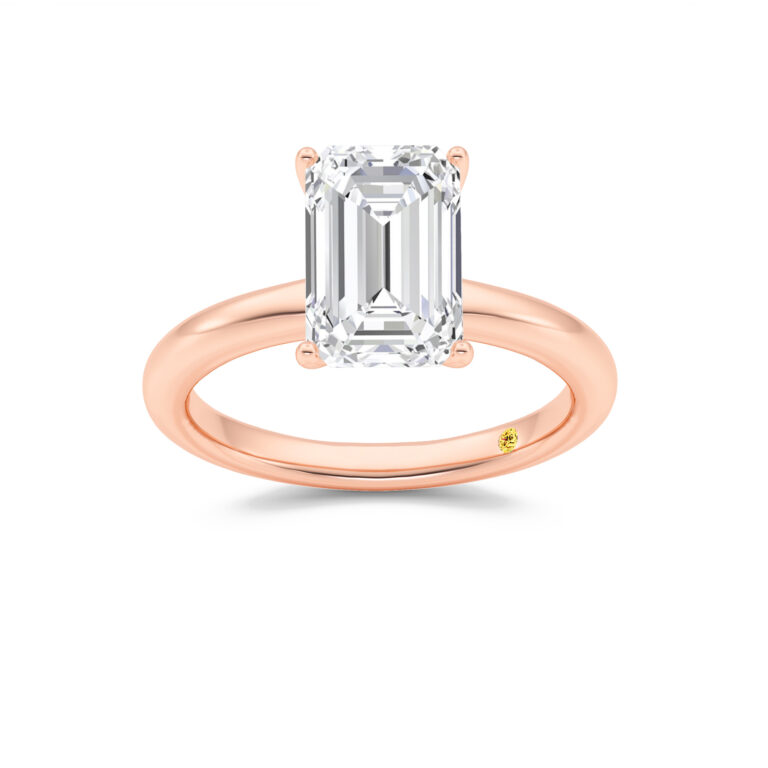
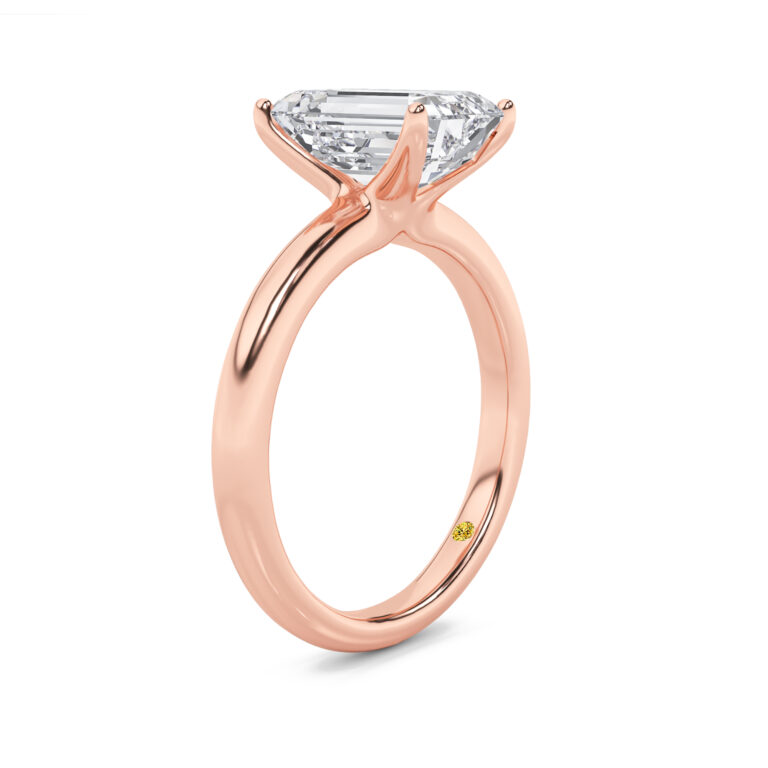
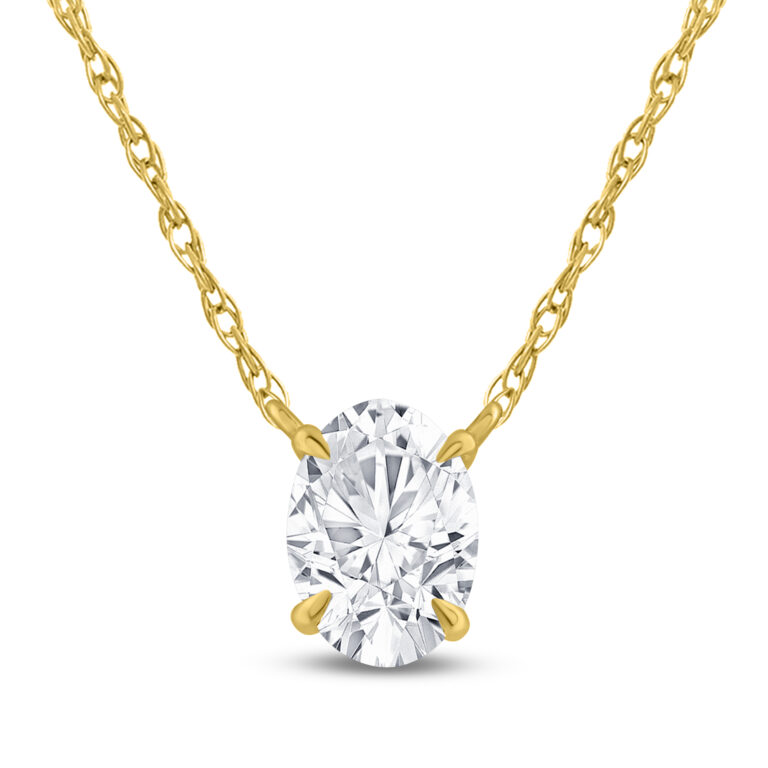
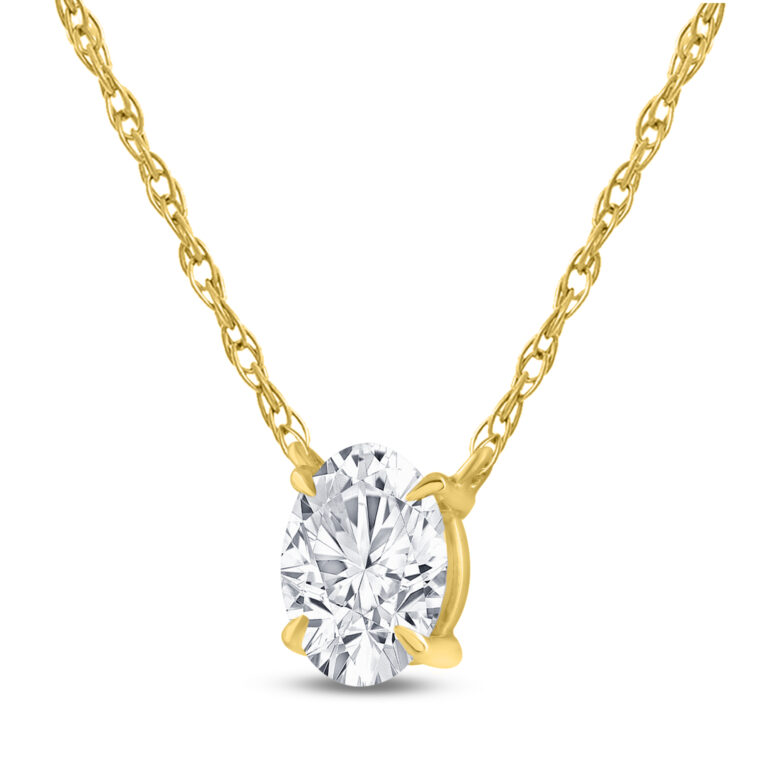
Popular diamond cut shapes like the round brilliant, princess, cushion, oval, emerald, and pear affect perceived size by spreading their surface area differently across the top of the stone.
By understanding these shapes, you can easily trick the eye to make the gem look larger. For example, elongated shapes like ovals and pears take up more space on the finger. Because of this wide spread, they look much larger than a round stone of the exact same weight.
However, you must watch out for the “bow-tie” effect in ovals, where a dark shadow forms in the center. To avoid this ugly shadow, we carefully check every single stone at La Joya. By doing this, we ensure your ring stays perfectly bright.

What Does Diamond Color Actually Measure?
Diamond color grading ranks the exact lack of color in a stone, using a GIA scale that moves from D (colorless) to Z (light yellow).
Grading these tiny color shifts is a daily task for my team. I always teach buyers that perfection on paper is not needed for a stunning ring. Lab-grown diamonds form in perfectly clean spaces. Because of this pure space, they lack the murky green tones often found in mined stones.
This pure growth guarantees a very crisp look. While a D-color stone is rare, it is not always a must-have choice.
When Should You Prioritize Higher Color Grades?
You should prioritize colorless grades (D-F) when buying very large carat weights or when setting the diamond in white gold.
As stones get larger, they trap and show more color inside their facets. If you want a huge three-carat stone in a crisp white setting, paying for a high color grade makes sense. However, your diamond acts like a mirror to the metal around it.
If you set your gem in 10k, 14k, or 18k yellow or rose gold, the stone soaks up those warm tones. Consequently, picking a G, H, or I color saves a large part of your budget. Even with this warmer grade, the stone still looks icy white against the rich gold.
What Is Diamond Clarity and Why Does It Matter?
Diamond clarity measures tiny internal marks called inclusions and external flaws under 10x magnification, using grades from Flawless (FL) to Included (I1-I3).
Many old brands use this strict scale to scare buyers into spending more money. However, I use a very different approach when advising couples. Lab-grown diamonds form tiny birthmarks as they grow over time in the lab.
Paying a huge premium for a “Flawless” grade is a bad use of your budget. To the naked eye, a VS1 or VS2 lab-grown diamond is almost always totally “eye-clean.” Because these tiny marks are invisible without a jeweler’s tool, they do not ruin the daily beauty of your ring.
Furthermore, a smart setter can easily hide a small mark under a thick gold prong. By hiding these flaws, you protect the weak spots of the stone and lower your overall costs.
Why Do Lab-Grown Diamonds Have Clarity Advantages?
Lab-grown diamonds have clarity advantages because highly controlled laboratory conditions prevent the massive structural fractures often caused by aggressive earth mining.
Because our makers control the heat and pressure perfectly, our stones grow very clean. This careful process stops the nasty dark spots that ruin many natural gems. Thus, picking an eye-clean lab gem is the absolute best way to gain value.

How Does Carat Weight Impact Size and Value?
Carat strictly measures the true physical weight of the diamond, not its wide geometric span, and dramatically affects pricing at milestone numbers like 1.00 or 2.00 carats.
The deep obsession with hitting these exact numbers hurts many well-meaning buyers. I assure every client that great size no longer demands painful choices.
In the past, reaching a huge 2.00-carat mark meant spending thousands of extra dollars. Lab-grown diamonds end this harsh struggle forever. By choosing lab-grown gems, you gain the exact visual size you want without losing cut quality.
How Can You Maximize Carat Size With Lab-Grown Diamonds?
You can maximize carat size with lab-grown diamonds by choosing “buy shy” weights just under popular magic numbers, allowing you to afford substantially larger stones compared to mined diamonds.
For example, a 1.90-carat gem looks exactly the same as a 2.00-carat gem to the bare eye. Because it falls just under the magic two-carat line, the price drop is huge. This smart savings lets you buy a heavier 18k gold band for lifetime daily wear. Using this strategy makes modern luxury truly smart.
How Should You Balance the 4 C’s for Your Perfect Diamond?
To balance the 4 C’s for your perfect diamond, you must prioritize an excellent cut above all else, while remaining flexible on color and clarity to maximize your carat weight budget.
Finding this perfect mix is a fun process we call your Budget Health Check. During this check, we look at your true goals. If you want a massive rock, we drop the color to H and clarity to VS2. By doing this, we free up money for size.
Also, we always rely on strict IGI certification. Because IGI tests each stone independently, you know your 4 C’s are one hundred percent real and exact.
Technical Comparison: The Impact of the 4 C’s
| Diamond Feature | Primary Visual Impact | The Lab-Grown Advantage | Expert Recommendation |
| Cut | Sparkle, Fire, Brilliance | Artisans cut for beauty, not weight retention. | Always choose Ideal or Excellent. |
| Color | Icy white appearance | Zero murky brown or green earth undertones. | Choose G-I for yellow/rose gold. |
| Clarity | Transparency and purity | No massive, structural mining fractures. | Choose VS1 or VS2 (Eye-Clean). |
| Carat | Physical weight | Access to large sizes without massive markups. | Buy “shy” (e.g., 1.90ct over 2.00ct). |
How Does La Joya’s Expertise Help You Choose Wisely?
Understanding the guide to the 4c’s of a diamonds is the crucial first step toward securing a legacy piece.
La Joya’s expertise helps you choose wisely by offering direct-source pricing and customizable options that let you optimize the 4 C’s for your exact priorities.
As a jeweler to the jewelers, our team cuts out the middleman completely. Because we source straight from our trusted makers, we pass those huge savings right to you. This direct link allows us to guide you toward the best eye-clean, perfectly cut stones on the market. By choosing our smart approach, you ensure your ring remains a flawless, high-value treasure for a lifetime.