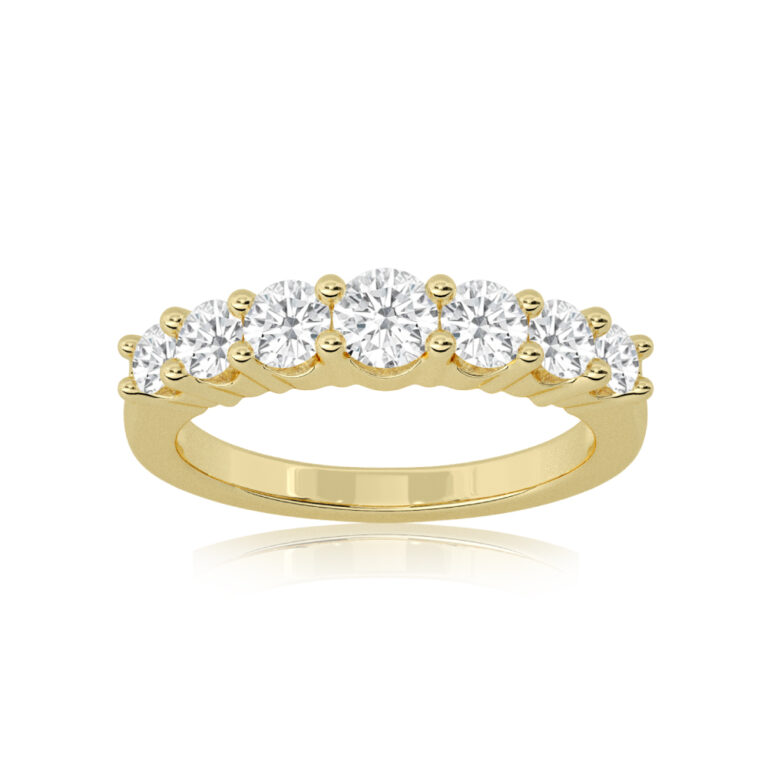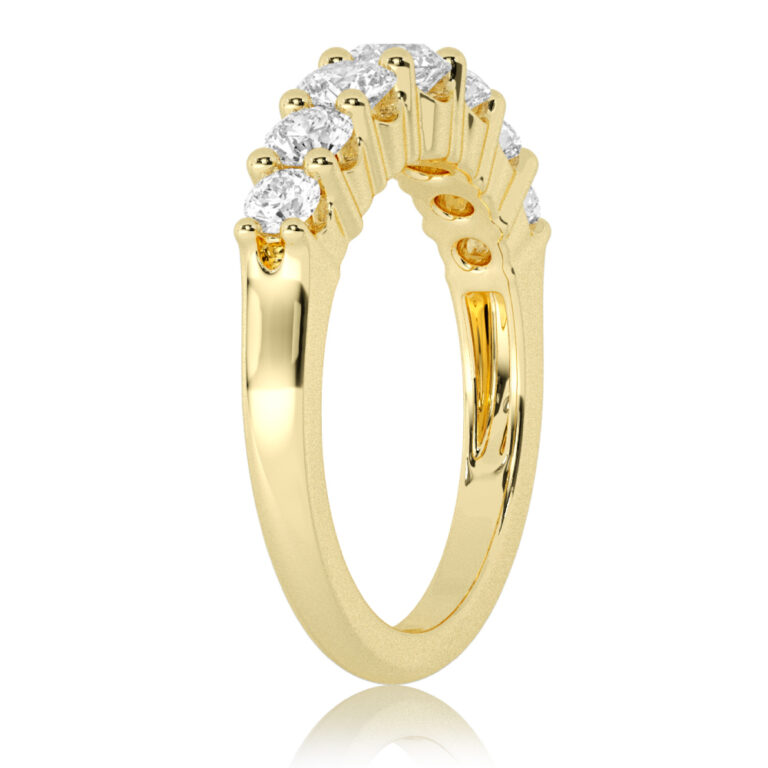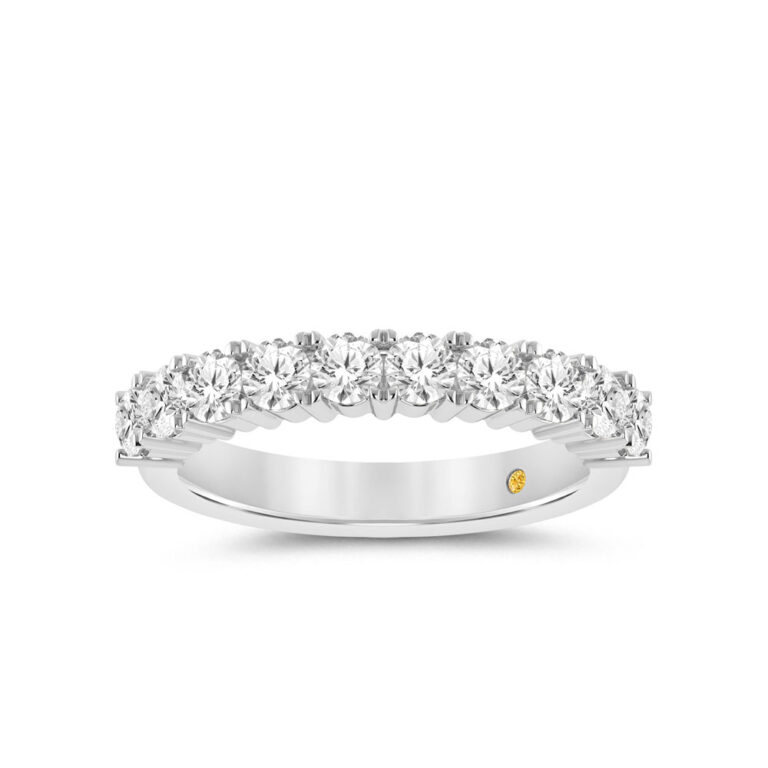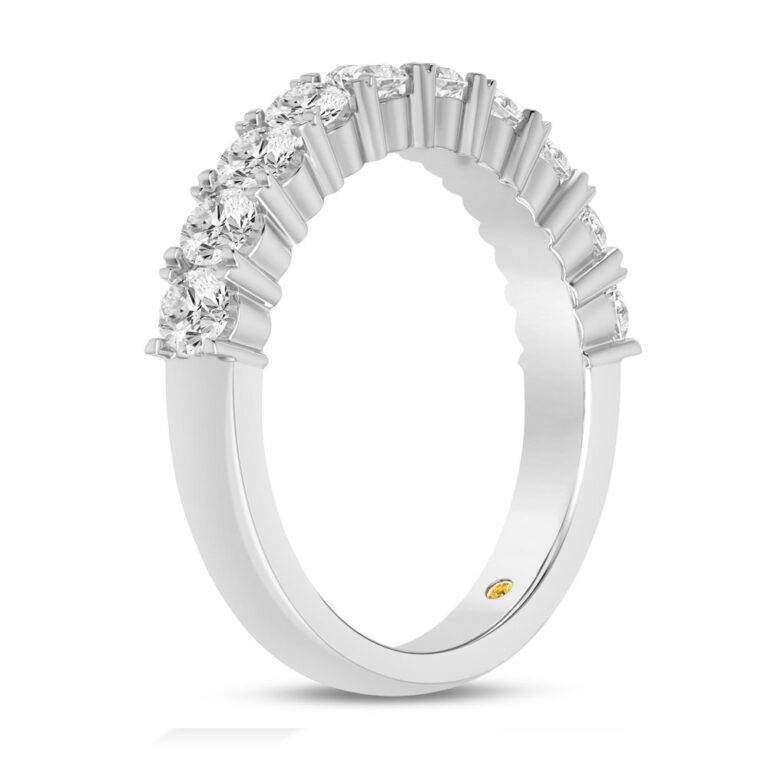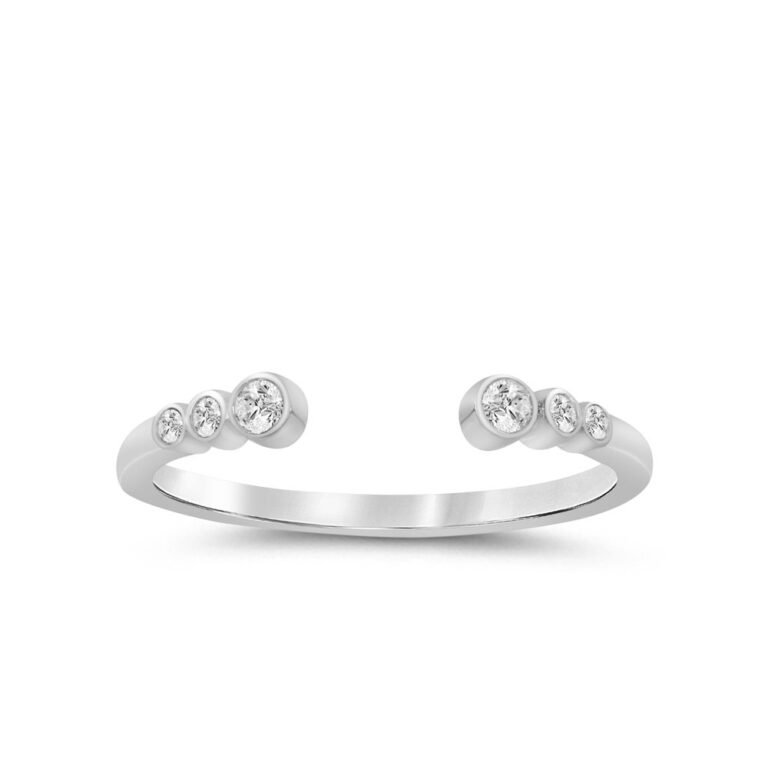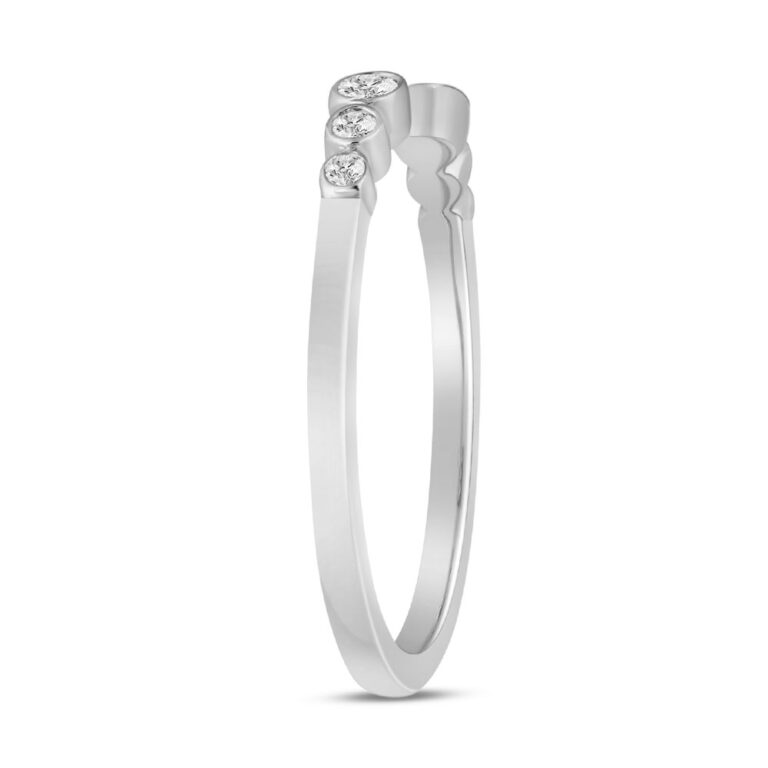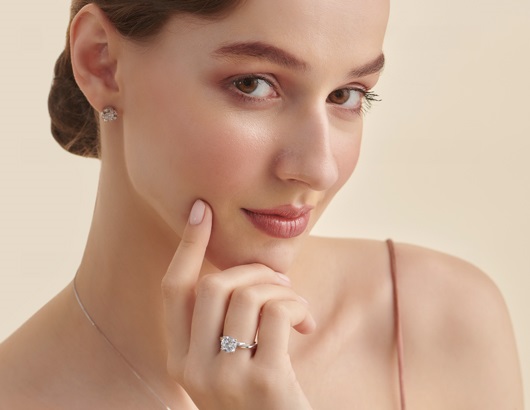
Buying an engagement ring is one of the most high-stakes purchases of your life. It can easily feel scary and confusing for most buyers. When choosing lab grown diamond rings, you want a piece that combines true luxury with smart value.
For over 35 years in the jewelry trade, I have watched couples struggle. They struggle to balance their big dreams with their real budgets. Coming from a third-generation diamond family, I know exactly what makes a ring secure. I know what makes it truly special. I want to share my deepest insider knowledge so you can make a choice you will love forever.

Why Are Lab-Grown Diamonds the Smarter Choice for Modern Couples?
Lab-grown diamonds offer the exact same chemical and visual features as mined diamonds. However, they come at a much lower cost. Over my three decades of crafting fine jewelry, I have seen many market shifts. I have never seen a shift quite as exciting as this one.
Because of this scientific breakthrough, you no longer have to settle for a smaller stone. You do not have to accept a lower-quality stone. As a result, that outdated “three-month salary” rule is completely dead. Today, my clients looking for affordable engagement rings can get the most out of their budget. They can buy a stunning two-carat center stone. This costs the exact same price as a one-carat mined diamond.
Therefore, they can invest those massive savings into premium, heavy gold settings. These heavy mountings will actually last a lifetime. Making the transition to modern, sustainable bridal jewelry allows couples to get the most from their buying power. They secure an exceptionally designed piece at the same time.
Where does that extra money go? Many buyers naturally want to push the carat weight even higher. However, true insiders shift those funds into structural solidness. Investing in a superior custom mounting makes a lifelong family treasure.
A massive stone looks ridiculous on a flimsy band. Thin bands warp easily under daily pressure. By choosing a lab-grown stone, you gain great financial freedom. As a result, you can order thicker, hand-forged metal mountings. You can also afford high-tier accent stones.
Eliminating Ongoing Ownership Costs
The second major advantage couples realize down the road involves insurance. High-premium natural diamonds carry huge yearly insurance costs. These recurring fees turn a symbol of love into a financial burden.
Because lab-grown technology provides an affordable replacement value, ongoing costs drop fast. This allows you to wear your jewelry daily with complete peace of mind. You do not have to lock your love story away in a safety deposit box. So, your ring becomes a practical joy rather than a stressful burden.
How Does the Quality of Lab-Grown Diamonds Compare to Mined Stones?
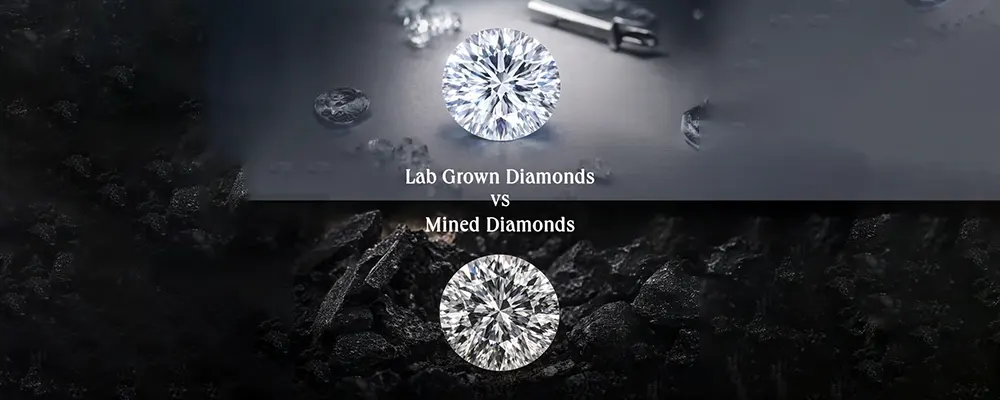
The quality of a lab-grown diamond is totally identical to a natural diamond. It is graded on the exact same strict scale. Sitting at my inspection bench, I use my father’s old jeweler’s loupe.
I look through it and cannot tell any difference. Spotting the difference requires highly advanced laboratory gear. While this is a fun fact for experts, it offers you a vital guarantee. You are getting a real diamond, not a cheap fake.
To achieve this authentic look, scientists recreate natural conditions. They use intense heat and pressure inside a controlled room. According to the Gemological Institute of America (GIA), these stones possess identical features. Their chemical makeup and crystal build perfectly match natural geological pieces. Because the origin is the only difference, the fire and hardness remain exactly the same. The brilliance and sparkle match perfectly as well. When choosing lab grown diamond rings, this fact alone gives modern buyers total peace of mind.
Every single optical feature—from the 2.42 light-bending index to the unmatched Mohs hardness rating of 10—is perfectly mirrored because the underlying carbon grid is identical.
Understanding HPHT and CVD Creation Methods
Clients looking at my inventory always ask if all creation methods are identical. The short answer is no. Understanding the creation process helps you beat big corporate retailers. There are two primary creation methods. These methods are High Pressure High Temperature and Chemical Vapor Coating.
The first method uses massive mechanical presses. These machines subject a carbon seed to extreme air pressure. Molten metal helpers drive this rapid growth. As a direct result, poor-quality stones can occasionally show a faint metallic flaw pattern. They may also show a distinct blue hint under specific lighting.
Exposing the CVD Post-Growth Treatment Trap
This brings us to a hidden trap that legacy online retailers hide. They frequently use the post-growth treatment shortcut. CVD diamonds grow inside a vacuum chamber using a methane plasma cloud.
The machine deposits carbon layer by layer. Many mass-production factories speed up this growth cycle to cut costs. So, the diamond grid often develops internal structural graining. It also develops an ugly, muddy brown tint. To fix this, corporate brands use a secondary heating cycle.
They use high pressure to artificially bleach out the brown hue. As a result, these treated stones look hazy. They completely lose their crisp clearness under a loupe. At La Joya Jewelry, I deliberately reject these treated stones. I select only pure, as-grown pieces for our clients.
What Are the Best Gold Settings for Lab-Grown Diamonds?
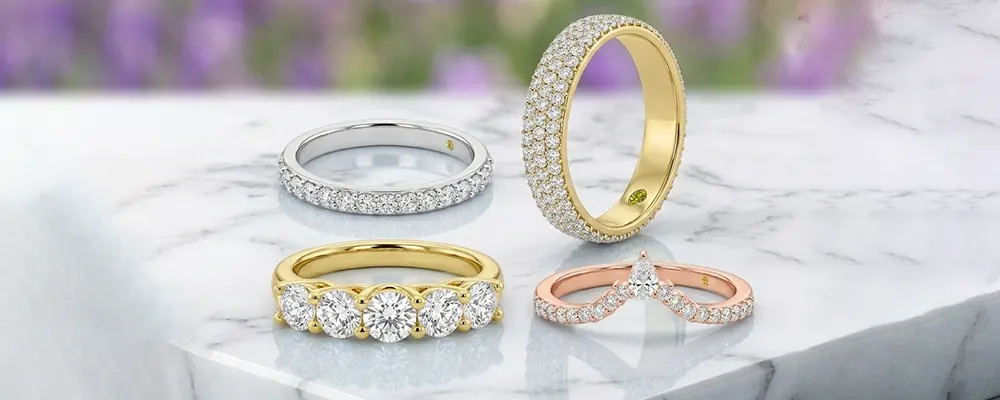
The most secure settings use solid gold. You can choose 10k, 14k, or 18k white, yellow, or rose gold. Through my family’s history, we learned an important lesson early on. A breathtaking diamond is worthless if the metal cannot hold it safely. As an added bonus, gold offers the perfect balance of strength. It provides lasting beauty for daily wear.
For example, a high-toughness pave engagement ring setting using 14k gold fights daily scratches. It is highly resistant to bending. Because of this high toughness, it remains our most popular choice. It perfectly suits busy couples who work with their hands. In contrast, 18k gold offers a richer, deeper color. It suits those who want a softer, heritage look.
This richer makeup is magnificent for detailed vintage style engagement rings. It also elevates historically inspired diamond art deco engagement rings. Choosing the right foundation is absolutely critical. We cover this extensively in our master guide on popular diamond settings to band types.
Gold Purity and Durability Comparison
| Metal Type | Gold Purity | Best For | Durability Level |
| 10k Gold | 41.7% | Tight budgets & maximum strength | Very High |
| 14k Gold | 58.3% | Everyday wear & active lifestyles | High |
| 18k Gold | 75.0% | Premium luxury & vintage looks | Medium |
Avoiding the Corporate Metal-Scrimping Trap
When checking these metals, you must avoid a major hidden trap. Corporate big-box online retailers practice a tricky metal-cutting corners trap. They want to make their prices look unbelievably low on a screen. Therefore, these giant corporations shave down the sizes of the ring’s band. They reduce the band to a fragile 1.3mm or 1.5mm thickness.
Before selecting your precious metal mix, reviewing an expert guide on how to choose the perfect gold wedding ring is essential. This look appears delicately modern in heavily edited studio photographs. However, it is a structural disaster at the jeweler’s bench.
Under daily pressure, a 1.3mm band will warp from a circle into an oval. Simple actions like gripping a steering wheel cause this damage. So, the metal seats holding your diamonds bend. Your costly accent stones will pop out and disappear completely. Because of this reality, I enforce strict bench minimums. All our everyday bands feature a 1.8mm width and 1.8mm thickness.
Engineering Prong Security and Head Architecture
The second critical architectural follow-up you must check is prong security. You must check the head engineering carefully. A massive two-carat lab diamond puts significant pressure on the ring structure. Your setting might feature a simple four-prong head without a structural gallery rail. This rail is the horizontal metal band wrapping midway around the prongs.
Without it, a single accidental snag on a sweater can pull a prong away. The stone will instantly become loose. For larger lab-grown center stones, I always counsel my clients carefully. I advise them to use a strong six-prong setup.
Alternatively, they can select a reinforced four-prong setting with a hidden halo engagement ring build. A solid gallery rail works beautifully as well. This structure ensures your stone remains completely locked in place during an impact. To balance styling with comfort, it is also helpful to review our analysis of low-set vs high-set engagement rings.
What Are Common Pitfalls When Buying Lab-Grown Diamonds?
A common mistake buyers make is ignoring the cut grade. The cut controls exactly how much light the diamond reflects. I constantly warn clients in my office about this issue. Buying a massive stone with a poor cut leaves you with dull glass. Therefore, you must always put the cut first above all other traits. This ensures maximum sparkle for the wearer.
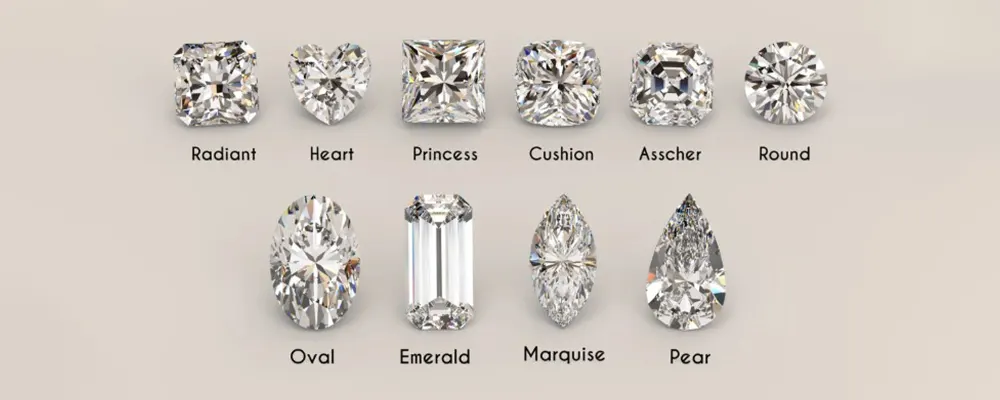
It is vital when exploring beautiful solitaire diamond engagement rings for women. For instance, fancy shapes like ovals often suffer from a dark shadow. This ugly shadow is known as the “bow-tie effect.” It occurs if the diamond is cut too deep.
Similarly, understanding how pear diamond cut quality determines brilliance prevents mistakes. It stops you from purchasing an imbalanced stone. Likewise, sharp styles like the princess cut can chip easily. This happens if the gold prongs do not fully cover the delicate corners. By keeping these hidden traps in mind, choosing lab grown diamond rings becomes safe. It becomes a very joyful process for couples.
Demanding Detailed Sarin Analysis Reports
To truly protect yourself from these mistakes, take a technical follow-up step. You must demand a complete Sarin analysis report. Do not blindly trust a basic grading certificate. Major laboratory certificates give an overall “Excellent” cut grade based on broad averages. However, true diamond beauty lives in hyper-specific sizes.
It depends on the relationship between the crown angle and bottom part angle. For example, look at a round brilliant cut diamond. You want a crown angle strictly between 34 and 35 degrees. This must pair perfectly with a bottom part angle of 40.6 to 41 degrees. If these angles differ by even half a degree, light leaks out. The light escapes through the sides instead of reflecting back to your eyes.
Protecting Vulnerable Diamond Shapes
The second common oversight is ignoring structural weaknesses of specific shapes. A beautiful princess, pear, or marquise cut possesses razor-sharp corners. The carbon crystal structure stops at its thinnest point here.
If a jeweler sets these shapes using standard round prongs, trouble comes up. The exposed tips remain highly vulnerable to impact. A simple knock against a granite countertop can instantly shatter the corner.
As a result, you must look closely into the meanings and build characteristics of specific diamond shapes. You must insist on V-shaped prongs. Specialized bezel corners also completely enclose these delicate edges in solid gold. This step protects your investment from unexpected heartbreak.
Our Commitment to Craftsmanship
Ultimately, true luxury is about unmatched quality, lasting value, and absolute trust. At La Joya Jewelry, we craft every single ring carefully. We meet the highest standards of our proud family legacy.
Perhaps you want to purchase standard lab grown diamond engagement rings. Alternatively, you may want to design your own engagement ring from scratch. Our master jewelers ensure perfection at every bench exchange.
We firmly believe that choosing lab grown diamond rings is the smartest decision. It lets you start your new life together beautifully. You can do this without draining your hard-earned savings. Your unique love story deserves a ring that shines brightly. It must excel both in beauty and in pure conscience.
Hand-Forging vs. Automated Mass Production
When you work with our family legacy, you notice a clear difference. We absolutely refuse to use mass-production assembly lines. Most corporate giants use machine-made casting houses. These facilities pump out thousands of identical ring mountings daily.
So, this process results in brittle metal. The metal becomes full of microscopic tiny bubbles. Our master jewelers hand-forge each setting individually at the bench. This intensive process successfully squeezes the gold molecules. It directly maximizes the metal’s density. As a result, your prongs remain stiff and tough. They remain solid over decades of daily wear.
Verification and Deep Technical Education
Finally, we ensure total transparency through physical checking as we walk you through a detailed viewing of your exact stone. We use a 10x magnification loupe before setting the diamond. We clearly map out the diamond’s internal characteristics together.
This process shows you exactly how to verify its unique laser writing. You can read the registry number clearly. This deep level of personal, technical education protects you. It ensures you are never treated like a basic corporate deal.
Knowing how to clean an engagement ring properly preserves this crisp look forever. For those looking to browse, you can review La Joya Jewelry’s signature custom collections to find your ideal setup, or click here to learn more about our stunning eco-friendly options. So, you receive an elite, bench-level experience. Corporate online storefronts simply cannot copy this personal care.