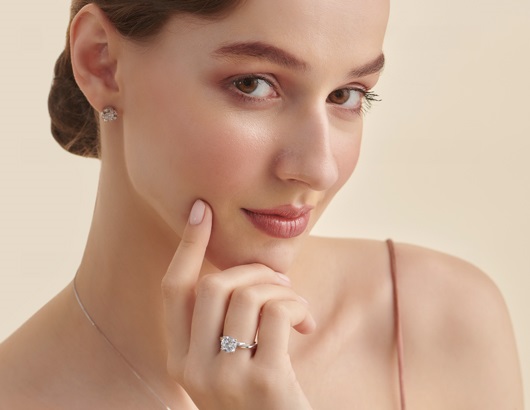
Selecting the ring that marks the beginning of your life together is a profound milestone. While navigating the vast array of options can often feel overwhelming, learning how to pick an engagement ring should be a seamless, guided experience rather than a stressful endeavor.
In my 35 years of manufacturing fine jewelry within a third-generation diamond family, I have guided thousands of partners through this exact process. When clients sit in my office, we cut through the noise of mass-market online brands to focus on true, lasting value.
By choosing a premium stone from La Joya’s lab-grown diamond engagement rings collection, you make an intelligent, modern choice that honors your love without compromising on high-end craftsmanship.
How Do You Determine the Best Diamond Shape and Style?
The best diamond shape is the one that matches your partner’s taste while fitting the exact physical proportions of their hand. Because the silhouette dictates the architectural tone of the entire piece, selecting the shape is always the first step I take with clients who wish to custom design their own engagement ring.
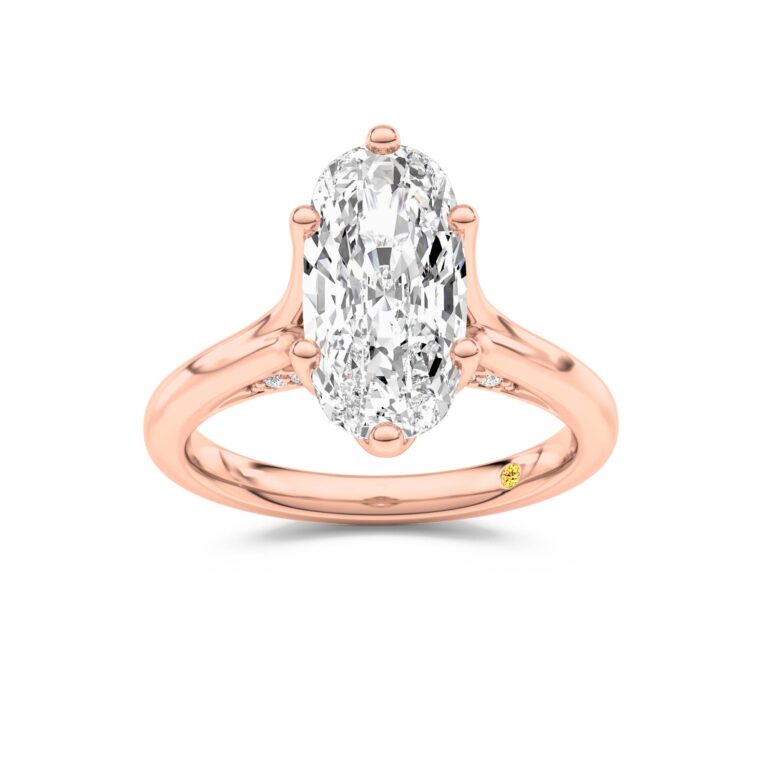
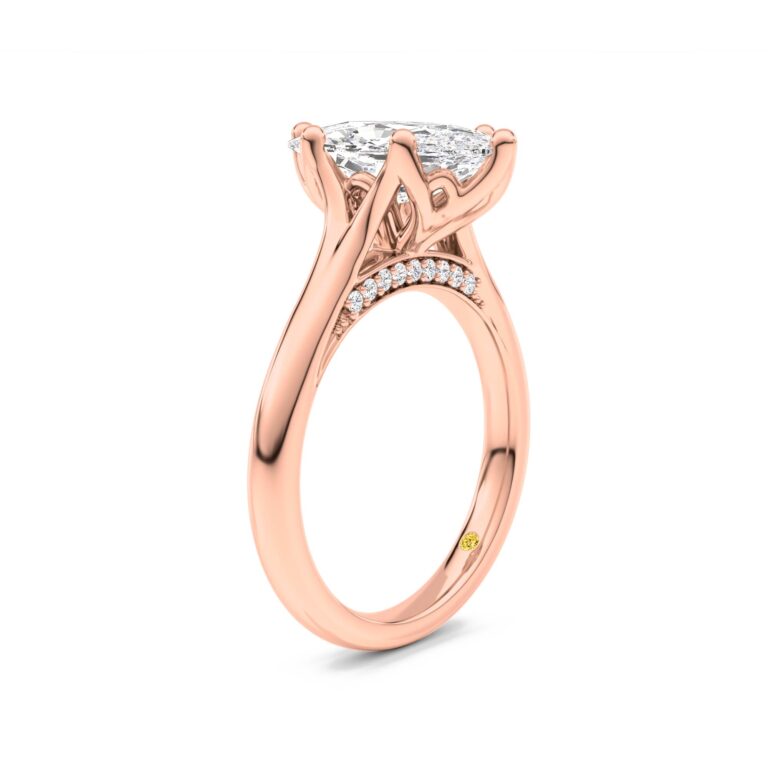
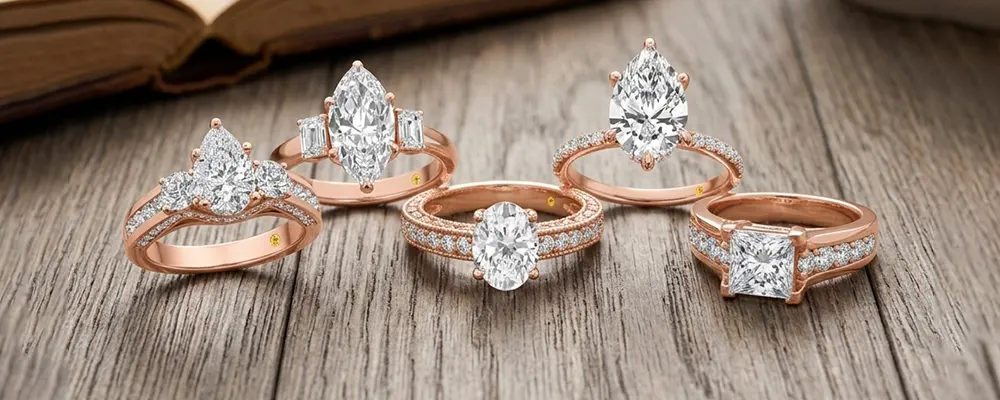
Over my three decades in the industry, the round brilliant has remained the ultimate standard for classic sparkle—a dynamic we cover extensively in our comparison of round versus oval engagement rings. However, elongated shapes like ovals and pears have surged in popularity due to their ability to beautifully flatter and visually lengthen the finger.
Because these cuts carry more of their mass on the surface, they offer a significantly larger visual footprint than a round stone of the exact same carat weight. If you do choose an elongated shape with delicate tips, such as a pear, you must ensure that premium look is safely engineered by protecting the vulnerable points with solid metal V-prongs
How Does Band Thickness Affect Ring Lifespan?
A band thickness of at least 1.8 millimeters prevents the ring from bending or losing stones during daily wear.
Major online brands often push ultra-thin 1.5-millimeter bands because they make the center stone look massive in marketing photos. However, I frequently explain to clients why this ultra-thin trend presents a severe structural risk.
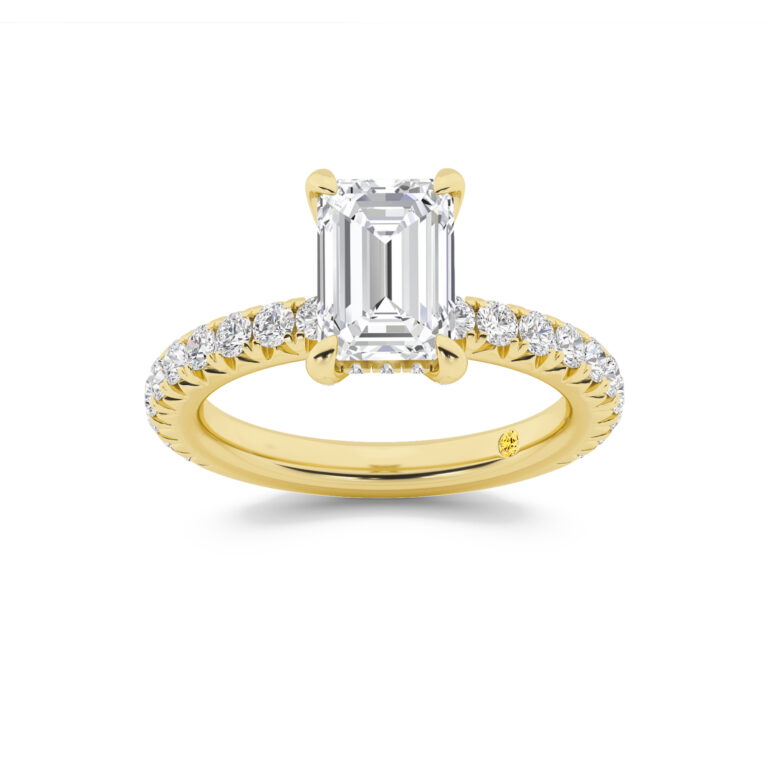
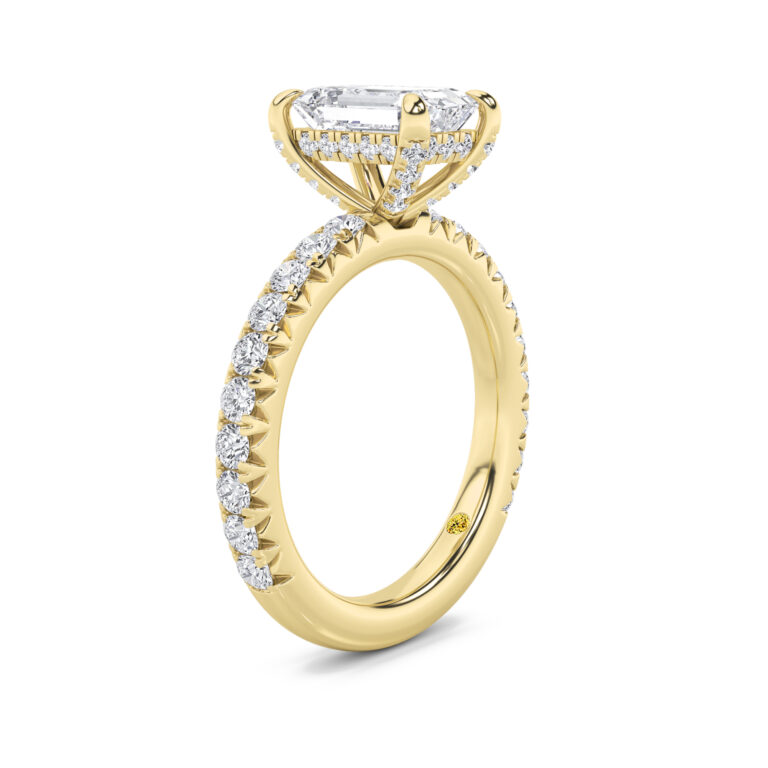
Because gold alloys possess natural malleability, a 1.5-millimeter band can easily warp during normal wear. This bending compromises the holding prongs and places your center stone in jeopardy—a vulnerability that requires especially careful engineering if you are drawn to the delicate aesthetic of a pavé engagement ring setting

Why Do Metal Colors Change the Perceived Diamond Color?
The color of a gold setting reflects directly into the base of the diamond, causing the stone to take on a slight tint of that metal. Because diamonds act like tiny mirrors, the metal color you pick dictates how much you should spend on stone color grades.
Over three decades of grading stones, I have learned a trade secret that large retail stores will never tell you. If you pick a warm yellow or rose gold band, setting a pure white, top-tier diamond inside it is an an inefficient use of your budget. While this is true, a slightly lower-color lab-grown stone will look perfectly bright against warm gold, maximizing your design budget.
As an added bonus, you can then use those saved funds to buy a much larger, more impressive carat size.
Why Is Diamond Cut More Important Than Carat Weight?
A diamond’s cut grade—carefully evaluated by independent laboratories like the International Gemological Institute (IGI)—is the main driver of its light action, which tells you exactly how bright the stone will sparkle. While many buyers first look at carat weight, a badly cut heavy diamond will always look dull and dark. I show clients in my office that a premium cut bounces light so perfectly that it can even hide small flaws.
A premium cut refracts light so efficiently that it can even mask minor internal inclusions. Ultimately, prioritizing an exceptional cut is the true secret to picking an engagement ring that commands attention in any room, whether it is set in a sleek minimalist solitaire engagement ring or framed by an eye-catching diamond halo.

What Is the Bow-Tie Effect in Fancy Diamond Shapes?
The bow-tie effect refers to a dark shadow running across the center of elongated diamond shapes, caused by suboptimal light refraction. While a faint shadow is a natural, expected characteristic of these silhouettes—a structural nuance we explore deeply in our guide to the best pear shaped engagement ring settings—a prominent, harsh bow-tie indicates a compromised cut that leaks light.
I meticulously check for this specific optical flaw when hand-selecting stones for our private stock. To avoid this dark band, you must prioritize an expertly engineered cut where the facets are perfectly angled to distribute brilliant light evenly from tip to tip.
What Are the Best Diamond Proportions for Different Hand Sizes?
The best diamond proportions create a balanced visual effect by matching the stone’s length and width to the wearer’s fingers. Because every human hand is entirely unique, matching the physical stone to the finger is a vital step when deciding to customize engagement rings. The right size choice makes both the ring and the hand look much more elegant. Use the following guide to understand these simple rules.
| Hand Profile | Recommended Carat Range | Best Length-to-Width Ratio | Visual Benefit |
| Petite Fingers | 1.00 ct – 1.50 ct | 1.45 – 1.50 | Elongates the finger cleanly without looking bulky. |
| Average Hands | 1.50 ct – 2.50 ct | 1.50 – 1.60 | Provides ideal finger coverage and a bold balance. |
| Long Fingers | 2.50 ct – 3.50 ct | 1.60 – 1.70 | Fills the vertical space nicely for a high-end impact. |
| Wide Fingers | 2.00 ct+ (or Halo) | 1.40 – 1.50 | Offers better horizontal side coverage to slim the finger. |
How Does the Ring Setting Protect the Center Stone?
The ring setting acts as a strong physical base. It keeps the diamond safe while showcasing the ring’s overall aesthetic style. The center stone naturally gets the most attention. However, the setting’s architecture is what truly makes the ring last a lifetime.
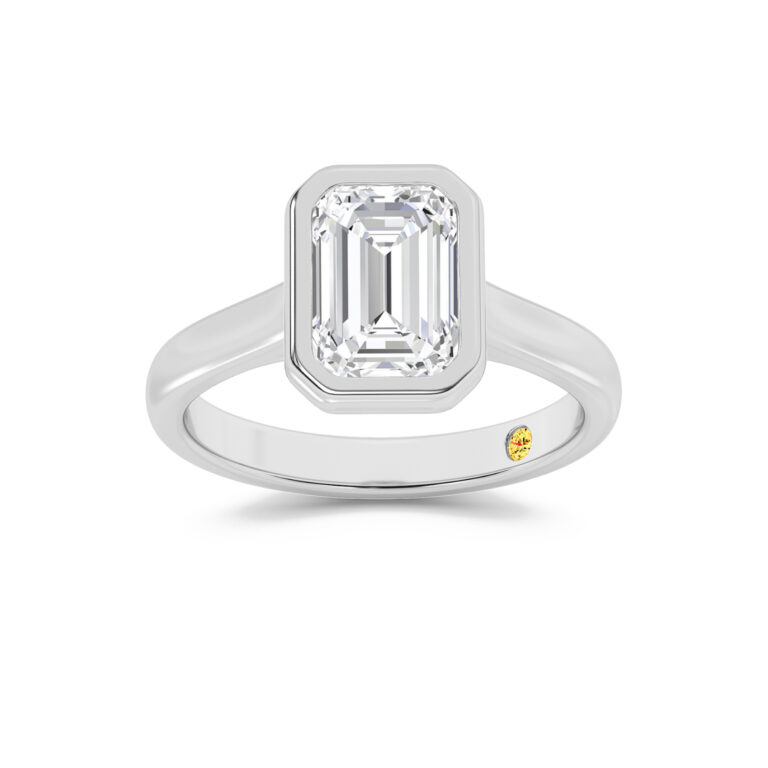
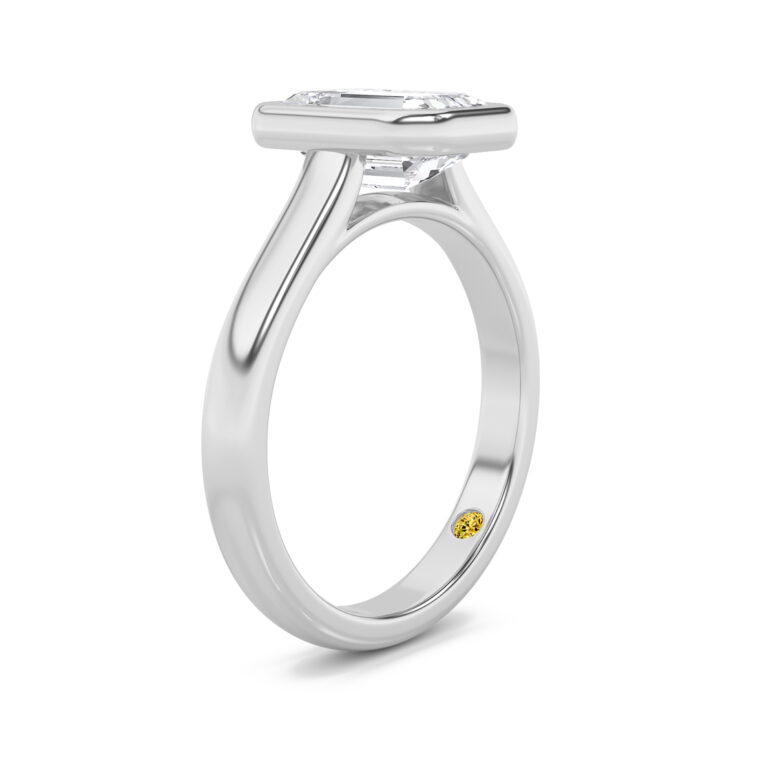
Consider a full bezel setting, for instance. This design is a hallmark of many antique style engagement rings. It wraps the entire outer edge of the stone in solid metal. This specific wrap provides the absolute best defense. It is the perfect choice for someone who leads an active lifestyle or works hard with their hands.
Conversely, a classic cathedral solitaire engagement ring uses high metal arches to lift the diamond straight up. This lift makes the stone look bigger but leaves the sides a bit more exposed to hard knocks.
Conclusion
Building the perfect ring requires exact harmony. It balances a brilliantly cut diamond with a highly secure, structural setting. Ultimately, knowing how to pick an engagement ring empowers you. It allows you to navigate these choices with absolute confidence.
You might be drawn to a stunning single diamond engagement ring. Perhaps you prefer a deeply symbolic three diamond engagement ring. Regardless of the style, selecting a premium lab-grown diamond is a smart, modern choice. Setting that stone in thick, high-quality gold truly honors your lasting commitment.
At La Joya Jewelry, our deep family history guides our work. We ensure every single piece we craft delivers true, generational value.