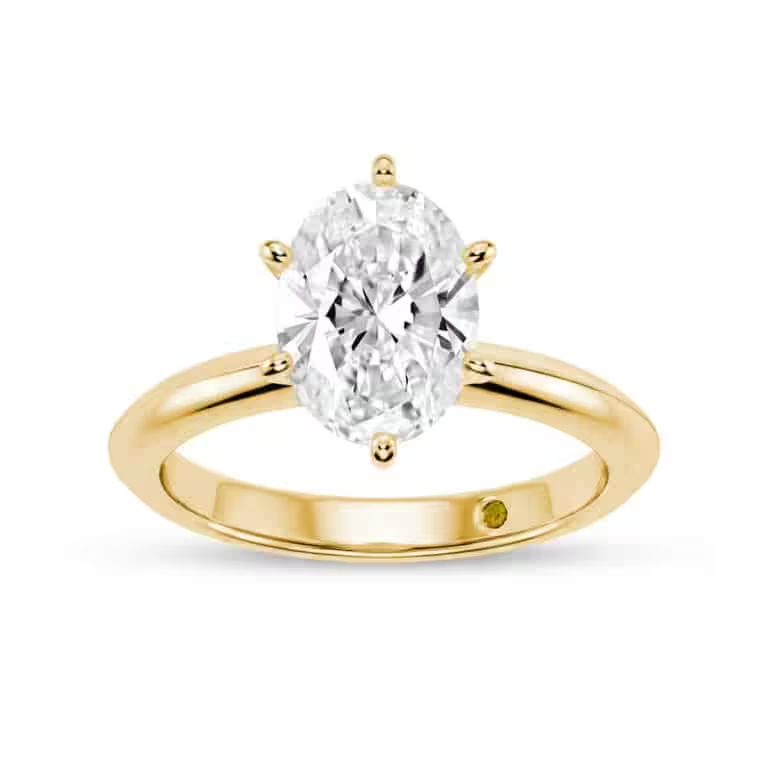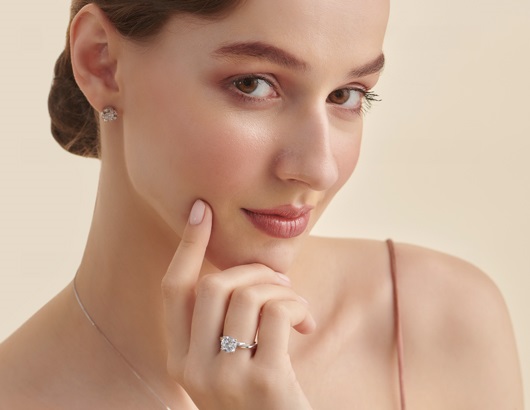
Balancing emotional meaning and top craftsmanship can feel completely overwhelming. Many modern couples face huge pressure when trying to find a truly conflict-free center stone. This truth explains why choosing ethical engagement rings is the modern standard for proposals.
By looking past old industry marketing, you can secure an exceptionally brilliant lab-grown diamond engagement ring. This smart choice removes the historical baggage of traditional diamond sourcing. It also lifts the actual quality of the luxury jewelry you wear every day.
How Do Lab-Grown Diamonds Reduce Environmental Impact?
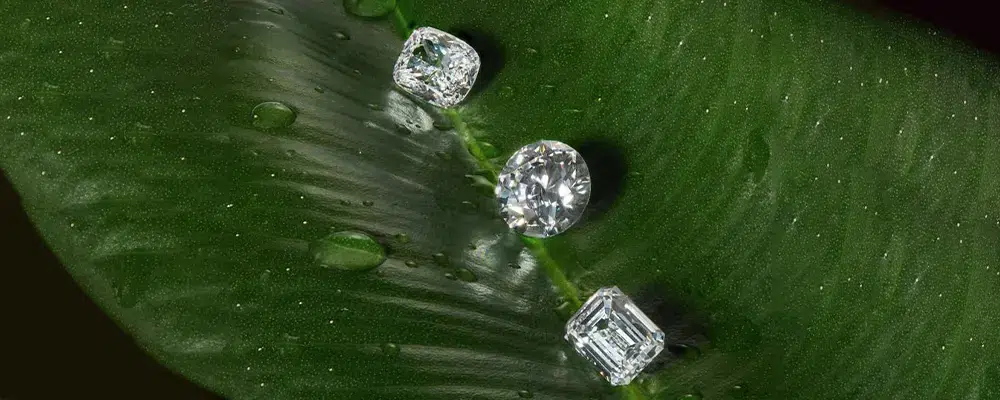
Lab-grown diamonds require zero open-pit mining. This practice reduces land movement by over ninety-nine percent. It also cuts fresh water use by nearly eighty-five percent per carat.
So, over my 35 years of making fine jewelry, I have watched our sourcing shift entirely. We now use these sustainably grown gems completely. They stop the deep earth scars left behind by heavy earth-moving machines.
This dramatic drop in physical damage ensures your fine jewelry protects natural spaces. It stops the ruining of local wild areas.
To achieve this look without environmental guilt, our master workers handle these stones carefully. We apply the same strict standards used for family treasures for three generations. As a bonus, the controlled lab space stops dangerous mining risks. There is no toxic mining runoff ruining local water supplies.
The Reality of Trackable Diamond Origin Reports
Buyers must look closely at origin tracking. Many large corporate brands use the word ethical as a loose marketing term. They cannot tell you which specific lab produced your diamond.
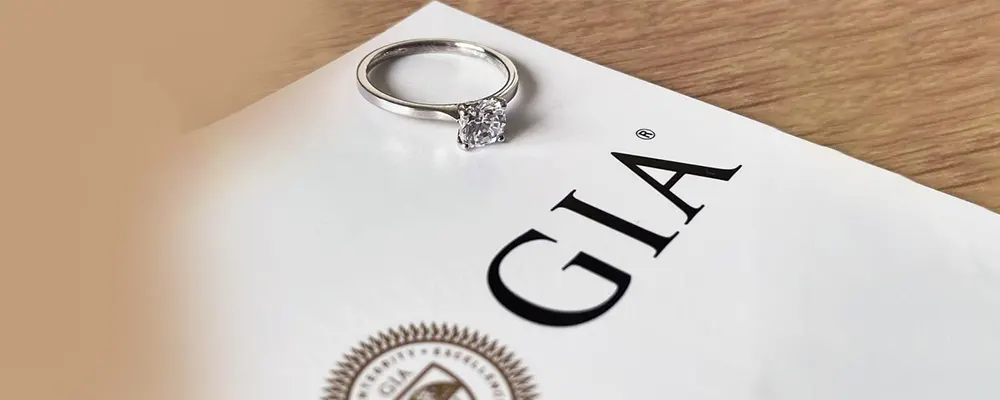
To solve this problem, we look through our bench loupe at the laser writing. We check the unique registry number on every single gemstone grid. So, we promise a one hundred percent conflict-free origin chain, a standard of honesty pushed by global groups like the Gemological Institute of America (GIA).
This process ensures your diamond never funded regional wars or human pain.
Demanding Certified SCS-007 Sustainability Ratings
You should look for a specific technical standard. True environmental protection requires an official SCS-007 certification report. This independent check measures the entire life cycle of the diamond crystal.
It tracks silver-rated or gold-rated earth-friendly numbers accurately. Many factories claim to be green but hide their actual carbon outputs. As a result, demanding this paperwork protects you from corporate tricks.
You receive a guaranteed clean diamond with a completely transparent history.
The Environmental Footprint of Diamond Polishing Paste
The cutting and polishing process also carries environmental impacts. Traditional cutting shops use harsh oil-based pastes to polish diamond faces. These chemical pastes create dangerous waste that requires special disposal.
In our clean modern workshops, we use an eco-friendly water-based diamond powder paste. This mix achieves a mirror-like finish safely. So, our polishing process protects both the workers and the local environment from chemical exposure.
Learning how to clean engagement ring settings safely at home also adds this eco-friendly mindset to your daily care routine.
Why Is Solid Gold the Right Metal Choice for Sustainable Rings?
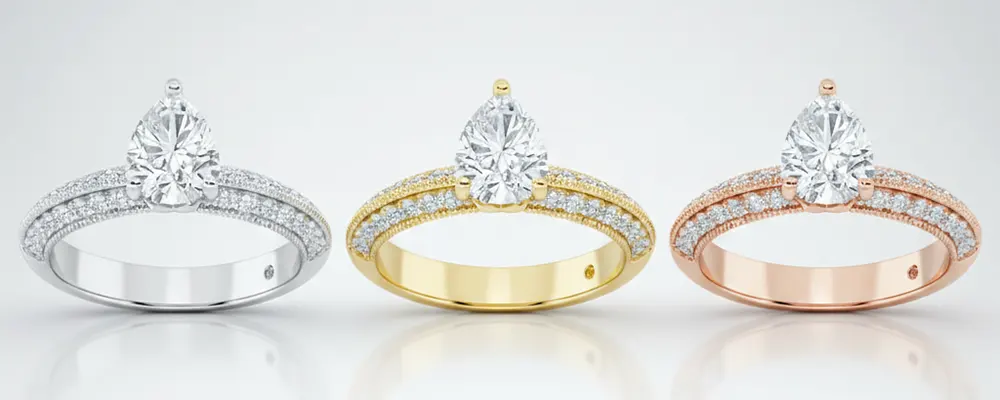
Solid gold in 14k or 18k offers the ultimate material mix. It provides build toughness and endless recycling for fine jewelry settings. In my role as a third-generation jeweler, I always advise clients carefully on how to choose the best gold for engagement rings.
Choosing high-quality gold ensures their treasure can be polished or resized safely for decades. It can be reused without losing its core monetary value. Because of this built-in strength, a top setting securely holds a bright center stone. It maintains its clean, shiny finish through decades of heavy daily wear.
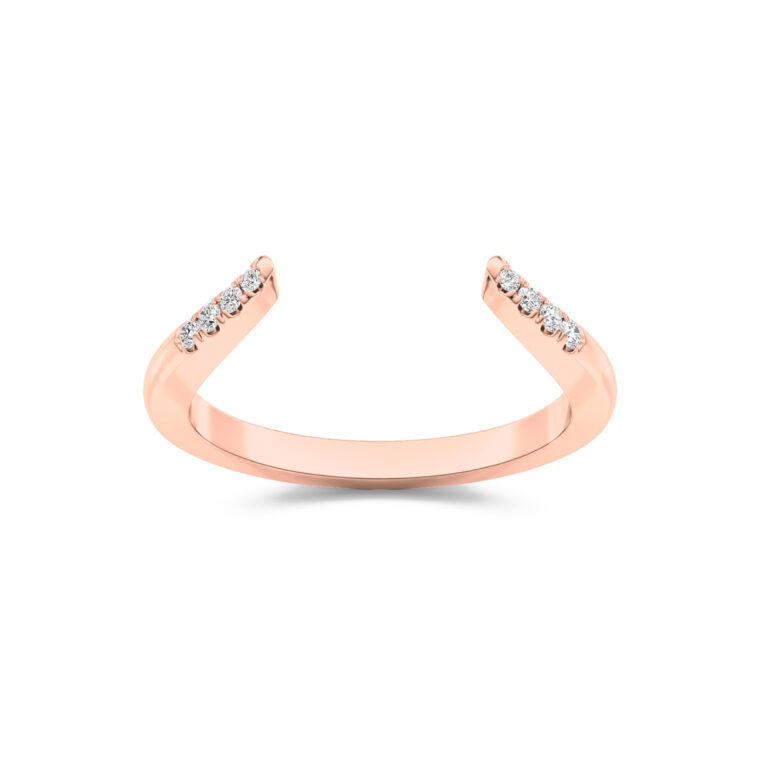
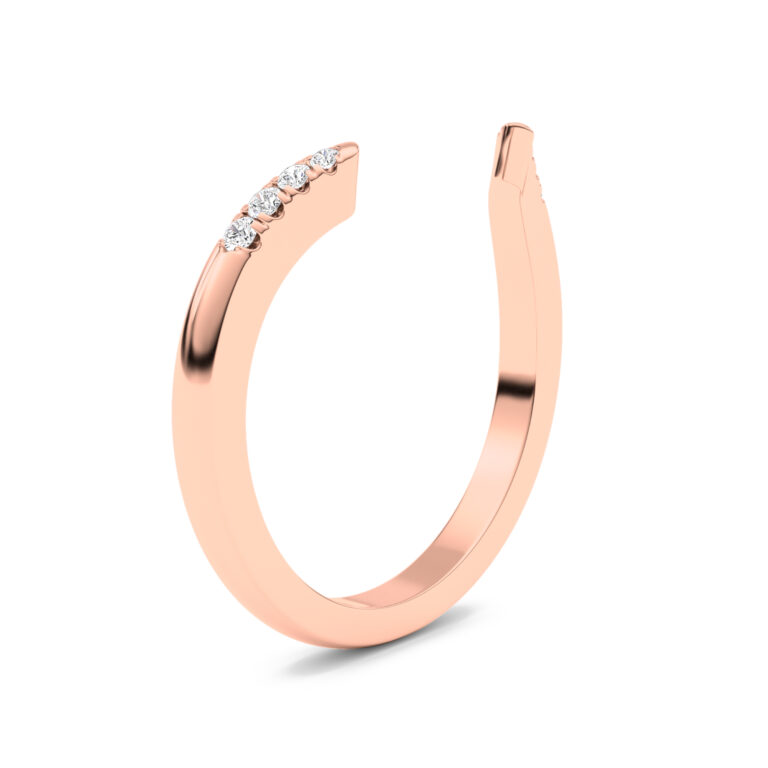
When clients ask me why choose ethical engagement rings over traditional options, I point directly to the metals. These modern diamonds pair beautifully with recycled gold mixes to create earth-friendly luxury. While this is true for timeless classic engagement ring styles cast in yellow gold, rose gold provides a stunning option. It remains incredibly strong against scratching or bending during everyday activities.
Eliminating the Toxic Rhodium Plating Loop
Standard white gold rings require a hidden care process. Retail jewelers coat standard white gold with a metal called rhodium. Rhodium gives the ring a bright, ice-white surface finish.
However, rhodium is a heavily mined platinum-group metal. Pulling it out causes severe environmental damage to local lands. Also, this thin coating wears off every two years. So, you must constantly dip your ring in toxic chemical baths to bring back the color.
The Luxury Alternative of High-Palladium White Gold Mixes
We solve this environmental issue at our casting benches. We mix our pure gold with a top high-palladium mix instead of standard nickel. Palladium naturally bleaches the gold to a beautiful, lasting white color.
As a result, our white gold pieces—including those from our vintage-inspired engagement rings collection—never require toxic rhodium coating. The metal stays bright white forever without regular chemical care. This build choice protects the planet from unnecessary chemical processing. It also saves you thousands of dollars in long-term care fees.
The Metal Working of Seamless Recycled Sizing Bars
Using recycled gold requires expert metal knowledge. Melted gold can hold tiny dirty spots if cleaned poorly. These dirty spots create brittle spots inside the wire build.
So, a poorly cast band can crack when resized later in life. We use advanced grain-smoothing methods during our custom design engagement ring casting process. This step guarantees the molecular build remains completely even.
Your recycled gold band will stay strong through future generations of wear.
How Do Mined and Lab-Grown Diamonds Compare Technically?
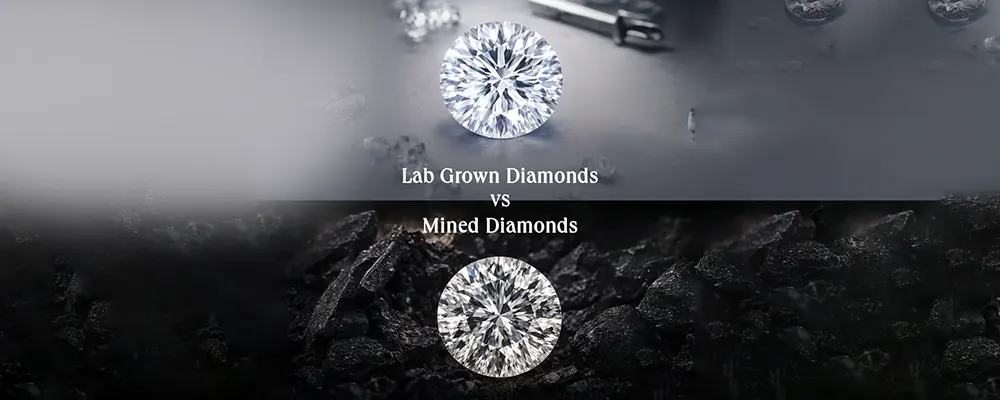
Lab-grown diamonds possess the same physical traits as mined diamonds. They share the same chemical and visual traits completely. They hold a maximum rating of 10 on the Mohs hardness scale.
Throughout my three decades in the diamond industry, I have guided hundreds of buyers. They are amazed to learn that experts cannot tell them apart with basic tools. A specialist requires advanced lab machinery to tell the difference between the two stones.
Understanding why choose ethical engagement rings also comes down to recognizing material quality. You are not giving up on brilliance or toughness at the workbench. Because of this build match, a lab-grown ethical engagement ring sparkles beautifully.
It shows the same fire and sparkle as an earth-extracted stone. To help you picture these technical matches, I have outlined the core numbers below.
Structural Metrics of Diamond Performance
Here is the direct comparison between both diamond types. These numbers show identical physical performance.
| Technical Attribute | Lab-Grown Diamonds (La Joya) | Traditionally Mined Diamonds |
| Chemical Composition | Pure Carbon Crystal | Pure Carbon Crystal |
| Mohs Hardness Scale | 10 (Maximum Durability) | 10 (Maximum Durability) |
| Refractive Index | 2.42 (Identical Brilliance) | 2.42 (Identical Brilliance) |
| Land Disturbance | Less than 0.1 sq. ft. per carat | Approx. 100 sq. ft. per carat |
| Water Usage | ~18 gallons (Closed-loop) | ~126 gallons per carat |
| Conflict Risk | 0% Guaranteed Trackable | Variable (Process gaps) |
As you can see from these numbers, the physical performance is completely identical. Because of this match, the modern buyer can confidently put environmental care first. You do not sacrifice the famous sparkle of a premium piece.
The Importance of Light Bending Numbers
Let us look at the physics of diamond fire. The light-bending index measures how light bends inside the carbon crystal build. Both stones share an identical measurement of 2.42.
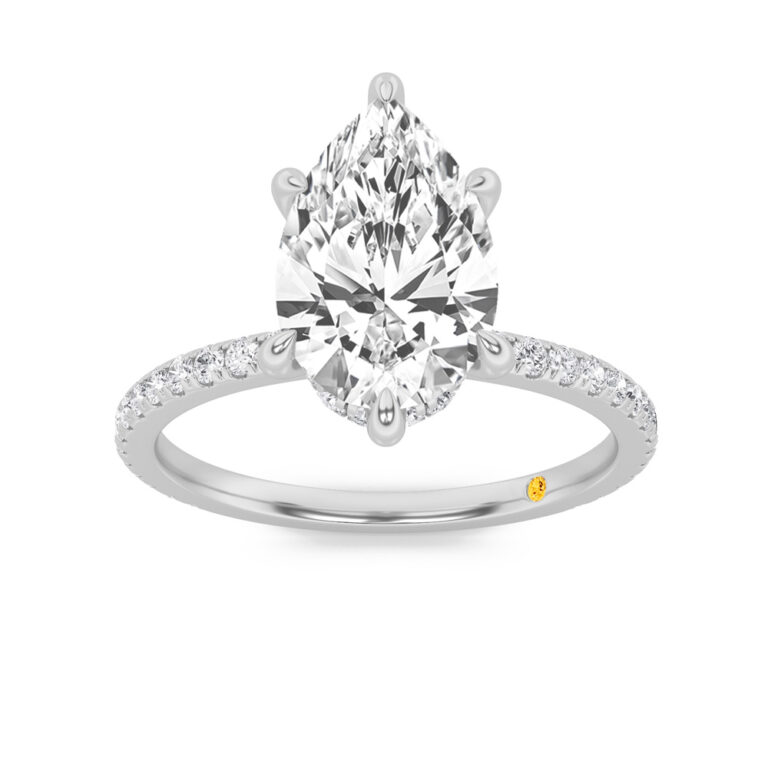
This means light travels at the same speed through both materials. So, the rainbow flashes of light look the same under a jewelry loupe. No human eye can spot a difference in everyday lighting spaces, which is exactly how pear diamond cut quality determines brilliance regardless of the stone’s origin.
Ask for Digital Sarin 3D Laser Mapping Scans
To prove identical physics, we rely on digital Sarin reports. A Sarin machine uses a 3D laser scanner to map the raw diamond. It measures the balance of every face down to the smallest bit.
Corporate retailers often skip this advanced testing to save on running costs. We provide full Sarin data for our top-tier ethical diamonds. This scan guarantees your diamond reflects light with perfect geometric exactness.
What Technical Content Gaps Should Buyers Watch Out For?
The bow-tie effect is a major visual flaw. It creates a dark, shadow-like patch across the center of certain diamond shapes. This issue affects ovals, pears, and marquise cuts heavily, as detailed in our guide on the benefits of pear-shaped diamond engagement rings.
It is caused by poor internal face alignment during cutting. In my professional experience, many online sellers hide these build flaws. They use basic grading reports to trick buyers. Unsuspecting buyers feel highly disappointed when their ring arrives in the mail.
To avoid this common trap, our master cutters adjust the face angles precisely. We watch the stone during the growing and polishing process. This care guarantees maximum light return across the entire stone surface.
Ultimately, realizing why choose ethical engagement rings means taking control of your purchase. You must demand technical excellence over outdated rarity stories.
Evaluating Ideal Crown and Pavilion Angles
You must check the specific cutting sizes of your diamond. For an ideal cut round diamond, look for a crown angle between 34 and 35 degrees. This angle must pair with a bottom angle of 40.6 to 41 degrees.
Corporate retail sites rarely share these deep technical details with buyers. If these angles are incorrect, light leaks out the sides of the stone. As a result, the diamond looks dull and lifeless. Exact mathematical sizes ensure your ethical stone beats traditional retail diamonds, allowing you to find the best value diamond engagement rings without sacrificing quality.
Understanding Internal Grid Strain Flaws
Cheap modern engagement ring diamonds can suffer from internal grid strain. This flaw occurs when the diamond grows too quickly inside the machine. It creates microscopic blurriness or a faint brown color tint inside the carbon.
Big online retailers often dump these low-quality stones during holiday sales. I check every crystal grid under a high-power microscope before setting it. We reject stones that show build strain patterns.
This strict quality check guarantees your diamond remains perfectly crisp and clear forever.
The Architecture of Four-Prong vs Six-Prong Ethical Settings
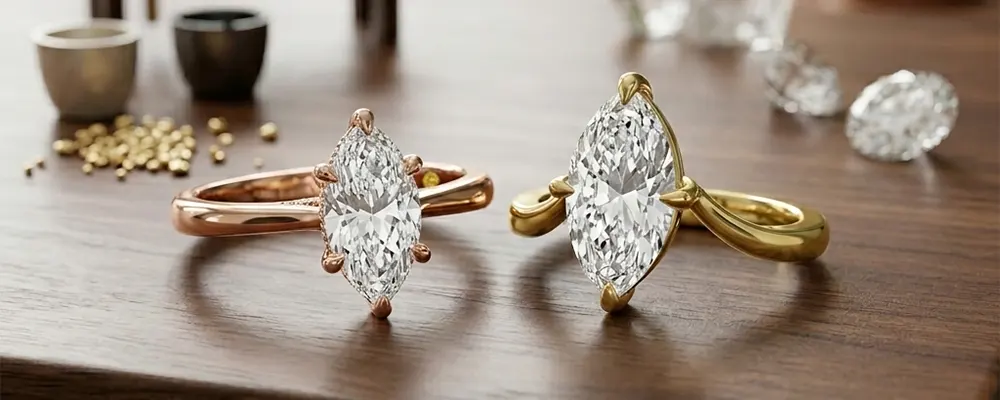
Prong selection changes both the look and security of your ring. A four-prong wire basket setting maximizes the viewing of your diamond. It allows light to enter the stone from all sides.
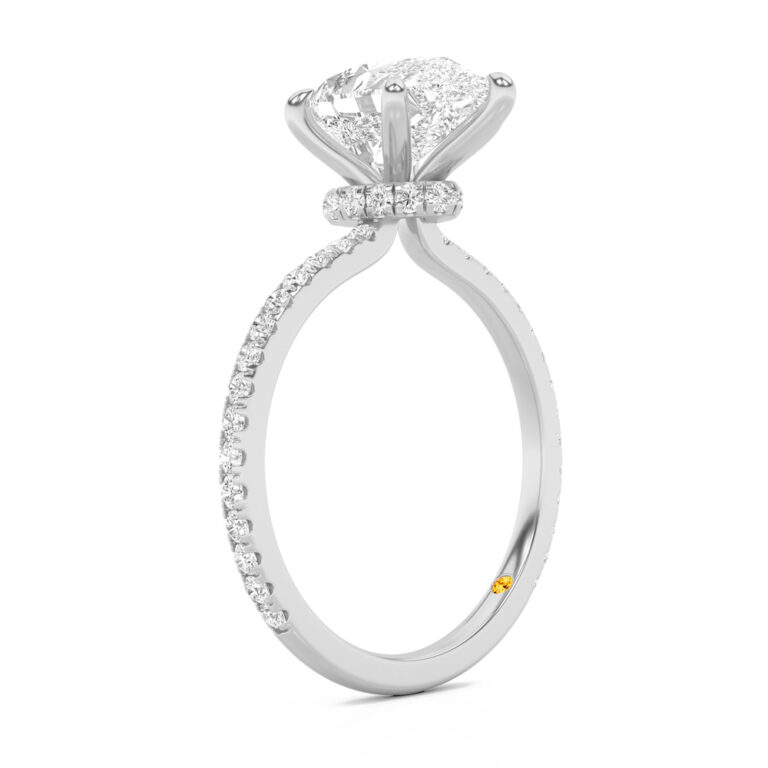
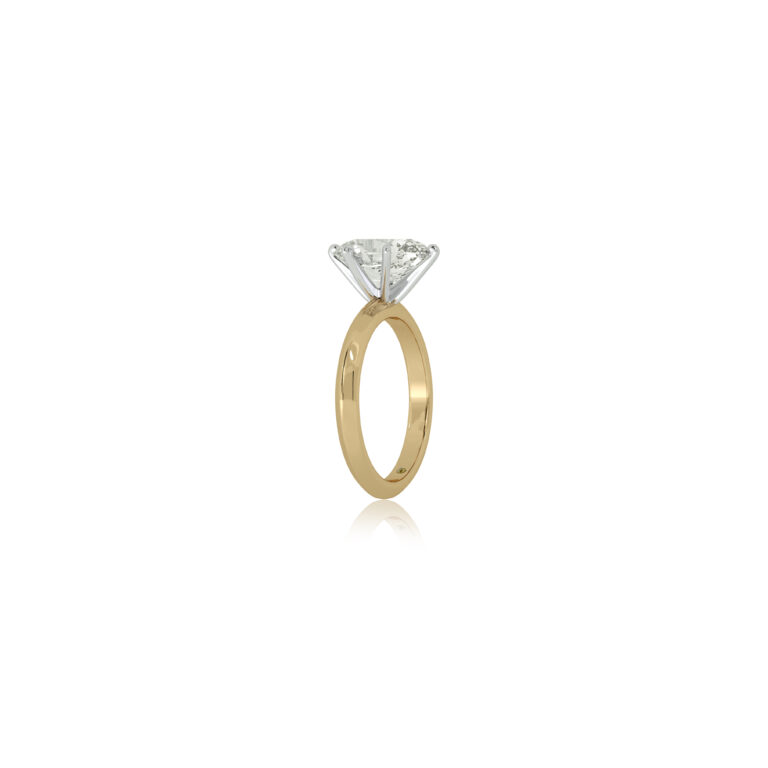
However, large center stones benefit from a six-prong setting. A six-prong setup provides a round shape and superior physical security. If one prong catches on clothing, the remaining five prongs hold the stone safe.
We custom-forge every prong to fit the specific footprint of your diamond perfectly. This balance is crucial when selecting solitaire diamond engagement rings for women, as explored in our ultimate engagement ring settings & shanks guide.
Conclusion
Investing in a forever piece should bring absolute joy. You should never force a compromise between luxury and conscience. At La Joya Jewelry, we remain deeply committed to sustainable design.
We provide beautifully crafted, premium solid gold designs. Our pieces feature perfect lab-grown diamonds of exceptional quality. We blend three generations of family diamond skills with modern updates.
This focus ensures your engagement ring stands as a flawless symbol of your shared future. To start your journey, click here to design your own engagement ring or browse our stunning lab-grown diamond bridal sets.